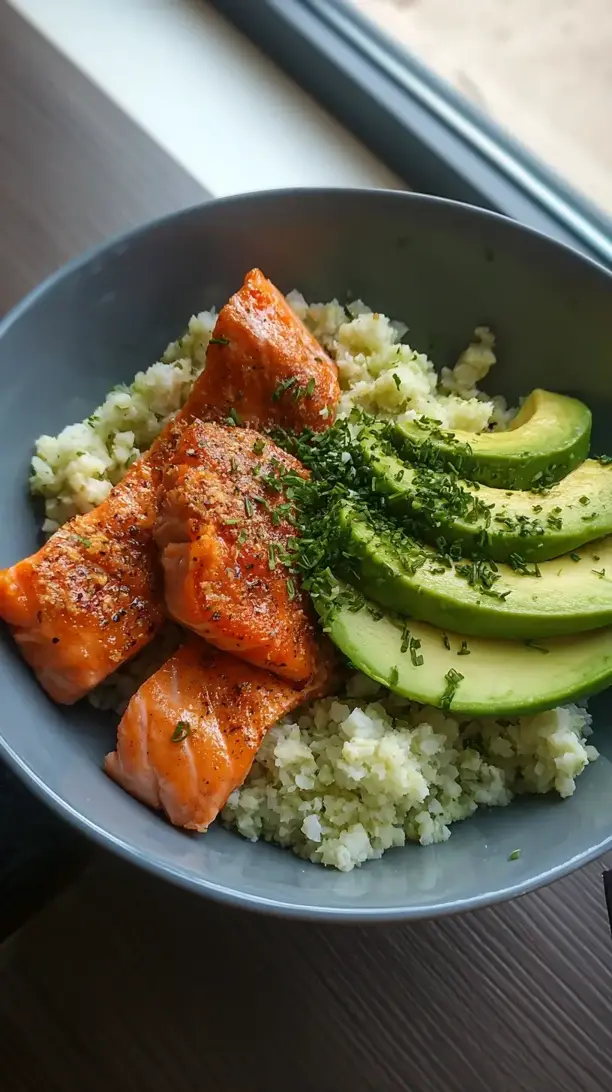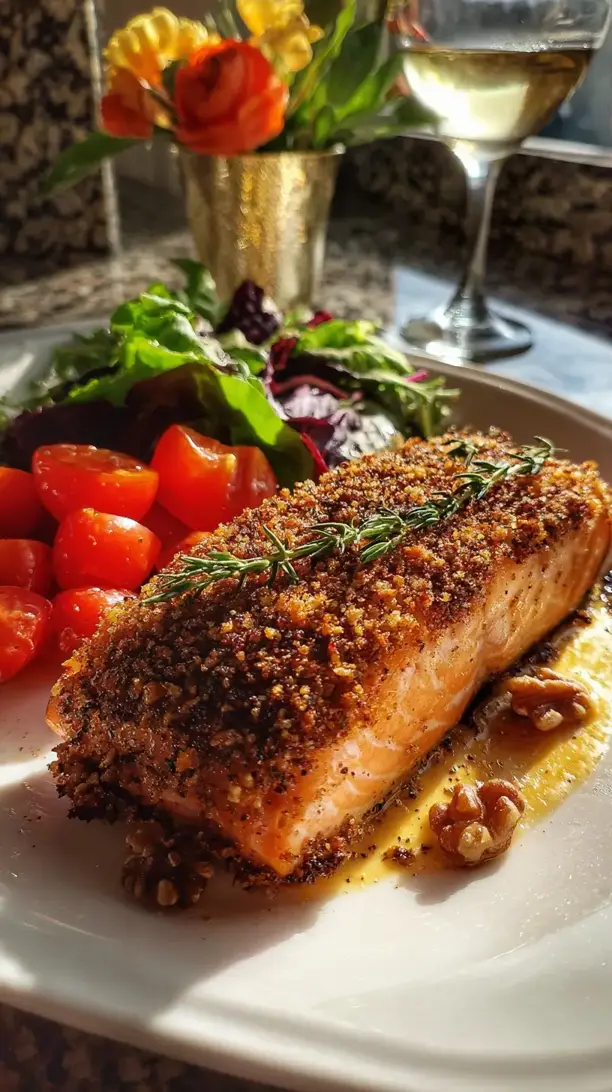

Making smoked salmon at home is surprisingly approachable and rewarding. This recipe guides you through brining and cold-smoking a fresh fillet to silky, deeply flavorful perfection. The result is far superior to store-bought, with unbeatable texture and aroma.
Why You’ll Love This Smoked Salmon
- Unbeatable Flavor & Quality: Control smoke, salt, and sweetness for a perfectly balanced result.
- Make-Ahead Staple: Keeps for over a week, ready to elevate meals and entertaining.
- Simple Process: Mostly hands-off; just follow a few key steps for success.
- Endless Possibilities: Great on bagels, in pasta, salads, omelets, or solo.
Ingredients & Tools
- 1 side of fresh, skin-on salmon (about 1.5–2 lbs / 700–900 g), pin bones removed
- 1/2 cup (120 g) kosher salt (Diamond Crystal is preferred for its milder salinity)
- 1/2 cup (100 g) granulated sugar
- 2 tbsp (30 g) lightly crushed black peppercorns
- 1 large bunch of fresh dill, roughly chopped
- 1 tbsp (5 g) grated lemon zest
- 2 cups (480 ml) cool water
Tools: A smoker (or grill set up for indirect heat), wood chips/chunks (alder or applewood are classic), a wire rack, a baking sheet, a sharp fillet knife.
Notes: The quality of your salmon is paramount—seek out the freshest, brightest fillet you can find. The sugar in the brine isn’t just for sweetness; it helps balance the salt and promotes that beautiful, glossy finish on the fish.
Nutrition (per serving)
| Calories: | 180 kcal |
| Protein: | 23 g |
| Fat: | 9 g |
| Carbs: | 1 g |
| Fiber: | 0 g |
Serves: 8 | Prep Time: 20 minutes (plus 12-24 hours brining) | Cook Time: 4-6 hours | Total Time: 16-30 hours
Before You Start: Tips & Ingredient Notes
- Why is the skin left on? The skin acts as a protective barrier during the smoking process, helping the fillet hold its shape and making it much easier to slice off once everything is finished. It’s your best friend here.
- Can I use a different type of salt? You can, but be very careful with table salt. It’s much finer and saltier by volume, so if you substitute, use only about 1/3 cup to avoid an overly salty result. Kosher salt is really the way to go.
- What’s the deal with the “pellicle”? This is the tacky, shiny skin that forms on the fish after brining and air-drying. It’s not just for looks—this layer is crucial for the smoke to properly adhere to the salmon, giving you that deep, smoky flavor and beautiful color.
- Why cold smoke and not hot smoke? Cold smoking cures and flavors the fish without cooking it through, giving you that classic, silky, sliceable texture. Hot smoking would fully cook the salmon, resulting in a flakier, warmer product—which is also delicious, but it’s a different thing entirely.
How to Make Smoked Salmon
Step 1: Prepare the Brine and Cure the Salmon. In a large bowl, whisk together the kosher salt, sugar, crushed peppercorns, and lemon zest. Slowly pour in the cool water, stirring until the salt and sugar have mostly dissolved. Place your salmon fillet, skin-side down, in a non-reactive dish (glass or stainless steel are perfect). Pour the brine mixture over the salmon, making sure it’s completely submerged. Scatter the fresh dill all over the top. Cover the dish tightly with plastic wrap and refrigerate for a minimum of 12 hours, and up to 24 hours for a firmer, saltier cure. You’ll notice the fish firming up and releasing some liquid—this is exactly what you want.
Step 2: Rinse and Form the Pellicle. After the brining time is up, remove the salmon from the liquid. Discard the brine and the dill. Rinse the fillet thoroughly under cool running water, using your fingers to gently wipe away any remaining peppercorns or salt crystals. Pat the salmon completely dry with paper towels. Place the fillet, skin-side down, on a wire rack set over a baking sheet. This allows air to circulate all around it. Now, let it air-dry, uncovered, in the refrigerator for at least 4 hours, or until the surface is completely dry and has a slightly shiny, tacky feel—that’s your pellicle. This step is non-negotiable for perfect smoke adhesion.
Step 3: Prepare Your Smoker. While the salmon is forming its pellicle, get your smoker ready. For true cold smoking, you need to keep the temperature below 90°F (32°C). If you’re using a dedicated smoker, follow its instructions for a cold smoke setup, often involving a separate smoke generator or a tube. If you’re using a charcoal or gas grill, you’ll set it up for indirect heat on the absolute lowest possible setting, with a pan of ice water placed under the grates to keep the temperature down. Soak your wood chips (alder is the classic choice) in water for at least 30 minutes before you plan to start.
Step 4: The Smoking Process. Once your smoker is stable at that low temperature and producing a thin, blue smoke (not thick, white smoke), you’re ready. Place the salmon directly on the smoker grates, skin-side down. Close the lid and let the magic happen. The smoking time can vary from 4 to 6 hours, depending on the thickness of your fillet, the outside temperature, and how smoky you like it. You’re looking for a rich, amber color and a firm-but-yielding texture when pressed. Resist the urge to open the lid too often—just check every hour or so to ensure the temperature remains low.
Step 5: Rest, Slice, and Serve. When the salmon has reached your desired level of smokiness, carefully remove it from the smoker. Let it cool completely to room temperature. For the best texture and easiest slicing, wrap it tightly in plastic wrap and refrigerate it for at least a few hours, or preferably overnight. This allows the flavors to meld and the texture to set perfectly. To serve, place the salmon skin-side down on a cutting board. Using a long, thin, sharp knife, slice thinly on a slight bias, angling your knife towards the skin. The slices should be delicate and almost translucent.
Storage & Freshness Guide
- Fridge: Keep tightly wrapped or in an airtight container for 7–10 days.
- Freezer: Portion and vacuum seal; freeze for up to 3 months.
- Reviving: If too salty, soak in cold water or milk for 10–15 minutes before serving.
Serving Suggestions
Complementary Dishes
- Classic Bagel Spread — There’s a reason it’s a classic. The creamy, tangy cheese, the chewy bagel, and the salty, smoky salmon are a perfect textural and flavor symphony.
- Scrambled Eggs or an Omelet — Gently fold flaked smoked salmon into softly scrambled eggs or a herb-filled omelet right at the end of cooking. It adds a luxurious, savory depth that transforms a simple breakfast.
- Creamy Pasta — Toss flaked salmon into a lemon-dill cream sauce with pasta. The heat from the pasta just barely warms the salmon, making it incredibly rich and satisfying.
Drinks
- Champagne or a Dry Sparkling Wine — The crisp acidity and effervescence cut beautifully through the richness of the salmon, cleansing the palate with every sip.
- A Crisp, London-Dry Gin Martini — The botanical notes in a good gin complement the herbal dill and the smoky notes of the fish in a surprisingly elegant way.
- Ice-Cold Vodka — The traditional Scandinavian pairing. The neutral, bracing chill of the vodka is the ultimate palate cleanser for the fatty, flavorful salmon.
Something Sweet
- Simple Lemon Sorbet — After a rich, savory meal featuring smoked salmon, a scoop of bright, tart lemon sorbet is the perfect refreshing finish. It’s light and palate-cleansing.
- Dark Chocolate-Dipped Strawberries — The bittersweet chocolate and sweet, juicy berry provide a lovely counterpoint to the savory umami of the salmon, ending the meal on a sophisticated note.
- Almond Biscotti — A crunchy, not-too-sweet biscotti with a hint of almond is wonderful for dipping into a post-dinner coffee and provides a nice textural contrast.
Top Mistakes to Avoid
- Mistake: Skipping the pellicle formation. I know it’s tempting to rush, but if your salmon is wet when it goes into the smoker, the smoke will just slide right off. You’ll end up with a pale, bland-tasting fish instead of that beautiful, smoky crust.
- Mistake: Letting the smoker get too hot. This is the most common error. If your temperature creeps above 90°F (32°C), you’re essentially slow-cooking the salmon, which will make it opaque and flaky instead of silky and sliceable. The low-and-slow mantra is key here.
- Mistake: Using green or un-soaked wood. Dry wood will burn too hot and fast, creating harsh, bitter smoke. Always soak your wood chips for at least 30 minutes to ensure they smolder and produce that sweet, thin, blue smoke we’re after.
- Mistake: Slicing the salmon before it’s fully chilled. Slicing warm smoked salmon is a messy, difficult affair. It will tear and shred. Letting it chill completely firms it up, making it easy to achieve those perfect, paper-thin slices.
Expert Tips
- Tip: Use a digital thermometer to monitor smoker temp. Don’t guess. A probe thermometer placed near the salmon (but not touching it) will give you an accurate read and help you maintain that crucial low temperature throughout the entire process.
- Tip: Experiment with wood varieties. While alder is the classic, don’t be afraid to try applewood for a fruitier, milder smoke, or even a small amount of maple for a touch of sweetness. Mixing woods can create a unique signature flavor.
- Tip: Slice against the grain for the most tender bite. Look closely at the flesh—you’ll see faint lines running the length of the fillet. Slicing perpendicular to these lines (on a slight bias) will give you the most delicate, melt-in-your-mouth texture.
- Tip: For longer storage, vacuum seal it. If you’ve made a big batch, portion it and vacuum seal it. It will keep beautifully in the freezer for up to 3 months, letting you enjoy your homemade delicacy whenever the craving strikes.
FAQs
How long does homemade smoked salmon last in the refrigerator?
Properly stored in an airtight container or tightly wrapped in plastic wrap, your smoked salmon will keep beautifully for 7 to 10 days. You’ll notice the texture might firm up a bit over time, but the flavor will remain fantastic. If you see any signs of spoilage like a sour smell or slimy texture, it’s best to discard it. For even longer storage, the freezer is your best friend.
Can I hot smoke salmon using this recipe?
You can, but the process and result will be different. For hot smoking, you’d smoke at a temperature around 225°F (107°C) until the internal temperature of the salmon reaches 145°F (63°C). The texture will be flaky and fully cooked, more like grilled salmon with a smoky flavor, rather than the silky, cured texture of traditional cold-smoked salmon. It’s still delicious, just a different preparation.
Do I have to use a smoker? Is there another way?
While a smoker is ideal, you can create a makeshift cold smoker using a cardboard box, a hot plate, and a smoking maze or pie tin with wood dust. It requires more monitoring, but it can work! There are also stovetop smoking devices available. For a no-smoke “cured” salmon (gravlax), you would skip the smoking entirely and just extend the curing time with the salt-sugar-dill mixture.
Why is my smoked salmon so salty?
This usually happens for one of two reasons: either you brined it for too long, or you used a finer-grained salt (like table salt) without adjusting the quantity. Next time, try reducing the brining time by a few hours or using the recommended weight/volume of kosher salt. You can also briefly soak the finished product in cold water or milk for 10-15 minutes to draw out some excess salt.
What’s the white stuff that sometimes comes out of smoked salmon?
Don’t worry, that’s completely normal! That white, albumin protein is forced out of the muscle fibers during the curing and smoking process. It’s harmless and edible, though some people prefer to wipe it off with a damp paper towel for a cleaner appearance. It’s more common in hot-smoked salmon but can appear in cold-smoked as well.
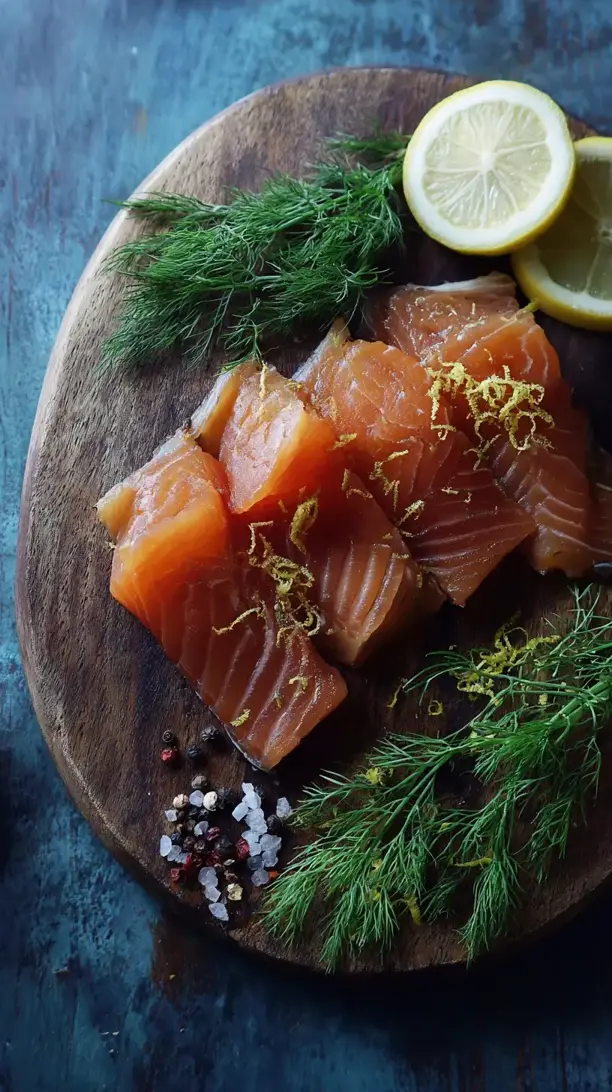
Smoked Salmon
Learn how to make perfect homemade Smoked Salmon with this easy, step-by-step guide. Achieve a silky texture and deep smoky flavor. Get the recipe now!
Ingredients
For the Ingredients
-
1 side fresh, skin-on salmon (about 1.5–2 lbs / 700–900 g, pin bones removed)
-
1/2 cup kosher salt (Diamond Crystal is preferred for its milder salinity)
-
1/2 cup granulated sugar
-
2 tbsp lightly crushed black peppercorns
-
1 large bunch fresh dill (roughly chopped)
-
1 tbsp grated lemon zest
-
2 cups cool water
Instructions
-
Prepare the Brine and Cure the Salmon. In a large bowl, whisk together the kosher salt, sugar, crushed peppercorns, and lemon zest. Slowly pour in the cool water, stirring until the salt and sugar have mostly dissolved. Place your salmon fillet, skin-side down, in a non-reactive dish (glass or stainless steel are perfect). Pour the brine mixture over the salmon, making sure it's completely submerged. Scatter the fresh dill all over the top. Cover the dish tightly with plastic wrap and refrigerate for a minimum of 12 hours, and up to 24 hours for a firmer, saltier cure. You’ll notice the fish firming up and releasing some liquid—this is exactly what you want.01
-
Rinse and Form the Pellicle. After the brining time is up, remove the salmon from the liquid. Discard the brine and the dill. Rinse the fillet thoroughly under cool running water, using your fingers to gently wipe away any remaining peppercorns or salt crystals. Pat the salmon completely dry with paper towels. Place the fillet, skin-side down, on a wire rack set over a baking sheet. This allows air to circulate all around it. Now, let it air-dry, uncovered, in the refrigerator for at least 4 hours, or until the surface is completely dry and has a slightly shiny, tacky feel—that’s your pellicle. This step is non-negotiable for perfect smoke adhesion.02
-
Prepare Your Smoker. While the salmon is forming its pellicle, get your smoker ready. For true cold smoking, you need to keep the temperature below 90°F (32°C). If you're using a dedicated smoker, follow its instructions for a cold smoke setup, often involving a separate smoke generator or a tube. If you're using a charcoal or gas grill, you'll set it up for indirect heat on the absolute lowest possible setting, with a pan of ice water placed under the grates to keep the temperature down. Soak your wood chips (alder is the classic choice) in water for at least 30 minutes before you plan to start.03
-
The Smoking Process. Once your smoker is stable at that low temperature and producing a thin, blue smoke (not thick, white smoke), you’re ready. Place the salmon directly on the smoker grates, skin-side down. Close the lid and let the magic happen. The smoking time can vary from 4 to 6 hours, depending on the thickness of your fillet, the outside temperature, and how smoky you like it. You’re looking for a rich, amber color and a firm-but-yielding texture when pressed. Resist the urge to open the lid too often—just check every hour or so to ensure the temperature remains low.04
-
Rest, Slice, and Serve. When the salmon has reached your desired level of smokiness, carefully remove it from the smoker. Let it cool completely to room temperature. For the best texture and easiest slicing, wrap it tightly in plastic wrap and refrigerate it for at least a few hours, or preferably overnight. This allows the flavors to meld and the texture to set perfectly. To serve, place the salmon skin-side down on a cutting board. Using a long, thin, sharp knife, slice thinly on a slight bias, angling your knife towards the skin. The slices should be delicate and almost translucent.05