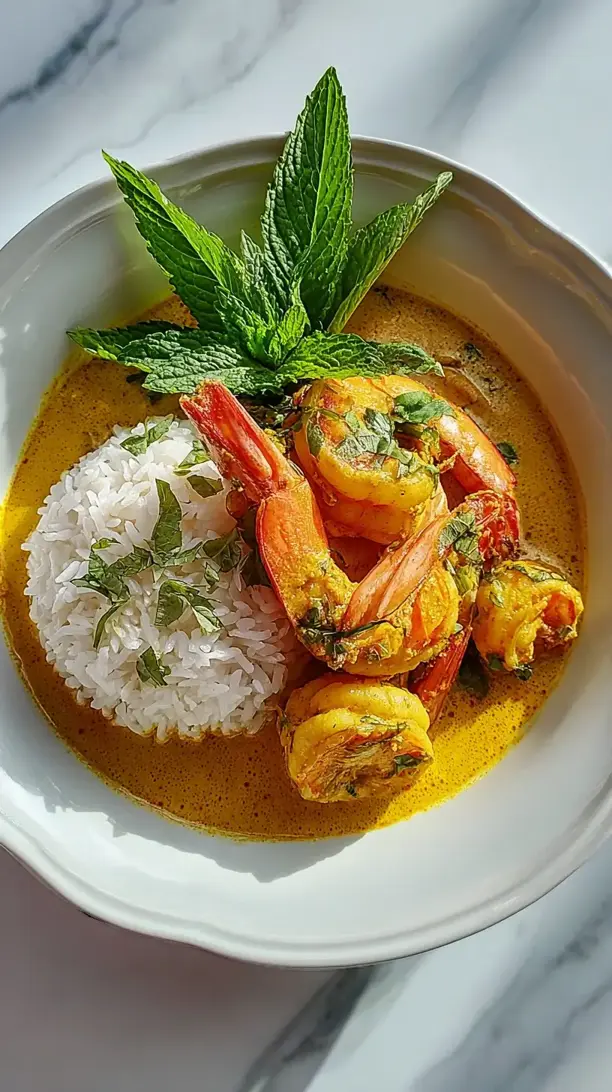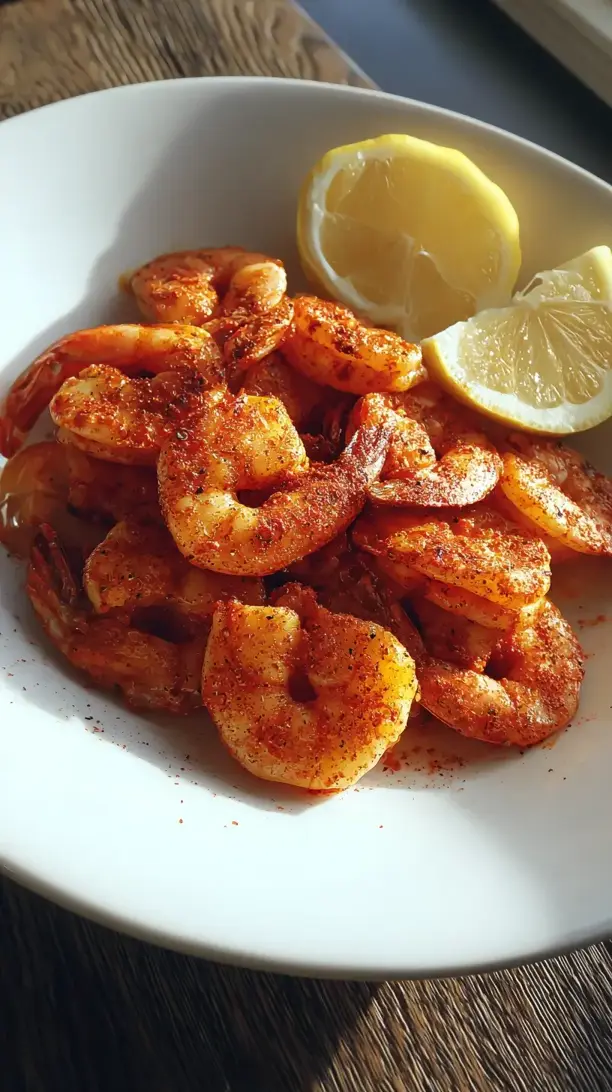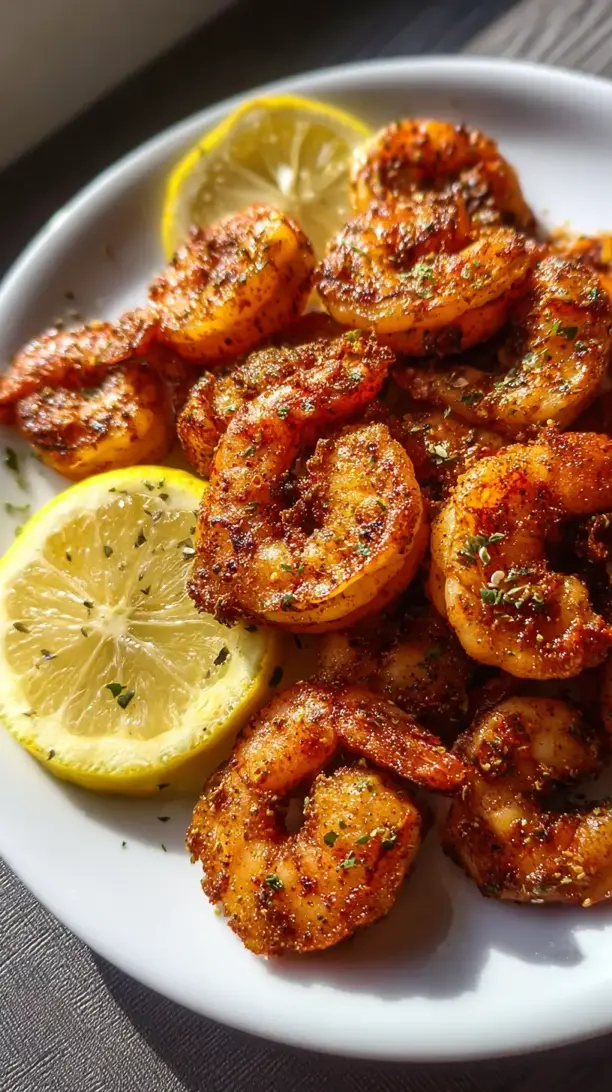

This White Wine Garlic Shrimp is a deceptively simple dish that feels both elegant and approachable. It comes together in under 20 minutes, featuring a buttery, garlicky, wine-infused sauce that’s pure liquid gold. The key is using good-quality ingredients to create something truly special.
Why You’ll Love This White Wine Garlic Shrimp
- Fast & elegant: Ready in 15-20 minutes for a restaurant-quality meal.
- Liquid gold sauce: A buttery, tangy reduction you’ll want to savor.
- Incredibly versatile: Serve over pasta, polenta, or with crusty bread.
- Kitchen therapy aroma: Garlic, butter, and wine create an irresistible scent.
Ingredients & Tools
- 450 g large raw shrimp, peeled and deveined
- 3 tbsp unsalted butter, divided
- 2 tbsp olive oil
- 5-6 large garlic cloves, minced
- 120 ml dry white wine (like Sauvignon Blanc or Pinot Grigio)
- Juice of 1/2 a fresh lemon
- 1/4 tsp red pepper flakes (optional, for a little heat)
- 2 tbsp fresh parsley, finely chopped
- Salt and freshly ground black pepper, to taste
Tools: A large skillet (stainless steel or cast iron works best), tongs, a microplane or garlic press, and a citrus juicer.
Notes: Don’t skip the fresh garlic and parsley; use a dry white wine you’d enjoy drinking.
Nutrition (per serving)
| Calories: | 285 kcal |
| Protein: | 24 g |
| Fat: | 16 g |
| Carbs: | 4 g |
| Fiber: | 0.5 g |
Serves: 3-4 | Prep Time: 10 minutes | Cook Time: 10 minutes | Total Time: 20 minutes
Before You Start: Tips & Ingredient Notes
- Get your shrimp right. I highly recommend using raw, peeled, and deveined shrimp for the best texture and flavor. If they’re frozen, just thaw them completely in the fridge overnight or under cold running water, and pat them very dry with paper towels. This ensures a beautiful sear instead of a steam.
- Don’t be shy with the garlic. This is a garlic-forward dish, so use fresh cloves and mince them finely. The trick is to let them cook just until fragrant—about 30 seconds—so they don’t burn and turn bitter.
- Choose your wine wisely. A dry, crisp white wine like Sauvignon Blanc or Pinot Grigio is perfect. Avoid anything too sweet or oaky, as it can make the sauce cloying. Remember, if you wouldn’t drink it, don’t cook with it!
- Have everything prepped and ready. This recipe comes together in a flash, so you won’t have time to mince garlic or juice a lemon once you start cooking. Do all your prep first—it’s called your *mise en place* and it’s a game-changer for fast, stress-free cooking.
How to Make White Wine Garlic Shrimp
Step 1: Start by prepping your shrimp. If they aren’t already, pat them completely dry with paper towels. This is a crucial step for getting a nice sear instead of boiling them in their own moisture. Season them generously on both sides with salt and black pepper. You’ll notice that seasoning them now, rather than later in the sauce, helps the flavor penetrate the shrimp itself.
Step 2: Place your large skillet over medium-high heat and let it get properly hot. Add one tablespoon of the olive oil and one tablespoon of the butter. Once the butter has melted and the foam subsides, it’s ready. Carefully add the shrimp in a single layer, making sure not to crowd the pan—you might need to do this in two batches. Cook for just about 1-2 minutes per side, until they turn pink and opaque with a slight golden sear. They cook fast! Remove them immediately to a clean plate. The goal is to *almost* cook them through, as they’ll finish cooking later in the sauce.
Step 3: Reduce the heat to medium. To the same skillet, add the remaining tablespoon of olive oil and the remaining two tablespoons of butter. Once the butter is melted, add the minced garlic and the optional red pepper flakes. The aroma will be incredible. Sauté, stirring constantly, for just about 30 seconds until the garlic is fragrant. You have to watch it like a hawk—garlic can burn in a heartbeat and turn bitter, which we definitely don’t want.
Step 4: Now for the fun part: deglazing. Pour in the white wine and use a wooden spoon to scrape up all those delicious browned bits from the bottom of the pan. Those bits are pure flavor! Let the wine simmer and reduce for about 2-3 minutes. You’ll notice the sharp alcohol smell will cook off and the sauce will start to look slightly thickened and glossy.
Step 5: Return the shrimp and any accumulated juices from the plate back into the skillet. Toss everything together to coat the shrimp in that glorious sauce and let them heat through for just one final minute. This is just to finish cooking the shrimp and let them soak up all the flavors.
Step 6: Turn off the heat. Stir in the fresh lemon juice and most of the chopped parsley. The lemon juice will brighten the entire dish and cut through the richness of the butter beautifully. Give it a final taste and adjust the seasoning with more salt or pepper if needed. Serve immediately, garnished with the remaining parsley, and don’t forget that incredible pan sauce!
Storage & Freshness Guide
- Fridge: Store in an airtight container for up to 2 days.
- Freezer: Freezing is not recommended as shrimp can become rubbery.
- Reviving: Gently reheat on the stovetop over low heat, being careful not to overcook.
Serving Suggestions
Complementary Dishes
- Creamy Polenta — The soft, comforting texture is the perfect canvas for soaking up every last drop of the garlic wine sauce.
- Angel Hair Pasta — A light, thin pasta won’t overpower the delicate shrimp and provides a wonderful base for the sauce to cling to.
- A Simple Arugula Salad — The peppery bite of arugula dressed with just lemon juice and olive oil provides a fresh, crisp contrast to the rich shrimp.
Drinks
- A Chilled Sauvignon Blanc — The crisp, citrusy notes of this wine mirror the flavors in the dish and cleanse the palate between bites.
- Sparkling Water with Lemon — For a non-alcoholic option, the effervescence and citrus are wonderfully refreshing against the buttery sauce.
- A Light Pinot Noir — If you prefer red, a light-bodied, low-tannin red like Pinot Noir can complement the dish without overwhelming it.
Something Sweet
- Lemon Sorbet — A scoop of bright, tart sorbet continues the citrus theme and provides a clean, refreshing finish to the meal.
- Panna Cotta with Berry Compote — The smooth, creamy texture and sweet-tart berries are a lovely, elegant contrast to the savory main course.
- Amaretti Cookies — These light, almond-flavored cookies are a simple, no-fuss way to end the meal on a sweet note.
Top Mistakes to Avoid
- Overcooking the shrimp. Shrimp go from perfectly tender to rubbery and tough in a matter of seconds. Cook them just until they turn pink and opaque, then get them out of the pan. They’ll finish cooking when you return them to the sauce.
- Burning the garlic. I’ve messed this up before too… if your heat is too high, the garlic can burn in an instant, giving the entire dish a bitter, unpleasant flavor. Keep the heat at medium when you add it and stir constantly.
- Using a sweet or “cooking” wine. Wines labeled “cooking wine” are often loaded with salt and preservatives. And a sweet wine will make your sauce taste cloying and unbalanced. A dry, drinkable white is the only way to go.
- Crowding the pan. If you dump all the shrimp in at once, they’ll steam instead of sear. You want that beautiful golden color, so give them space and cook in batches if your pan is small.
Expert Tips
- Tip: For an extra layer of flavor, add a tablespoon of capers to the pan along with the garlic. Their briny, salty pop complements the shrimp and wine sauce perfectly.
- Tip: If you want a slightly thicker sauce, you can create a quick slurry by mixing a teaspoon of cornstarch with a tablespoon of cold water. Whisk it into the sauce after the wine has reduced and let it simmer for another minute until thickened.
- Tip: Let your shrimp come to room temperature for about 10-15 minutes before cooking. This helps them cook more evenly, preventing a cold center and an overcooked exterior.
- Tip: For a richer, creamier sauce, stir in a splash of heavy cream or a knob of cold butter at the very end, off the heat. This will emulsify the sauce, making it velvety and luxurious.
FAQs
Can I make this White Wine Garlic Shrimp ahead of time?
You can prep the ingredients ahead of time, but I don’t recommend cooking it in advance. Shrimp are best served immediately after cooking for optimal texture. If you must, you can gently reheat it on the stovetop over low heat, but be careful not to overcook the shrimp. The sauce might separate a little, but a quick stir should bring it back together.
What’s the best substitute for white wine?
If you prefer not to use wine, you can substitute it with an equal amount of low-sodium chicken or vegetable broth, plus an extra tablespoon of fresh lemon juice to mimic the acidity. The flavor profile will be different, but it will still be delicious. You could also use a non-alcoholic white wine.
Can I use frozen shrimp?
Absolutely! Frozen shrimp are often fresher than “fresh” shrimp at the counter, which are typically previously frozen and thawed. Just make sure to thaw them completely in the refrigerator overnight or under cold running water, and pat them very dry before cooking.
How can I tell when the shrimp are cooked perfectly?
Shrimp are done when they turn from gray and translucent to pink and opaque, and their bodies curl into a loose “C” shape. If they curl into a tight “O”, they are likely overdone. They should feel firm but still springy to the touch.
Is it necessary to devein the shrimp?
From a food safety perspective, it’s not strictly necessary as the “vein” is the digestive tract. However, it can contain grit and sand, so removing it (deveining) is recommended for the best texture and appearance, especially for a elegant dish like this.
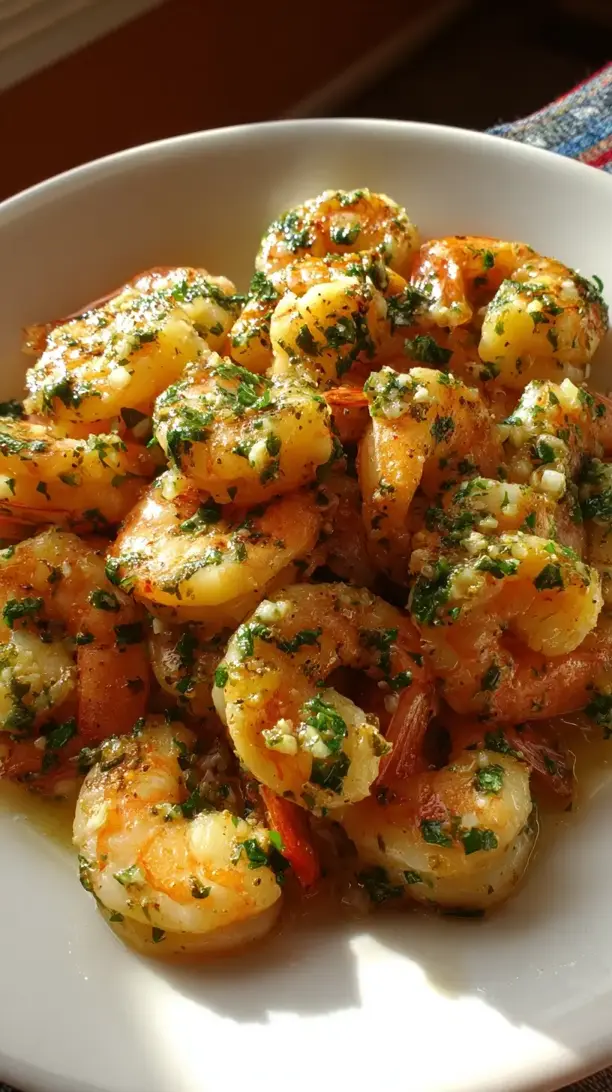
White Wine Garlic Shrimp
Make this easy White Wine Garlic Shrimp recipe in 20 minutes for a buttery, elegant dinner. Serve over pasta or with crusty bread. Get the simple recipe now!
Ingredients
For the Ingredients & Tools
-
450 g large raw shrimp (peeled and deveined)
-
3 tbsp unsalted butter (divided)
-
2 tbsp olive oil
-
5-6 large garlic cloves (minced)
-
120 ml dry white wine (like Sauvignon Blanc or Pinot Grigio)
-
Juice of 1/2 a fresh lemon
-
1/4 tsp red pepper flakes (optional, for a little heat)
-
2 tbsp fresh parsley (finely chopped)
-
Salt and freshly ground black pepper (to taste)
Instructions
-
Start by prepping your shrimp. If they aren't already, pat them completely dry with paper towels. This is a crucial step for getting a nice sear instead of boiling them in their own moisture. Season them generously on both sides with salt and black pepper. You'll notice that seasoning them now, rather than later in the sauce, helps the flavor penetrate the shrimp itself.01
-
Place your large skillet over medium-high heat and let it get properly hot. Add one tablespoon of the olive oil and one tablespoon of the butter. Once the butter has melted and the foam subsides, it's ready. Carefully add the shrimp in a single layer, making sure not to crowd the pan—you might need to do this in two batches. Cook for just about 1-2 minutes per side, until they turn pink and opaque with a slight golden sear. They cook fast! Remove them immediately to a clean plate. The goal is to *almost* cook them through, as they'll finish cooking later in the sauce.02
-
Reduce the heat to medium. To the same skillet, add the remaining tablespoon of olive oil and the remaining two tablespoons of butter. Once the butter is melted, add the minced garlic and the optional red pepper flakes. The aroma will be incredible. Sauté, stirring constantly, for just about 30 seconds until the garlic is fragrant. You have to watch it like a hawk—garlic can burn in a heartbeat and turn bitter, which we definitely don't want.03
-
Now for the fun part: deglazing. Pour in the white wine and use a wooden spoon to scrape up all those delicious browned bits from the bottom of the pan. Those bits are pure flavor! Let the wine simmer and reduce for about 2-3 minutes. You'll notice the sharp alcohol smell will cook off and the sauce will start to look slightly thickened and glossy.04
-
Return the shrimp and any accumulated juices from the plate back into the skillet. Toss everything together to coat the shrimp in that glorious sauce and let them heat through for just one final minute. This is just to finish cooking the shrimp and let them soak up all the flavors.05
-
Turn off the heat. Stir in the fresh lemon juice and most of the chopped parsley. The lemon juice will brighten the entire dish and cut through the richness of the butter beautifully. Give it a final taste and adjust the seasoning with more salt or pepper if needed. Serve immediately, garnished with the remaining parsley, and don't forget that incredible pan sauce!06