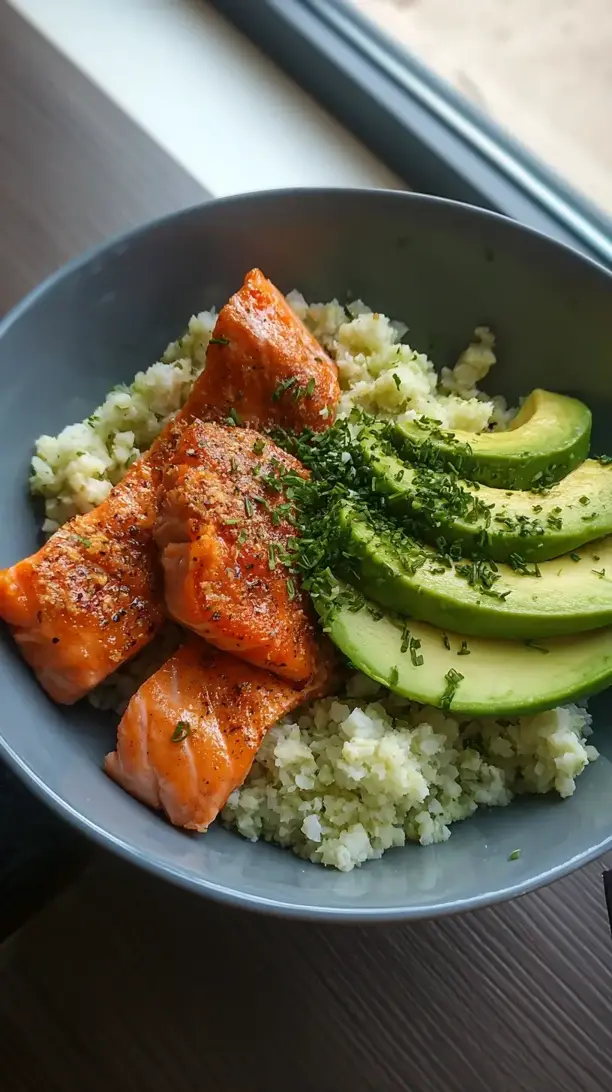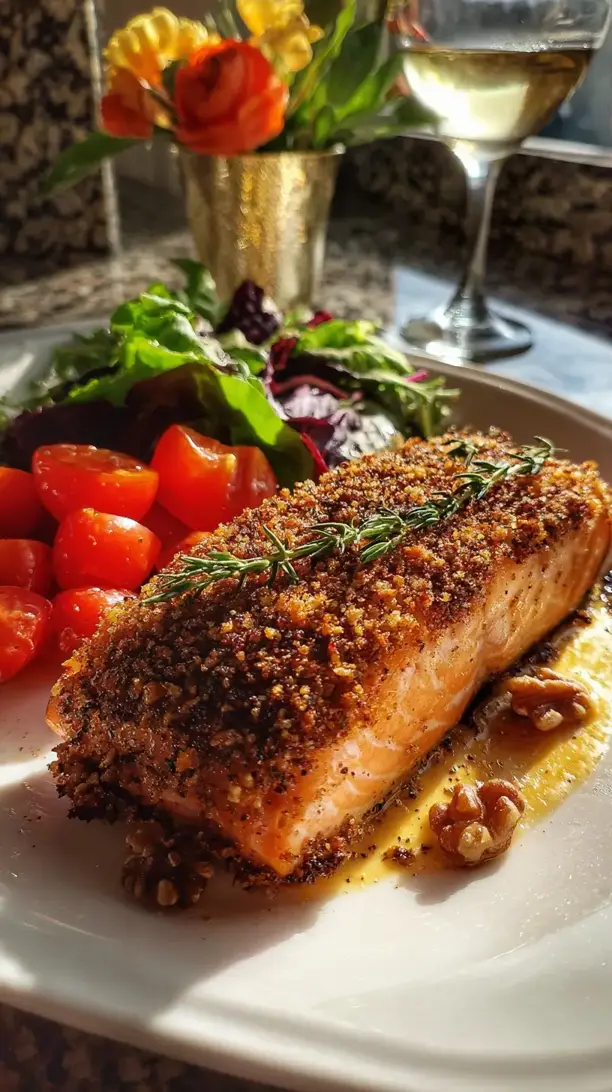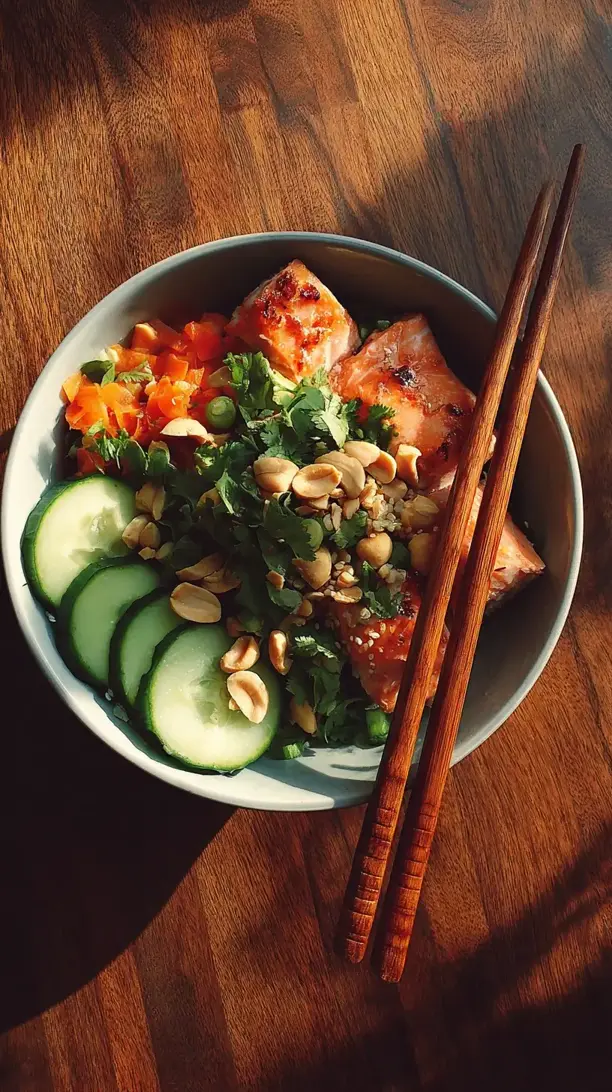

This Thai Coconut Curry Salmon combines rich, flaky fish with a creamy, aromatic sauce. It’s a vibrant, restaurant-quality dish that comes together in just 30 minutes. The magic is in the balance of spicy curry paste, creamy coconut milk, and bright lime.
Why You’ll Love This Thai Coconut Curry Salmon
- Fast & Fuss-Free: Ready in 30 minutes with minimal cleanup.
- Perfect Flavor Balance: Creamy coconut tames the heat, while lime adds a tangy punch.
- One-Pan Wonder: Looks impressive but uses a simple, smart technique.
- Easily Adaptable: Adjust the spice or add your favorite veggies.
Ingredients & Tools
- 4 salmon fillets (about 150-180 g each), skin on or off
- 1 tbsp neutral oil (like avocado or grapeseed)
- 1 small yellow onion, thinly sliced
- 3 garlic cloves, minced
- 1 tbsp freshly grated ginger
- 2–3 tbsp Thai red curry paste
- 1 (400 ml) can full-fat coconut milk
- 1 tbsp fish sauce
- 1 tsp coconut or brown sugar
- 1 red bell pepper, thinly sliced
- Juice of 1 lime
- Fresh cilantro and Thai basil for garnish
Tools: A large skillet (non-stick or stainless steel), a microplane or fine grater for the ginger, and a wooden spoon or spatula.
Notes: The quality of your curry paste and coconut milk really makes a difference here—they’re the backbone of the sauce. A good, vibrant red curry paste will give you that authentic Thai flavor, and full-fat coconut milk ensures a luxuriously creamy, not watery, consistency.
Nutrition (per serving)
| Calories: | 485 kcal |
| Protein: | 35 g |
| Fat: | 36 g |
| Carbs: | 8 g |
| Fiber: | 2 g |
Serves: 4 | Prep Time: 10 minutes | Cook Time: 20 minutes | Total Time: 30 minutes
Before You Start: Tips & Ingredient Notes
- Choosing your salmon. I prefer skin-on fillets for this recipe because the skin gets wonderfully crispy and adds great texture, but skinless works perfectly fine too. Just be a little more gentle when flipping. Look for fillets that are of even thickness for uniform cooking.
- Don’t skip the aromatics. Fresh garlic and ginger are non-negotiable for building that deep, fragrant base. The pre-minced stuff in jars just doesn’t deliver the same punch of flavor. A microplane makes grating the ginger super easy and mess-free.
- Shake your coconut milk can! This is a tiny step with a big impact. Coconut milk can separate in the can, so giving it a good shake before you open it ensures you’ll get a smooth, homogenous liquid rather than a separated mess.
- Taste your curry paste first. Different brands vary wildly in their spice level and salt content. Give a tiny dab a taste so you can adjust the quantity to your preference. You can always add more, but you can’t take it out!
How to Make Thai Coconut Curry Salmon
Step 1: Pat the salmon fillets completely dry with paper towels and season both sides generously with salt. This is the secret to getting a beautiful, golden sear instead of a steamy, pale piece of fish. Place your large skillet over medium-high heat and add the oil. Once the oil is shimmering hot, carefully place the salmon in the pan, presentation-side down if skinless, or skin-side down if skin-on.
Step 2: Let the salmon cook undisturbed for about 4-5 minutes. You’ll know it’s ready to flip when the edges look opaque and it releases easily from the pan. If it’s sticking, it needs a bit more time. Flip the fillets and cook for just 1 more minute on the other side—they don’t need to be cooked through yet. Transfer them to a clean plate; they’ll finish cooking in the sauce later.
Step 3: Reduce the heat to medium. In the same skillet, you should have some lovely rendered salmon fat and oil. Add the sliced onion and cook for 3-4 minutes until it begins to soften and turn translucent. Now add the garlic and ginger, stirring constantly for about 30 seconds until they become incredibly fragrant. Be careful not to let them burn!
Step 4: Push the aromatics to one side and add the red curry paste to the center of the pan. Let it cook for a minute, mashing and stirring it around. This “blooms” the paste, toasting the spices and unlocking a much deeper, more complex flavor. You’ll notice the color darken slightly and the aroma become even more intense.
Step 5: Pour in the coconut milk, and use your wooden spoon to scrape up any browned bits from the bottom of the pan—that’s pure flavor! Stir everything together until the curry paste is fully dissolved into the coconut milk. Let it come to a gentle simmer, then stir in the fish sauce and sugar.
Step 6: Add the sliced red bell pepper to the simmering sauce. Let it cook for 2-3 minutes—you want it to soften slightly but still retain a bit of crunch for texture. Now, taste your sauce! This is your chance to adjust the seasoning. Need more salt? A bit more fish sauce. More tang? A squeeze of lime. More heat? A tiny bit more curry paste.
Step 7: Nestle the seared salmon fillets back into the sauce, along with any juices that accumulated on the plate. Spoon some of the sauce over the top of each fillet. Reduce the heat to low, cover the skillet, and let it gently cook for another 3-5 minutes, or until the salmon is just cooked through and flakes easily with a fork.
Step 8: Turn off the heat. Stir in the fresh lime juice—this brightens up the entire dish and balances the richness. Garnish generously with torn Thai basil leaves and fresh cilantro. Serve immediately, spooning plenty of that glorious sauce over each portion.
Storage & Freshness Guide
- Fridge: Store leftovers in an airtight container for up to 2 days.
- Freezer: Freezing is not recommended as the coconut sauce may separate and the salmon texture can suffer.
- Reviving: Gently reheat in a skillet with a splash of water or coconut milk to loosen the sauce.
Serving Suggestions
Complementary Dishes
- Jasmine Rice — The classic, fluffy companion that soaks up the creamy curry sauce perfectly. Its subtle floral aroma is a natural partner for the Thai flavors.
- Quick-Pickled Vegetables — A tangy, crunchy slaw of carrots, cucumber, and red onion provides a refreshing contrast to the rich, creamy salmon and cuts through the fat beautifully.
- Steamed Bok Choy or Greens — Simple steamed greens add a lovely, mild bitterness and make the meal feel more complete and balanced without competing with the main event.
Drinks
- A Crisp, Dry Riesling — The slight sweetness and high acidity of the wine beautifully counter the spice and richness of the coconut curry, cleansing your palate between bites.
- Thai Iced Tea — For a non-alcoholic option, the sweet, creamy, and spiced notes of this classic drink are a fantastic and fun match for the meal’s flavor profile.
- A Light Lager — A cold, crisp lager like a Singha or similar style is incredibly refreshing and helps temper the heat from the curry paste without overwhelming the dish.
Something Sweet
- Mango with Sticky Rice — You can’t go wrong with this iconic Thai dessert. The sweet, ripe mango and creamy coconut-infused sticky rice are the perfect, authentic finale.
- Coconut Ice Cream — A simple scoop of rich coconut ice cream continues the tropical theme and provides a cool, creamy finish that soothes the palate after a slightly spicy meal.
- Lychee Sorbet — Light, floral, and refreshing, this sorbet is a wonderfully elegant way to end the meal, leaving you feeling satisfied but not overly full.
Top Mistakes to Avoid
- Mistake: Overcooking the salmon. Salmon continues to cook even after it’s off the heat, especially when you return it to the hot sauce. Taking it out of the pan a little early ensures it stays moist and flaky, not dry and chalky. I’ve messed this up before too, and it’s a real heartbreaker.
- Mistake: Not blooming the curry paste. If you just stir the paste into the liquid without toasting it first, you’ll miss out on a huge depth of flavor. That quick minute in the hot oil makes the spices sing and transforms the entire sauce.
- Mistake: Using light coconut milk. I know it’s tempting for the lower calories, but light coconut milk will make your sauce thin and watery. The full-fat version is essential for that luxuriously creamy, velvety texture that clings to the salmon and rice.
- Mistake: Adding the lime juice too early. If you add the lime juice while the sauce is still boiling, the high heat will cook off its bright, fresh acidity. Stirring it in right at the end preserves that essential zing.
Expert Tips
- Tip: For an extra layer of flavor, sear the salmon in coconut oil instead of a neutral oil. It adds a subtle, sweet nuttiness that complements the coconut milk in the sauce beautifully.
- Tip: If your sauce is a bit too thin for your liking, let it simmer uncovered for a few extra minutes after adding the bell peppers. This will allow some of the liquid to evaporate and the sauce to thicken naturally.
- Tip: To make this dish ahead, you can prepare the curry sauce completely and store it separately from the seared salmon. Gently reheat the sauce and add the salmon at the last minute to warm through without overcooking.
- Tip: For a richer, more complex sauce, add a teaspoon of turmeric or a splash of soy sauce along with the fish sauce. The turmeric adds a beautiful golden color and earthy note, while the soy sauce enhances the umami depth.
FAQs
Can I use a different type of fish?
Absolutely! Firm, meaty white fish like cod, halibut, or sea bass are excellent substitutes. Just be aware that their cooking times may vary slightly. Shrimp would also work wonderfully—add them raw to the simmering sauce and cook until they’re pink and opaque, which only takes 3-4 minutes.
My sauce is too spicy. How can I fix it?
Don’t panic! The easiest fix is to stir in a bit more coconut milk or even a splash of heavy cream to tame the heat. A teaspoon of sugar or a squeeze of lime juice can also help balance out the spiciness. Next time, just remember to start with less curry paste and add more to taste.
Is there a substitute for fish sauce?
If you don’t have fish sauce or are vegetarian, you can use soy sauce or tamari. The flavor profile will be slightly different—you’ll lose that distinct fermented, briny quality—but you’ll still get a good hit of salty umami that the dish needs.
Can I make this dairy-free and gluten-free?
It’s naturally dairy-free! For gluten-free, just double-check that your specific brand of curry paste and fish sauce are certified gluten-free, as some may contain wheat-derived ingredients. Most major brands are safe, but it’s always good to check the label.
How should I store and reheat leftovers?
Store any leftovers in an airtight container in the fridge for up to 2 days. To reheat, gently warm it in a skillet over low heat with a tiny splash of water or coconut milk to loosen the sauce. Avoid the microwave if you can, as it can easily overcook the salmon and make it rubbery.
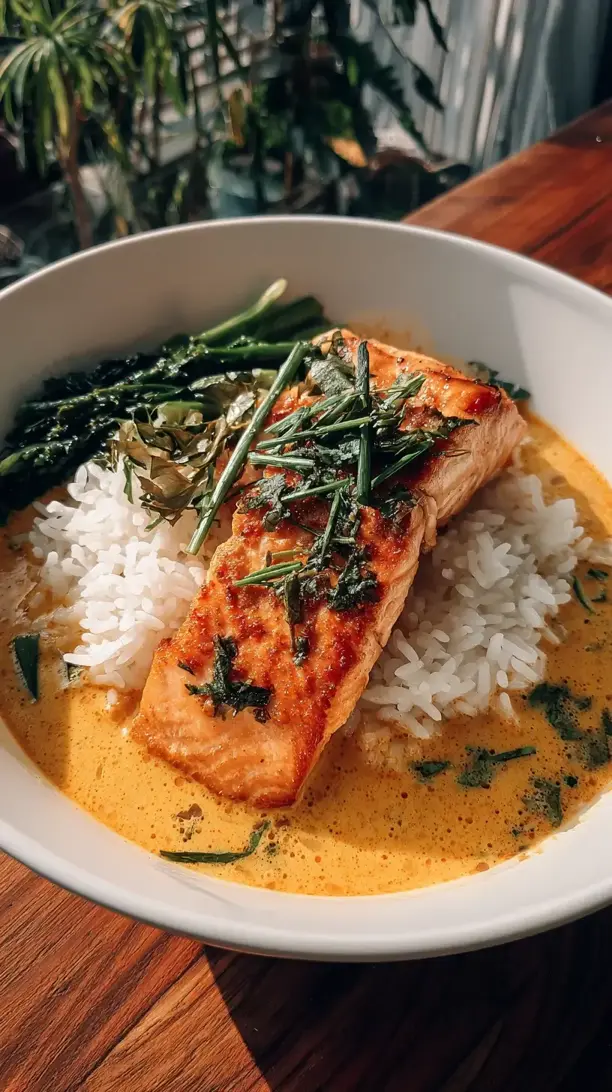
Thai Coconut Curry Salmon
Make restaurant-quality Thai Coconut Curry Salmon in just 30 minutes! This easy one-pan recipe features flaky salmon in a creamy, aromatic sauce. Get the recipe now!
Ingredients
For the Ingredients & Tools
-
4 salmon fillets (about 150-180 g each, skin on or off)
-
1 tbsp neutral oil (like avocado or grapeseed)
-
1 small yellow onion (thinly sliced)
-
3 garlic cloves (minced)
-
1 tbsp freshly grated ginger
-
2–3 tbsp Thai red curry paste
-
1 can full-fat coconut milk (400 ml)
-
1 tbsp fish sauce
-
1 tsp coconut or brown sugar
-
1 red bell pepper (thinly sliced)
-
Juice of 1 lime
-
Fresh cilantro and Thai basil (for garnish)
Instructions
-
Pat the salmon fillets completely dry with paper towels and season both sides generously with salt. Place your large skillet over medium-high heat and add the oil. Once the oil is shimmering hot, carefully place the salmon in the pan, presentation-side down if skinless, or skin-side down if skin-on.01
-
Let the salmon cook undisturbed for about 4-5 minutes. Flip the fillets and cook for just 1 more minute on the other side—they don’t need to be cooked through yet. Transfer them to a clean plate; they’ll finish cooking in the sauce later.02
-
Reduce the heat to medium. In the same skillet, add the sliced onion and cook for 3-4 minutes until it begins to soften and turn translucent. Now add the garlic and ginger, stirring constantly for about 30 seconds until they become incredibly fragrant.03
-
Push the aromatics to one side and add the red curry paste to the center of the pan. Let it cook for a minute, mashing and stirring it around.04
-
Pour in the coconut milk, and use your wooden spoon to scrape up any browned bits from the bottom of the pan. Stir everything together until the curry paste is fully dissolved into the coconut milk. Let it come to a gentle simmer, then stir in the fish sauce and sugar.05
-
Add the sliced red bell pepper to the simmering sauce. Let it cook for 2-3 minutes. Now, taste your sauce and adjust the seasoning.06
-
Nestle the seared salmon fillets back into the sauce, along with any juices that accumulated on the plate. Spoon some of the sauce over the top of each fillet. Reduce the heat to low, cover the skillet, and let it gently cook for another 3-5 minutes, or until the salmon is just cooked through and flakes easily with a fork.07
-
Turn off the heat. Stir in the fresh lime juice. Garnish generously with torn Thai basil leaves and fresh cilantro. Serve immediately, spooning plenty of that glorious sauce over each portion.08