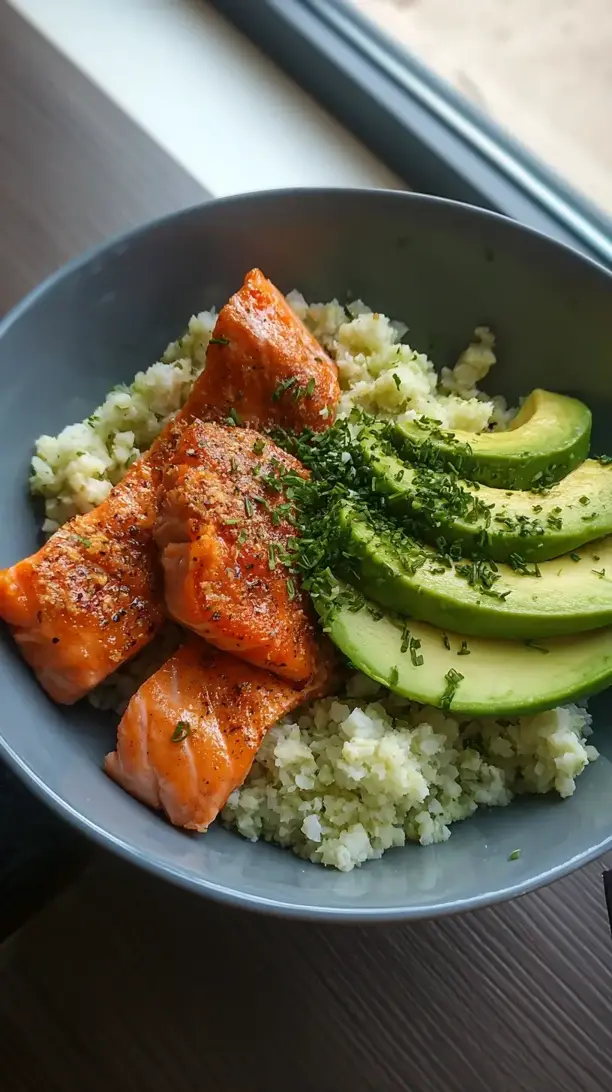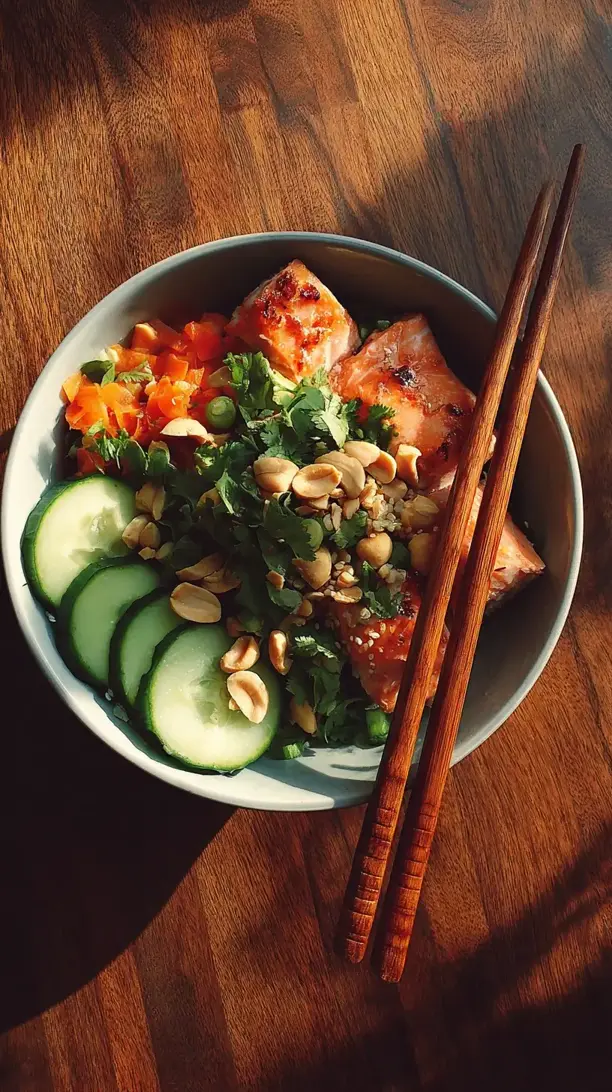

This Thai Basil Salmon delivers restaurant-quality flavor in under 30 minutes. Tender, flaky salmon is coated in a sweet-savory-spicy stir-fry sauce and finished with fresh basil. It’s an impressive yet approachable weeknight meal.
Why You’ll Love This Thai Basil Salmon
- Fast & easy: Ready in about 20 minutes of active cooking.
- Complex flavor: A balanced harmony of sweet, salty, spicy, and savory.
- Healthy & protein-packed: Nutritious salmon with a light yet indulgent sauce.
- Incredible aroma: Garlic, chilies, and basil create an authentic Thai fragrance.
Ingredients & Tools
- 2 salmon fillets (about 150-180 g each), skin on or off
- 2 tbsp neutral oil (like vegetable or avocado oil)
- 4 cloves garlic, finely minced
- 1-2 Thai bird’s eye chilies, thinly sliced (adjust to your heat preference)
- 1 small red bell pepper, thinly sliced
- 1 small onion, thinly sliced
- 2 tbsp oyster sauce
- 1 tbsp soy sauce (or fish sauce for a more traditional flavor)
- 1 tbsp fish sauce
- 1 tsp dark soy sauce (for color, optional)
- 1 tsp coconut sugar or brown sugar
- 1/4 cup chicken or vegetable stock, or water
- 1 large handful fresh Thai holy basil or sweet basil
Tools: A large skillet or wok, a spatula, and a small bowl for mixing the sauce.
Notes: Don’t stress if you can’t find Thai holy basil—sweet basil works wonderfully and is more readily available. The real key here is using fresh basil, not dried, as its vibrant, anise-like flavor is the soul of the dish.
Nutrition (per serving)
| Calories: | 420 kcal |
| Protein: | 35 g |
| Fat: | 25 g |
| Carbs: | 12 g |
| Fiber: | 2 g |
Serves: 2 | Prep Time: 10 minutes | Cook Time: 12 minutes | Total Time: 22 minutes
Before You Start: Tips & Ingredient Notes
- Get your mise en place ready. This recipe cooks very quickly once you start, so having all your ingredients chopped, measured, and within arm’s reach is crucial for a stress-free experience.
- What’s the deal with the basil? Authentic Thai Basil Stir-fry uses Holy Basil, which has a spicier, more peppery flavor. If you can find it, fantastic! If not, regular sweet basil (the kind you use for pesto) is a perfectly delicious substitute and will still give you that amazing aroma.
- Don’t be shy with the aromatics. Garlic and chilies form the flavor base. Mince the garlic finely so it disperses evenly, and don’t seed the chilies if you want genuine heat—the seeds pack a punch.
- Pat your salmon dry. Before the fillets hit the pan, use a paper towel to thoroughly dry the surface. This is the secret to getting a beautiful sear instead of a steam.
How to Make Thai Basil Salmon
Step 1: Prepare the salmon and sauce. Pat the salmon fillets completely dry with paper towels and season both sides lightly with a pinch of salt. In a small bowl, whisk together the oyster sauce, soy sauce, fish sauce, dark soy sauce (if using), sugar, and stock or water until the sugar dissolves. This is your powerhouse sauce—taste it and marvel at the balance.
Step 2: Sear the salmon. Heat a large skillet or wok over medium-high heat until it’s nice and hot. Add 1 tablespoon of the oil and swirl to coat the pan. Carefully place the salmon fillets in, presentation-side down. You should hear a confident sizzle. Cook for 3-4 minutes without moving them, until a golden-brown crust forms. Flip and cook for another 2-3 minutes on the other side until cooked through but still moist. Remove the salmon to a clean plate.
Step 3: Sauté the aromatics and vegetables. Reduce the heat to medium and add the remaining tablespoon of oil to the same skillet. Toss in the minced garlic and sliced chilies. Stir-fry for just 30-60 seconds until incredibly fragrant—be careful not to burn them! Add the sliced onion and bell pepper and stir-fry for another 2-3 minutes until they just begin to soften but still have a pleasant crunch.
Step 4: Create the sauce and wilt the basil. Pour your pre-mixed sauce into the skillet. It will bubble and sizzle immediately. Let it simmer for about a minute, allowing it to thicken slightly and coat the vegetables. Now, turn off the heat. This next part is crucial: stir in the huge handful of fresh basil leaves. They will wilt perfectly in the residual heat, releasing their incredible fragrance without becoming bitter or slimy.
Step 5: Combine and serve. Return the cooked salmon fillets to the skillet, nestling them into the sauce and vegetables. Spoon some of that glorious sauce over the top of the salmon. Let it sit for a minute just to reheat the fish. And that’s it—you’re done! Serve immediately over a bed of jasmine rice to soak up every last drop of that amazing sauce.
Storage & Freshness Guide
- Fridge: Store leftovers in an airtight container for up to 2 days.
- Freezer: Not recommended; basil wilts and salmon texture changes.
- Reviving: Gently reheat in a skillet over low heat to preserve texture.
Serving Suggestions
Complementary Dishes
- Jasmine Rice — The fluffy, slightly sticky grains are the perfect neutral canvas to soak up the flavorful sauce. It’s a non-negotiable side for me.
- Simple Cucumber Salad — Thinly sliced cucumbers with a quick dressing of rice vinegar, sugar, and a pinch of salt provides a cool, crisp, and refreshing contrast to the rich, spicy salmon.
- Stir-fried Morning Glory (Pad Pak Boong) — If you want to go all-in on the Thai theme, this classic garlicky green vegetable stir-fry complements the salmon beautifully.
Drinks
- A Crisp Lager — The clean, effervescent quality of a light lager helps cut through the richness of the salmon and cools the palate from the chilies.
- Thai Iced Tea — For the ultimate authentic experience, the sweet, creamy, and spiced notes of this vibrant orange drink are a fantastic (if decadent) pairing.
- Citrusy Sauvignon Blanc — A wine with high acidity and notes of lime and grapefruit can stand up to the bold flavors and refresh your palate between bites.
Something Sweet
- Mango with Sticky Rice (Khao Niew Mamuang) — The quintessential Thai dessert. The sweet, ripe mango and creamy coconut-infused sticky rice are a heavenly finish after the savory-spicy main.
- Coconut Ice Cream — A simple scoop of rich, creamy coconut ice cream is a quick and easy way to end the meal on a cool, sweet note.
- Lychees Chilled — Just a bowl of canned or fresh lychees, served cold, offers a light, floral, and refreshing sweetness that cleanses the palate perfectly.
Top Mistakes to Avoid
- Overcooking the salmon. Salmon continues to cook after it’s removed from the heat. Take it out of the pan when it’s still slightly translucent in the very center for a perfectly moist, flaky result. I’ve messed this up before too, leading to dry fish.
- Adding the basil with the heat on. If you cook the basil for more than a few seconds, it turns black and bitter. The trick is to stir it in right after you turn off the heat. The residual warmth is all it needs to wilt perfectly and release its aroma.
- Burning the garlic. Garlic and chilies can go from golden and fragrant to burnt and bitter in a matter of seconds. Keep the heat at medium when you add them and stir constantly.
- Using a cold pan for the salmon. For that beautiful sear, your pan needs to be properly preheated. A hot pan ensures the salmon skin (if using) gets crispy and the flesh gets a nice crust instead of sticking and steaming.
Expert Tips
- Tip: For an extra layer of flavor, briefly marinate the salmon. About 15 minutes before cooking, rub a tiny bit of soy sauce and a sprinkle of white pepper on the fillets. It adds a subtle depth that really comes through.
- Tip: If your sauce isn’t thickening to your liking, create a quick slurry. Mix 1 teaspoon of cornstarch with 1 tablespoon of cold water and stir it into the simmering sauce. It will thicken up almost instantly.
- Tip: To make this dish truly restaurant-style, use a wok. Its high, sloping sides and intense heat allow for rapid cooking and that distinctive “wok hei” or breath of the wok—a slightly smoky, charred flavor that is just incredible.
- Tip: Don’t have fresh chilies? A good substitute is 1/2 to 1 teaspoon of sambal oelek or Sriracha added directly to the sauce mixture. It will give you the heat, though you’ll miss a bit of the fresh chili flavor.
FAQs
Can I use a different type of fish?
Absolutely! While salmon is fantastic, this sauce is incredibly versatile. Firm white fish like cod or halibut work well, as do shellfish like large shrimp or scallops. Just adjust the cooking time accordingly—delicate fish and shrimp will cook much faster than the salmon, so add them later in the process to avoid overcooking.
I can’t find oyster sauce, what can I use?
Oyster sauce provides a unique savory-sweet depth, but in a pinch, you can use hoisin sauce. Be aware that hoisin is sweeter and thicker, so you might want to reduce the sugar in the recipe slightly and add an extra tablespoon of stock to thin it out. The flavor profile will be different, but still delicious.
Is this dish very spicy?
It’s as spicy as you make it! The heat comes almost entirely from the fresh Thai bird’s eye chilies. For a mild version, use just one chili and remove the seeds (where most of the capsaicin is). For medium heat, use one chili with seeds. For authentic, fiery heat, use two or more chilies with seeds intact. You are in complete control.
Can I make this ahead of time?
You can prep the components ahead to save time. Chop all your vegetables and mix the sauce a few hours in advance. However, I strongly recommend cooking it just before serving. The basil wilts best with fresh heat, and the salmon’s texture is superior when freshly cooked. It’s such a quick dish that it’s really best enjoyed immediately.
How do I get my salmon skin crispy?
The key is a dry skin and a hot pan. Pat the skin relentlessly with paper towels until it’s bone-dry. Heat your oil in the pan until it shimmers, then place the salmon in skin-side down. Press down gently with your spatula for the first 10 seconds to ensure even contact. Don’t move it! Let it cook for the majority of the time on the skin side until it’s golden and crispy, then flip just to finish the top.
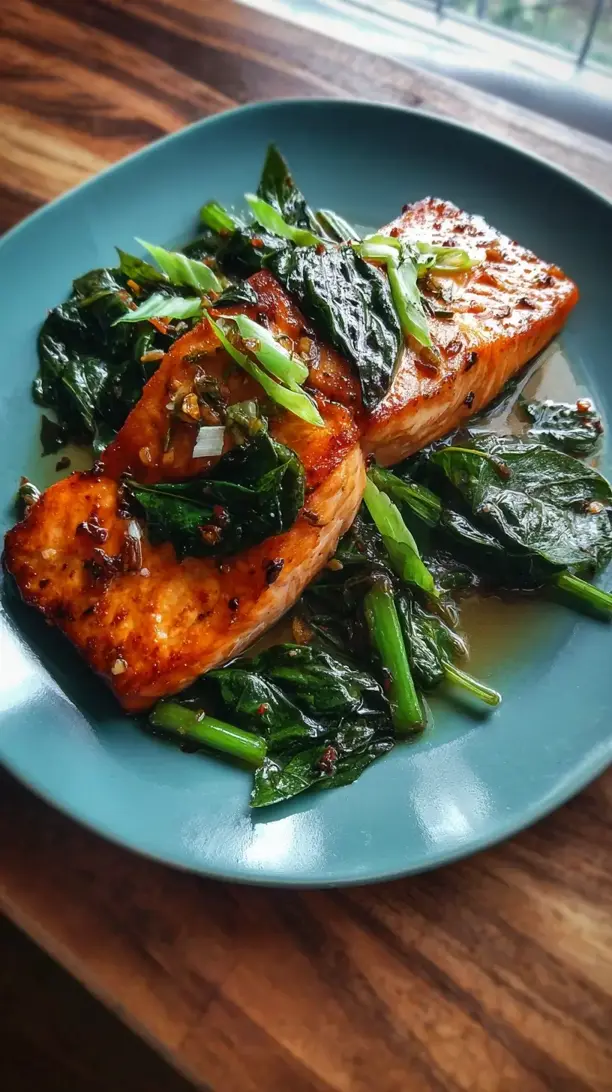
Thai Basil Salmon
Make restaurant-style Thai Basil Salmon at home in just 20 minutes! This easy, healthy recipe is packed with flavor. Get the simple, step-by-step guide now.
Ingredients
For the Ingredients
-
2 salmon fillets (about 150-180 g each, skin on or off)
-
2 tbsp neutral oil (like vegetable or avocado oil)
-
4 cloves garlic (finely minced)
-
1-2 Thai bird's eye chilies (thinly sliced (adjust to your heat preference))
-
1 small red bell pepper (thinly sliced)
-
1 small onion (thinly sliced)
-
2 tbsp oyster sauce
-
1 tbsp soy sauce (or fish sauce for a more traditional flavor)
-
1 tbsp fish sauce
-
1 tsp dark soy sauce (for color, optional)
-
1 tsp coconut sugar or brown sugar
-
1/4 cup chicken or vegetable stock, or water
-
1 large handful fresh Thai holy basil or sweet basil
Instructions
-
Pat the salmon fillets completely dry with paper towels and season both sides lightly with a pinch of salt. In a small bowl, whisk together the oyster sauce, soy sauce, fish sauce, dark soy sauce (if using), sugar, and stock or water until the sugar dissolves.01
-
Heat a large skillet or wok over medium-high heat until it's nice and hot. Add 1 tablespoon of the oil and swirl to coat the pan. Carefully place the salmon fillets in, presentation-side down. Cook for 3-4 minutes without moving them, until a golden-brown crust forms. Flip and cook for another 2-3 minutes on the other side until cooked through but still moist. Remove the salmon to a clean plate.02
-
Reduce the heat to medium and add the remaining tablespoon of oil to the same skillet. Toss in the minced garlic and sliced chilies. Stir-fry for just 30-60 seconds until incredibly fragrant—be careful not to burn them! Add the sliced onion and bell pepper and stir-fry for another 2-3 minutes until they just begin to soften but still have a pleasant crunch.03
-
Pour your pre-mixed sauce into the skillet. It will bubble and sizzle immediately. Let it simmer for about a minute, allowing it to thicken slightly and coat the vegetables. Now, turn off the heat. Stir in the huge handful of fresh basil leaves.04
-
Return the cooked salmon fillets to the skillet, nestling them into the sauce and vegetables. Spoon some of that glorious sauce over the top of the salmon. Let it sit for a minute just to reheat the fish.05