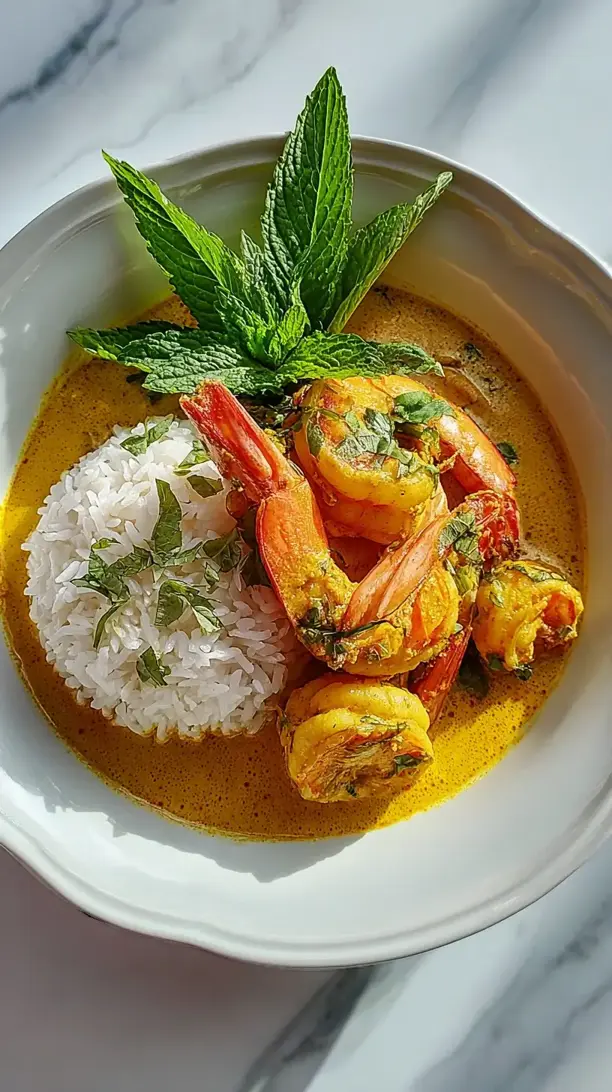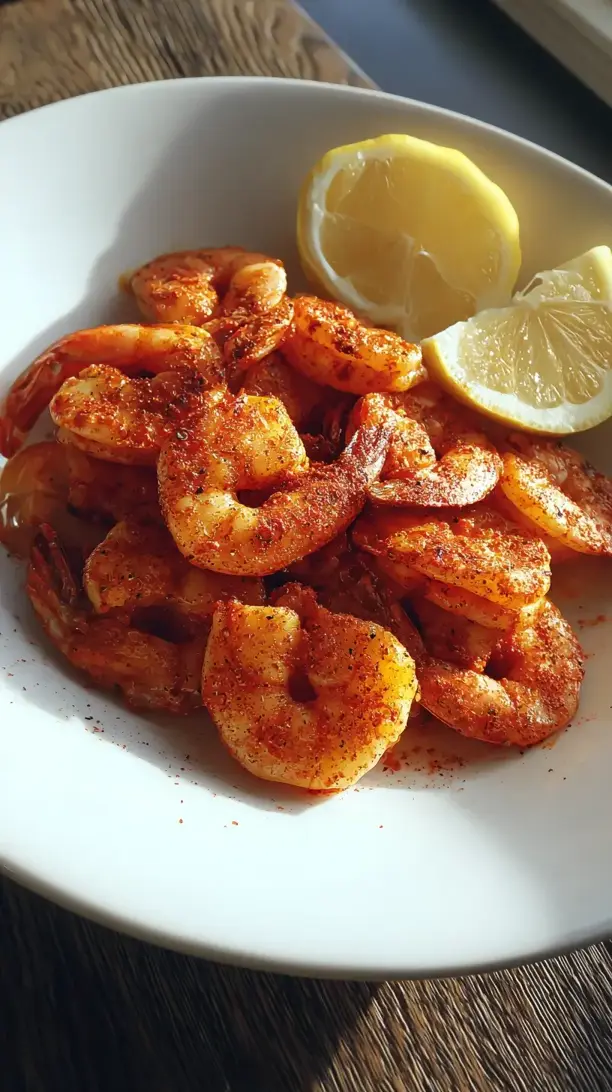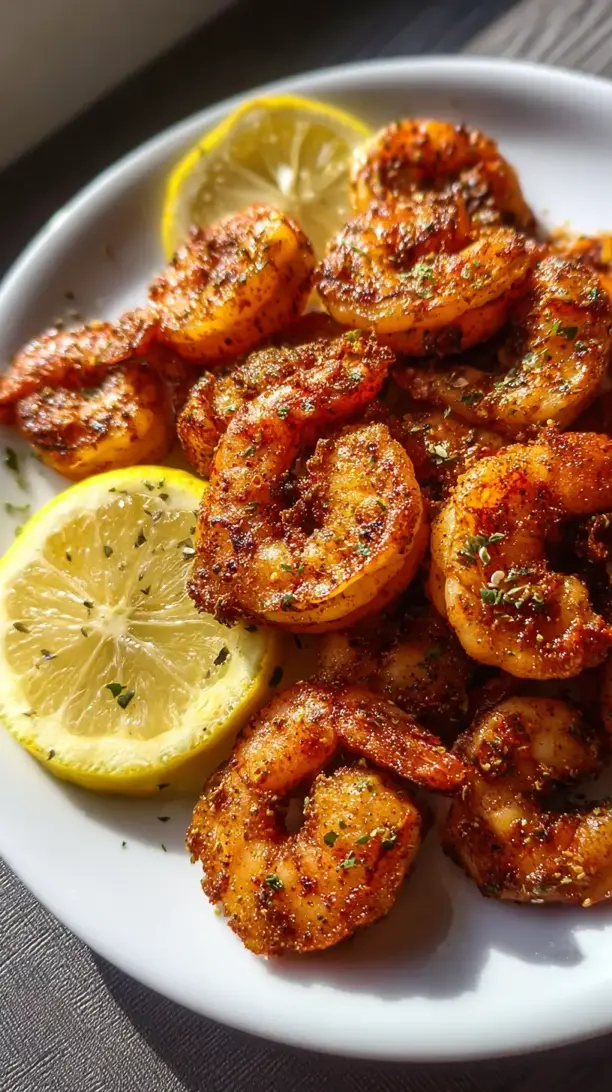

This Teriyaki Shrimp recipe delivers a sweet, savory, and glossy glaze on tender, juicy shrimp in under 20 minutes. It’s a simple yet impressive weeknight meal that feels restaurant-quality. The secret is a quick homemade sauce and a few key techniques for perfect texture every time.
Why You’ll Love This Teriyaki Shrimp
- Fast & easy: Ready in about 15 minutes of active cooking.
- Glossy homemade sauce: Perfect sweet-salty balance that clings beautifully.
- Versatile serving: Great over rice, noodles, or in lettuce wraps.
- Perfect texture: Tender, juicy shrimp with a slight sear.
Ingredients & Tools
- 450 g large raw shrimp, peeled and deveined
- 3 tbsp soy sauce (or tamari for gluten-free)
- 2 tbsp mirin
- 2 tbsp sake (or dry white wine)
- 1 ½ tbsp brown sugar
- 1 tbsp honey
- 2 tsp fresh ginger, grated
- 2 garlic cloves, minced
- 1 tbsp vegetable oil
- 1 tsp cornstarch
- 1 tbsp water
- 1 tbsp sesame seeds, for garnish
- 2 spring onions, thinly sliced, for garnish
Tools: A large skillet or wok, a small bowl for the sauce, and a microplane or fine grater for the ginger.
Notes: Don’t skip the mirin or sake—they add depth and gloss. Fresh ginger and garlic make a big difference.
Nutrition (per serving)
| Calories: | 245 kcal |
| Protein: | 24 g |
| Fat: | 7 g |
| Carbs: | 18 g |
| Fiber: | 0.5 g |
Serves: 3 | Prep Time: 10 minutes | Cook Time: 8 minutes | Total Time: 18 minutes
Before You Start: Tips & Ingredient Notes
- Shrimp size matters. I highly recommend using large (21/25 count) shrimp for this recipe. They’re substantial enough to stand up to the quick, high-heat cooking without overcooking, and they feel more satisfying to eat. If you use smaller shrimp, reduce the cooking time significantly.
- Pat your shrimp DRY. This might be the single most important step for getting a good sear instead of steaming the shrimp. Use paper towels to thoroughly pat the shrimp dry after they’ve been thawed. You’ll be rewarded with a much better texture.
- Don’t skip the cornstarch slurry. This is our magic trick for transforming a thin, watery sauce into a thick, glossy glaze that beautifully coats the shrimp. Just a teaspoon mixed with a tablespoon of water is all you need to achieve that perfect restaurant-style consistency.
- Taste your sauce base. Before you add the cornstarch, take a quick taste of the soy, mirin, and sugar mixture. Want it a little sweeter? Add a touch more honey. Prefer it saltier? A dash more soy sauce. This is your chance to tailor it to your palate.
How to Make Teriyaki Shrimp
Step 1: Start by preparing your shrimp. If they’re frozen, thaw them completely in cold water, then drain. Use a few paper towels to pat the shrimp very dry—this is non-negotiable for a good sear. Season them lightly with a pinch of black pepper. In a small bowl, whisk together the soy sauce, mirin, sake, brown sugar, honey, grated ginger, and minced garlic. This is your teriyaki base. In a separate tiny bowl or cup, make the cornstarch slurry by stirring the cornstarch and water together until completely smooth.
Step 2: Place your large skillet or wok over medium-high heat and let it get properly hot. Add the vegetable oil and swirl it to coat the pan. You’ll know it’s ready when the oil shimmers. Carefully add the dried shrimp in a single layer, giving them plenty of space. Don’t crowd the pan, or they’ll steam instead of sear. Cook for just about 1 minute per side, until they turn pink and opaque with a slight golden tinge. You don’t need to cook them all the way through yet—we’ll finish them in the sauce. Remove the shrimp from the skillet and set them aside on a plate.
Step 3: Reduce the heat to medium. Pour your prepared teriyaki sauce mixture into the hot skillet. It will sizzle and bubble immediately—that’s a good sign! Let it simmer for about 1-2 minutes, stirring occasionally, which allows the alcohol to cook off and the flavors to meld. You’ll notice the sauce will thin out slightly as it heats.
Step 4: Give your cornstarch slurry another quick stir (the starch can settle) and then drizzle it into the simmering sauce while stirring constantly. Almost instantly, you’ll see the sauce begin to thicken and become glossy. Keep stirring for another 30-60 seconds until the sauce has the consistency of a thin syrup that nicely coats the back of a spoon.
Step 5: Now, return the cooked shrimp to the skillet, along with any juices that have accumulated on the plate. Toss everything together gently but thoroughly to coat every single shrimp in that gorgeous, sticky glaze. Let it cook for just another 30-60 seconds to reheat the shrimp and let them soak up some of the sauce. Be careful not to overcook at this stage.
Step 6: Immediately remove the skillet from the heat. Sprinkle generously with the sliced spring onions and sesame seeds for a fresh, colorful finish and a bit of nutty crunch. Your teriyaki shrimp is now ready to be devoured. Serve it right away while it’s hot and the glaze is perfectly glossy.
Storage & Freshness Guide
- Fridge: Store in an airtight container for up to 2 days.
- Freezer: Freeze for up to 1 month; thaw in fridge before reheating.
- Reviving: Reheat gently in a skillet with a splash of water to refresh the glaze.
Serving Suggestions
Complementary Dishes
- Steamed Jasmine Rice — The classic, fluffy base that soaks up the extra teriyaki sauce beautifully, making sure you get every last drop.
- Simple Stir-Fried Vegetables — A quick medley of broccoli, bell peppers, and snap peas adds color, crunch, and makes it a complete, balanced meal.
- Crispy Vegetable Spring Rolls — They add a wonderful contrasting texture and make the whole dinner feel like a special occasion from your favorite Asian restaurant.
Drinks
- Iced Green Tea — Its light, slightly bitter notes cleanse the palate and cut through the richness of the sweet and savory glaze perfectly.
- A Crisp Lager or Pilsner — The carbonation and mild hop bitterness are a fantastic foil for the shrimp’s sticky-sweet flavor profile.
- Gewürztraminer or an Off-Dry Riesling — A slightly sweet white wine with floral notes that harmonizes amazingly well with the ginger and soy in the dish.
Something Sweet
- Mochi Ice Cream — The chewy, sweet outer layer and cold, creamy center provide a delightful and light finish that feels authentically Japanese.
- Fresh Orange Slices with a Sprinkle of Cinnamon — Surprisingly refreshing and simple, the citrus is a bright, clean way to end the meal.
- Dorayaki (Red Bean Pancakes) — If you want to go all out, these sweet, pancake-like sandwiches with azuki bean paste are a traditional and utterly delicious treat.
Top Mistakes to Avoid
- Overcooking the shrimp. Shrimp cook in a flash and become tough and rubbery if left on the heat for too long. The moment they curl into a “C” shape and turn opaque, they’re done. Remember, we finish them in the sauce, so it’s better to slightly undercook them initially.
- Adding the cornstarch directly to the sauce. If you sprinkle cornstarch straight into the hot liquid, it will instantly form unappetizing lumps. Always mix it with a cold liquid like water first to create a smooth slurry before incorporating it.
- Crowding the pan when searing. If you dump all the shrimp in at once, the pan temperature plummets and they release their moisture, leading to steamed, pale shrimp. Cook in batches if necessary to ensure each one gets proper contact with the hot surface.
- Using pre-cooked shrimp. This is a common pitfall! Pre-cooked shrimp only need to be warmed through, and if you try to simmer them in the sauce, they will almost certainly become overcooked and chewy. Always start with raw shrimp for the best texture.
Expert Tips
- Tip: For an extra layer of flavor, marinate your raw shrimp in a tablespoon of the teriyaki sauce (before adding the cornstarch) for 15-20 minutes in the fridge. This infuses them with flavor from the inside out, but don’t marinate for longer than 30 minutes as the salt in the soy sauce can start to “cook” the shrimp.
- Tip: If your sauce thickens a bit too much before you add the shrimp back in, don’t panic! Just add a tablespoon of warm water and stir it in. This will thin it back out to a perfect, pourable consistency.
- Tip: For a beautiful caramelized finish, you can pop the skillet under a preheated broiler for the final minute. Keep a very close eye on it, but this can give the top a lovely, slightly charred edge that adds incredible depth.
- Tip: To make this a one-pan meal, after you remove the seared shrimp, quickly stir-fry some chopped vegetables like broccoli or bell peppers in the same pan. Remove them, make the sauce as directed, and then add both the veggies and shrimp back at the end to heat through.
FAQs
Can I make this teriyaki shrimp ahead of time?
You can prep the components ahead to save time. The sauce can be mixed (without the cornstarch) and stored in the fridge for up to 3 days. The shrimp can be peeled and deveined a day in advance. However, for the best texture, I highly recommend cooking it fresh and serving immediately. Reheated shrimp can often become rubbery, so it’s truly a dish best enjoyed right out of the pan.
What can I use if I don’t have mirin or sake?
No problem! For the mirin, you can use a half-and-half mix of rice vinegar and a bit of extra sugar or honey to mimic its sweet-and-sour profile. For the sake, a dry white wine is a great substitute, or you can even use a little chicken broth with a tiny squeeze of lemon juice. The flavor will be slightly different, but it will still be delicious.
How do I know when the shrimp are cooked perfectly?
Look for both color and shape. Raw shrimp are gray and translucent. Cooked shrimp are pink and opaque. They also curl as they cook. You’re aiming for a loose “C” shape, not a tight “O”. A tight “O” is a classic sign of overcooking. They should feel firm but still springy to the touch.
Is there a way to make this recipe spicier?
Absolutely! For a gentle heat, add a teaspoon of Sriracha or a pinch of red pepper flakes to the sauce mixture. If you love spice, add a finely chopped fresh red chili or a spoonful of chili-garlic paste when you’re cooking the garlic and ginger. You can also serve it with a side of spicy mayo for dipping.
Can I use chicken or tofu instead of shrimp?
Definitely! For chicken, use bite-sized pieces of boneless, skinless chicken breast or thigh and cook until no longer pink in the center before proceeding with the sauce. For tofu, use extra-firm tofu, press it to remove water, cube it, and pan-fry until golden and crisp before adding the sauce. The cooking times will vary, but the sauce method remains the same.

Teriyaki Shrimp
Make easy Teriyaki Shrimp with a glossy homemade sauce in just 20 minutes. Perfect for a quick weeknight dinner. Get the simple recipe here!
Ingredients
For the Teriyaki Shrimp:
-
450 g large raw shrimp (peeled and deveined)
-
3 tbsp soy sauce (or tamari for gluten-free)
-
2 tbsp mirin
-
2 tbsp sake (or dry white wine)
-
1 ½ tbsp brown sugar
-
1 tbsp honey
-
2 tsp fresh ginger (grated)
-
2 cloves garlic (minced)
-
1 tbsp vegetable oil
-
1 tsp cornstarch
-
1 tbsp water
-
1 tbsp sesame seeds (for garnish)
-
2 spring onions (thinly sliced, for garnish)
Instructions
-
Start by preparing your shrimp. If they’re frozen, thaw them completely in cold water, then drain. Use a few paper towels to pat the shrimp very dry—this is non-negotiable for a good sear. Season them lightly with a pinch of black pepper. In a small bowl, whisk together the soy sauce, mirin, sake, brown sugar, honey, grated ginger, and minced garlic. This is your teriyaki base. In a separate tiny bowl or cup, make the cornstarch slurry by stirring the cornstarch and water together until completely smooth.01
-
Place your large skillet or wok over medium-high heat and let it get properly hot. Add the vegetable oil and swirl it to coat the pan. You’ll know it's ready when the oil shimmers. Carefully add the dried shrimp in a single layer, giving them plenty of space. Don’t crowd the pan, or they’ll steam instead of sear. Cook for just about 1 minute per side, until they turn pink and opaque with a slight golden tinge. You don’t need to cook them all the way through yet—we’ll finish them in the sauce. Remove the shrimp from the skillet and set them aside on a plate.02
-
Reduce the heat to medium. Pour your prepared teriyaki sauce mixture into the hot skillet. It will sizzle and bubble immediately—that’s a good sign! Let it simmer for about 1-2 minutes, stirring occasionally, which allows the alcohol to cook off and the flavors to meld. You’ll notice the sauce will thin out slightly as it heats.03
-
Give your cornstarch slurry another quick stir (the starch can settle) and then drizzle it into the simmering sauce while stirring constantly. Almost instantly, you’ll see the sauce begin to thicken and become glossy. Keep stirring for another 30-60 seconds until the sauce has the consistency of a thin syrup that nicely coats the back of a spoon.04
-
Now, return the cooked shrimp to the skillet, along with any juices that have accumulated on the plate. Toss everything together gently but thoroughly to coat every single shrimp in that gorgeous, sticky glaze. Let it cook for just another 30-60 seconds to reheat the shrimp and let them soak up some of the sauce. Be careful not to overcook at this stage.05
-
Immediately remove the skillet from the heat. Sprinkle generously with the sliced spring onions and sesame seeds for a fresh, colorful finish and a bit of nutty crunch. Your teriyaki shrimp is now ready to be devoured. Serve it right away while it’s hot and the glaze is perfectly glossy.06