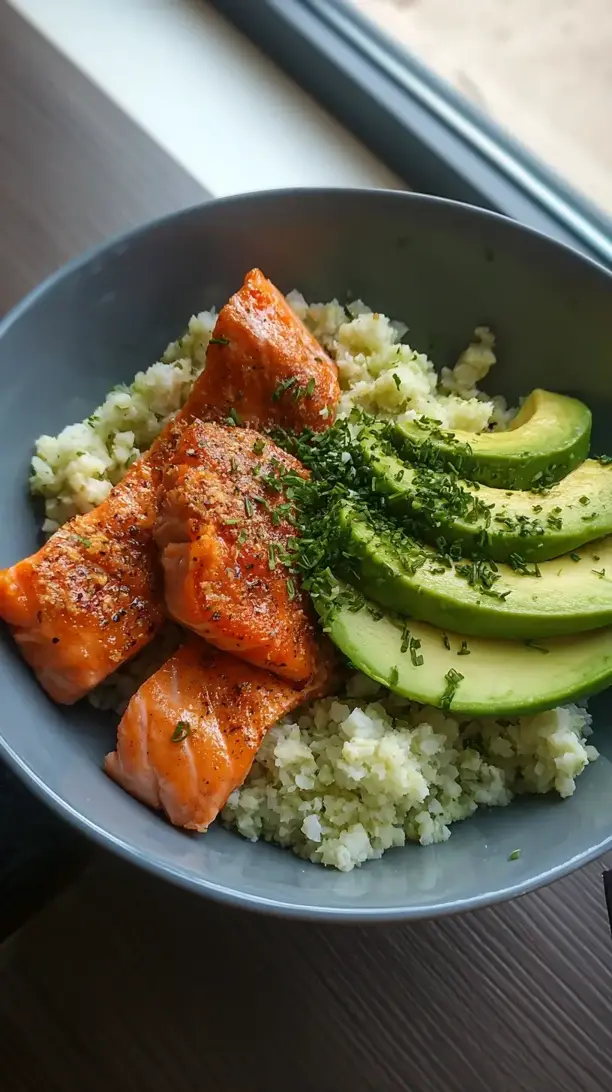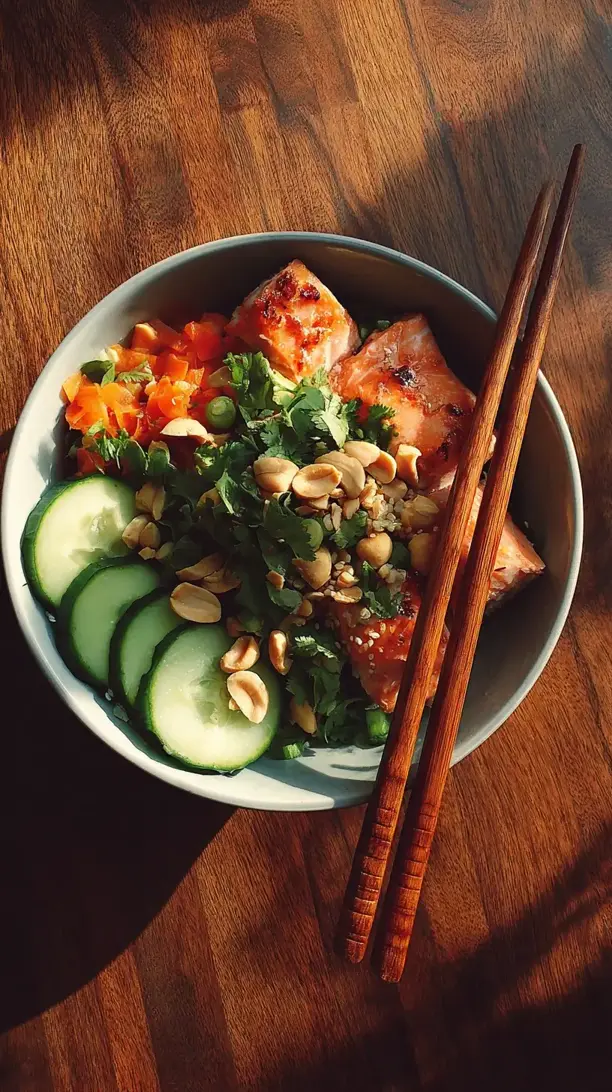

These Teriyaki Salmon Bowls deliver a nourishing, deeply flavorful meal that feels restaurant-worthy but is easy to make at home. Perfectly cooked salmon with a glossy sweet-savory glaze is served over fluffy rice with crisp vegetables for a balanced, satisfying dish. This recipe is adaptable, reliable, and perfect for a cozy weeknight dinner or meal prep.
Why You’ll Love This Teriyaki Salmon Bowls
- Complete meal: Protein, carbs, and veggies come together in one bowl.
- Versatile homemade glaze: Easy sauce from pantry staples you can use on everything.
- Perfect for meal prep: Components hold up beautifully for quick lunches.
- Addictive flavor profile: Sweet, salty, and savory glaze pairs perfectly with rich salmon and fresh toppings.
Ingredients & Tools
- 2 salmon fillets (about 150-180 g each), skin-on or skinless
- 60 ml soy sauce (use reduced-sodium if preferred)
- 2 tbsp mirin
- 1 tbsp rice vinegar
- 2 tbsp brown sugar
- 1 tsp freshly grated ginger
- 1 large garlic clove, minced
- 1 tsp cornstarch
- 1 tbsp water
- 200 g jasmine or sushi rice, uncooked
- 1 large carrot, julienned or grated
- 1 small cucumber, thinly sliced
- 2 spring onions, thinly sliced
- 1 tbsp sesame seeds, for garnish
- 1 tbsp vegetable or avocado oil
Tools: A medium saucepan, a small bowl for mixing, a whisk, a large non-stick skillet or frying pan, a fine grater or microplane for the ginger, and a sharp knife.
Notes: Using good-quality soy sauce and fresh ginger makes a difference. Don’t skip the cornstarch—it’s key for a thick, glossy sauce.
Nutrition (per serving)
| Calories: | 580 kcal |
| Protein: | 35 g |
| Fat: | 18 g |
| Carbs: | 65 g |
| Fiber: | 3 g |
Serves: 2 | Prep Time: 15 minutes | Cook Time: 20 minutes | Total Time: 35 minutes
Before You Start: Tips & Ingredient Notes
- Pat your salmon dry. This is a small step with a huge impact. A dry surface ensures a beautiful sear and helps the glaze stick properly instead of sliding off.
- What if I don’t have mirin? No worries! You can use a dry sherry or even a little extra rice vinegar with a tiny pinch of sugar to mimic its sweet-tangy profile. The recipe is quite forgiving.
- Fresh ginger is non-negotiable. The jarred stuff just doesn’t provide the same bright, zingy punch. A microplane grater makes it super easy to get that fine, potent paste.
- Get your veggies prepped first. Since the salmon and rice cook relatively quickly, having your carrots, cucumber, and spring onions ready to go makes the final assembly smooth and stress-free.
How to Make Teriyaki Salmon Bowls
Step 1: Start by cooking your rice according to the package instructions. While it’s cooking, you can multitask and get everything else ready. Fluff the finished rice with a fork and let it sit with the lid on to stay warm and fluffy.
Step 2: Now, let’s make the teriyaki glaze. In your small saucepan, combine the soy sauce, mirin, rice vinegar, brown sugar, grated ginger, and minced garlic. Whisk it all together and bring it to a gentle simmer over medium heat. You’ll notice the sugar will dissolve and the aroma will become incredibly fragrant.
Step 3: In a separate small bowl, make a slurry by mixing the cornstarch with the one tablespoon of water until it’s completely smooth with no lumps. While whisking the simmering sauce continuously, slowly drizzle in the cornstarch slurry. Keep whisking for about a minute—the sauce will transform from thin and watery to beautifully thick and glossy. Remove it from the heat and set it aside.
Step 4: Time to cook the salmon. Pat the fillets completely dry with a paper towel and season both sides lightly with a pinch of salt. Heat the oil in your large non-stick skillet over medium-high heat. Once the oil is shimmering, carefully place the salmon in the pan, presentation-side down. Cook for 4-5 minutes, without moving it, until a golden-brown crust forms.
Step 5: Flip the salmon fillets over. Reduce the heat to medium-low and cook for another 2-3 minutes for medium, or until it’s cooked to your liking. For the final minute, you can spoon a few tablespoons of the teriyaki glaze over the top of each fillet, letting it bubble and caramelize slightly.
Step 6: It’s assembly time! Divide the fluffy rice between two bowls. Flake the cooked teriyaki salmon over the rice. Arrange your fresh carrot, cucumber, and spring onions around the edges. Drizzle everything generously with the remaining teriyaki sauce from the pan and the extra you made. Finish with a sprinkle of sesame seeds for that final touch.
Storage & Freshness Guide
- Fridge: Store components separately in airtight containers for up to 3 days.
- Freezer: Freeze cooked salmon and sauce for up to 1 month; rice and fresh veggies don’t freeze well.
- Reviving: Gently reheat salmon in a skillet over low heat; enjoy rice and veggies cold or at room temperature.
Serving Suggestions
Complementary Dishes
- A simple side of steamed edamame — The slight saltiness and satisfying pop of the edamame beans are a fantastic, easy starter that complements the bowl without overpowering it.
- A crisp, refreshing wakame seaweed salad — Its tangy, sesame-flavored profile adds another layer of texture and umami that makes the whole meal feel even more special.
- Quick-pickled radishes or red onion — A little acidity and crunch from a quick pickle can cut through the richness of the salmon and sauce beautifully, balancing every bite.
Drinks
- A cold, crisp lager or Japanese beer — The clean, effervescent quality of a lager is the classic pairing for a reason; it cleanses the palate and highlights the savory notes.
- Iced green tea with a hint of lemon — This is a wonderful non-alcoholic option that echoes the Japanese flavors in the dish and feels incredibly refreshing.
- A dry or off-dry Riesling — The slight sweetness and high acidity in the wine will mirror the sweet-and-savory dynamic of the teriyaki glaze perfectly.
Something Sweet
- Matcha ice cream or mochi — The gentle, earthy bitterness of matcha is a sublime follow-up to the sweet and salty main, offering a cool, creamy finish.
- A plate of fresh, juicy mango slices — Sometimes simple is best. The tropical sweetness of mango feels light and provides a lovely, clean end to the meal.
- Dorayaki (red bean pancake) — If you want to go all out, these sweet, pancake-like sandwiches with a red bean paste filling are a traditional and delightful treat.
Top Mistakes to Avoid
- Mistake: Adding the cornstarch directly to the hot sauce. This will almost guaranteed create lumps that you can’t whisk out. Always make a cold slurry first for a perfectly smooth glaze.
- Mistake: Moving the salmon around in the pan right after you put it in. You need to leave it alone to let that gorgeous, crispy crust form. If you try to peek or shift it too early, the skin will tear and it won’t get that beautiful sear.
- Mistake: Overcooking the salmon. Salmon continues to cook after you take it out of the pan (carryover cooking). It’s better to pull it off the heat when it’s still a touch translucent in the very center for the most tender, moist result.
- Mistake: Using old, clumpy brown sugar. If your brown sugar has hardened, your sauce won’t sweeten evenly. Make sure it’s soft and fresh, or give it a quick blitz in a food processor to break it up.
Expert Tips
- Tip: Let the salmon come to room temperature. Taking the chill off the fillets for 10-15 minutes before cooking helps them cook more evenly from edge to center, preventing a overcooked outside and a cold, raw inside.
- Tip: Double the sauce recipe. Seriously, do it. This teriyaki glaze is so good you’ll want extra to drizzle over your rice and veggies. It keeps well in a jar in the fridge for up to a week.
- Tip: Get creative with your bowl toppings. Feel free to add quick-pickled ginger, sliced avocado, shredded nori, or even a soft-boiled egg. Bowls are all about customization, so make it your own!
- Tip: Use the residual heat in your pan. After you’ve removed the salmon, you can pour in a little extra sauce and let it bubble and thicken further with the pan’s remaining heat, scraping up any delicious browned bits from the salmon.
FAQs
Can I use a different type of fish?
Absolutely! This method works wonderfully with firm white fish like cod or halibut. Just be mindful that cooking times may vary slightly depending on the thickness of the fillet. The key is to adjust the heat so the glaze doesn’t burn before the fish is cooked through. Tuna steaks would also be fantastic for a richer option.
How do I store and reheat leftovers?
Store the components separately in airtight containers in the fridge for up to 3 days. To reheat, gently warm the salmon in a skillet over low heat or in the microwave at a reduced power to prevent it from becoming rubbery. The rice and veggies are best enjoyed cold or at room temperature to maintain their texture.
Is there a gluten-free version?
Yes, easily! Simply ensure you use tamari or a certified gluten-free soy sauce instead of regular soy sauce. All the other core ingredients—mirin, rice vinegar, etc.—are naturally gluten-free, but always double-check the labels on packaged products to be safe.
My sauce is too thin. How can I thicken it?
No problem! Just mix another half teaspoon of cornstarch with a little cold water to make another slurry. Bring your sauce back to a simmer and whisk in the new slurry. It should thicken up within a minute. Remember, it will also thicken slightly as it cools.
Can I make this sauce ahead of time?
You sure can. The teriyaki sauce can be made up to 5 days in advance and stored in a jar in the refrigerator. It will thicken when cold, so just give it a gentle reheat in a saucepan or the microwave, adding a tiny splash of water if needed to loosen it up.
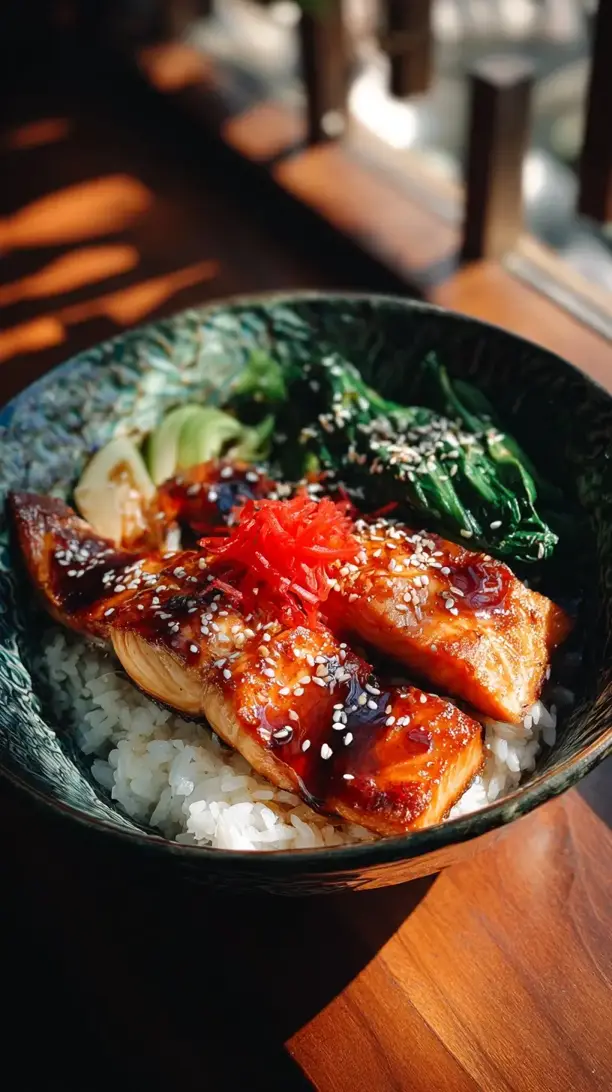
Teriyaki Salmon Bowls
Learn how to make delicious Teriyaki Salmon Bowls at home. This easy recipe features perfectly glazed salmon, fluffy rice, and fresh veggies. Get the full recipe now!
Ingredients
For the salmon and sauce:
-
2 salmon fillets (about 150-180 g each, skin-on or skinless)
-
60 ml soy sauce (use reduced-sodium if preferred)
-
2 tbsp mirin
-
1 tbsp rice vinegar
-
2 tbsp brown sugar
-
1 tsp freshly grated ginger
-
1 large clove garlic (minced)
-
1 tsp cornstarch
-
1 tbsp water
-
1 tbsp vegetable or avocado oil
For the rice and toppings:
-
200 g jasmine or sushi rice (uncooked)
-
1 large carrot (julienned or grated)
-
1 small cucumber (thinly sliced)
-
2 spring onions (thinly sliced)
-
1 tbsp sesame seeds (for garnish)
Instructions
-
Start by cooking your rice according to the package instructions. While it’s cooking, you can multitask and get everything else ready. Fluff the finished rice with a fork and let it sit with the lid on to stay warm and fluffy.01
-
Now, let’s make the teriyaki glaze. In your small saucepan, combine the soy sauce, mirin, rice vinegar, brown sugar, grated ginger, and minced garlic. Whisk it all together and bring it to a gentle simmer over medium heat. You’ll notice the sugar will dissolve and the aroma will become incredibly fragrant.02
-
In a separate small bowl, make a slurry by mixing the cornstarch with the one tablespoon of water until it’s completely smooth with no lumps. While whisking the simmering sauce continuously, slowly drizzle in the cornstarch slurry. Keep whisking for about a minute—the sauce will transform from thin and watery to beautifully thick and glossy. Remove it from the heat and set it aside.03
-
Time to cook the salmon. Pat the fillets completely dry with a paper towel and season both sides lightly with a pinch of salt. Heat the oil in your large non-stick skillet over medium-high heat. Once the oil is shimmering, carefully place the salmon in the pan, presentation-side down. Cook for 4-5 minutes, without moving it, until a golden-brown crust forms.04
-
Flip the salmon fillets over. Reduce the heat to medium-low and cook for another 2-3 minutes for medium, or until it’s cooked to your liking. For the final minute, you can spoon a few tablespoons of the teriyaki glaze over the top of each fillet, letting it bubble and caramelize slightly.05
-
It’s assembly time! Divide the fluffy rice between two bowls. Flake the cooked teriyaki salmon over the rice. Arrange your fresh carrot, cucumber, and spring onions around the edges. Drizzle everything generously with the remaining teriyaki sauce from the pan and the extra you made. Finish with a sprinkle of sesame seeds for that final touch.06