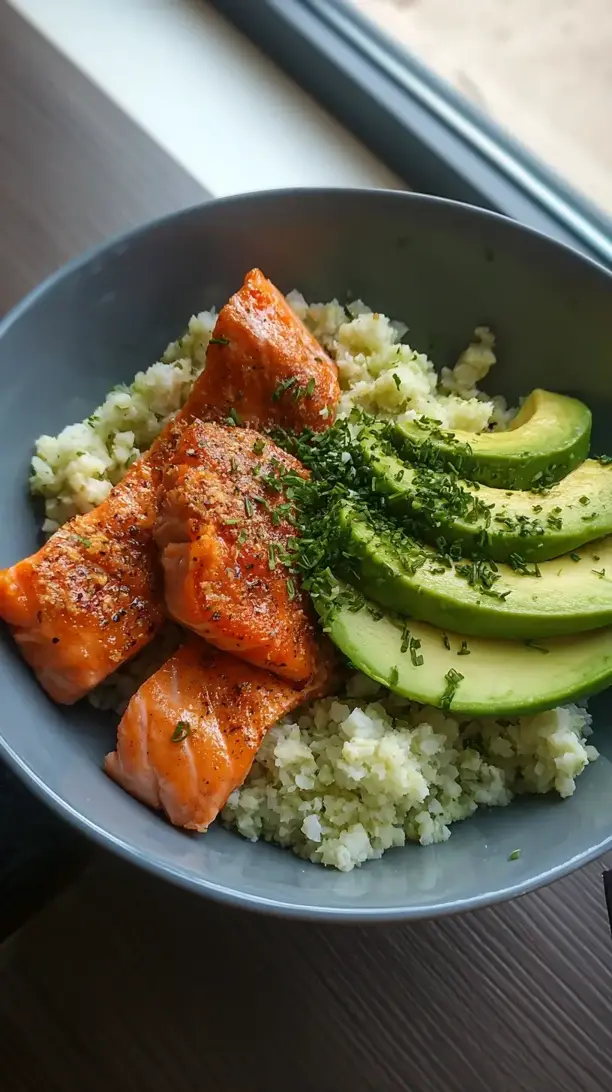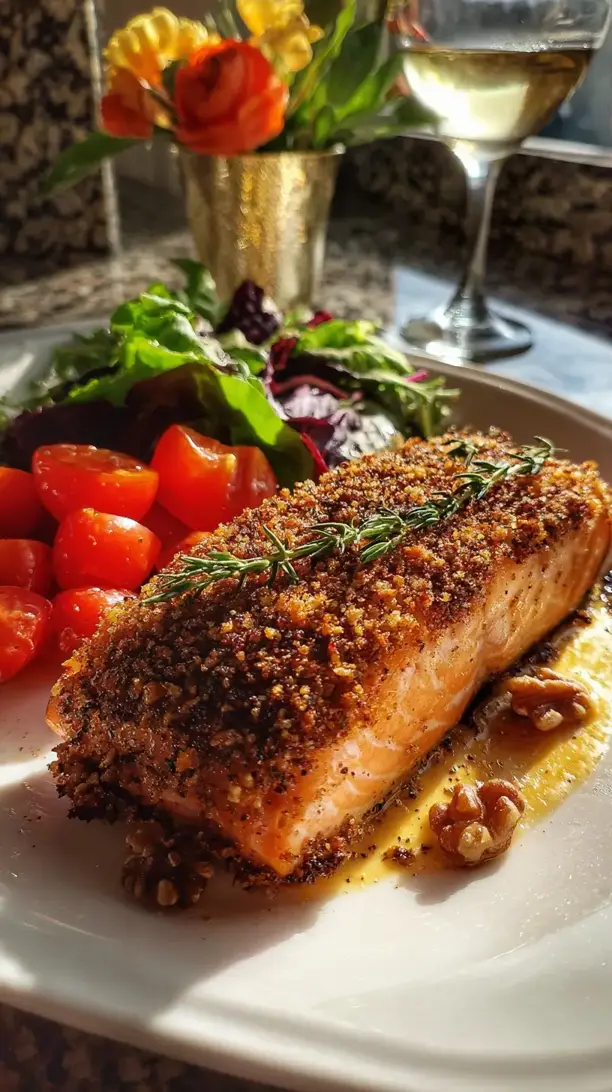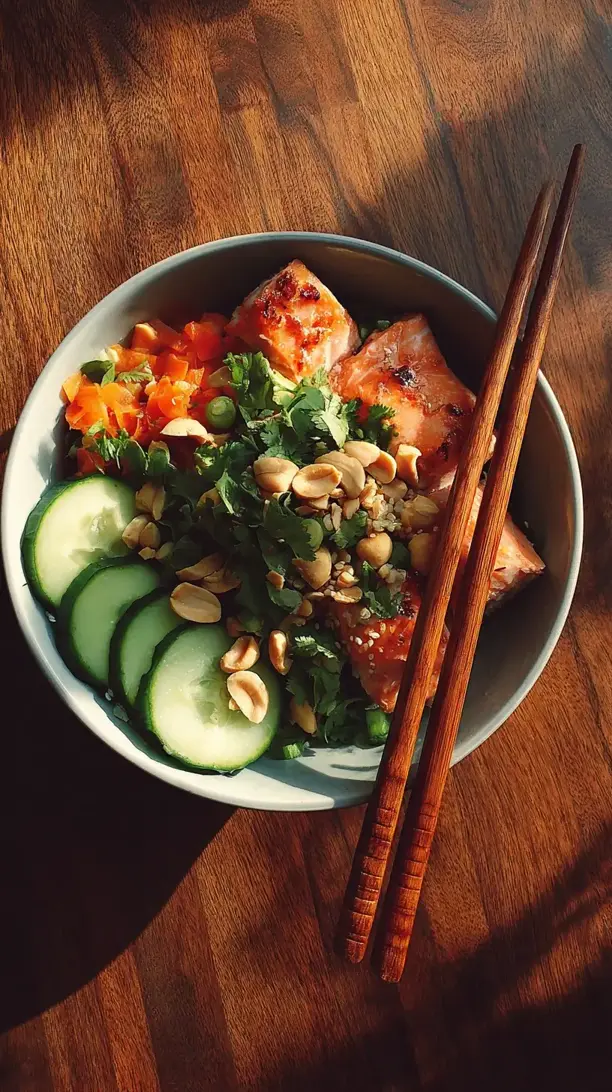

This Teriyaki Glazed Salmon delivers a glossy, sweet-savory glaze over perfectly cooked fish in under 30 minutes. The homemade sauce achieves a syrupy consistency that clings to the salmon without burning. It’s a restaurant-quality meal using mostly pantry staples.
Why You’ll Love This Teriyaki Glazed Salmon
- Deceptively simple: Easy process with impressive, pro-level results.
- Next-level glaze: Homemade balance reduces to a sticky, glossy coating.
- Incredibly versatile: Perfect over rice, in salads, or stuffed into tacos.
- Perfect texture: Crispy, caramelized top with a tender, flaky interior.
Ingredients & Tools
- 4 salmon fillets (about 150-180 g each), skin on or off
- 2 tbsp neutral oil (like avocado or grapeseed)
- 1/2 tsp fine sea salt
- 1/4 tsp freshly ground black pepper
- 1/4 cup soy sauce (or tamari for gluten-free)
- 1/4 cup mirin
- 2 tbsp sake or dry white wine
- 2 tbsp brown sugar
- 1 tbsp honey
- 2 cloves garlic, minced
- 1 tsp fresh ginger, grated
- 1 tbsp cornstarch
- 1 tbsp cold water
- 1 tsp sesame seeds
- 1 spring onion, thinly sliced
Tools: A large, oven-safe skillet is key here, along with a small whisk for the glaze.
Notes: Don’t skip the mirin and sake if you can help it—they add a subtle complexity. Fresh ginger and garlic make a world of difference in aroma and depth.
Nutrition (per serving)
| Calories: | 385 kcal |
| Protein: | 35 g |
| Fat: | 18 g |
| Carbs: | 18 g |
| Fiber: | 0.5 g |
Serves: 4 | Prep Time: 10 minutes | Cook Time: 15 minutes | Total Time: 25 minutes
Before You Start: Tips & Ingredient Notes
- Get your salmon to room temperature. Taking the fillets out of the fridge 15-20 minutes before cooking helps them cook more evenly, preventing a cold center and an overcooked exterior.
- Pat that fish dry! This is the single most important step for getting a beautiful sear. Use paper towels to thoroughly dry the surface of each fillet before you season it.
- What if I don’t have mirin or sake? No panic! For mirin, you can use a mix of 2 tbsp white wine vinegar and 2 tsp sugar. For sake, a dry white wine works beautifully, or you can just use a little extra chicken broth.
- Why cornstarch? It’s our secret weapon for a thick, glossy glaze that clings to the salmon instead of sliding off. Just make sure to make a slurry with cold water first to avoid lumps.
- Choose your salmon wisely. Look for fillets that are of even thickness for consistent cooking. If you can find center-cut fillets, they’re often your best bet.
How to Make Teriyaki Glazed Salmon
Step 1: Prep the Salmon and Make the Glaze Base. Start by patting your salmon fillets completely dry with paper towels. This is non-negotiable for a good sear! Season them generously on all sides with the salt and pepper. Now, in a small bowl, whisk together the soy sauce, mirin, sake, brown sugar, honey, minced garlic, and grated ginger. Give it a taste—you should get a hit of salty, sweet, and umami all at once.
Step 2: Sear the Salmon. Place your large oven-safe skillet over medium-high heat and add the oil. Once the oil is shimmering hot, carefully place the salmon fillets in the pan, presentation-side down. You should hear a satisfying sizzle. Resist the urge to move them! Let them cook for 3-4 minutes, until a beautiful golden-brown crust has formed. You can peek by gently lifting a corner.
Step 3: Flip and Start the Glaze. Carefully flip the salmon fillets. They should release easily from the pan if a good crust has formed. Reduce the heat to medium. Pour your prepared teriyaki sauce mixture into the pan around the salmon, not directly on top. It will bubble up enthusiastically. Let it simmer for about 2 minutes, allowing the salmon to cook through from the sides and the sauce to reduce slightly.
Step 4: Thicken the Glaze. In a tiny separate bowl, make a cornstarch slurry by mixing the 1 tbsp of cornstarch with 1 tbsp of cold water until it’s completely smooth. While the sauce is still bubbling, slowly drizzle this slurry into the pan, whisking constantly. You’ll notice the sauce transform almost immediately, becoming thicker and glossier. Continue to cook for another minute, gently spooning the thickened glaze over the salmon fillets.
Step 5: Final Glaze and Rest. Keep basting the salmon with the luxurious glaze for another minute or two. The salmon is done when it flakes easily with a fork and the internal temperature reaches about 52°C (125°F) for medium—it will carry over to a perfect 57°C (135°F). Be careful not to overcook it! Remove the pan from the heat. Let the salmon rest in the pan for a couple of minutes; this allows the juices to redistribute.
Step 6: Serve Immediately. Transfer the beautiful, glazed salmon fillets to serving plates. Spoon any extra glaze from the pan over the top. Finish with a generous sprinkle of sesame seeds and the sliced spring onion for a fresh, colorful pop. Serve it right away while it’s hot and the glaze is perfectly sticky.
Storage & Freshness Guide
- Fridge: Store leftovers in an airtight container for up to 2 days.
- Freezer: Not recommended; glaze may separate and texture can suffer.
- Reviving: Reheat gently in a covered oven-safe dish with a splash of water at 300°F for 10 minutes.
Serving Suggestions
Complementary Dishes
- Steamed Japanese short-grain rice — The ultimate companion; its sticky texture is perfect for soaking up every last drop of that incredible teriyaki glaze.
- A simple cucumber sesame salad — Its cool, crisp, and slightly tangy profile provides a refreshing contrast to the rich, savory salmon.
- Stir-fried bok choy or broccoli — A quick veggie side that you can even cook in the same pan after the salmon is done to pick up all the delicious leftover flavors.
Drinks
- A crisp, dry Riesling — Its slight sweetness and high acidity cut through the richness of the glaze and cleanse the palate beautifully between bites.
- Jasmine green tea — A warm, fragrant cup of tea complements the umami notes in the dish without overpowering them, creating a very soothing meal experience.
- A light Japanese lager — The crisp, clean bubbles are fantastic for balancing the sweet and salty elements, making each bite of salmon taste like the first.
Something Sweet
- Matcha ice cream — The slightly bitter, earthy notes of matcha are a sublime follow-up to the sweet and salty main course, feeling both light and indulgent.
- Mochi — These soft, chewy, sweet rice cakes, especially ones with red bean or strawberry filling, offer a delightful and authentic textural end to the meal.
- A simple fruit platter with mango and lychee — Fresh, juicy, and naturally sweet, it’s a light and refreshing way to finish that feels in keeping with the theme.
Top Mistakes to Avoid
- Mistake: Adding the glaze too early. If you pour the sugary teriyaki sauce over the salmon at the start, it will burn long before the fish is cooked through, giving you a bitter, blackened mess. We add it after searing.
- Mistake: Moving the salmon too soon. Let it develop that crust! If you try to flip it before it’s ready, the skin (or flesh) will tear and stick to the pan. Wait for that audible sizzle to subside and a golden edge to form.
- Mistake: Overcooking the salmon. Salmon continues to cook after it comes off the heat (carry-over cooking). Taking it out when it’s just slightly under your desired doneness is the key to a moist, not dry, result.
- Mistake: Adding cornstarch directly to the hot sauce. This will instantly create unappetizing lumps. Always, always make a slurry with cold water first for a perfectly smooth glaze.
Expert Tips
- Tip: Use the back of a spoon to check for doneness. Gently press the top of the salmon fillet. If it feels firm and springs back slightly, it’s done. If it feels soft and squishy, it needs more time. This is often faster than using a thermometer.
- Tip: Double the glaze. Seriously, do it. This teriyaki sauce is so good you’ll want extra to drizzle over your rice and veggies. Just use a slightly larger saucepan to reduce it in.
- Tip: Finish with a squeeze of citrus. A tiny squeeze of fresh lime or lemon juice right at the end, just before serving, can brighten up all the flavors and cut through the sweetness in a really lovely way.
- Tip: Get creative with leftovers. Flake any leftover cold salmon over a bed of greens for a killer salad, or mix it with a little mayo and Sriracha for an incredible salmon salad sandwich filling.
FAQs
Can I make this teriyaki glaze ahead of time?
Absolutely! You can whisk the sauce (soy, mirin, sake, sugar, honey, garlic, ginger) together and store it in a jar in the fridge for up to a week. When you’re ready to cook, just give it a shake, proceed with the recipe, and add the cornstarch slurry at the end as directed. It’s a fantastic meal-prep shortcut.
My glaze is too thick/too thin. How can I fix it?
If it’s too thick, simply whisk in a tablespoon of warm water at a time until it reaches a pourable, syrupy consistency. If it’s too thin, let it simmer for another minute or two to reduce further. If it’s still not thickening, make another tiny half-batch of cornstarch slurry and whisk it in.
Can I use frozen salmon for this recipe?
You can, but you must thaw it completely in the refrigerator first. Pat it extra, extra dry, as frozen fish releases more moisture. Cooking it from frozen will steam the fish and prevent that beautiful sear we’re after.
Is there a good substitute for the honey?
For sure! Maple syrup is a wonderful one-to-one substitute and adds a lovely, subtle depth. Agave nectar would also work well. If you don’t have any liquid sweetener, you can use an additional tablespoon of brown sugar, just be aware it might take a moment longer to dissolve.
How should I store and reheat leftovers?
Store any leftover salmon in an airtight container in the fridge for up to 2 days. To reheat, place it in a covered oven-safe dish with a splash of water and warm it at a low temperature (around 150°C / 300°F) for about 10 minutes. Avoid the microwave, as it can make the fish rubbery.

Teriyaki Glazed Salmon
Make perfect Teriyaki Glazed Salmon with a sticky homemade sauce in under 30 minutes. This easy, flavorful recipe is a guaranteed crowd-pleaser. Get the recipe now!
Ingredients
For the salmon and seasoning:
-
4 salmon fillets (about 150-180 g each, skin on or off)
-
2 tbsp neutral oil (like avocado or grapeseed)
-
1/2 tsp fine sea salt
-
1/4 tsp freshly ground black pepper
For the teriyaki glaze:
-
1/4 cup soy sauce (or tamari for gluten-free)
-
1/4 cup mirin
-
2 tbsp sake or dry white wine
-
2 tbsp brown sugar
-
1 tbsp honey
-
2 cloves garlic (minced)
-
1 tsp fresh ginger (grated)
-
1 tbsp cornstarch
-
1 tbsp cold water
For garnish:
-
1 tsp sesame seeds
-
1 spring onion (thinly sliced)
Instructions
-
Start by patting your salmon fillets completely dry with paper towels. Season them generously on all sides with the salt and pepper. Now, in a small bowl, whisk together the soy sauce, mirin, sake, brown sugar, honey, minced garlic, and grated ginger.01
-
Place your large oven-safe skillet over medium-high heat and add the oil. Once the oil is shimmering hot, carefully place the salmon fillets in the pan, presentation-side down. Let them cook for 3-4 minutes, until a beautiful golden-brown crust has formed.02
-
Carefully flip the salmon fillets. Reduce the heat to medium. Pour your prepared teriyaki sauce mixture into the pan around the salmon, not directly on top. Let it simmer for about 2 minutes, allowing the salmon to cook through from the sides and the sauce to reduce slightly.03
-
In a tiny separate bowl, make a cornstarch slurry by mixing the 1 tbsp of cornstarch with 1 tbsp of cold water until it's completely smooth. While the sauce is still bubbling, slowly drizzle this slurry into the pan, whisking constantly. Continue to cook for another minute, gently spooning the thickened glaze over the salmon fillets.04
-
Keep basting the salmon with the luxurious glaze for another minute or two. The salmon is done when it flakes easily with a fork and the internal temperature reaches about 52°C (125°F) for medium—it will carry over to a perfect 57°C (135°F). Remove the pan from the heat. Let the salmon rest in the pan for a couple of minutes.05
-
Transfer the beautiful, glazed salmon fillets to serving plates. Spoon any extra glaze from the pan over the top. Finish with a generous sprinkle of sesame seeds and the sliced spring onion. Serve it right away while it’s hot and the glaze is perfectly sticky.06