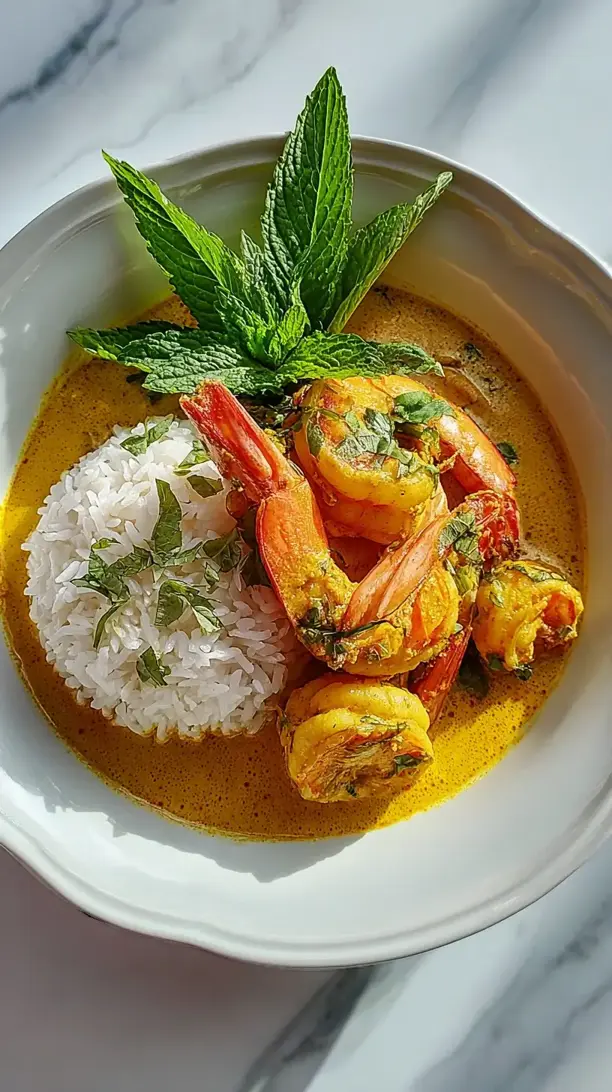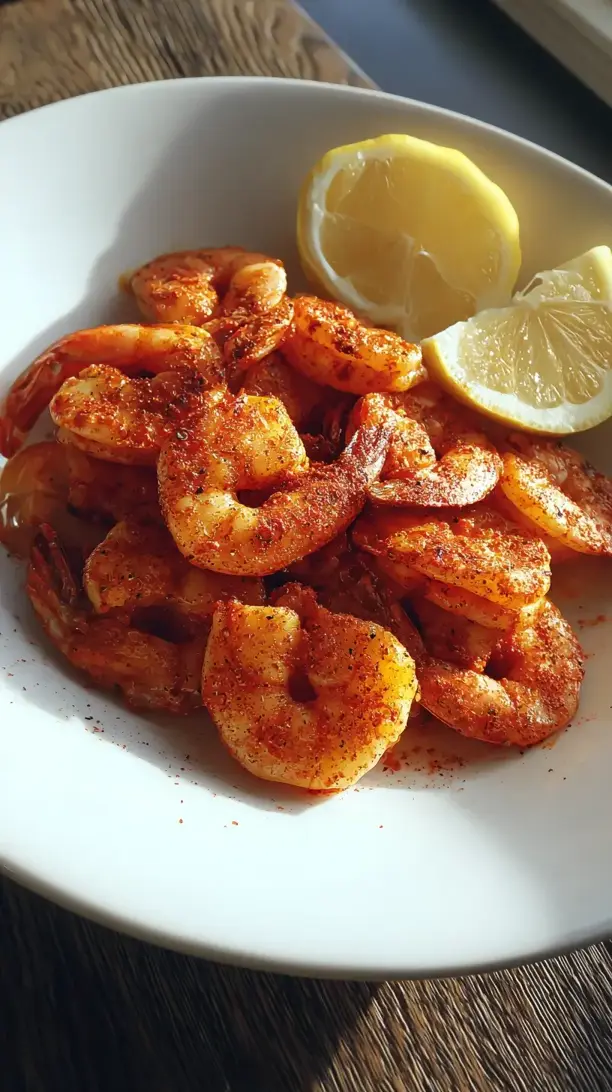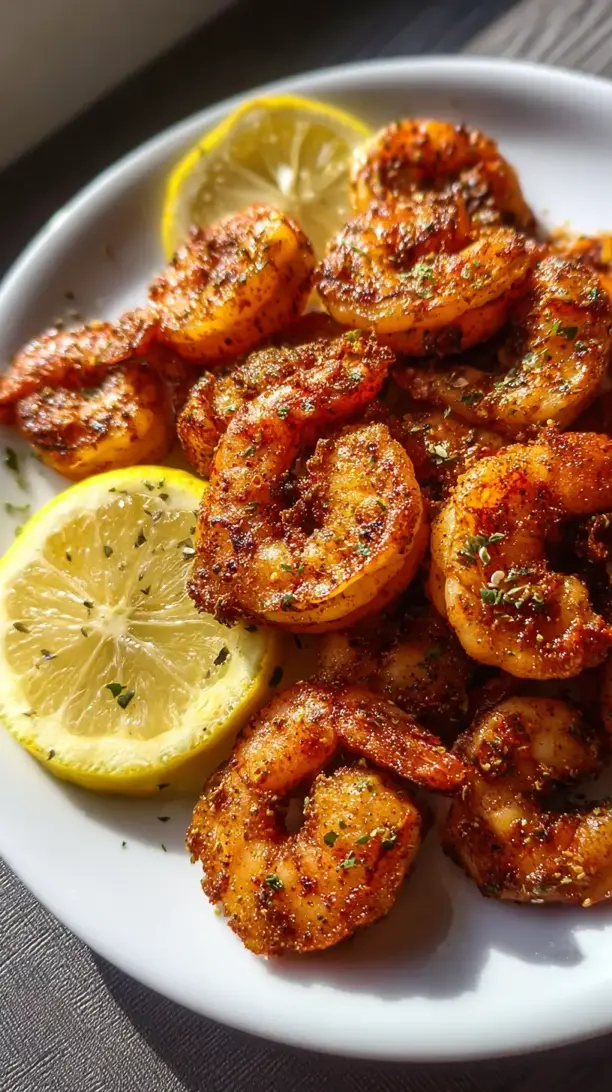

Szechuan Shrimp delivers the signature numbing-tingling sensation and explosive layers of flavor that define the cuisine. This restaurant-quality dish comes together in just 20 minutes, making it perfect for bold weeknight dinners. The complex sauce—a balance of spicy, sweet, salty, and sour—clings beautifully to plump, juicy shrimp.
Why You’ll Love This Szechuan Shrimp
- Authentic Flavor Explosion: Features the classic ma-la sensation from chili, garlic, and Szechuan peppercorns.
- Incredibly Quick: Ready in about 20 minutes for maximum impact with minimal effort.
- Customizable Heat: Easily adjust the spice level to suit your taste.
- Restaurant-Quality at Home: Glossy, complex sauce and tender shrimp beat takeout.
Ingredients & Tools
- 450 g large raw shrimp, peeled and deveined
- 1 tbsp Shaoxing wine
- 1 tsp cornstarch
- 1/2 tsp white pepper
- 3 tbsp vegetable oil, divided
- 4-6 dried red chilies, halved
- 1 tbsp Szechuan peppercorns
- 4 garlic cloves, minced
- 1 tbsp fresh ginger, minced
- 2 scallions, sliced (white and green parts separated)
- 2 tbsp doubanjiang (Szechuan chili bean paste)
- 1 tbsp soy sauce
- 1 tsp dark soy sauce
- 1 tbsp Chinkiang black vinegar
- 1 tsp sugar
- 1/4 cup chicken or vegetable stock
- 1 tsp sesame oil
Tools: A large wok or a large, heavy-bottomed skillet, and a small bowl for mixing the sauce.
Notes: Don’t be intimidated by the sauces—doubanjiang provides a deep fermented chili base, while black vinegar adds a tangy kick. Using both light and dark soy sauce builds a complex salty-umami foundation.
Nutrition (per serving)
| Calories: | 280 kcal |
| Protein: | 25 g |
| Fat: | 15 g |
| Carbs: | 8 g |
| Fiber: | 2 g |
Serves: 3 | Prep Time: 10 minutes | Cook Time: 10 minutes | Total Time: 20 minutes
Before You Start: Tips & Ingredient Notes
- Get the right peppercorns. Szechuan peppercorns are non-negotiable for the authentic “ma-la” tingle. They aren’t just spicy; they create a buzzing, numbing sensation on the tongue. Look for ones that are reddish-brown and fragrant, not dusty or gray.
- Don’t skip the velveting step. Marinating the shrimp with a little cornstarch and wine might seem minor, but it’s a classic Chinese technique called “velveting.” It creates a protective layer that keeps the shrimp incredibly tender and juicy during the high-heat stir-fry.
- Your wok should be smoking hot. For a proper stir-fry, you need intense, immediate heat to sear the ingredients quickly without stewing them. If your pan isn’t hot enough, the shrimp will release water and boil instead of fry, ruining the texture.
- Prep everything in advance. Because the cooking is so fast, you won’t have time to mince garlic or mix sauces once you start. Have all your ingredients measured, chopped, and within arm’s reach—this is called your *mise en place*, and it’s the secret to a stress-free stir-fry.
How to Make Szechuan Shrimp
Step 1: Start by preparing your shrimp. Pat them completely dry with paper towels—this is crucial for getting a good sear. In a medium bowl, toss the shrimp with the Shaoxing wine, cornstarch, and white pepper until they are evenly coated. Set this aside to marinate for about 10 minutes while you prepare the rest of your ingredients. You’ll notice the cornstarch will create a slight pasty coating on the shrimp; that’s exactly what you want.
Step 2: Now, let’s get the sauce ready. In a small bowl, whisk together the soy sauces, Chinkiang vinegar, sugar, and chicken stock. Having this pre-mixed is a game-changer. It means you can add the sauce to the wok in one swift motion later, preventing any one ingredient from overcooking and ensuring a perfectly balanced flavor in every bite.
Step 3: Place your wok or skillet over high heat and let it get seriously hot. Add 2 tablespoons of the vegetable oil and swirl it around. Once the oil is shimmering and just starting to smoke, add the marinated shrimp in a single layer. Let them sear undisturbed for about 45-60 seconds until the bottoms turn pink and get a slight crust.
Step 4: Flip the shrimp and cook for another 30-45 seconds until they are just opaque and curled. They cook incredibly fast! Don’t walk away. Quickly remove them from the wok and set them on a clean plate. They will finish cooking later when we add them back to the sauce.
Step 5: Reduce the heat to medium and add the remaining 1 tablespoon of oil to the same wok. Toss in the dried chilies and Szechuan peppercorns. Stir-fry them for about 30 seconds until they become incredibly fragrant—you might even feel a slight tickle in your nose from the peppercorns. Be careful not to burn them, or they’ll turn bitter.
Step 6: Add the minced garlic, ginger, and the white parts of the scallions to the wok. Stir-fry for just 20-30 seconds until they release their aroma. Then, add the doubanjiang (the Szechuan chili bean paste) and break it up with your spatula, frying it for another 30 seconds. This step “awakens” the fermented bean paste and deepens its color and flavor significantly.
Step 7: Give your pre-mixed sauce a quick stir (the cornstarch may have settled) and then pour it into the wok. It will sizzle and bubble immediately. Keep stirring and let the sauce come to a simmer. You’ll see it start to thicken and become glossy within a minute or so.
Step 8: Now, return the par-cooked shrimp (and any accumulated juices) back into the wok. Toss everything together vigorously to coat every single shrimp in that glorious, aromatic sauce. Let it all heat through for about one final minute so the flavors meld.
Step 9: Turn off the heat. Drizzle the sesame oil over the top and add most of the green parts of the scallions, reserving a few for garnish. Give it one final toss. The residual heat will wilt the scallions perfectly and incorporate the fragrant sesame oil. Your Szechuan Shrimp is now ready to devour!
Storage & Freshness Guide
- Fridge: Store in an airtight container for up to 2 days.
- Freezer: Freezing is not recommended as shrimp can become rubbery upon thawing.
- Reviving: Reheat gently in a skillet with a splash of water or stock to maintain texture.
Serving Suggestions
Complementary Dishes
- Steamed Jasmine Rice — The fluffy, slightly sticky grains are the perfect neutral canvas to soak up every last drop of the addictive spicy sauce and temper the heat.
- Stir-Fried Bok Choy with Garlic — A simple, green vegetable side provides a fresh, crisp contrast to the rich and fiery shrimp, making the meal feel more balanced and complete.
- Cucumber Salad with a Sesame Dressing — The cool, crunchy, and slightly tangy cucumber is a classic palate cleanser in Szechuan meals, offering a refreshing break between spicy bites.
Drinks
- Jasmine Tea (Iced or Hot) — Its delicate floral notes help cleanse the palate and cut through the oil and spice, while its warmth can be surprisingly soothing.
- A Crisp Lager — The carbonation and cool temperature of a light beer are a fantastic foil for the heat, washing away the spice and refreshing your taste buds.
Something Sweet
- Mango Sticky Rice — The creamy, sweet, and tropical flavors of this dessert are a heavenly contrast to the savory, numbing spice, creating a perfect end to the meal.
- Lychee Sorbet — The floral, sweet, and icy-cold sorbet is like a fire extinguisher for your tongue, providing instant and delightful relief after the chili heat.
Top Mistakes to Avoid
- Overcooking the Shrimp. Shrimp go from perfectly tender to rubbery and tough in a matter of seconds. The key is to cook them just until they turn opaque and pink, then remove them from the direct heat. They’ll finish cooking when added back to the sauce.
- Using Low Heat. Stir-frying is a high-heat cooking method. If your wok isn’t hot enough, the ingredients will steam and release their water, resulting in a soggy, boiled texture instead of that delicious, slightly charred “wok hei” flavor.
- Skipping the Doubanjiang. You might be tempted to substitute with another chili paste, but doubanjiang is the fermented soul of this dish. It provides a deep, savory, funky base that other pastes simply can’t replicate.
- Adding the Sauce Ingredients Separately. If you add the soy, vinegar, and stock one by one to the wok, the first ingredients will overcook and lose their nuance. Pre-mixing ensures a harmonious and perfectly timed incorporation.
Expert Tips
- Tip: Toast your Szechuan peppercorns whole and then grind them yourself for the most potent numbing effect. Just heat them in a dry pan for a minute until fragrant, then crush with a mortar and pestle. The flavor and aroma are infinitely better than pre-ground.
- Tip: For a thicker, more restaurant-style sauce that really clings to the shrimp, make a cornstarch slurry. Mix an extra 1 tsp of cornstarch with 1 tbsp of water and add it when you pour in the main sauce mixture.
- Tip: If you’re sensitive to spice, you can deseed the dried chilies before adding them. A lot of the capsaicin (the compound that creates heat) is in the seeds and white ribs, so removing them tames the fire while keeping the chili flavor.
- Tip: To make this ahead, you can prep the sauce and chop all the aromatics a day in advance. Store them separately in the fridge. When it’s time to cook, everything will come together in a flash, making your weeknight dinner feel effortless.
FAQs
Can I use frozen shrimp?
Absolutely! Frozen shrimp are often more practical. Just make sure to thaw them properly for the best texture. The best method is to place them in a sealed bag and submerge them in cold water for about 30 minutes. Avoid thawing at room temperature or in warm water, as this can make the shrimp mushy. And remember—pat them *very* dry after thawing to ensure a good sear.
I can’t find Szechuan peppercorns. What can I use?
This is a tough one, as they are truly unique. There isn’t a direct substitute for the numbing “ma” sensation. In a pinch, you could use a mix of black peppercorns and a tiny pinch of crushed red pepper flakes for heat, but the flavor profile will be different. I highly recommend seeking them out online or in an Asian market for the authentic experience.
Is this dish extremely spicy?
It’s definitely spicy, but the heat level is adjustable! The primary heat comes from the dried chilies and the doubanjiang. You can control it by using fewer dried chilies or removing the seeds. The Szechuan peppercorns don’t add “spicy heat” but rather that tingling numbness, which is a different sensation altogether.
Can I make it with chicken or tofu instead?
Yes, both are excellent alternatives! For chicken, use boneless, skinless thigh or breast meat cut into bite-sized pieces and follow the same velveting step. For tofu, use extra-firm tofu, press it to remove water, and cube it. Pan-fry the tofu until golden before adding it to the sauce at the end, gently tossing to coat.
How do I store and reheat leftovers?
Store any leftovers in an airtight container in the refrigerator for up to 2 days. To reheat, I recommend a skillet over medium-low heat with a tiny splash of water or stock. This will gently warm the shrimp without overcooking them. Avoid the microwave if you can, as it can make the shrimp rubbery very quickly.
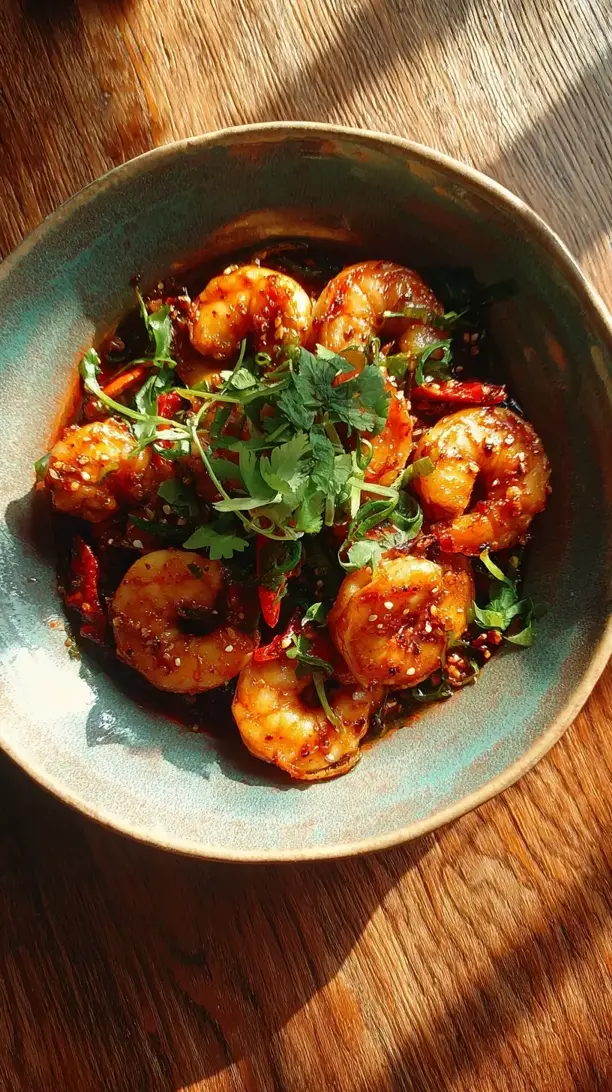
Szechuan Shrimp
Make authentic Szechuan Shrimp with its signature numbing spice in just 20 minutes. This easy recipe delivers bold flavor. Get the full recipe now!
Ingredients
For the Shrimp Marinade
-
450 g large raw shrimp (peeled and deveined)
-
1 tbsp Shaoxing wine
-
1 tsp cornstarch
-
1/2 tsp white pepper
For the Sauce
-
1 tbsp soy sauce
-
1 tsp dark soy sauce
-
1 tbsp Chinkiang black vinegar
-
1 tsp sugar
-
1/4 cup chicken or vegetable stock
For the Stir-Fry
-
3 tbsp vegetable oil (divided)
-
4-6 dried red chilies (halved)
-
1 tbsp Szechuan peppercorns
-
4 garlic cloves (minced)
-
1 tbsp fresh ginger (minced)
-
2 scallions (sliced (white and green parts separated))
-
2 tbsp doubanjiang (Szechuan chili bean paste)
-
1 tsp sesame oil