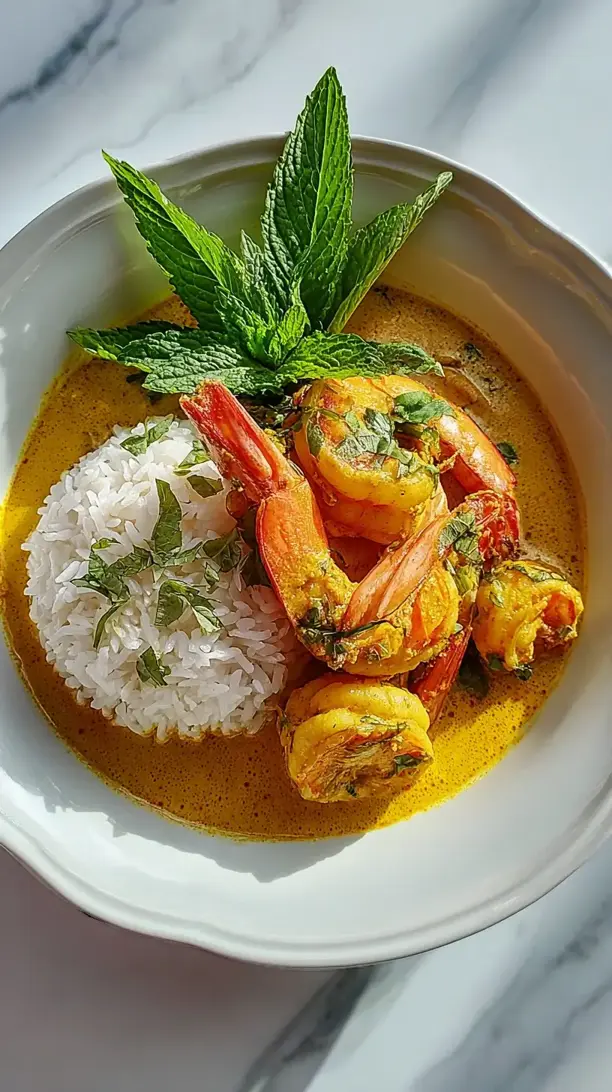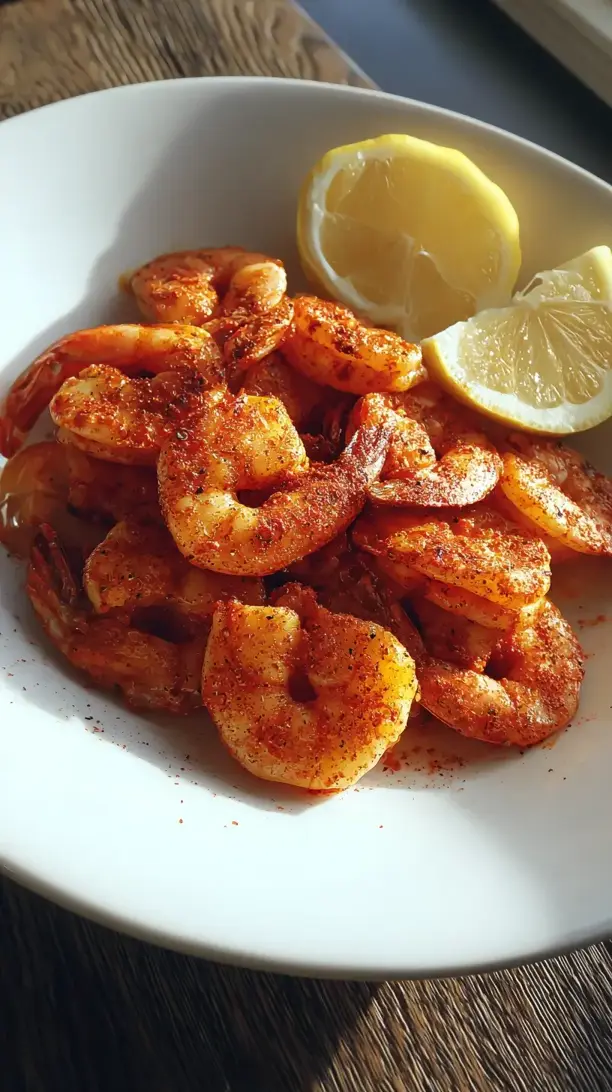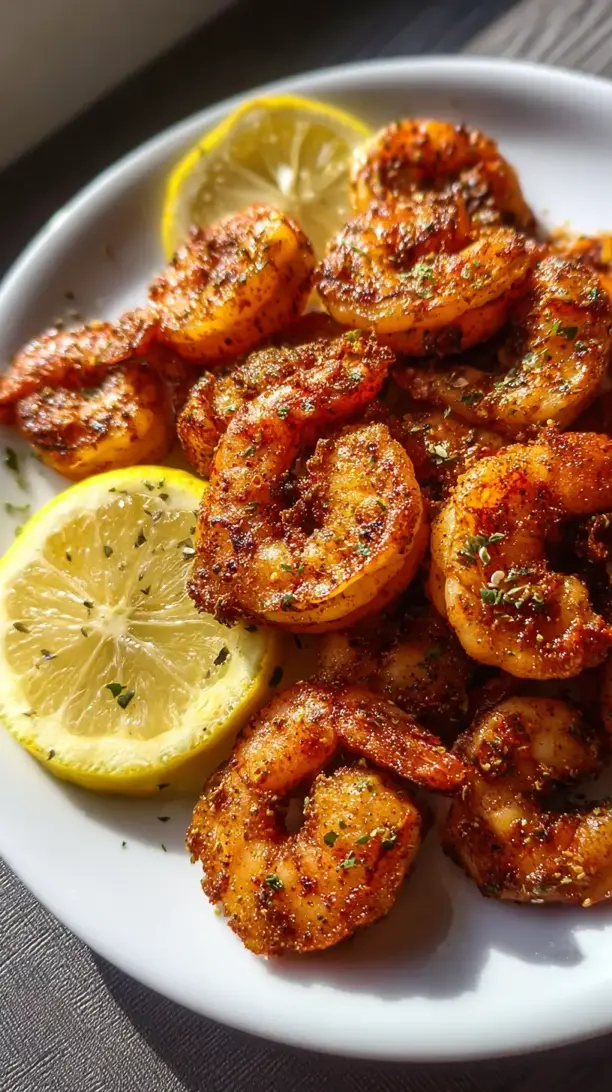

Soy Ginger Shrimp combines savory soy sauce and zesty fresh ginger with tender shrimp for a quick, flavorful meal. This dish comes together in under 20 minutes, making it a perfect weeknight dinner. Serve this Soy Ginger Shrimp over rice or noodles for a satisfying, restaurant-quality experience.
Why You’ll Love This Soy Ginger Shrimp
- Quick & Easy: Ready in under 20 minutes from start to finish.
- Perfect Flavor Balance: Savory, sweet, and zesty all at once.
- Versatile Serving: Great over rice, noodles, or in lettuce wraps.
- Impressive Results: Looks and tastes gourmet with minimal effort.
Ingredients & Tools
- 450 g large raw shrimp, peeled and deveined
- 3 tbsp soy sauce (or tamari for gluten-free)
- 2 tbsp honey or brown sugar
- 1 tbsp rice vinegar
- 2 tsp freshly grated ginger
- 3 cloves garlic, minced
- 1 tbsp sesame oil
- 2 tbsp vegetable or avocado oil
- 2 spring onions, thinly sliced
- 1 tsp cornstarch
- 2 tbsp water
- Optional: red pepper flakes or sliced fresh chili for heat
- Optional garnish: toasted sesame seeds, extra spring onions
Tools: A large skillet or wok, a microplane or fine grater for the ginger, a small bowl for the sauce, and a pair of tongs.
Notes: Using fresh ginger really makes a difference here—it has a brighter, more aromatic quality than the powdered version. And don’t skip the sesame oil at the end; that nutty finish ties everything together beautifully.
Nutrition (per serving)
| Calories: | 245 kcal |
| Protein: | 24 g |
| Fat: | 10 g |
| Carbs: | 14 g |
| Fiber: | 1 g |
Serves: 3 | Prep Time: 10 minutes | Cook Time: 8 minutes | Total Time: 18 minutes
Before You Start: Tips & Ingredient Notes
- Pat your shrimp dry. This might seem like a small step, but it’s crucial for getting a nice sear instead of steaming them. Use a paper towel to blot away any excess moisture before they hit the pan.
- Fresh ginger is non-negotiable. I know it’s tempting to reach for the powdered stuff, but the flavor of freshly grated ginger is so much more vibrant and zesty. A microplane makes quick work of it—skin and all!
- Don’t overcook the shrimp. They cook in just a few minutes and can go from tender to rubbery really fast. You’ll know they’re done when they curl into a loose “C” shape and turn pink and opaque.
- Customize the sauce to your taste. Like it sweeter? Add a bit more honey. Prefer more tang? A splash of extra rice vinegar will do the trick. The recipe is wonderfully adaptable.
How to Make Soy Ginger Shrimp
Step 1: Start by prepping your shrimp. If they aren’t already peeled and deveined, do that now, and don’t forget to pat them thoroughly dry with paper towels. This helps them sear properly instead of releasing too much liquid. Set them aside while you make the sauce.
Step 2: In a small bowl, whisk together the soy sauce, honey, rice vinegar, grated ginger, and minced garlic. If you’re using any optional chili for heat, add it now. In a separate tiny bowl, mix the cornstarch with water to create a slurry—this will help thicken the sauce later.
Step 3: Heat a large skillet or wok over medium-high heat. Add the vegetable oil and let it get nice and hot—you should see it shimmering. Carefully add the shrimp in a single layer, making sure not to overcrowd the pan. You might need to cook them in two batches if your pan is small.
Step 4: Cook the shrimp for about 1–2 minutes per side, until they turn pink and opaque. You’ll notice them curling slightly. Don’t move them around too much—let them develop a little color. Once cooked, transfer them to a plate. They won’t be fully done inside, and that’s okay—they’ll finish in the sauce.
Step 5: Reduce the heat to medium and pour the sauce mixture into the same skillet. Let it come to a gentle simmer, stirring occasionally. After about a minute, whisk in the cornstarch slurry. The sauce will start to thicken and become glossy—this should only take another minute or so.
Step 6: Return the shrimp to the skillet, along with any accumulated juices. Toss everything together to coat the shrimp evenly in that gorgeous sauce. Let it cook for another minute just to heat the shrimp through and let the flavors meld.
Step 7: Turn off the heat and drizzle in the sesame oil. Give it one final toss, then stir in most of the sliced spring onions, saving a few for garnish. The aroma at this point is absolutely incredible—savory, gingery, and deeply inviting.
Step 8: Transfer your Soy Ginger Shrimp to a serving platter. Sprinkle with the reserved spring onions and some toasted sesame seeds if you like. Serve it immediately while it’s hot and the shrimp are perfectly tender.
Storage & Freshness Guide
- Fridge: Store in an airtight container for up to 2 days.
- Freezer: Freeze for up to 1 month; thaw in fridge before reheating.
- Reviving: Gently reheat in a skillet with a splash of water to maintain tenderness.
Serving Suggestions
Complementary Dishes
- Steamed jasmine rice — Its delicate floral scent is the perfect backdrop for the bold, savory sauce.
- Simple stir-fried vegetables — Think bok choy, snap peas, or bell peppers for a crisp, colorful contrast.
- Garlic noodles — Tossed in a light garlic butter, they soak up the extra sauce beautifully.
Drinks
- Cold jasmine green tea — Its light, floral notes cleanse the palate and balance the dish’s richness.
- A crisp Sauvignon Blanc — The wine’s citrusy acidity cuts through the savory-sweet sauce wonderfully.
- Ginger beer mocktail — Echoes the ginger in the dish with a refreshing, fizzy kick.
Something Sweet
- Mango sorbet — Its bright, tropical sweetness is a lovely, light finish after the savory shrimp.
- Fortune cookies — A playful, crunchy end to the meal that keeps the theme going.
- Lychee and lime granita — Refreshing and slightly tart, it cleanses the palate perfectly.
Top Mistakes to Avoid
- Overcrowding the pan. If you add too many shrimp at once, they’ll steam instead of sear, and you’ll miss out on that lovely caramelized texture. Cook in batches if needed.
- Using powdered ginger instead of fresh. The flavor just isn’t the same—fresh ginger provides a zesty, aromatic punch that powder can’t replicate. I’ve made this mistake before, and the dish tasted flat.
- Overcooking the shrimp. They cook incredibly fast and become tough and rubbery if left in the pan too long. As soon as they turn pink and opaque, they’re done.
- Skipping the cornstarch slurry. Without it, your sauce will be thin and won’t cling to the shrimp properly. That glossy, thickened sauce is what makes this dish so irresistible.
Expert Tips
- Tip: Grate your ginger and garlic directly into the sauce bowl. This not only saves time but also ensures you capture all those flavorful juices that might be left on the cutting board.
- Tip: If you have time, marinate the shrimp in half the sauce for 15–20 minutes before cooking. It adds an extra layer of flavor, though the dish is still fantastic without this step.
- Tip: For a deeper, more complex flavor, add a teaspoon of oyster sauce or hoisin to the sauce mixture. It enhances the umami and gives the sauce a richer color.
- Tip: If you prefer a saucier dish, simply double the sauce ingredients (except the cornstarch—only increase that by half). This is great if you’re serving it over a lot of rice or noodles.
- Tip: To make this ahead, you can prep the sauce and chop the aromatics a day in advance. Store them separately in the fridge, then cook the shrimp fresh when you’re ready to eat.
FAQs
Can I use frozen shrimp?
Absolutely! Just make sure to thaw them completely in the refrigerator overnight or under cold running water. Pat them very dry before cooking—this is key to getting a good sear and avoiding a watery sauce.
How do I store and reheat leftovers?
Store any leftovers in an airtight container in the fridge for up to 2 days. To reheat, gently warm them in a skillet over low heat with a splash of water or broth to keep the shrimp from becoming tough. Microwaving can make them rubbery, so I’d avoid that if possible.
Can I make this dish spicier?
Of course! Add a teaspoon of sriracha or chili garlic sauce to the sauce mixture, or toss in some sliced fresh red chilies or a pinch of red pepper flakes when you’re cooking the sauce. Adjust to your preferred heat level.
What can I use instead of honey?
Maple syrup, agave nectar, or even brown sugar work well as substitutes. Just keep in mind that the flavor will be slightly different—brown sugar will give a deeper molasses note, while maple syrup adds a subtle warmth.
Is this recipe gluten-free?
Yes, if you use tamari instead of regular soy sauce and ensure all other ingredients (like oyster sauce, if using) are certified gluten-free, this dish is completely gluten-free. Always double-check your labels to be safe.
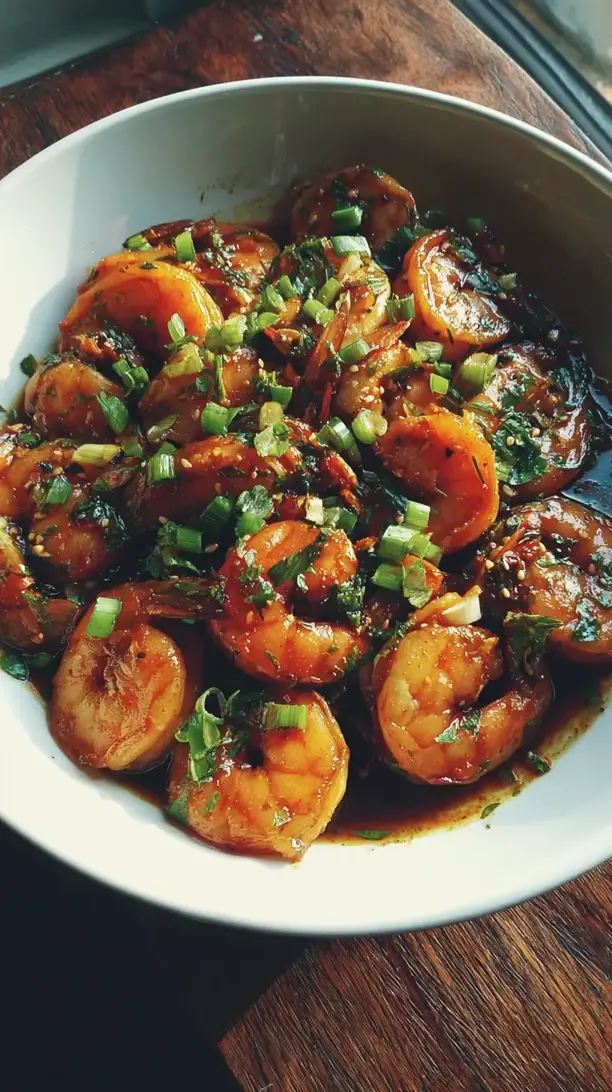
Soy Ginger Shrimp
Make easy Soy Ginger Shrimp in 20 minutes! A savory, sweet, and zesty weeknight dinner. Serve over rice or noodles. Get the quick recipe now!
Ingredients
For the Soy Ginger Shrimp
-
450 g large raw shrimp (peeled and deveined)
-
3 tbsp soy sauce (or tamari for gluten-free)
-
2 tbsp honey or brown sugar
-
1 tbsp rice vinegar
-
2 tsp freshly grated ginger
-
3 cloves garlic (minced)
-
1 tbsp sesame oil
-
2 tbsp vegetable or avocado oil
-
2 spring onions (thinly sliced)
-
1 tsp cornstarch
-
2 tbsp water
-
red pepper flakes or sliced fresh chili (optional, for heat)
-
toasted sesame seeds, extra spring onions (optional garnish)
Instructions
-
Start by prepping your shrimp. If they aren’t already peeled and deveined, do that now, and don’t forget to pat them thoroughly dry with paper towels. This helps them sear properly instead of releasing too much liquid. Set them aside while you make the sauce.01
-
In a small bowl, whisk together the soy sauce, honey, rice vinegar, grated ginger, and minced garlic. If you’re using any optional chili for heat, add it now. In a separate tiny bowl, mix the cornstarch with water to create a slurry—this will help thicken the sauce later.02
-
Heat a large skillet or wok over medium-high heat. Add the vegetable oil and let it get nice and hot—you should see it shimmering. Carefully add the shrimp in a single layer, making sure not to overcrowd the pan. You might need to cook them in two batches if your pan is small.03
-
Cook the shrimp for about 1–2 minutes per side, until they turn pink and opaque. You’ll notice them curling slightly. Don’t move them around too much—let them develop a little color. Once cooked, transfer them to a plate. They won’t be fully done inside, and that’s okay—they’ll finish in the sauce.04
-
Reduce the heat to medium and pour the sauce mixture into the same skillet. Let it come to a gentle simmer, stirring occasionally. After about a minute, whisk in the cornstarch slurry. The sauce will start to thicken and become glossy—this should only take another minute or so.05
-
Return the shrimp to the skillet, along with any accumulated juices. Toss everything together to coat the shrimp evenly in that gorgeous sauce. Let it cook for another minute just to heat the shrimp through and let the flavors meld.06
-
Turn off the heat and drizzle in the sesame oil. Give it one final toss, then stir in most of the sliced spring onions, saving a few for garnish. The aroma at this point is absolutely incredible—savory, gingery, and deeply inviting.07
-
Transfer your Soy Ginger Shrimp to a serving platter. Sprinkle with the reserved spring onions and some toasted sesame seeds if you like. Serve it immediately while it’s hot and the shrimp are perfectly tender.08