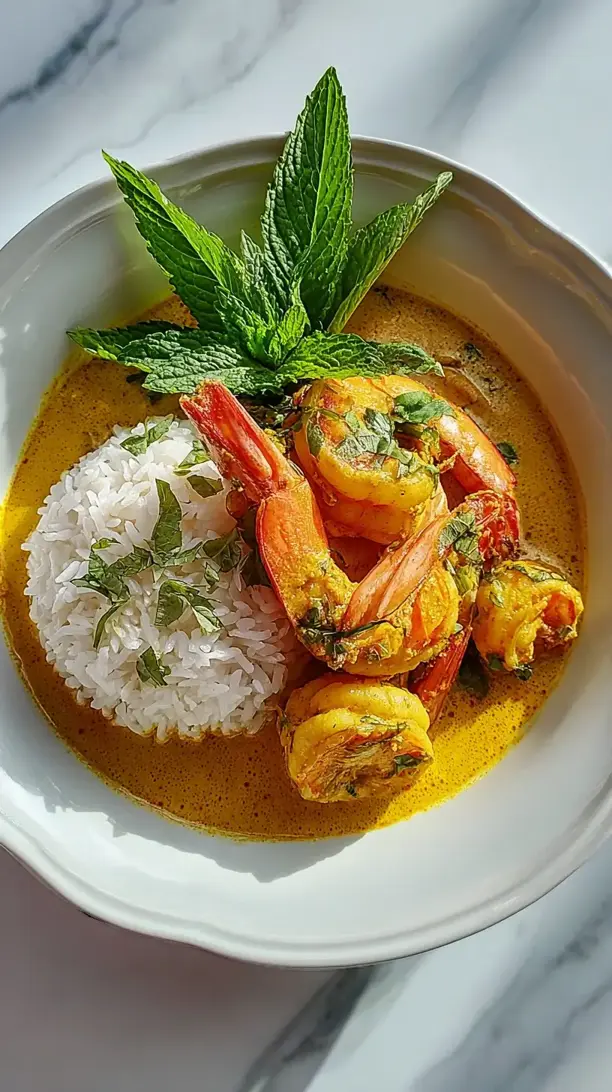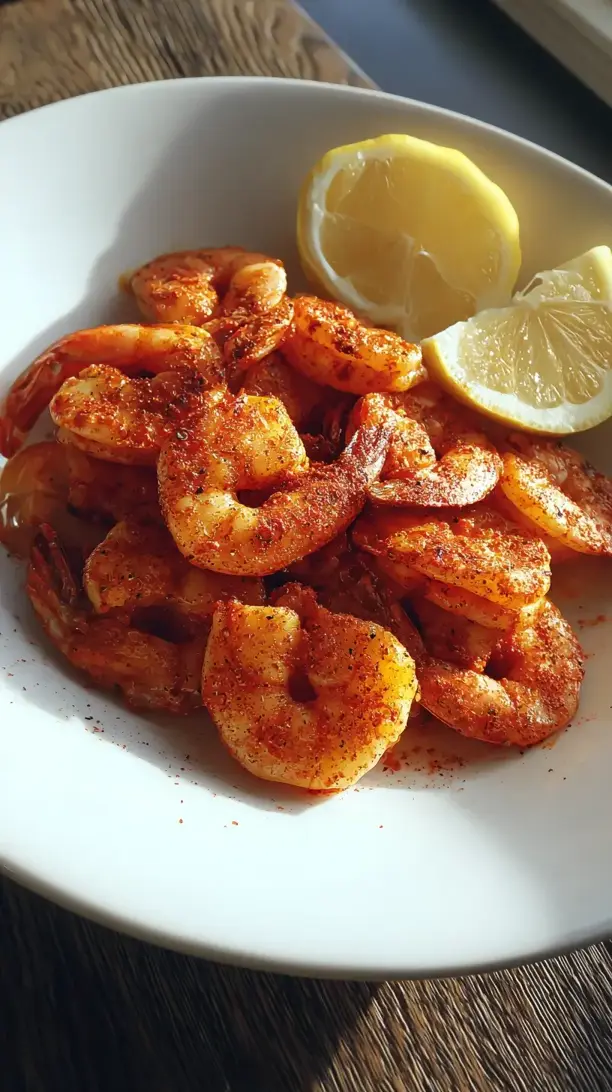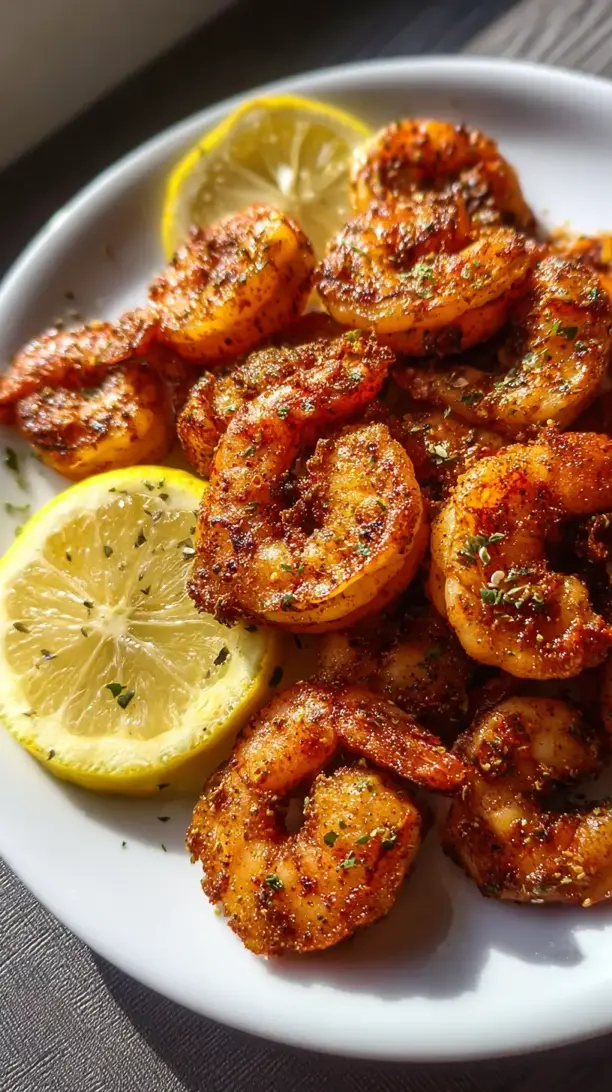

This Snow Pea Shrimp Stir Fry is a vibrant, speedy dish that feels both light and deeply satisfying. Plump shrimp and crisp snow peas are tossed in a savory, garlicky sauce for a restaurant-quality meal. It’s the perfect weeknight dinner with minimal cleanup.
Why You’ll Love This Snow Pea Shrimp Stir Fry
- Unbelievably fast: Ready in about 20 minutes of active cooking.
- Dreamy textures: Juicy shrimp and crisp snow peas in a glossy sauce.
- Incredibly versatile: Easily adapt with other veggies you have on hand.
- Deep flavor: Savory, slightly sweet with garlic and ginger aroma.
Ingredients & Tools
- 450 g large raw shrimp, peeled and deveined
- 225 g fresh snow peas, ends trimmed
- 3 cloves garlic, minced
- 1 tbsp fresh ginger, grated
- 2 spring onions, sliced (whites and greens separated)
- 2 tbsp vegetable or peanut oil
- 1 tbsp sesame oil
- 1 small red chili, thinly sliced (optional, for heat)
- For the Shrimp Marinade:
- 1 tbsp light soy sauce
- 1 tsp cornflour
- 1/2 tsp white pepper
- For the Stir-Fry Sauce:
- 3 tbsp light soy sauce
- 1 tbsp oyster sauce
- 1 tbsp Shaoxing wine (or dry sherry)
- 1 tsp sugar
- 2 tbsp water
- 1 tsp cornflour
Notes: Don’t skip the cornflour in the marinade—it gives the shrimp a velvety texture and helps the sauce cling. Fresh ginger and garlic make a big difference.
Tools: A large wok or a very large, heavy-bottomed frying pan, and a set of tongs or a sturdy spatula.
Nutrition (per serving)
| Calories: | 285 kcal |
| Protein: | 28 g |
| Fat: | 12 g |
| Carbs: | 14 g |
| Fiber: | 3 g |
Serves: 3 | Prep Time: 15 minutes | Cook Time: 5 minutes | Total Time: 20 minutes
Before You Start: Tips & Ingredient Notes
- Get your wok screaming hot. A proper stir-fry relies on high, high heat to sear the ingredients quickly, locking in moisture and flavor rather than stewing them. If you see a gentle sizzle, it’s not hot enough—you want a loud, aggressive one.
- Prep everything before you fire up the wok. This is called ‘mise en place’, and in stir-frying, it’s non-negotiable. Once you start cooking, things move incredibly fast, and you won’t have time to mince garlic or mix sauce.
- Don’t skip the shrimp marinade. That brief 10-minute soak in soy sauce, cornflour, and white pepper is what gives the shrimp their signature restaurant-style tender and silky texture. It’s a simple step with a huge payoff.
- Use a neutral oil with a high smoke point. Vegetable, canola, or peanut oil are perfect for the initial high-heat cooking. Save the fragrant sesame oil for finishing at the end—its delicate flavor is destroyed by high heat.
How to Make Snow Pea Shrimp Stir Fry
Step 1: Marinate the Shrimp. In a medium bowl, combine the peeled and deveined shrimp with the 1 tablespoon of light soy sauce, 1 teaspoon of cornflour, and 1/2 teaspoon of white pepper. Use your hands to toss everything together, ensuring each shrimp is lightly coated. Let this sit for about 10-15 minutes while you prep the other ingredients. You’ll notice the cornflour will create a slight paste—this is exactly what you want for that velvety texture.
Step 2: Prepare the Sauce and Aromatics. In a small bowl or a measuring jug, whisk together all the ingredients for the stir-fry sauce: 3 tablespoons light soy sauce, 1 tablespoon oyster sauce, 1 tablespoon Shaoxing wine, 1 teaspoon sugar, 2 tablespoons water, and 1 teaspoon of cornflour. Whisk it until the cornflour is fully dissolved and there are no lumps. Set this aside. Then, have your minced garlic, grated ginger, sliced spring onion whites, and optional chili ready to go in a small pile.
Step 3: Sear the Shrimp. Place your wok or large pan over the highest possible heat. Add the 2 tablespoons of vegetable oil and swirl it around until it’s shimmering and just starting to smoke. Carefully add the marinated shrimp in a single layer. Don’t move them for about 45-60 seconds—let them develop a beautiful sear. Flip them and cook for another 30-45 seconds until they’re just pink and opaque. They don’t need to be fully cooked through yet. Quickly remove them from the wok and set them aside on a plate.
Step 4: Stir-Fry the Aromatics and Snow Peas. There should still be a little oil in the wok. If it’s dry, add another teaspoon. Toss in the garlic, ginger, spring onion whites, and chili. Stir-fry for just 20-30 seconds until incredibly fragrant—be careful not to let the garlic burn. Immediately add the snow peas. Toss and stir-fry them for about 1-2 minutes. You’re looking for them to turn a brighter green and get a few dark blistered spots, but they should still be very crisp.
Step 5: Bring It All Together. Give your prepared sauce a quick re-whisk (the cornflour can settle) and pour it into the center of the wok. It will bubble and thicken almost immediately into a glossy sauce. Once it’s simmering, add the seared shrimp and any accumulated juices back into the wok. Toss everything together vigorously for about 30-60 seconds, just until the shrimp are fully reheated and coated in the sauce.
Step 6: Finish and Serve. Turn off the heat. Drizzle the 1 tablespoon of sesame oil over the top and add the sliced green parts of the spring onions. Give everything one final, gentle toss to incorporate. The residual heat will wilt the spring onions slightly and release the aroma of the sesame oil. Serve immediately over steamed rice while it’s piping hot and the snow peas are still perfectly crisp-tender.
Storage & Freshness Guide
- Fridge: Store in an airtight container for up to 2 days.
- Freezer: Not recommended; snow peas and shrimp lose texture.
- Reviving: Reheat gently in a skillet with a splash of water.
Serving Suggestions
Complementary Dishes
- Steamed Jasmine Rice — The fluffy, fragrant grains are the perfect canvas to soak up every last drop of the delicious savory sauce.
- Simple Egg Drop Soup — A light, comforting soup to start the meal creates a more complete and satisfying dining experience.
- Vegetable Spring Rolls — They add a fantastic contrasting crunchy texture and make the meal feel like a special occasion.
Drinks
- Earl Grey Iced Tea — The subtle bergamot and citrus notes cut through the dish’s savoriness and provide a wonderfully refreshing palate cleanser.
- A Crisp Pinot Grigio — This light, dry white wine has enough acidity to complement the shrimp without overpowering the delicate snow peas.
- Cold Japanese Lager — The clean, crisp bubbles are incredibly thirst-quenching and a classic pairing for any garlic-forward stir-fry.
Something Sweet
- Mango Sticky Rice — The sweet, creamy coconut and fresh mango provide a tropical and delightful finish that contrasts beautifully with the savory main.
- Lychee Sorbet — It’s light, floral, and intensely refreshing, cleansing the palate perfectly after a flavorful stir-fry.
- Fortune Cookies — A fun, traditional way to end a stir-fry meal, adding a little bit of whimsy and a sweet, vanilla-like crunch.
Top Mistakes to Avoid
- Overcrowding the wok. If you add too much at once, the temperature plummets, and you’ll end up steaming the shrimp and vegetables instead of searing them. Cook in batches if you’re doubling the recipe.
- Overcooking the shrimp. Shrimp cook in a flash and become rubbery and tough if left on the heat for too long. Remember, they finish cooking when you add them back to the sauce, so it’s better to undercook them slightly initially.
- Using bottled minced garlic and ginger. I’ve tried this shortcut before, and honestly, the flavor is just not the same. They often have a slightly bitter, off taste that will muddle the clean, bright flavors of your stir-fry.
- Adding the sesame oil too early. Sesame oil is a finishing oil. Its delicate, nutty flavor is destroyed by high heat, and it can even turn bitter. Always stir it in right at the end, after you’ve turned off the heat.
Expert Tips
- Tip: For an extra layer of flavor, try “velveting” your shrimp. After marinating, blanch them in barely simmering water or oil for 30 seconds before stir-frying. This Chinese restaurant technique guarantees an unbelievably tender, silky texture.
- Tip: If your snow peas are on the larger side, consider slicing them in half on a sharp diagonal. This creates more surface area for the sauce to cling to and makes them easier to eat.
- Tip: For a deeper, more caramelized flavor, add a tiny splash (about half a teaspoon) of dark soy sauce to your sauce mixture. It won’t make it saltier, but it will give the dish a beautiful, rich color and a more complex taste.
- Tip: To make this ahead, you can prep the sauce, chop the aromatics, and marinate the shrimp a few hours in advance. Keep everything separate in the fridge. The actual cooking will still only take 5 minutes, making dinner a breeze.
FAQs
Can I use frozen shrimp?
Absolutely! Frozen shrimp are often a great, high-quality option. The key is to thaw them properly. Place them in a bowl in the refrigerator overnight, or for a quicker method, seal them in a plastic bag and submerge them in cold water for 30-60 minutes. Just make sure they are fully thawed and patted very dry with paper towels before you marinate them, or they’ll release too much water in the wok.
My sauce turned out too thick. What happened?
This usually means it was cooked for a little too long after the cornflour was added. Cornflour slurry thickens very efficiently with heat. If your sauce gets too gloopy, don’t panic! Just add a tablespoon of warm water at a time, stirring it in off the heat, until it reaches your desired consistency. Remember, it will also thin out slightly from the juices of the snow peas.
Can I make this dish spicy?
Of course! The recipe includes an optional red chili, but you can absolutely amp up the heat. Add a teaspoon of chili garlic sauce or sambal oelek to the stir-fry sauce mixture. Alternatively, garnish with a sprinkle of crushed red pepper flakes right at the end for a different kind of heat that’s more aromatic.
What can I use instead of Shaoxing wine?
No problem! Dry sherry is the closest and most common substitute. If you don’t have that, you can use a dry white wine like a Sauvignon Blanc, or even a light beer. In a real pinch, you can just replace it with an equal amount of chicken or vegetable broth, though you’ll lose a little of the complex, fermented flavor.
How do I store and reheat leftovers?
Store any leftovers in an airtight container in the refrigerator for up to 2 days. The snow peas will lose their crispness, but it will still taste delicious. To reheat, I strongly recommend using a skillet or wok over medium heat with a tiny splash of water. The microwave will make the shrimp rubbery and the snow peas mushy. Gently stir until heated through.

Snow Pea Shrimp Stir Fry
Make this easy Snow Pea Shrimp Stir Fry in 20 minutes! Featuring tender shrimp, crisp snow peas, and a savory sauce. Get the quick & delicious recipe now!
Ingredients
For the main ingredients:
-
450 g large raw shrimp (peeled and deveined)
-
225 g fresh snow peas (ends trimmed)
-
3 cloves garlic (minced)
-
1 tbsp fresh ginger (grated)
-
2 spring onions (sliced (whites and greens separated))
-
2 tbsp vegetable or peanut oil
-
1 tbsp sesame oil
-
1 small red chili (thinly sliced (optional, for heat))
For the Shrimp Marinade:
-
1 tbsp light soy sauce
-
1 tsp cornflour
-
0.5 tsp white pepper
For the Stir-Fry Sauce:
-
3 tbsp light soy sauce
-
1 tbsp oyster sauce
-
1 tbsp Shaoxing wine (or dry sherry)
-
1 tsp sugar
-
2 tbsp water
-
1 tsp cornflour
Instructions
-
In a medium bowl, combine the peeled and deveined shrimp with the 1 tablespoon of light soy sauce, 1 teaspoon of cornflour, and 1/2 teaspoon of white pepper. Use your hands to toss everything together, ensuring each shrimp is lightly coated. Let this sit for about 10-15 minutes while you prep the other ingredients. You'll notice the cornflour will create a slight paste—this is exactly what you want for that velvety texture.01
-
In a small bowl or a measuring jug, whisk together all the ingredients for the stir-fry sauce: 3 tablespoons light soy sauce, 1 tablespoon oyster sauce, 1 tablespoon Shaoxing wine, 1 teaspoon sugar, 2 tablespoons water, and 1 teaspoon of cornflour. Whisk it until the cornflour is fully dissolved and there are no lumps. Set this aside. Then, have your minced garlic, grated ginger, sliced spring onion whites, and optional chili ready to go in a small pile.02
-
Place your wok or large pan over the highest possible heat. Add the 2 tablespoons of vegetable oil and swirl it around until it's shimmering and just starting to smoke. Carefully add the marinated shrimp in a single layer. Don't move them for about 45-60 seconds—let them develop a beautiful sear. Flip them and cook for another 30-45 seconds until they're just pink and opaque. They don't need to be fully cooked through yet. Quickly remove them from the wok and set them aside on a plate.03
-
There should still be a little oil in the wok. If it's dry, add another teaspoon. Toss in the garlic, ginger, spring onion whites, and chili. Stir-fry for just 20-30 seconds until incredibly fragrant—be careful not to let the garlic burn. Immediately add the snow peas. Toss and stir-fry them for about 1-2 minutes. You're looking for them to turn a brighter green and get a few dark blistered spots, but they should still be very crisp.04
-
Give your prepared sauce a quick re-whisk (the cornflour can settle) and pour it into the center of the wok. It will bubble and thicken almost immediately into a glossy sauce. Once it's simmering, add the seared shrimp and any accumulated juices back into the wok. Toss everything together vigorously for about 30-60 seconds, just until the shrimp are fully reheated and coated in the sauce.05
-
Turn off the heat. Drizzle the 1 tablespoon of sesame oil over the top and add the sliced green parts of the spring onions. Give everything one final, gentle toss to incorporate. The residual heat will wilt the spring onions slightly and release the aroma of the sesame oil. Serve immediately over steamed rice while it's piping hot and the snow peas are still perfectly crisp-tender.06