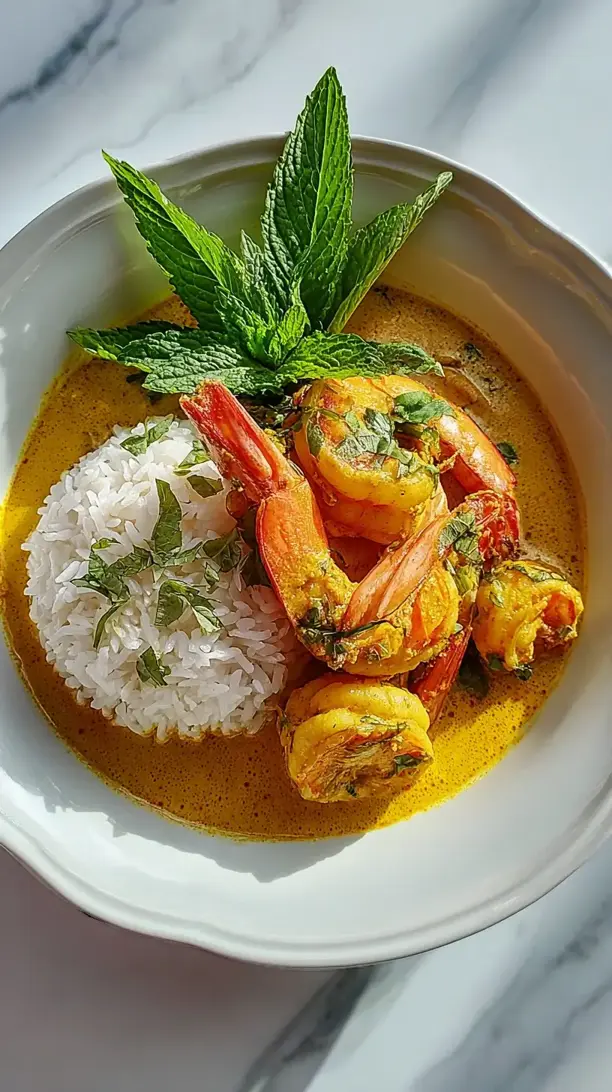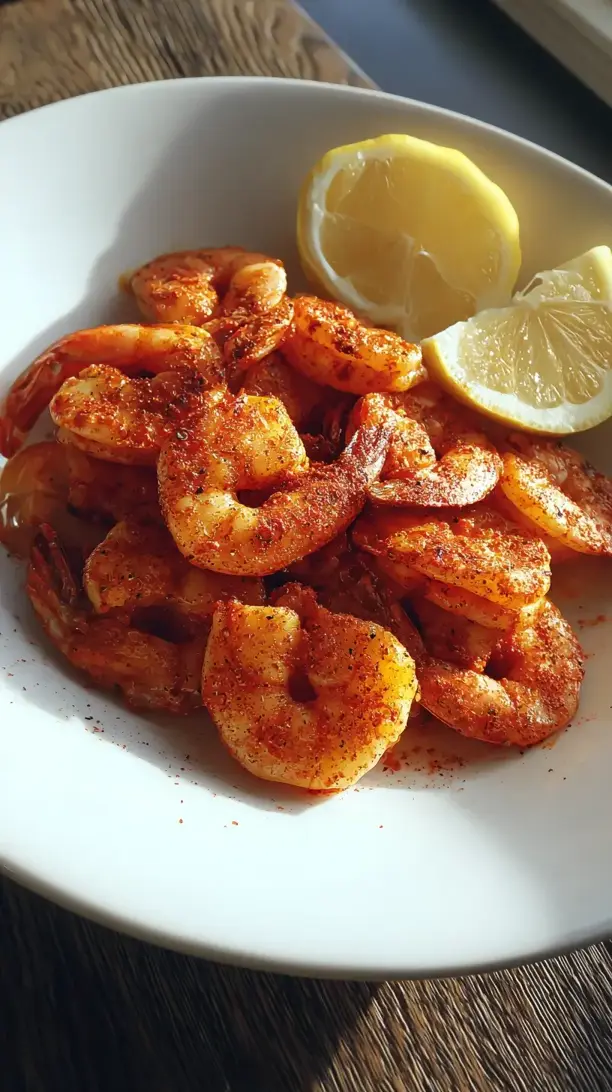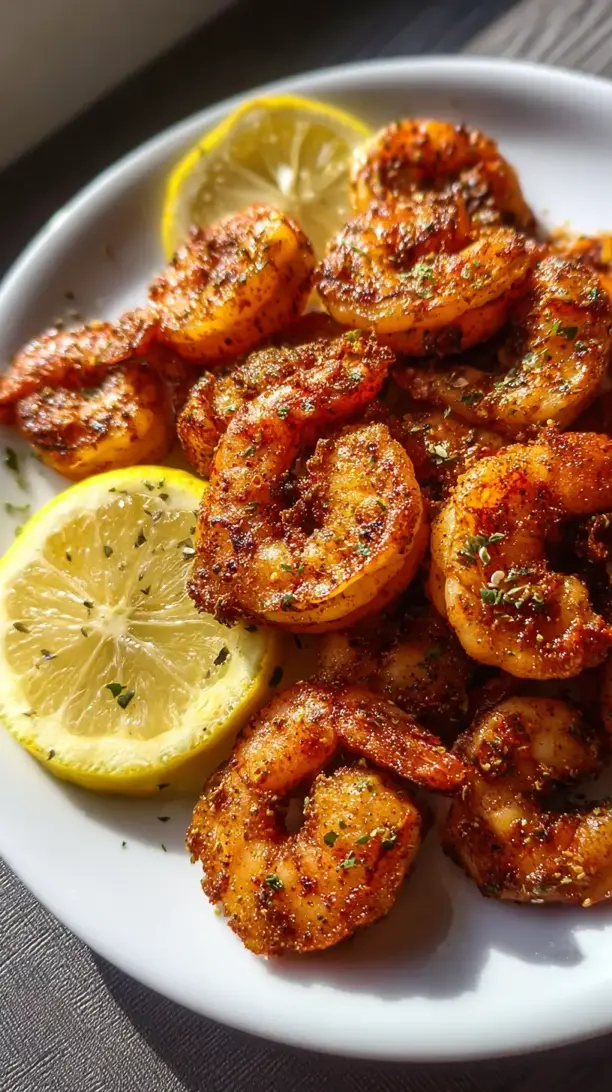

Shrimp Spring Rolls are a refreshing, hands-on meal perfect for warm days. These light rice paper wraps are packed with crisp vegetables, plump shrimp, and fragrant herbs. They’re a vibrant, customizable treat that feels energizing and fun to assemble.
Why You’ll Love This Shrimp Spring Rolls
- Textural dream: Soft rice paper, crunchy veggies, and tender shrimp create a perfect bite.
- Versatile & customizable: Easily swap herbs or add extra protein like tofu or noodles.
- Fun to assemble: Interactive rolling turns dinner into a delightful group activity.
- Feel-good food: Light, fresh ingredients leave you satisfied and energized.
Ingredients & Tools
- 12 large shrimp, peeled and deveined
- 12 round rice paper wrappers (22 cm diameter)
- 1 large carrot, julienned or grated
- 1 medium cucumber, julienned (seeds removed)
- 2 cups red leaf or butter lettuce, thinly sliced
- 1 cup fresh mint leaves
- 1 cup fresh cilantro leaves
- 1 cup bean sprouts
- 2 scallions, thinly sliced
- Optional: 50 g vermicelli rice noodles, cooked according to package directions
Tools: A large, shallow bowl or pie dish for warm water, a clean kitchen towel or cutting board for rolling.
Notes: The freshness of your ingredients is paramount here. Don’t skip the fresh herbs—they provide that essential, aromatic lift.
Nutrition (per serving)
| Calories: | 145 kcal |
| Protein: | 8 g |
| Fat: | 1 g |
| Carbs: | 26 g |
| Fiber: | 2 g |
Serves: 4 (3 rolls per person) | Prep Time: 30 minutes | Cook Time: 5 minutes | Total Time: 35 minutes
Before You Start: Tips & Ingredient Notes
- Get your mise en place. This is a non-negotiable for spring rolls. Have all your fillings prepped, drained, and laid out within easy reach before you even touch the rice paper. The assembly process is fast once you start.
- What’s the deal with the shrimp? You’ll want to cook them just until they turn pink and opaque, then plunge them into an ice bath to stop the cooking. This keeps them tender and prevents that rubbery texture. Slicing them in half lengthwise makes them lay flat and look beautiful in the roll.
- Don’t fear the rice paper. It can seem intimidating, but the trick is simple: dip, don’t soak. A quick 5-10 second dip in warm water is all you need. It will continue to soften on your work surface. If it’s too soft when it comes out of the water, it will tear easily.
- Why are my herbs so important? Mint and cilantro aren’t just garnishes here; they are core ingredients that provide a huge burst of flavor. If you can find it, adding a little Thai basil is a wonderful twist.
How to Make Shrimp Spring Rolls
Step 1: Prepare Your Fillings. Start by bringing a small pot of salted water to a boil. Cook your shrimp for 2-3 minutes, until they are pink and curled. Immediately transfer them to a bowl of ice water to cool completely. Once cool, pat them dry and slice each one in half lengthwise, removing the tail if it’s still on. Now, prep all your vegetables. Julienne the carrot and cucumber, thinly slice the lettuce and scallions, and have your herbs and bean sprouts ready to go. Organization is your best friend here.
Step 2: Set Up Your Rolling Station. Arrange all your fillings in small bowls or on a platter around your work surface. Fill a large, shallow bowl or pie dish with warm (not hot) water. You want it just warm to the touch. Lay a clean, lint-free kitchen towel or a silicone baking mat flat on the counter next to the water. This will be your rolling surface.
Step 3: The Rice Paper Dip. Here’s the most crucial part. Take one rice paper sheet and submerge it completely in the warm water for about 5-10 seconds. You’ll notice it’s still a bit stiff—that’s perfect! Gently shake off the excess water and lay it flat on your towel. It will continue to absorb water and become pliable as you add your fillings. If you wait until it’s fully soft in the water, it will be too fragile to handle.
Step 4: Arrange the Fillings. On the bottom third of the softened rice paper, create a small pile of your ingredients. Start with a couple of lettuce leaves, then add a small pinch each of carrot, cucumber, and bean sprouts. Place 3-4 shrimp halves (cut-side up) in a line, followed by a few mint and cilantro leaves and a sprinkle of scallion. Be careful not to overfill, or your roll will be difficult to close and might tear.
Step 5: The Rolling Technique. Carefully fold the left and right sides of the rice paper over the filling. Then, lift the bottom edge up and over the fillings, tucking it in snugly. Now, roll it forward firmly but gently, just like you’re rolling a burrito. You want it tight enough to hold together, but not so tight that you rip the wrapper. The rice paper is sticky, so it will seal itself. Place the finished roll on a plate and cover lightly with a damp paper towel to prevent drying out while you make the rest.
Step 6: Serve Immediately. Spring rolls are truly best eaten fresh, within an hour or two of making them. The rice paper can start to harden or become overly sticky if left for too long. Serve them whole or slice them in half diagonally to show off the beautiful cross-section, with your favorite dipping sauce on the side.
Storage & Freshness Guide
- Fridge: Store assembled rolls in a single layer, not touching, covered with plastic wrap. Best within 2-3 hours; rice paper firms up over time.
- Freezer: Not recommended—vegetables lose texture and rice paper becomes mushy upon thawing.
- Reviving: If rice paper hardens, lightly dab with wet fingers or cover with a damp towel briefly before serving.
Serving Suggestions
Complementary Dishes
- A simple Vietnamese noodle salad (Bun Thit Nuong) — The fresh, grilled flavors of the salad are a fantastic textural and temperature contrast to the cool, soft spring rolls.
- Hot and Sour Soup — Starting your meal with a small bowl of this vibrant, tangy soup really wakes up the palate and complements the fresh rolls beautifully.
- Grilled Lemongrass Chicken Skewers — The smoky, aromatic chicken provides a hearty counterpart, making the whole meal feel more substantial and well-rounded.
Drinks
- Iced Jasmine Green Tea — Its light, floral notes cleanse the palate between bites without overpowering the delicate flavors of the rolls.
- A crisp, dry Riesling — The slight sweetness and high acidity in the wine cut through the freshness and enhance the herbal notes in a really lovely way.
- Vietnamese Iced Coffee (Ca Phe Sua Da) — The strong, sweet coffee is a classic pairing that offers a rich, caffeine-fueled contrast to the light meal.
Something Sweet
- Mango Sticky Rice — The creamy, sweet coconut and mango is a classic Southeast Asian dessert that feels like a natural, satisfying end to this meal.
- Lychee Sorbet — It’s incredibly light and refreshing, with a floral sweetness that echoes the fresh fruit you might find in the rolls themselves.
- Coconut Panna Cotta — A little goes a long way with this silky, not-too-sweet dessert that continues the tropical theme in a elegant, cool way.
Top Mistakes to Avoid
- Over-soaking the rice paper. This is the number one cause of torn, gummy rolls. A quick dip is all you need; it will finish softening on your work surface. I’ve messed this up before too, leading to a frustrating pile of sticky rice paper.
- Overstuffing the rolls. It’s tempting to pack in all the goodness, but too much filling makes the roll impossible to close neatly and almost guarantees a blowout on the first bite. Show a little restraint for a prettier, sturdier roll.
- Using hot water for dipping. Hot water will cook the rice paper, making it overly soft, sticky, and difficult to handle. Warm water is the key to a pliable, strong wrapper.
- Not covering the rolls. If left exposed to air, the rice paper will dry out and become tough and chewy. Keep them under a damp paper towel until you’re ready to serve.
Expert Tips
- Tip: Double up on wrappers for beginners. If you’re nervous about tearing, use two rice papers for your first few rolls. Dip the first one, place it on the towel, then immediately dip a second and layer it directly on top of the first. This creates a much more forgiving and sturdy wrapper.
- Tip: Add a layer of vermicelli noodles. A small handful of cooked and cooled rice vermicelli noodles placed under the vegetables acts like a cushion, absorbing any excess moisture from the veggies and creating a smoother rolling experience.
- Tip: Make a “glue” for stubborn edges. If a corner of your rice paper refuses to stick, just dip your finger in a little water and dab it on—it will act as edible glue and seal the deal.
- Tip: Get creative with your dipping sauces. While a classic peanut or nuoc cham sauce is perfect, don’t be afraid to try a spicy sriracha mayo, a sweet chili sauce, or even a simple mix of soy sauce and lime juice. The sauce can completely change the character of the roll.
FAQs
Can I make shrimp spring rolls ahead of time?
You can prep all the components ahead of time, but I highly recommend assembling them no more than 2-3 hours before serving. If you need to store them, place them in a single layer on a plate, not touching, cover tightly with plastic wrap, and refrigerate. The rice paper will firm up a bit in the fridge, becoming chewier, but they’ll still be delicious. Avoid freezing them, as the texture of the vegetables will be ruined upon thawing.
Why are my spring rolls sticking together?
This usually happens if they are too wet when stored or if they are touching each other on the plate. Make sure you shake off excess water after dipping, and let them air-dry for a minute on the towel before plating. To store, place them in a single layer with a piece of parchment paper between layers if you must stack them.
Can I use other proteins besides shrimp?
Absolutely! Sliced grilled chicken, pork, tofu, or even just extra vegetables work wonderfully. The key is to have your protein cooked, cooled, and sliced thinly so it rolls easily. This recipe is a fantastic template for whatever you have on hand or are craving.
My rice paper keeps tearing. What am I doing wrong?
This is almost always due to one of two things: you’re soaking the paper for too long, making it too soft and fragile, or you’re being too rough when handling it. Remember, it’s delicate. Handle it gently, dip it briefly, and let it do the work. Using the double-wrapper tip can also be a game-changer while you build confidence.
What’s the best way to rehydrate hard rice paper?
If your rice paper sheets have become brittle in the package, don’t worry! The dipping process will rehydrate them perfectly. Just be sure your water is warm, not hot, and be patient—a slightly stiffer sheet might need the full 10-second dip. There’s no need for any special tricks.

Shrimp Spring Rolls
Learn how to make perfect Shrimp Spring Rolls with this easy guide. Fresh, light, and packed with flavor. Get the step-by-step recipe and roll them up today!
Ingredients
For the Spring Rolls
-
12 large shrimp (peeled and deveined)
-
12 round rice paper wrappers (22 cm diameter)
-
1 large carrot (julienned or grated)
-
1 medium cucumber (julienned, seeds removed)
-
2 cups red leaf or butter lettuce (thinly sliced)
-
1 cup fresh mint leaves
-
1 cup fresh cilantro leaves
-
1 cup bean sprouts
-
2 scallions (thinly sliced)
-
50 g vermicelli rice noodles (cooked according to package directions)
Instructions
-
Start by bringing a small pot of salted water to a boil. Cook your shrimp for 2-3 minutes, until they are pink and curled. Immediately transfer them to a bowl of ice water to cool completely. Once cool, pat them dry and slice each one in half lengthwise, removing the tail if it's still on. Now, prep all your vegetables. Julienne the carrot and cucumber, thinly slice the lettuce and scallions, and have your herbs and bean sprouts ready to go. Organization is your best friend here.01
-
Arrange all your fillings in small bowls or on a platter around your work surface. Fill a large, shallow bowl or pie dish with warm (not hot) water. You want it just warm to the touch. Lay a clean, lint-free kitchen towel or a silicone baking mat flat on the counter next to the water. This will be your rolling surface.02
-
Take one rice paper sheet and submerge it completely in the warm water for about 5-10 seconds. You'll notice it's still a bit stiff—that's perfect! Gently shake off the excess water and lay it flat on your towel. It will continue to absorb water and become pliable as you add your fillings. If you wait until it's fully soft in the water, it will be too fragile to handle.03
-
On the bottom third of the softened rice paper, create a small pile of your ingredients. Start with a couple of lettuce leaves, then add a small pinch each of carrot, cucumber, and bean sprouts. Place 3-4 shrimp halves (cut-side up) in a line, followed by a few mint and cilantro leaves and a sprinkle of scallion. Be careful not to overfill, or your roll will be difficult to close and might tear.04
-
Carefully fold the left and right sides of the rice paper over the filling. Then, lift the bottom edge up and over the fillings, tucking it in snugly. Now, roll it forward firmly but gently, just like you're rolling a burrito. You want it tight enough to hold together, but not so tight that you rip the wrapper. The rice paper is sticky, so it will seal itself. Place the finished roll on a plate and cover lightly with a damp paper towel to prevent drying out while you make the rest.05
-
Spring rolls are truly best eaten fresh, within an hour or two of making them. The rice paper can start to harden or become overly sticky if left for too long. Serve them whole or slice them in half diagonally to show off the beautiful cross-section, with your favorite dipping sauce on the side.06