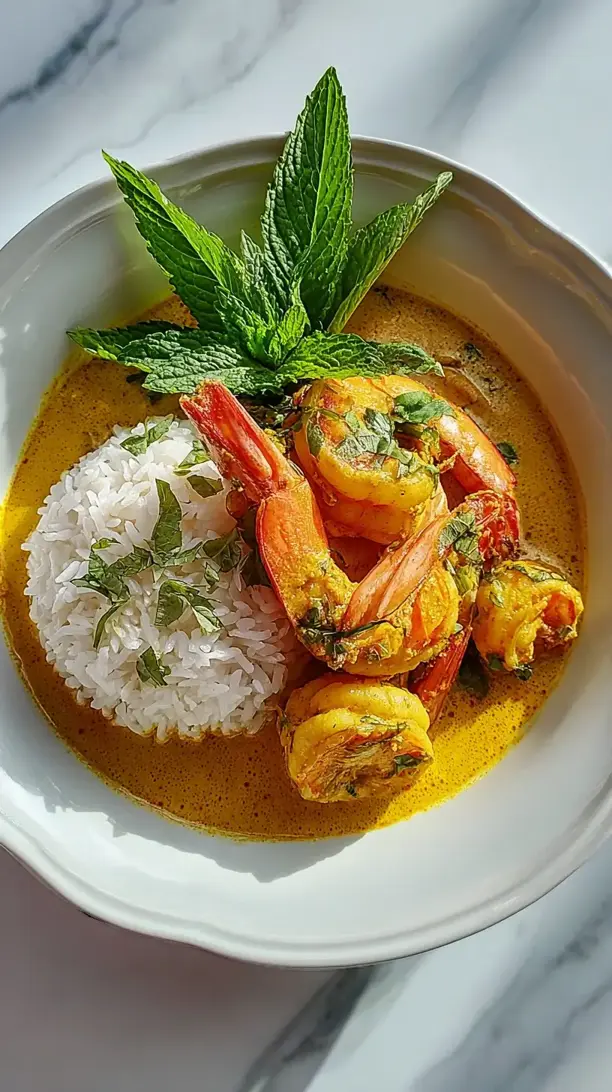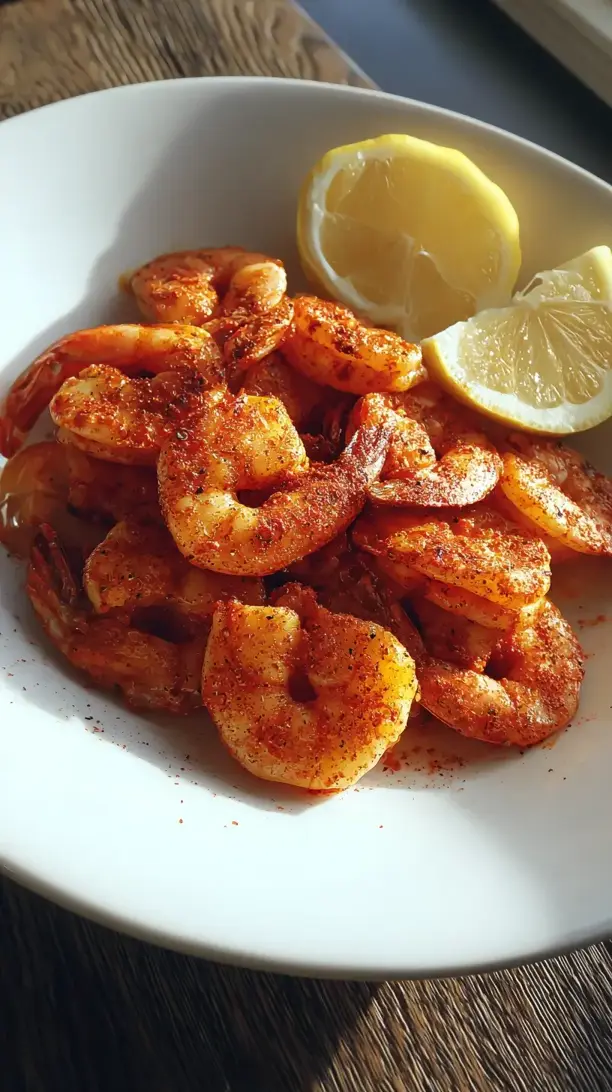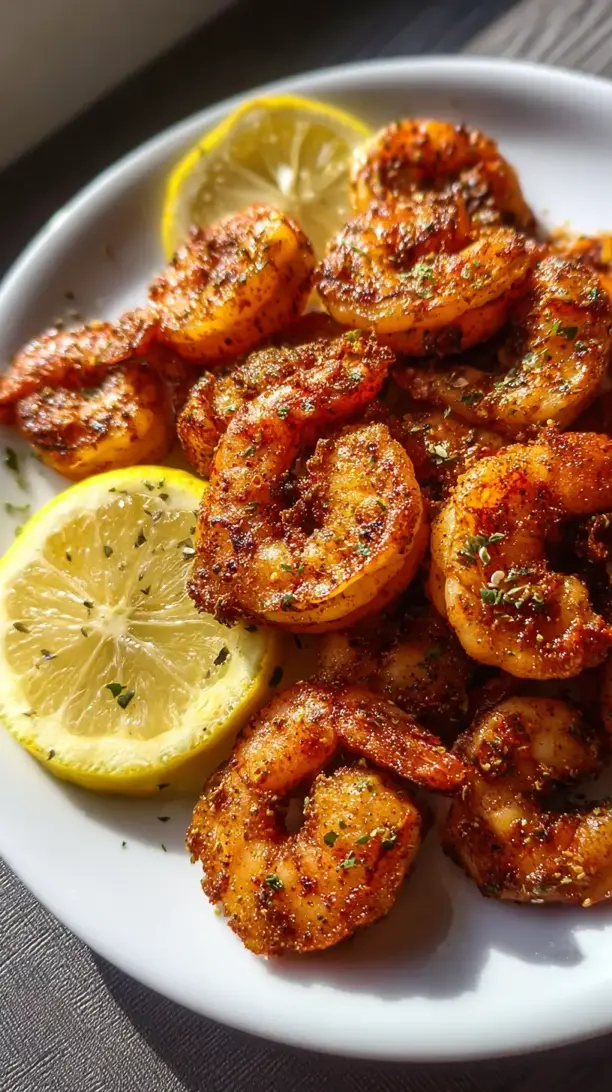

This Shrimp Rice Bowl is a comforting, balanced meal that comes together in under 30 minutes. It features plump, garlicky shrimp, fluffy jasmine rice, and fresh crunchy vegetables coated in a savory-sweet sauce. You’ll love how this Shrimp Rice Bowl delivers maximum flavor with minimal effort.
Why You’ll Love This Shrimp Rice Bowl
- Versatile & adaptable: Easily swap veggies based on what you have.
- Dynamic flavor profile: A perfect balance of umami, sweet, tangy, and aromatic notes.
- Quick & efficient: Ready from start to finish in under 30 minutes.
- Wholesome satisfaction: Packed with lean protein, good carbs, and fresh vegetables.
Ingredients & Tools
- 450 g large raw shrimp, peeled and deveined
- 180 g jasmine rice, uncooked
- 2 tbsp olive oil, divided
- 4 cloves garlic, minced
- 1 tbsp fresh ginger, grated
- 3 tbsp soy sauce (or tamari)
- 1 tbsp honey (or maple syrup)
- 1 tbsp rice vinegar
- 1 lime, juiced
- 1 red bell pepper, thinly sliced
- 1 small cucumber, julienned
- 2 spring onions, thinly sliced
- 1 large carrot, julienned
- 1 tbsp sesame seeds, for garnish
- Fresh coriander or parsley, for garnish
Tools: A medium saucepan with a lid, a large skillet or wok, a small bowl for mixing the sauce, and a sharp knife.
Notes: Don’t stress if you’re missing a vegetable or two — the beauty of this recipe is its flexibility. The real stars are the shrimp and that simple, incredible sauce. Using fresh ginger and garlic, rather than powdered, really does make a world of difference here, giving the dish a vibrant, aromatic backbone.
Nutrition (per serving)
| Calories: | 485 kcal |
| Protein: | 31 g |
| Fat: | 12 g |
| Carbs: | 62 g |
| Fiber: | 4 g |
Serves: 3 | Prep Time: 15 minutes | Cook Time: 15 minutes | Total Time: 30 minutes
Before You Start: Tips & Ingredient Notes
- What’s the deal with the shrimp? I highly recommend using raw, frozen shrimp that you’ve thawed yourself. They often have a better texture and flavor than “fresh” shrimp from the counter, which may have been previously frozen and thawed for an unknown amount of time. Just thaw them overnight in the fridge.
- Can I use a different rice? Absolutely! Jasmine rice is my favorite for its fragrance and slightly sticky texture, which holds the sauce beautifully. But brown rice, basmati, or even cauliflower rice will work. Just adjust the cooking time according to the package directions for your chosen rice.
- Why pat the shrimp dry? This is a small step with a big payoff. Dry shrimp will sear and get a lovely, light crust in the pan, rather than steaming in their own moisture. It’s the secret to achieving that perfect, springy texture instead of a rubbery one.
- Don’t skip the fresh aromatics. I know it’s tempting to reach for the garlic powder and ground ginger, but trust me on this. The sharp, pungent kick from fresh garlic and the bright, zesty warmth from fresh ginger are what make the sauce in this bowl truly sing.
How to Make Shrimp Rice Bowl
Step 1: First, let’s get the rice going since it takes the longest. Rinse your jasmine rice under cold water in a fine-mesh strainer until the water runs clear—this removes excess starch and keeps the grains from getting gummy. Add the rinsed rice to your saucepan with the appropriate amount of water (usually a 1:1.5 rice-to-water ratio). Bring it to a boil, then immediately reduce the heat to low, cover with a tight-fitting lid, and simmer for 15 minutes. After that, take it off the heat but leave the lid on—let it steam for another 10 minutes. This is the trick to perfectly fluffy rice.
Step 2: While the rice is cooking, it’s prep time. Pat your thawed shrimp very dry with paper towels—this is non-negotiable for a good sear. Mince your garlic and grate your ginger. In a small bowl, whisk together the soy sauce, honey, rice vinegar, and lime juice. This is your powerhouse sauce, so give it a little taste. It should be a beautiful balance of salty, sweet, and tangy. Feel free to adjust it to your liking!
Step 3: Now, let’s tackle the vegetables. Thinly slice the red bell pepper and spring onions. For the carrot and cucumber, I like to julienne them (cut them into thin matchsticks) for a nice, elegant crunch. You can use a mandoline for this if you have one, but a sharp knife works just fine. Having all your veggies prepped and ready to go makes the final assembly a breeze.
Step 4: Time to cook the shrimp! Heat one tablespoon of olive oil in your large skillet or wok over medium-high heat. Once the oil is shimmering, add the shrimp in a single layer. You’ll hear a satisfying sizzle. Cook for about 1-2 minutes per side, just until they turn pink and opaque. Don’t overcrowd the pan—cook in batches if necessary. As soon as they’re cooked, transfer them to a clean plate. We don’t want to overcook them, as they’ll continue to carryover cook a little.
Step 5: In the same skillet, reduce the heat to medium and add the remaining tablespoon of oil. Add the minced garlic and grated ginger. Stir constantly for just 30-60 seconds until incredibly fragrant—be careful not to let it burn, or it will turn bitter. This quick cook wakes up all their aromatic oils.
Step 6: Now, pour your pre-mixed sauce into the skillet. It will bubble and simmer immediately. Let it cook for about a minute, stirring occasionally, until it thickens slightly and becomes glossy. You’ll notice the aroma changing, becoming deeper and more savory.
Step 7: Return the cooked shrimp to the skillet, along with any accumulated juices on the plate. Toss everything together to coat the shrimp evenly in that glorious, sticky sauce. Let it heat through for another 30 seconds, just to marry all the flavors. And that’s it—your main component is done!
Step 8: Finally, it’s assembly time! Fluff your perfectly steamed rice with a fork. Divide it between your bowls. Top with a generous portion of the saucy shrimp. Artfully arrange your fresh, crunchy vegetables—the red bell pepper, julienned carrot, and cucumber—around the shrimp. Finish with a sprinkle of sliced spring onions, a pinch of sesame seeds, and a few leaves of fresh coriander. Dive in while it’s warm!
Storage & Freshness Guide
- Fridge: Store components separately in airtight containers for up to 2 days.
- Freezer: Freeze cooked shrimp and rice (without fresh veggies) for up to 1 month.
- Reviving: Gently reheat shrimp and rice; add fresh veggies after warming.
Serving Suggestions
Complementary Dishes
- A simple side salad with a ginger-sesame dressing — It echoes the Asian-inspired flavors in the bowl without competing for attention, adding another layer of freshness.
- Quick-pickled radishes or red onions — Their sharp, acidic bite provides a fantastic contrast to the rich, savory shrimp and sweet vegetables, cutting through the richness beautifully.
- Steamed or roasted broccoli — An easy way to add more green to your meal; the earthy flavor of broccoli is a classic partner for shrimp and garlic.
Drinks
- A crisp, dry Riesling or Pinot Grigio — The slight sweetness and high acidity in these wines balance the saltiness of the soy sauce and cleanse the palate between bites.
- Iced green tea with a sprig of mint — Its clean, slightly bitter notes are incredibly refreshing and complement the ginger and lime in the dish perfectly.
- A light lager or a citrusy IPA — The carbonation and hop bitterness act as a fantastic counterpoint to the dish’s umami and slight sweetness.
Something Sweet
- Mango sorbet or coconut ice cream — The tropical, fruity sweetness is a natural follow-up to the flavors in the bowl and feels light and refreshing after the main course.
- Fortune cookies and fresh orange wedges — A simple, classic, and almost ceremonial way to end the meal on a sweet and slightly whimsical note.
- Matcha white chocolate chip cookies — The earthy, slightly bitter matcha is a sophisticated flavor that pairs wonderfully with the meal’s profile, and who can say no to a warm cookie?
Top Mistakes to Avoid
- Overcooking the shrimp. Shrimp cook incredibly fast and become tough and rubbery if left on the heat for too long. The moment they curl into a “C” shape and turn opaque, they’re done. I’ve messed this up before too, and it’s a real shame.
- Crowding the skillet when searing. If you dump all the shrimp in at once, they’ll steam instead of sear. You want that nice, light browning for maximum flavor. If your pan is small, just cook them in two batches.
- Using bottled lime juice. The flavor is just not the same. Freshly squeezed lime juice has a vibrant, bright acidity that bottled stuff completely lacks. It’s worth the extra 30 seconds to squeeze a real lime.
- Skipping the rice rinse. This seems like a minor step, but it prevents your rice from being a sticky, gummy mess. Fluffy, separate grains are what we’re aiming for to carry all that delicious sauce.
Expert Tips
- Tip: For an extra layer of flavor, marinate your shrimp. After patting them dry, toss them with a tablespoon of the sauce and let them sit for 10-15 minutes in the fridge before cooking. This gives them a deeper flavor from the inside out.
- Tip: Toast your sesame seeds. Adding them straight from the packet is fine, but if you toast them in a dry pan for a minute or two until golden, their nutty flavor becomes exponentially more intense and aromatic.
- Tip: Make a double batch of the sauce. It’s so good you’ll want to have extra. You can store it in a jar in the fridge for up to a week and use it as a dressing for salads, a marinade for chicken, or a drizzle for roasted vegetables.
- Tip: Add a kick of heat. If you like spice, add a teaspoon of sriracha or a pinch of red pepper flakes to the sauce mixture. It introduces a warm, tingling heat that plays wonderfully with the other flavors.
FAQs
Can I make this Shrimp Rice Bowl ahead of time?
Absolutely, it’s a fantastic meal prep option! The key is to keep the components separate. Cook the shrimp and sauce, let them cool, and store them in one container. Store the cooked rice and fresh vegetables in their own containers. When ready to eat, you can enjoy it cold or gently reheat the shrimp and rice before assembling with the cold, crunchy veggies. The vegetables will lose their crispness if stored with the warm shrimp, so separation is crucial.
What’s the best way to reheat it?
The best method is to reheat the shrimp and rice gently to avoid overcooking the shrimp. I recommend using a microwave at 50% power, stirring occasionally, or reheating in a skillet over low heat with a tiny splash of water to create steam. Always add the fresh, raw vegetables after reheating so they stay crisp and refreshing.
I don’t eat shrimp. What’s a good protein substitute?
No problem at all! This recipe is very adaptable. Thinly sliced chicken breast or thighs would be fantastic—just sauté them until cooked through before proceeding with the sauce. Firm tofu (cubed and pan-fried until golden) or even scallops would also be excellent substitutes that work well with the flavor profile.
Is this recipe gluten-free?
It can be, very easily! Just ensure you use tamari instead of regular soy sauce, as tamari is typically wheat-free. Double-check the labels on your other sauces (like rice vinegar) to be safe, but most are naturally gluten-free. With that simple swap, you’re good to go.
My sauce didn’t thicken. What did I do wrong?
This usually happens if there’s too much liquid in the pan from the shrimp. Remember to pat your shrimp very dry before cooking. If your sauce is still too thin, you can let it simmer for another minute or two to reduce further. As a quick fix, mix a teaspoon of cornstarch with a tablespoon of cold water and stir it into the simmering sauce—it will thicken up almost instantly.

Shrimp Rice Bowl
Make a delicious Shrimp Rice Bowl in under 30 minutes! Featuring garlicky shrimp, fluffy rice, and fresh veggies. Get the easy, flavorful recipe now!
Ingredients
For the Shrimp Rice Bowl
-
450 g large raw shrimp (peeled and deveined)
-
180 g jasmine rice (uncooked)
-
2 tbsp olive oil (divided)
-
4 cloves garlic (minced)
-
1 tbsp fresh ginger (grated)
-
3 tbsp soy sauce (or tamari)
-
1 tbsp honey (or maple syrup)
-
1 tbsp rice vinegar
-
1 lime (juiced)
-
1 red bell pepper (thinly sliced)
-
1 small cucumber (julienned)
-
2 spring onions (thinly sliced)
-
1 large carrot (julienned)
-
1 tbsp sesame seeds (for garnish)
-
Fresh coriander or parsley (for garnish)
Instructions
-
First, let's get the rice going since it takes the longest. Rinse your jasmine rice under cold water in a fine-mesh strainer until the water runs clear—this removes excess starch and keeps the grains from getting gummy. Add the rinsed rice to your saucepan with the appropriate amount of water (usually a 1:1.5 rice-to-water ratio). Bring it to a boil, then immediately reduce the heat to low, cover with a tight-fitting lid, and simmer for 15 minutes. After that, take it off the heat but leave the lid on—let it steam for another 10 minutes. This is the trick to perfectly fluffy rice.01
-
While the rice is cooking, it’s prep time. Pat your thawed shrimp very dry with paper towels—this is non-negotiable for a good sear. Mince your garlic and grate your ginger. In a small bowl, whisk together the soy sauce, honey, rice vinegar, and lime juice. This is your powerhouse sauce, so give it a little taste. It should be a beautiful balance of salty, sweet, and tangy. Feel free to adjust it to your liking!02
-
Now, let's tackle the vegetables. Thinly slice the red bell pepper and spring onions. For the carrot and cucumber, I like to julienne them (cut them into thin matchsticks) for a nice, elegant crunch. You can use a mandoline for this if you have one, but a sharp knife works just fine. Having all your veggies prepped and ready to go makes the final assembly a breeze.03
-
Time to cook the shrimp! Heat one tablespoon of olive oil in your large skillet or wok over medium-high heat. Once the oil is shimmering, add the shrimp in a single layer. You’ll hear a satisfying sizzle. Cook for about 1-2 minutes per side, just until they turn pink and opaque. Don’t overcrowd the pan—cook in batches if necessary. As soon as they’re cooked, transfer them to a clean plate. We don’t want to overcook them, as they’ll continue to carryover cook a little.04
-
In the same skillet, reduce the heat to medium and add the remaining tablespoon of oil. Add the minced garlic and grated ginger. Stir constantly for just 30-60 seconds until incredibly fragrant—be careful not to let it burn, or it will turn bitter. This quick cook wakes up all their aromatic oils.05
-
Now, pour your pre-mixed sauce into the skillet. It will bubble and simmer immediately. Let it cook for about a minute, stirring occasionally, until it thickens slightly and becomes glossy. You’ll notice the aroma changing, becoming deeper and more savory.06
-
Return the cooked shrimp to the skillet, along with any accumulated juices on the plate. Toss everything together to coat the shrimp evenly in that glorious, sticky sauce. Let it heat through for another 30 seconds, just to marry all the flavors. And that’s it—your main component is done!07
-
Finally, it’s assembly time! Fluff your perfectly steamed rice with a fork. Divide it between your bowls. Top with a generous portion of the saucy shrimp. Artfully arrange your fresh, crunchy vegetables—the red bell pepper, julienned carrot, and cucumber—around the shrimp. Finish with a sprinkle of sliced spring onions, a pinch of sesame seeds, and a few leaves of fresh coriander. Dive in while it's warm!08