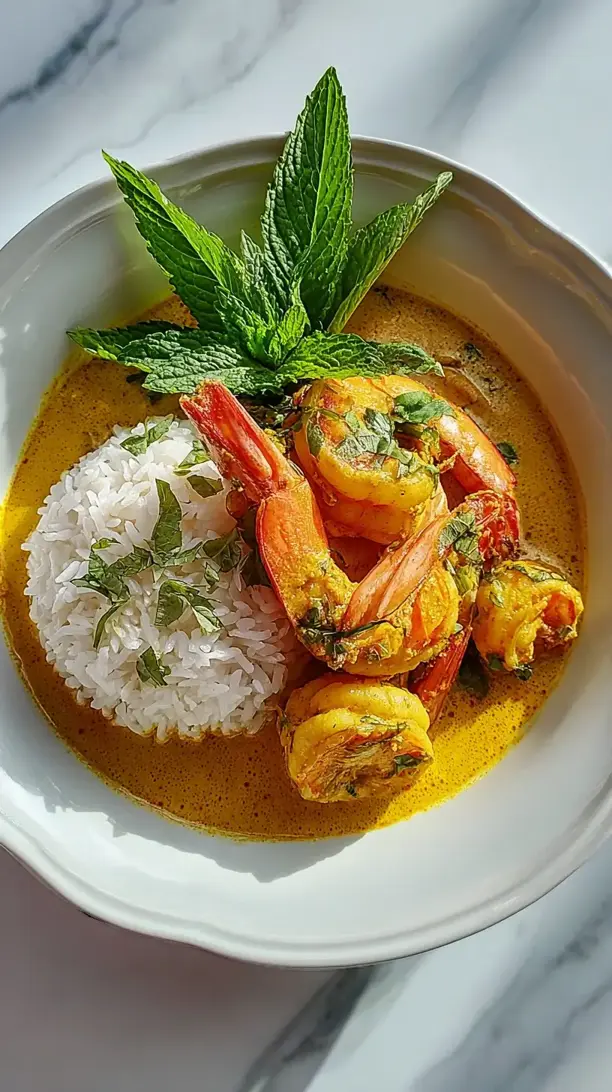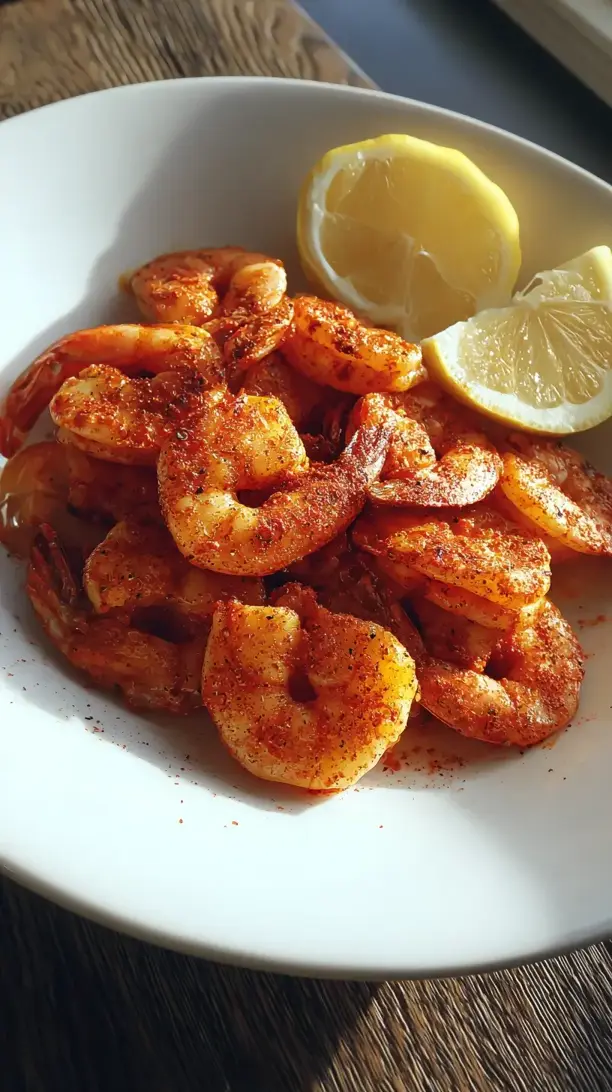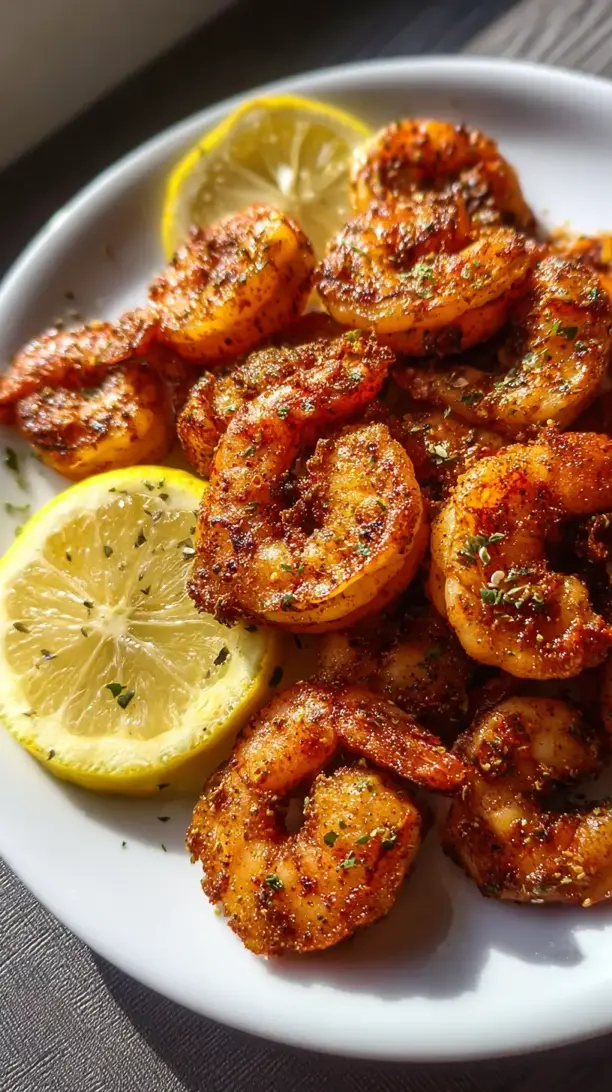

Shrimp Piccata is a bright, elegant dish that comes together in minutes. Plump shrimp cook quickly in a vibrant, buttery lemon-caper sauce that’s tangy, briny, and rich. It’s perfect for a weeknight dinner or a special occasion.
Why You’ll Love This Shrimp Piccata
- Fast & easy: Ready in about 20 minutes with minimal cleanup.
- Bright & complex: Tangy lemon, briny capers, and rich butter create a balanced sauce.
- Elegant & impressive: Looks and tastes like a restaurant-quality meal.
- Versatile serving: Great over pasta, rice, potatoes, or with crusty bread.
Ingredients & Tools
- 450 g large shrimp, peeled and deveined
- 2 tbsp olive oil
- 3 tbsp unsalted butter, divided
- 4 cloves garlic, minced
- 120 ml dry white wine (like Sauvignon Blanc or Pinot Grigio)
- 240 ml chicken or vegetable broth
- Juice of 1 large lemon (about 3-4 tbsp)
- 3 tbsp capers, drained
- 2 tbsp fresh parsley, chopped
- Salt and freshly ground black pepper to taste
- ¼ tsp red pepper flakes (optional, for a little heat)
- 60 g all-purpose flour, for dredging
Tools: A large skillet (stainless steel or non-stick), tongs, a microplane or garlic press, and a citrus juicer.
Notes: Fresh lemon juice is essential for bright flavor. Use a dry white wine you enjoy drinking, and don’t skip the capers—they add essential brininess.
Nutrition (per serving)
| Calories: | 320 kcal |
| Protein: | 28 g |
| Fat: | 16 g |
| Carbs: | 12 g |
| Fiber: | 1 g |
Serves: 4 | Prep Time: 10 minutes | Cook Time: 10 minutes | Total Time: 20 minutes
Before You Start: Tips & Ingredient Notes
- Pat your shrimp completely dry. This is the single most important step for getting a beautiful sear instead of a steam. Use paper towels and really press down to remove all surface moisture. Wet shrimp will not brown properly.
- Don’t be shy with the seasoning. Season the flour you’re dredging the shrimp in with a good pinch of salt and pepper. This ensures every component is well-seasoned from the inside out, not just the sauce.
- Use a wine you’d actually drink. If you wouldn’t enjoy a glass of it, don’t cook with it. The flavor concentrates in the sauce, so a cheap, overly sweet wine will result in a less balanced final dish. A crisp, dry white is perfect.
- Have all your ingredients prepped and ready. This is a fast-paced recipe once you start cooking. Having your garlic minced, lemon juiced, and broth measured out means you won’t be scrambling and risk overcooking the shrimp while you search for the capers.
How to Make Shrimp Piccata
Step 1: Start by preparing your shrimp. If they aren’t already, peel and devein them, leaving the tails on or off based on your preference. Pat them thoroughly dry with paper towels—this is crucial for browning. Season them lightly with salt and pepper on both sides. Place the flour on a plate and dredge each shrimp lightly, shaking off any excess. You’re just looking for a very light, even coating to help them crisp up and to thicken the sauce later.
Step 2: Heat the olive oil and 1 tablespoon of the butter in a large skillet over medium-high heat. Once the butter has melted and the foam subsides, the pan is hot enough. You should see the oil shimmering. Working in batches if necessary to avoid crowding the pan, add the shrimp in a single layer. Cook for about 1-2 minutes per side, until they turn pink and opaque and develop a golden-brown crust. Don’t move them around too much—let them sear! Remove the shrimp from the skillet and set them aside on a plate.
Step 3: Reduce the heat to medium. In the same skillet, you’ll now build your sauce with all the delicious browned bits left from the shrimp. Add the remaining 2 tablespoons of butter. Once melted, add the minced garlic and the optional red pepper flakes. Sauté for just about 30-60 seconds until the garlic is fragrant—be careful not to burn it, or it will turn bitter. You’ll notice the aroma is absolutely incredible at this point.
Step 4: Pour in the white wine to deglaze the pan. Use a wooden spoon or spatula to scrape up all those flavorful browned bits from the bottom of the pan. Let the wine simmer and reduce by about half, which should take 2-3 minutes. This cooks off the raw alcohol taste and concentrates the flavor. The sauce should look a little syrupy.
Step 5: Stir in the chicken broth, fresh lemon juice, and the drained capers. Bring the sauce to a lively simmer and let it cook for another 3-4 minutes, allowing it to reduce and thicken slightly. You’ll see it start to coat the back of a spoon. This is when the flavors are melding together perfectly.
Step 6: Return the cooked shrimp to the skillet, along with any accumulated juices from the plate. Toss everything gently to coat the shrimp in the sauce and heat them through, which should only take about a minute. Stir in the fresh parsley right at the end for a burst of color and freshness. Give the sauce a final taste and adjust the seasoning with more salt, pepper, or even a squeeze of lemon juice if you like it extra tangy. Serve immediately while it’s hot and the sauce is gloriously glossy.
Storage & Freshness Guide
- Fridge: Store leftovers in an airtight container for up to 2 days.
- Freezer: Not recommended; shrimp can become rubbery and sauce may separate.
- Reviving: Reheat gently in a skillet over low heat, adding a splash of broth or water to loosen the sauce.
Serving Suggestions
Complementary Dishes
- Lemon Parmesan Orzo — The creamy, cheesy orzo is a fantastic base that soaks up the piccata sauce beautifully, and the lemon in both dishes complements each other perfectly.
- Garlic Mashed Potatoes — For a truly comforting meal, spoon the shrimp and sauce over a big pile of fluffy, garlicky mashed potatoes. It’s pure, decadent comfort.
- Simple Arugula Salad — The peppery bite of arugula dressed with just a little olive oil and lemon juice provides a fresh, crisp contrast to the rich, buttery shrimp.
Drinks
- A Crisp Sauvignon Blanc — The wine’s citrusy and herbal notes mirror the flavors in the dish, making each sip and bite a harmonious experience.
- Sparkling Water with Lemon — A non-alcoholic option that still enhances the meal; the bubbles cleanse the palate and the lemon wedge ties right back to the main event.
Something Sweet
- Lemon Sorbet — A light, refreshing, and palate-cleansing dessert that continues the citrus theme without feeling too heavy after the main course.
- Panna Cotta with a Berry Compote — The smooth, creamy vanilla panna cotta and the slightly tart berries provide a lovely, elegant finish to the meal.
Top Mistakes to Avoid
- Overcooking the shrimp. Shrimp cook incredibly fast and become rubbery and tough if left on the heat for too long. They are done as soon as they turn opaque and form a loose “C” shape. Remember, they’ll heat through again at the end when you add them back to the sauce.
- Crowding the pan when searing. If you put too many shrimp in the pan at once, they’ll steam instead of sear. You want a single layer with a little space between each one to get that beautiful golden crust. Cook in batches if your skillet isn’t large enough.
- Burning the garlic. Garlic burns in a heartbeat and will make your entire sauce taste bitter. Once you add it to the pan, keep a close eye on it and stir constantly. It should only cook for about 30 seconds until it’s just fragrant.
- Using bottled lemon juice. The fresh, bright flavor of this dish hinges on real, fresh lemon juice. Bottled juice has a flat, sometimes metallic taste that will let the whole dish down. It’s worth the extra minute to juice a fresh lemon.
Expert Tips
- Tip: Brown your butter for a nutty depth. Before adding the garlic in Step 3, let the butter cook until it turns a light golden brown and smells nutty. This adds a whole new layer of complex flavor to the sauce that is absolutely divine.
- Tip: Add a splash of cream for a luxurious twist. After the sauce has reduced, stir in 2-3 tablespoons of heavy cream for a richer, velvety texture. It mellows the sharpness of the lemon just a touch and creates a more decadent experience.
- Tip: Finish with a cold knob of butter. After you’ve taken the skillet off the heat, swirl in one last tablespoon of cold, cubed butter. This French technique, called *monter au beurre*, gives the sauce an incredible shine and a silky, restaurant-quality finish.
- Tip: Use the shrimp shells for a quick stock. If you’re peeling the shrimp yourself, don’t toss the shells! Sauté them in a little oil, cover with water, and simmer for 20 minutes. Strain and use this incredibly flavorful shrimp stock in place of the chicken broth for an even more intense seafood flavor.
FAQs
Can I make this dish ahead of time?
You can prep the components ahead, but I don’t recommend fully cooking it in advance. You can peel and devein the shrimp, chop the parsley, and mince the garlic a few hours ahead. Store them separately in the fridge. The shrimp itself is best cooked just before serving to maintain its tender texture. If you do have leftovers, they will keep in the fridge for up to 2 days, but the sauce may separate a little upon reheating.
What can I use instead of white wine?
No problem! You can replace the white wine with an equal amount of additional chicken or vegetable broth. To mimic the acidity that the wine provides, add an extra tablespoon of fresh lemon juice to the sauce. It won’t be exactly the same, but it will still be delicious and bright.
My sauce is too thin. How can I thicken it?
The easiest fix is to let it simmer for another minute or two to reduce further. If it’s still not thickening to your liking, you can make a quick slurry. Mix one teaspoon of cornstarch with one tablespoon of cold water until smooth, then whisk it into the simmering sauce. It should thicken up almost instantly.
Can I use frozen shrimp?
Absolutely, frozen shrimp are often of great quality. Just be sure to thaw them properly first. The best method is to place them in a colander in the sink and run cold water over them until fully defrosted. Never thaw shrimp in warm water or at room temperature, as this can affect their texture.
Is there a substitute for capers?
If you’re not a fan of capers, you can try chopped green olives for a different kind of briny flavor. Alternatively, a tablespoon of chopped fresh dill can provide a nice herbal note, though you’ll lose the classic piccata brininess.

Shrimp Piccata
Make easy, elegant Shrimp Piccata in 20 minutes with this foolproof recipe. Plump shrimp in a tangy lemon-caper sauce. Get the step-by-step guide now!
Ingredients
For the Ingredients
-
450 g large shrimp (peeled and deveined)
-
2 tbsp olive oil
-
3 tbsp unsalted butter (divided)
-
4 cloves garlic (minced)
-
120 ml dry white wine (like Sauvignon Blanc or Pinot Grigio)
-
240 ml chicken or vegetable broth
-
1 large lemon (juiced, about 3-4 tbsp)
-
3 tbsp capers (drained)
-
2 tbsp fresh parsley (chopped)
-
Salt and freshly ground black pepper (to taste)
-
¼ tsp red pepper flakes (optional, for a little heat)
-
60 g all-purpose flour (for dredging)
Instructions
-
Start by preparing your shrimp. If they aren't already, peel and devein them, leaving the tails on or off based on your preference. Pat them thoroughly dry with paper towels—this is crucial for browning. Season them lightly with salt and pepper on both sides. Place the flour on a plate and dredge each shrimp lightly, shaking off any excess. You're just looking for a very light, even coating to help them crisp up and to thicken the sauce later.01
-
Heat the olive oil and 1 tablespoon of the butter in a large skillet over medium-high heat. Once the butter has melted and the foam subsides, the pan is hot enough. You should see the oil shimmering. Working in batches if necessary to avoid crowding the pan, add the shrimp in a single layer. Cook for about 1-2 minutes per side, until they turn pink and opaque and develop a golden-brown crust. Don't move them around too much—let them sear! Remove the shrimp from the skillet and set them aside on a plate.02
-
Reduce the heat to medium. In the same skillet, you'll now build your sauce with all the delicious browned bits left from the shrimp. Add the remaining 2 tablespoons of butter. Once melted, add the minced garlic and the optional red pepper flakes. Sauté for just about 30-60 seconds until the garlic is fragrant—be careful not to burn it, or it will turn bitter. You'll notice the aroma is absolutely incredible at this point.03
-
Pour in the white wine to deglaze the pan. Use a wooden spoon or spatula to scrape up all those flavorful browned bits from the bottom of the pan. Let the wine simmer and reduce by about half, which should take 2-3 minutes. This cooks off the raw alcohol taste and concentrates the flavor. The sauce should look a little syrupy.04
-
Stir in the chicken broth, fresh lemon juice, and the drained capers. Bring the sauce to a lively simmer and let it cook for another 3-4 minutes, allowing it to reduce and thicken slightly. You'll see it start to coat the back of a spoon. This is when the flavors are melding together perfectly.05
-
Return the cooked shrimp to the skillet, along with any accumulated juices from the plate. Toss everything gently to coat the shrimp in the sauce and heat them through, which should only take about a minute. Stir in the fresh parsley right at the end for a burst of color and freshness. Give the sauce a final taste and adjust the seasoning with more salt, pepper, or even a squeeze of lemon juice if you like it extra tangy. Serve immediately while it's hot and the sauce is gloriously glossy.06