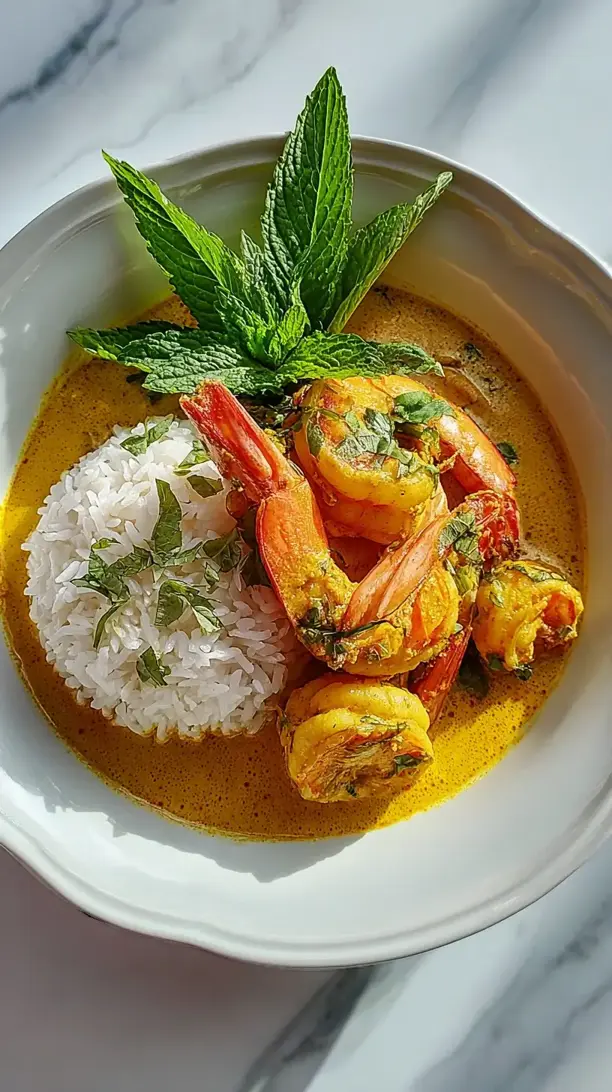

This Shrimp Pho delivers the aromatic depth of traditional pho in a fraction of the time. A clear, golden broth infused with charred aromatics and toasted spices cradles plump shrimp and silky rice noodles. It’s a vibrant, soul-warming bowl that feels both impressive and achievable on a weeknight.
Why You’ll Love This Shrimp Pho
- Surprisingly quick: Restaurant-quality pho ready in under an hour.
- Light yet aromatic broth: Fragrant, savory, and perfect for sipping.
- Fresh & customizable: Everyone builds their perfect bowl with herbs and toppings.
- Simple but impressive: Straightforward steps yield a deeply rewarding result.
Ingredients & Tools
- 1 large yellow onion, peeled and halved
- 1 3-inch piece of ginger, halved lengthwise
- 6 cups good-quality chicken or vegetable broth
- 3 star anise pods
- 1 cinnamon stick
- 3 whole cloves
- 1 tbsp coriander seeds
- 1 tbsp fish sauce (plus more for serving)
- 1 tsp granulated sugar
- 8 oz dried flat rice noodles (banh pho)
- 1 lb large raw shrimp, peeled and deveined
- For serving: fresh Thai basil, cilantro, mint, bean sprouts, lime wedges, thinly sliced jalapeño, and sriracha or hoisin sauce
Tools: A large stockpot, a medium saucepan for blanching noodles, a fine-mesh strainer, and tongs.
Notes: Don’t skip toasting the spices—it unlocks their essential oils. Use large shrimp for the best texture.
Nutrition (per serving)
| Calories: | 385 kcal |
| Protein: | 28 g |
| Fat: | 4 g |
| Carbs: | 58 g |
| Fiber: | 3 g |
Serves: 4 | Prep Time: 20 minutes | Cook Time: 35 minutes | Total Time: 55 minutes
Before You Start: Tips & Ingredient Notes
- Char your aromatics well. This isn’t just for a smoky flavor; it adds a subtle sweetness and complexity to the broth that you simply can’t get from raw onion and ginger. Don’t be shy—let them get a good blackening in a few spots.
- Toast your spices. I know I’ve said it already, but it’s that important. A dry toast in the pot for just 60-90 seconds transforms them from dusty jar ingredients into the fragrant heart of the pho. You’ll know it’s ready when the kitchen smells incredible.
- Prep all your toppings in advance. Pho is all about the assembly. Having your herbs washed, limes cut, and sprouts ready to go means you can go from pot to bowl in a flash, keeping everything hot and fresh.
- Don’t overcook the shrimp. They cook in mere minutes in the hot broth. If you add them too early, they’ll become tough and rubbery. The residual heat is your best friend here for perfectly tender shrimp.
How to Make Shrimp Pho
Step 1: Char the Aromatics. Place your halved onion and ginger pieces cut-side down in a dry skillet over medium-high heat. Let them cook, undisturbed, for about 5-7 minutes until deeply charred and blackened in spots. This feels a little wild, but it’s the secret to that deep, smoky-sweet base flavor. You can also do this under a broiler if you prefer.
Step 2: Toast the Spices. In your large stockpot over medium heat, add the star anise, cinnamon stick, cloves, and coriander seeds. Toast them, shaking the pan occasionally, for about 60-90 seconds until they are incredibly fragrant. Be careful not to burn them—you’re just waking them up. This is where the magic starts.
Step 3: Build the Broth. Carefully add the charred onion and ginger to the pot with the toasted spices. Pour in the chicken or vegetable broth, fish sauce, and sugar. Bring it to a boil, then immediately reduce the heat to low, cover, and let it simmer gently for 25 minutes. This simmering time allows all the flavors to meld and become one beautiful, aromatic liquid.
Step 4: Prepare the Noodles. While the broth simmers, cook your rice noodles according to the package directions. They usually just need a quick soak in hot water. Once they’re tender but still have a slight chew, drain and rinse them under cold water to stop the cooking process. This prevents them from turning into a gummy mess.
Step 5: Strain and Season the Broth. After 25 minutes, your broth will be a lovely golden color. Place a fine-mesh strainer over a large bowl and carefully strain the broth, discarding the solids. You should be left with a clear, fragrant broth. Taste it now—this is your moment. Adjust the seasoning with more fish sauce for saltiness or a pinch more sugar to balance, if needed.
Step 6: Cook the Shrimp and Assemble. Return the strained broth to the clean pot and bring it back to a bare simmer. Add the raw shrimp and cook for just 2-3 minutes until they turn pink and opaque. Divide the cooked noodles among four large bowls. Ladle the hot broth and shrimp over the noodles. Now, the fun part—bring the bowls to the table and let everyone pile on their favorite fresh toppings.
Storage & Freshness Guide
- Fridge: Store broth and components separately for up to 3 days.
- Freezer: Freeze strained broth in airtight containers for up to 3 months.
- Reviving: Gently reheat broth; refresh noodles with hot water if needed.
Serving Suggestions
Complementary Dishes
- Fresh Summer Rolls — The cool, soft rice paper wrappers filled with herbs and shrimp are a fantastic textural contrast to the hot, soupy pho. They’re light, refreshing, and perfect for dipping.
- Vietnamese Green Papaya Salad — This bright, crunchy, and tangy salad cuts through the richness of the broth beautifully. Its vibrant flavors make the whole meal feel like a feast.
Drinks
- Iced Vietnamese Coffee — The strong, dark roast coffee sweetened with condensed milk is a classic pairing. Its bold, bitter-sweet notes are a perfect palate cleanser between slurps of savory broth.
- Jasmine Iced Tea — A light, floral iced tea is a wonderfully simple and refreshing option that doesn’t compete with the complex spices in the pho. It’s clean, crisp, and hydrating.
Something Sweet
- Mango with Sticky Rice — The sweet, creamy coconut-infused sticky rice and ripe mango are a traditional and heavenly way to end the meal. It’s comforting and feels like a true celebration.
- Lychee Sorbet — For a lighter finish, a scoop of lychee sorbet is incredibly refreshing. Its floral, delicate sweetness is a lovely, clean note after the savory umami of the pho.
Top Mistakes to Avoid
- Mistake: Skipping the charring step for the onion and ginger. This step is not just for color; it caramelizes the natural sugars and adds a foundational layer of smoky depth that raw or sautéed aromatics simply can’t provide. Your broth will taste flat without it.
- Mistake: Boiling the broth vigorously after adding the spices. A gentle simmer is key. A rolling boil can make the broth cloudy and cause the delicate spices to turn bitter. You want a calm, steady bubble to infuse the flavors gracefully.
- Mistake: Overcooking the rice noodles and letting them sit. Rice noodles continue to soften and can become mushy. Cook them al dente, rinse with cold water to halt the cooking, and assemble your bowls immediately once the broth and shrimp are ready.
- Mistake: Adding the shrimp too early. I’ve messed this up before too… if you let the shrimp simmer in the broth for more than a few minutes, they’ll become tough and rubbery. They cook incredibly fast in the hot liquid, so add them at the very end.
Expert Tips
- Tip: Make a double batch of broth and freeze it. The strained, seasoned broth freezes beautifully for up to 3 months. Having pho broth ready to go in your freezer is the ultimate weeknight dinner hack—just heat, cook your noodles and protein, and dinner is served.
- Tip: Use a spider strainer for the shrimp. If you want perfectly clean broth, poach the shrimp in a spider strainer or sieve lowered into the simmering broth. This way, you can pull them out the moment they’re done, and any little bits stay out of your clear soup.
- Tip: For an extra layer of flavor, steep a piece of kombu. Add a 4-inch piece of dried kombu (seaweed) to the broth during the last 10 minutes of simmering. It won’t make it taste fishy, but it will add a subtle, savory umami boost that’s just incredible.
- Tip: Reheat noodles with a splash of hot water. If your noodles have clumped together while waiting, just place them in a colander and pour a kettle of boiling water over them. They’ll loosen up and become perfectly slippery again for your bowl.
FAQs
Can I use a different protein?
Absolutely! This broth is very versatile. Thinly sliced chicken breast or thigh would be wonderful—just poach it in the simmering broth until cooked through. For a vegetarian version, use firm tofu (add it at the end to heat through) or sautéed mushrooms. The spiced broth is the star and pairs well with many different ingredients.
My broth tastes a bit bland. What can I do?
This is a common worry! First, make sure you’ve seasoned it adequately with fish sauce—it provides the necessary saltiness and umami. If it’s still lacking, a splash of soy sauce or a pinch of MSG can work wonders. Sometimes, all it needs is another minute of simmering to concentrate the flavors. Taste and adjust at the very end, right before serving.
Can I make this recipe ahead of time?
You can definitely get a head start. The broth can be made completely, strained, and refrigerated for up to 3 days. In fact, it often tastes even better the next day. Just reheat it gently when you’re ready to serve. I’d recommend cooking the noodles and preparing the shrimp fresh, though, for the best texture.
Why do I have to rinse the noodles after cooking?
Rinsing the cooked rice noodles with cold water stops the cooking process instantly. If you don’t, they’ll continue to soften from their own residual heat and can become unpleasantly soft and sticky. Rinsing also removes excess surface starch, which keeps them separate and perfectly chewy.
Is there a substitute for fish sauce?
If you’re allergic or simply don’t have any, you can use light soy sauce or tamari. The flavor profile will be slightly different—you’ll lose that distinct fermented, funky depth—but it will still be deliciously savory. You could also use a tablespoon of white miso paste thinned with a little hot broth for a different kind of umami kick.

Shrimp Pho
Make this quick and aromatic Shrimp Pho at home in under an hour. A fragrant broth with plump shrimp and rice noodles. Get the easy recipe now!
Ingredients
For the Broth:
-
1 large yellow onion (peeled and halved)
-
1 3-inch piece ginger (halved lengthwise)
-
6 cups good-quality chicken or vegetable broth
-
3 star anise pods
-
1 cinnamon stick
-
3 whole cloves
-
1 tbsp coriander seeds
-
1 tbsp fish sauce (plus more for serving)
-
1 tsp granulated sugar
For the Noodles and Shrimp:
-
8 oz dried flat rice noodles (banh pho)
-
1 lb large raw shrimp (peeled and deveined)
For serving:
-
fresh Thai basil, cilantro, mint, bean sprouts, lime wedges, thinly sliced jalapeño, and sriracha or hoisin sauce
Instructions
-
Place your halved onion and ginger pieces cut-side down in a dry skillet over medium-high heat. Let them cook, undisturbed, for about 5-7 minutes until deeply charred and blackened in spots.01
-
In your large stockpot over medium heat, add the star anise, cinnamon stick, cloves, and coriander seeds. Toast them, shaking the pan occasionally, for about 60-90 seconds until they are incredibly fragrant.02
-
Carefully add the charred onion and ginger to the pot with the toasted spices. Pour in the chicken or vegetable broth, fish sauce, and sugar. Bring it to a boil, then immediately reduce the heat to low, cover, and let it simmer gently for 25 minutes.03
-
While the broth simmers, cook your rice noodles according to the package directions. Once they’re tender but still have a slight chew, drain and rinse them under cold water to stop the cooking process.04
-
After 25 minutes, place a fine-mesh strainer over a large bowl and carefully strain the broth, discarding the solids. Taste it now and adjust the seasoning with more fish sauce for saltiness or a pinch more sugar to balance, if needed.05
-
Return the strained broth to the clean pot and bring it back to a bare simmer. Add the raw shrimp and cook for just 2-3 minutes until they turn pink and opaque. Divide the cooked noodles among four large bowls. Ladle the hot broth and shrimp over the noodles.06