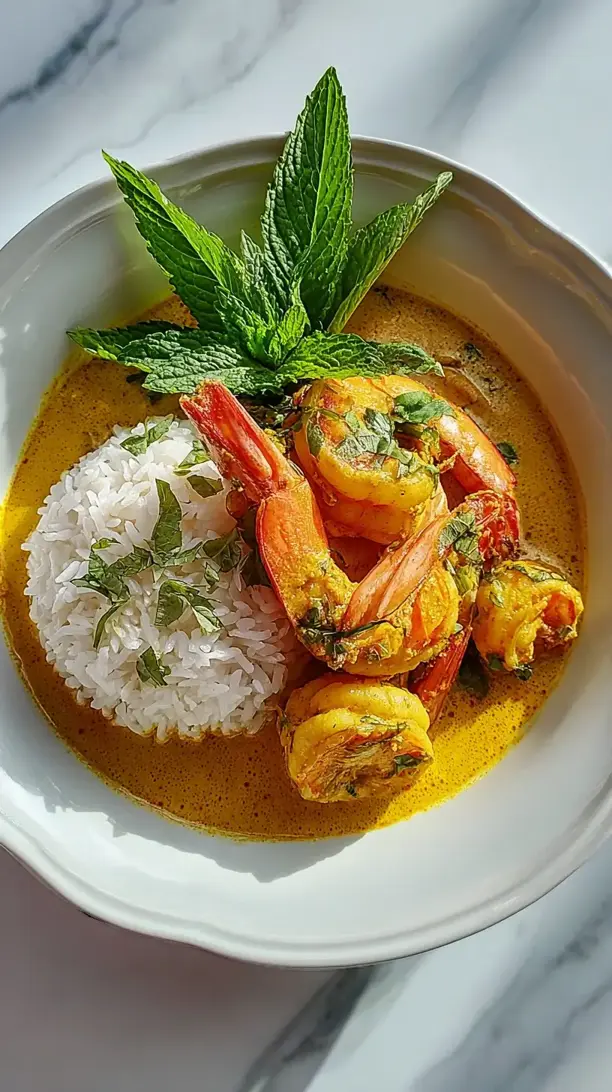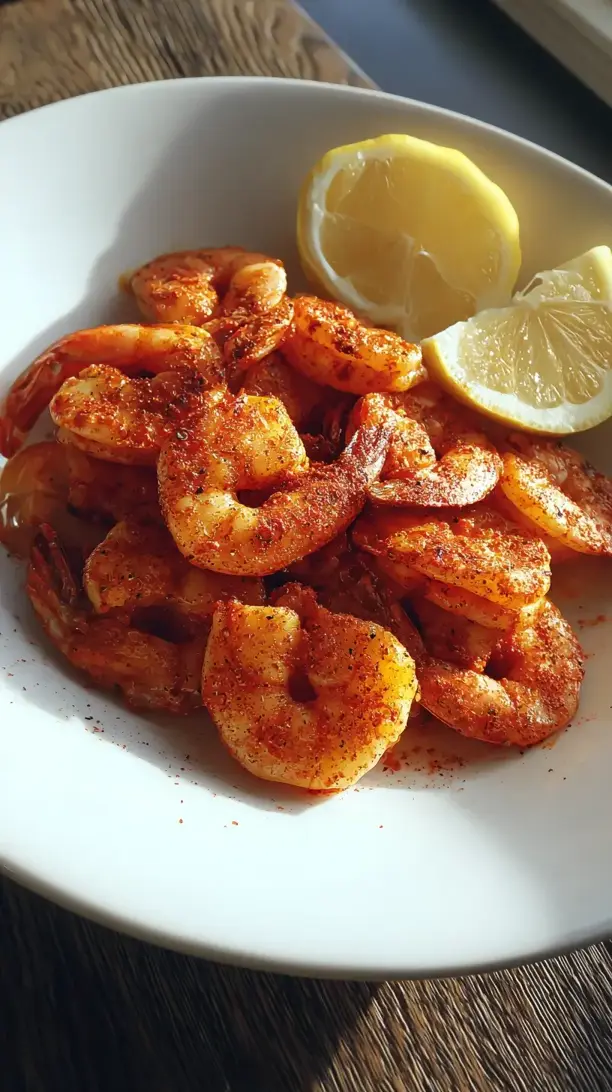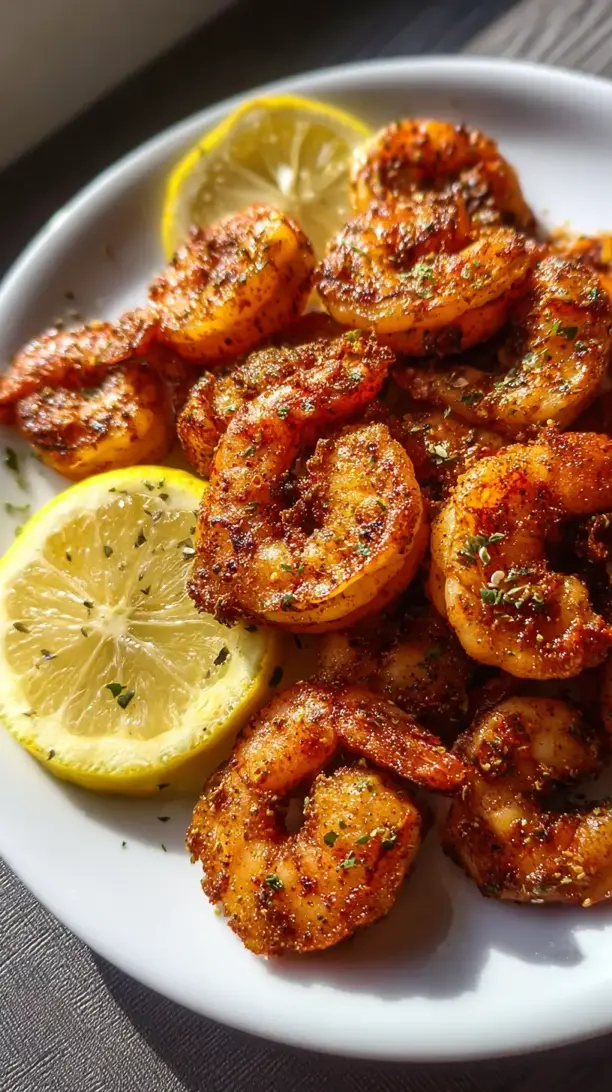

Shrimp fried rice is a comforting one-pan meal with fluffy rice, juicy shrimp, and savory-sweet sauce. This recipe delivers restaurant-quality results with perfect texture and smoky wok flavor. It comes together faster than takeout for a satisfying dinner.
Why You’ll Love This Shrimp Fried Rice
- One-pan meal: Protein, veggies, and carbs cook together for easy dinner and cleanup.
- Perfect texture: Fluffy rice, tender shrimp, and soft eggs create a satisfying bite.
- Versatile template: Easily adapt with ingredients you have on hand.
- Better than takeout: Fresher, more vibrant flavor when you control the ingredients.
Ingredients & Tools
- 450 g medium shrimp, peeled and deveined
- 3 cups cooked and completely cooled jasmine rice (day-old is best!)
- 2 large eggs, lightly beaten
- 3/4 cup frozen peas and carrots, thawed
- 3 cloves garlic, minced
- 1 tbsp fresh ginger, grated
- 3 scallions, sliced (whites and greens separated)
- 3 tbsp soy sauce (or tamari)
- 1 tbsp oyster sauce
- 1 tsp sesame oil
- 1/2 tsp white pepper
- 2 tbsp neutral oil (like avocado or canola), divided
- Salt to taste
Tools: A large wok or a very large, heavy-bottomed skillet is essential here.
Notes: Using day-old, cold rice is non-negotiable for the best texture. Oyster sauce adds deep, savory-sweet umami.
Nutrition (per serving)
| Calories: | 385 kcal |
| Protein: | 25 g |
| Fat: | 12 g |
| Carbs: | 42 g |
| Fiber: | 2 g |
Serves: 4 | Prep Time: 15 minutes | Cook Time: 10 minutes | Total Time: 25 minutes
Before You Start: Tips & Ingredient Notes
- Your rice must be cold. I know I already mentioned it, but it’s that important. Spread freshly cooked rice on a baking sheet to cool it quickly if you’re in a pinch, but honestly, planning ahead and using rice from yesterday is the ultimate game-changer.
- Have everything prepped and within arm’s reach. Fried rice cooks in a flash. Once you start, there’s no time to mince garlic or measure sauces. This is a classic “mise en place” situation — get all your ingredients chopped, measured, and lined up next to the stove before you even turn on the heat.
- Don’t skip the white pepper. It has a distinct, aromatic heat that is classic in Chinese fried rice. Black pepper can work in a pinch, but the flavor profile is just not the same. It’s worth seeking out.
- Use a high-smoke-point oil. You’ll be cooking over very high heat, so an oil like avocado, peanut, or canola is perfect. Save that extra virgin olive oil for your salads — it will burn and smoke terribly here.
How to Make Shrimp Fried Rice
Step 1: Start by patting your shrimp completely dry with paper towels. This is crucial for getting a nice sear instead of steaming them. Season them lightly with a pinch of salt and white pepper. Place your wok or large skillet over high heat and let it get screaming hot — you should see a faint wisp of smoke. Add one tablespoon of your neutral oil and swirl it around to coat the surface.
Step 2: Add the shrimp to the hot wok in a single layer. Let them cook undisturbed for about 60-90 seconds to get a beautiful sear on one side. You’ll hear a fierce sizzle — that’s what you want! Flip them over and cook for another 60 seconds until they’re just pink, opaque, and curled. They cook fast, so don’t walk away! Scoop them out immediately and set them aside in a bowl. They will finish cooking later when we add them back.
Step 3: Reduce the heat to medium-high and add the remaining tablespoon of oil to the wok. Pour in your lightly beaten eggs. Let them set for about 15-20 seconds, then quickly scramble them by dragging your spatula through the center. You’re aiming for soft, large curds. Just before they’re fully set, push them to one side of the wok. We want them to be a little underdone so they stay tender.
Step 4: Now, crank the heat back up to high. It’s showtime! Add the white parts of your scallions, the minced garlic, and grated ginger right into the center of the wok. Stir constantly for just 20-30 seconds until they become incredibly fragrant. You don’t want to burn the garlic, so keep it moving! This quick bloom is where a ton of the base flavor comes from.
Step 5: Add your cold, clumpy rice to the wok. Use your spatula to press down and break up any large clumps. The trick is to toss and stir-fry the rice constantly, ensuring each grain gets coated in the hot oil and aromatics. You’ll notice the rice will start to “dance” in the wok, making little popping sounds as it fries and separates. This should take about 2-3 minutes.
Step 6: Now for the sauce and veggies. Drizzle the soy sauce and oyster sauce over the rice. Toss everything together quickly — the rice should immediately take on a lovely, even brown color from the sauces. Add the thawed peas and carrots, and continue to stir-fry for another minute to heat the vegetables through.
Step 7: It’s time to bring it all together. Add the cooked shrimp and any accumulated juices back into the wok, along with the scrambled eggs and the green parts of the scallions. Give everything one final, vigorous toss to combine and heat the shrimp through, which should only take about 30-45 seconds.
Step 8: Turn off the heat. Drizzle the sesame oil over the top and give it one last gentle stir. The residual heat will warm the sesame oil, releasing its nutty aroma without burning it. Do a final taste test — you might want an extra splash of soy sauce, but it’s unlikely. Serve immediately while it’s piping hot and wonderfully fragrant!
Storage & Freshness Guide
- Fridge: Store in an airtight container for up to 3 days.
- Freezer: Freeze in sealed bags for up to 2 months.
- Reviving: Reheat in a skillet over medium heat, sprinkling with a few drops of water to refresh.
Serving Suggestions
Complementary Dishes
- A simple cucumber salad — The cool, crisp, and slightly tangy crunch of a quick-pickled cucumber salad is the perfect palate cleanser against the rich, savory notes of the fried rice.
- Egg drop soup — Start the meal with this classic, silky soup. It’s light and comforting, setting the stage perfectly for the main event without filling you up too much.
- Stir-fried greens with garlic — Bok choy or gai lan quickly stir-fried with a bit of garlic and a splash of broth adds a vibrant, healthy green element to your plate.
Drinks
- Jasmine tea (iced or hot) — Its delicate floral notes are a traditional and wonderful pairing that cuts through the oil and enhances the meal’s overall flavor profile without overpowering it.
- A light lager or pilsner — The crisp, clean, and slightly bitter finish of a cold beer is fantastic for washing down each savory bite and cleansing the palate.
- Gewürztraminer — This off-dry white wine has lychee and spice notes that complement the sweet shrimp and the savory, umami-rich sauce beautifully.
Something Sweet
- Mango with sticky rice — The sweet, creamy mango and the rich, coconut-infused sticky rice provide a lush and tropical finish that feels like a true celebration.
- Lychee sorbet — A few scoops of this light, floral, and refreshing sorbet are the perfect way to end the meal on a bright and clean note.
- Fortune cookies — It’s a classic for a reason! That little bit of sweet crunch and a fun message is a playful, nostalgic way to cap off your homemade takeout feast.
Top Mistakes to Avoid
- Mistake: Using warm, freshly cooked rice. This is the number one reason homemade fried rice turns out mushy. The excess moisture steams the rice instead of frying it, resulting in a sticky, clumpy mess rather than distinct, fluffy grains.
- Mistake: Overcrowding the wok. If you dump all the ingredients in at once, the temperature of your wok plummets. You end up stewing the food instead of stir-frying it. Cook in stages for the best sear and texture.
- Mistake: Burning the garlic and ginger. These aromatics are delicate and can turn bitter in a matter of seconds over high heat. Add them after you’ve cooked other elements and stir constantly for just 20-30 seconds until fragrant.
- Mistake: Overcooking the shrimp. Shrimp cook incredibly fast and become tough and rubbery if left in the wok too long. Cook them just until pink and opaque, then remove them. They’ll heat through again at the very end.
Expert Tips
- Tip: Press your rice. When you add the cold rice to the wok, press it down firmly with the back of your spatula against the hot surface. This creates more surface contact, which leads to better browning and that desirable, slightly crispy bits of rice.
- Tip: Season your wok. If you’re using a carbon steel wok, a well-seasoned surface is key. It creates a natural non-stick coating and contributes to that authentic “wok hei” flavor. A little goes a long way here.
- Tip: Add a tiny bit of sugar. If you find your fried rice is a little flat, a pinch (like 1/4 tsp) of sugar can be a secret weapon. It doesn’t make it sweet, but it helps balance and round out the salty and savory flavors.
- Tip: Let the rice sit. After you’ve added the rice and sauce, let it sit for 30-45 seconds without stirring. This allows the bottom layer to get a slight crust, adding an amazing textural element to the final dish.
FAQs
Can I use freshly cooked rice if I’m in a hurry?
You can, but you have to cheat the system a bit. Spread your freshly cooked rice in a thin, even layer on a large baking sheet. Pop it in the freezer for 15-20 minutes, stirring it once or twice. This will pull a lot of the surface moisture out and cool it down rapidly. It’s not *quite* as good as day-old rice, but it’s a solid plan B that will save you from a gummy disaster.
What’s the best substitute for oyster sauce?
If you’re vegetarian or just don’t have any, you have a couple of options. You can use hoisin sauce, though it’s a bit sweeter and thicker, so use a little less. Alternatively, a combination of extra soy sauce with a tiny dash of fish sauce or even a teaspoon of mushroom powder mixed with a tablespoon of water can help replicate that deep, savory umami punch.
My fried rice always sticks to the pan. What am I doing wrong?
This usually comes down to two things: heat and oil. First, make sure your wok is properly preheated before adding the oil, and then make sure the oil is hot before adding your food — this is called “hot wok, cold oil” and it prevents sticking. Second, don’t be shy with the oil. You need enough to create a slick surface for the rice to fry, not steam. Using a well-seasoned carbon steel or cast iron wok also makes a world of difference.
Can I make this ahead of time?
Fried rice is always best served immediately, straight from the wok. However, you can absolutely prep all your ingredients ahead of time. Have your shrimp cleaned, your veggies chopped, and your sauce mixed. Store everything in separate containers in the fridge. When you’re ready to eat, the actual cooking process will only take about 10 minutes. Leftovers will keep for 2-3 days in the fridge and reheat fairly well in a skillet over medium heat.
Why are my scrambled eggs in the fried rice rubbery?
You’re probably overcooking them. The key is to cook the eggs just until they are softly set and still a bit wet. Remember, they are going back into the hot wok at the end to warm through. If you cook them until they are completely firm and dry in the first step, they will become tough and rubbery by the time the dish is finished. Think soft, fluffy curds, not hard scrambled.
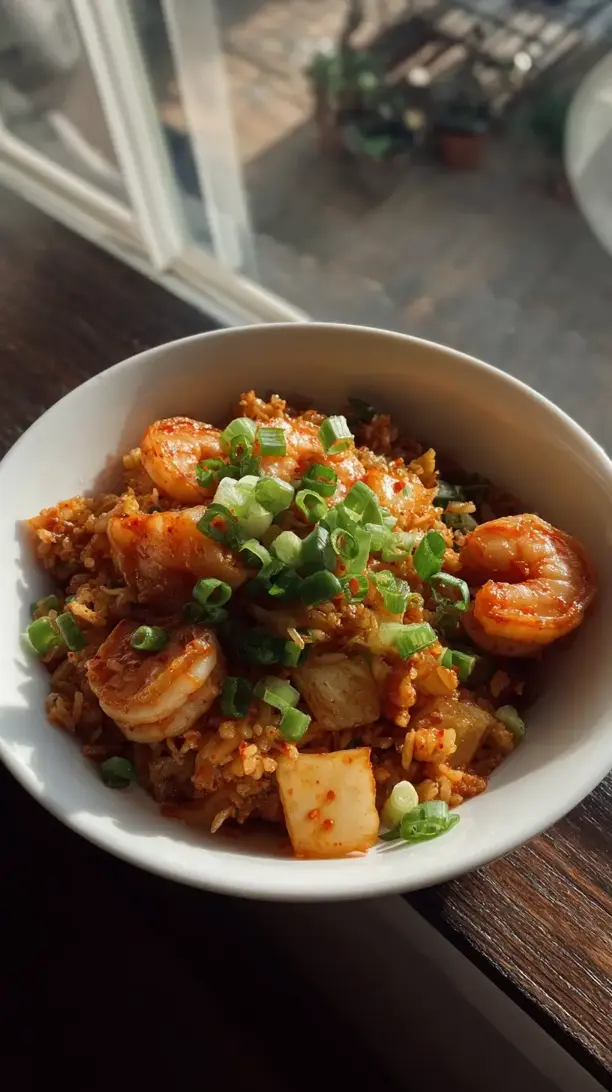
Shrimp Fried Rice
Make the best Shrimp Fried Rice at home with this easy recipe. Get fluffy rice, tender shrimp, and authentic wok flavor in under 30 minutes. Cook it tonight!
Ingredients
For the main ingredients:
-
450 g medium shrimp (peeled and deveined)
-
3 cups cooked and completely cooled jasmine rice
-
2 large eggs (lightly beaten)
-
3/4 cup frozen peas and carrots (thawed)
-
3 cloves garlic (minced)
-
1 tbsp fresh ginger (grated)
-
3 scallions (sliced)
-
3 tbsp soy sauce
-
1 tbsp oyster sauce
-
1 tsp sesame oil
-
1/2 tsp white pepper
-
2 tbsp neutral oil (divided)
-
Salt (to taste)
Instructions
-
Start by patting your shrimp completely dry with paper towels. Season them lightly with a pinch of salt and white pepper. Place your wok or large skillet over high heat and let it get screaming hot. Add one tablespoon of your neutral oil and swirl it around to coat the surface.01
-
Add the shrimp to the hot wok in a single layer. Let them cook undisturbed for about 60-90 seconds to get a beautiful sear on one side. Flip them over and cook for another 60 seconds until they're just pink, opaque, and curled. Scoop them out immediately and set them aside in a bowl.02
-
Reduce the heat to medium-high and add the remaining tablespoon of oil to the wok. Pour in your lightly beaten eggs. Let them set for about 15-20 seconds, then quickly scramble them by dragging your spatula through the center. Just before they're fully set, push them to one side of the wok.03
-
Crank the heat back up to high. Add the white parts of your scallions, the minced garlic, and grated ginger right into the center of the wok. Stir constantly for just 20-30 seconds until they become incredibly fragrant.04
-
Add your cold, clumpy rice to the wok. Use your spatula to press down and break up any large clumps. Toss and stir-fry the rice constantly, ensuring each grain gets coated in the hot oil and aromatics for about 2-3 minutes.05
-
Drizzle the soy sauce and oyster sauce over the rice. Toss everything together quickly. Add the thawed peas and carrots, and continue to stir-fry for another minute to heat the vegetables through.06
-
Add the cooked shrimp and any accumulated juices back into the wok, along with the scrambled eggs and the green parts of the scallions. Give everything one final, vigorous toss to combine and heat the shrimp through for about 30-45 seconds.07
-
Turn off the heat. Drizzle the sesame oil over the top and give it one last gentle stir. Do a final taste test. Serve immediately while it's piping hot and wonderfully fragrant.08