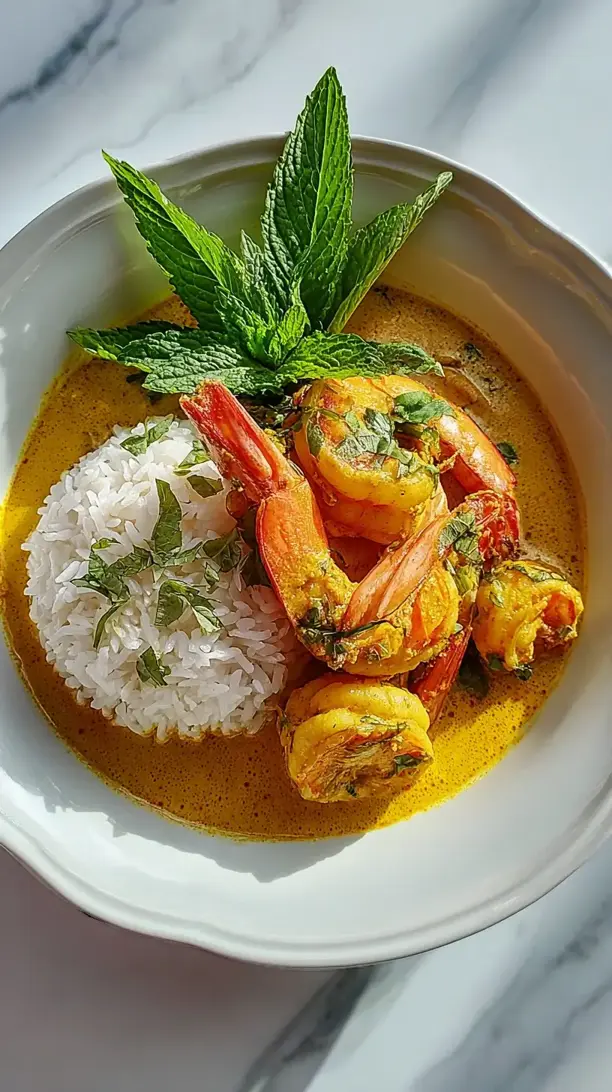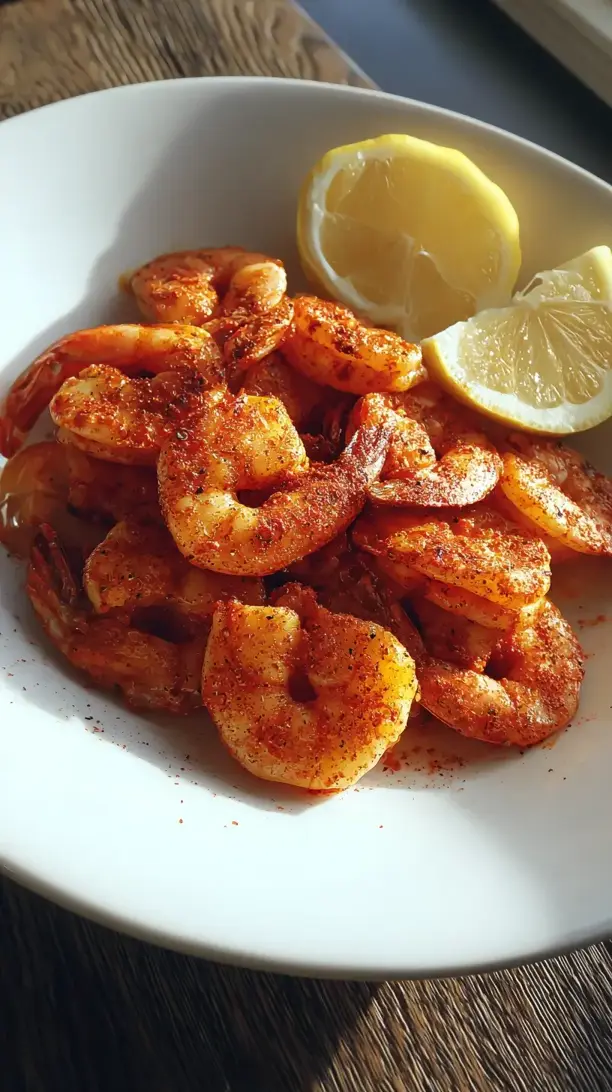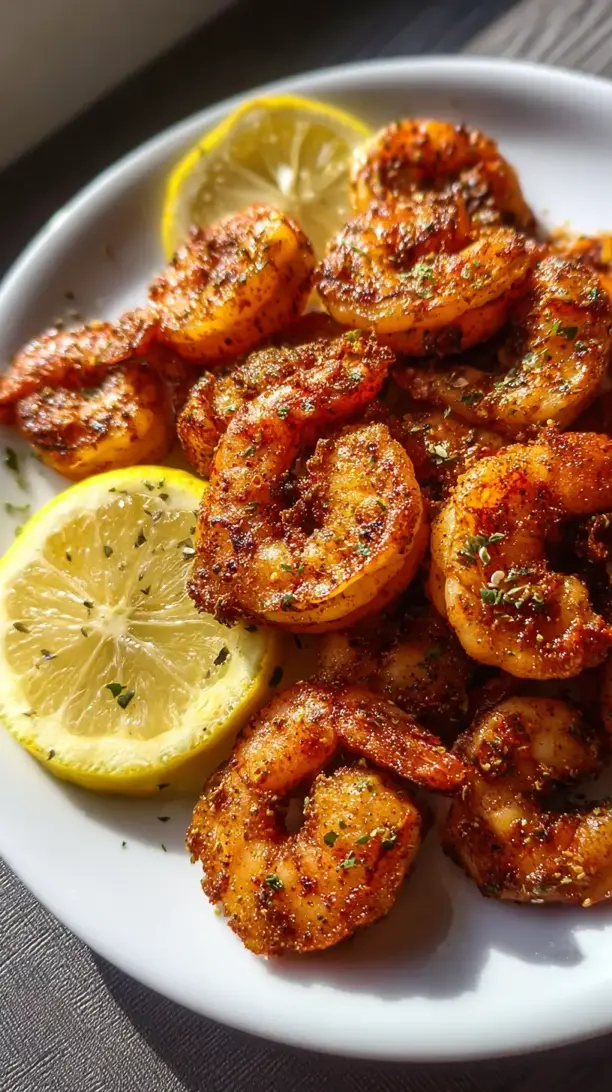

Shrimp Etouffee is a classic Louisiana dish where plump shrimp are smothered in a rich, flavorful gravy. It’s a one-pot wonder that’s surprisingly straightforward to make. The key is a dark, nutty roux that gives this Shrimp Etouffee its incredible depth.
Why You’ll Love This Shrimp Etouffee
- Incredible Depth: A dark roux creates a nutty, toasty base.
- Comfort Food: Thick, savory gravy with tender shrimp is pure comfort.
- Straightforward Process: Approachable steps yield a huge flavor payoff.
- Crowd-Pleaser: Vibrant and aromatic, it always impresses.
Ingredients & Tools
- 1 lb raw medium shrimp, peeled and deveined
- 1/2 cup unsalted butter
- 1/2 cup all-purpose flour
- 1 large yellow onion, finely diced
- 1 green bell pepper, finely diced
- 2 stalks celery, finely diced
- 4 cloves garlic, minced
- 2 cups shrimp or chicken stock
- 1 (14.5 oz) can diced tomatoes, undrained
- 2 tsp Cajun seasoning
- 1 tsp smoked paprika
- 1/2 tsp dried thyme
- 2 bay leaves
- 1/4 cup fresh parsley, chopped
- 3 green onions, sliced
- To taste salt and black pepper
- For serving cooked white rice
- For serving hot sauce (optional)
Tools: A large, heavy-bottomed pot or Dutch oven, a sturdy whisk, and a wooden spoon.
Notes: Don’t skip the fresh “holy trinity” of onion, bell pepper, and celery—they form the aromatic foundation. Using a good-quality stock is key.
Nutrition (per serving)
| Calories: | 420 kcal |
| Protein: | 28 g |
| Fat: | 22 g |
| Carbs: | 26 g |
| Fiber: | 3 g |
Serves: 4 | Prep Time: 20 minutes | Cook Time: 40 minutes | Total Time: 1 hour
Before You Start: Tips & Ingredient Notes
- Get Your Mise en Place Ready. Once you start making the roux, you really can’t walk away. Having all your vegetables chopped and measured beforehand makes the process smooth and stress-free.
- What’s the Deal with the Roux? The color of your roux directly impacts the flavor. For a proper étouffée, you’re aiming for a peanut butter or copper penny color. This provides a deep, nutty base without any raw flour taste.
- Choosing Your Shrimp. I highly recommend using raw, peeled, and deveined shrimp for the best texture and flavor. If using frozen, thaw them completely in the refrigerator overnight and pat them very dry before adding to the pot.
- Stock Matters. If you can find it, shrimp stock will give you the most authentic, seafood-forward flavor. A good chicken stock is a perfectly fine and delicious substitute, but avoid anything overly salty as it will reduce and concentrate.
How to Make Shrimp Etouffee
Step 1: Prepare the Shrimp. Pat your shrimp completely dry with paper towels and season them lightly with a pinch of salt and pepper. Set them aside in the refrigerator. This step is crucial—dry shrimp will sear better and won’t water down your beautiful gravy later on.
Step 2: Make the Roux. This is the heart of the dish. Melt the butter in your heavy-bottomed pot or Dutch oven over medium heat. Sprinkle in the flour and immediately start whisking. You’ll create a paste. Now, the trick is to keep whisking almost constantly for about 15-20 minutes. You’ll see the color slowly transform from pale yellow, to a light tan, and finally to a rich, copper-brown color that smells wonderfully nutty. Do not walk away—a roux can burn in an instant!
Step 3: Cook the Holy Trinity. As soon as your roux reaches that perfect peanut butter hue, add the diced onion, bell pepper, and celery straight into the pot. The vegetables will sizzle and immediately stop the roux from cooking further. Stir everything together with a wooden spoon and cook for about 8-10 minutes, until the veggies have softened and become fragrant. You’ll notice they’ll release some moisture, which is exactly what you want.
Step 4: Build the Gravy. Add the minced garlic, Cajun seasoning, smoked paprika, and dried thyme. Stir for just one minute until the garlic is fragrant—be careful not to let it burn. Now, slowly pour in the stock while whisking constantly. This will prevent any lumps from forming. Add the can of diced tomatoes with their juices and drop in the bay leaves. Bring the whole mixture to a gentle boil, then immediately reduce the heat to low, cover the pot, and let it simmer for 20 minutes. This slow simmer is where all the flavors meld together into that incredible, thick gravy.
Step 5: Cook the Shrimp. After 20 minutes, your gravy should be nicely thickened and flavorful. Uncover the pot and stir in the raw shrimp. They will cook very quickly—in just 3 to 5 minutes. You’ll know they’re done when they turn pink and opaque and curl into a loose “C” shape. Do not overcook them, or they’ll become tough and rubbery.
Step 6: Final Touches and Serve. Turn off the heat. Remove and discard the bay leaves. Stir in most of the fresh parsley and green onions, saving a little for garnish. Give the étouffée a final taste and adjust the seasoning with more salt, pepper, or even a dash of hot sauce if you like a little kick. Serve immediately over a big bed of fluffy white rice, and sprinkle with the remaining herbs.
Storage & Freshness Guide
- Fridge: Cool completely and store in an airtight container for up to 2 days.
- Freezer: Freeze the gravy base (without shrimp) for up to 3 months.
- Reviving: Reheat gently on the stove, adding fresh raw shrimp just before serving.
Serving Suggestions
Complementary Dishes
- A simple green salad with a sharp vinaigrette — The crisp, acidic greens provide a refreshing counterpoint to the rich, savory étouffée, cleansing the palate between bites.
- Buttery cornbread or a crusty French baguette — You’re going to want something to sop up every last drop of that incredible gravy, and these are the perfect tools for the job.
- Sautéed garlicky greens like collards or spinach — Their earthy, slightly bitter flavor complements the sweetness of the shrimp and the smokiness of the paprika beautifully.
Drinks
- A crisp, cold lager or pilsner — The carbonation and mild bitterness of the beer cut through the richness of the dish perfectly, making each bite taste fresh and new.
- A classic Sazerac cocktail — For a true New Orleans experience, the complex herbal notes of rye whiskey and Peychaud’s bitters are a match made in heaven with the spices in the étouffée.
- Sweet iced tea with a lemon wedge — It’s a Southern staple for a reason. The sweetness and citrus are a simple, non-alcoholic way to balance the savory, spiced flavors.
Something Sweet
- Classic bread pudding with a whiskey sauce — This is the ultimate comfort dessert to follow a comfort meal. The warm, custardy pudding and boozy sauce are a decadent and fitting end.
- Light and creamy lemon bars — The bright, tangy citrus flavor is a fantastic palate-cleanser after the hearty main course, leaving you feeling satisfied but not overly heavy.
- Pecan pralines — You can’t get more Southern than this. The buttery, crunchy-sweet candy provides a delightful textural contrast and a little taste of pure sugar bliss.
Top Mistakes to Avoid
- Mistake: Burning the Roux. This is the most common pitfall. If you see black specks or smell a scorched aroma, you have to start over. I’ve messed this up before too—a burnt roux will make the entire dish taste bitter. Medium heat and constant attention are non-negotiable.
- Mistake: Overcooking the Shrimp. Shrimp cook in mere minutes. The second they turn pink and firm up, they’re done. Leaving them in the hot gravy for too long, even off the heat, will turn them rubbery and tough. Add them last and serve promptly.
- Mistake: Using Pre-Cooked Shrimp. They’ve already been cooked once, so adding them to the pot will almost certainly lead to overcooking. They also won’t release their natural juices into the gravy, which is part of what builds the flavor.
- Mistake: Skipping the Simmer. That 20-minute simmer after adding the stock is not just about thickening. It’s when the flavors of the holy trinity, spices, and roux truly marry and deepen. Rushing this step means a flatter, less developed final taste.
Expert Tips
- Tip: Make a Big Batch of Roux. If you make Cajun/Creole food often, consider making a larger batch of roux and storing it in a jar in the fridge. It keeps for weeks and shaves significant time off your next étouffée or gumbo.
- Tip: Bloom Your Spices. Adding the Cajun seasoning and paprika directly to the vegetables and fat for a minute before adding the liquid “blooms” them. This process wakes up their essential oils and makes their flavor much more potent and aromatic.
- Tip: The Gravy Thickness Test. Not sure if your gravy is thick enough? Dip a wooden spoon in it. If the gravy coats the back of the spoon and you can draw a line through it with your finger that holds, it’s perfectly “nappé” and ready for the shrimp.
- Tip: Rest for Flavor. While it’s best served hot, étouffée is one of those dishes that tastes even better the next day. The flavors continue to meld and intensify in the fridge, making fantastic leftovers.
FAQs
Can I make this dish ahead of time?
Absolutely, and it often tastes even better! You can prepare the entire recipe up to the point of adding the shrimp. Let the gravy cool, then store it in an airtight container in the refrigerator for up to two days. When you’re ready to serve, gently reheat the gravy on the stove, and then add the raw shrimp to cook through. This prevents the shrimp from overcooking during the reheating process.
What can I use instead of shrimp?
This étouffée base is incredibly versatile. You can easily substitute crawfish tails (a classic alternative), lump crabmeat, or even diced chicken. For chicken, you’d want to sauté it first and set it aside, adding it back in with the shrimp step to warm through. The cooking times will vary slightly, but the method remains the same.
My étouffée is too thin. How can I thicken it?
If your gravy hasn’t thickened to your liking after the simmer, you have a couple of options. The easiest is to let it simmer uncovered for an additional 5-10 minutes to reduce and concentrate. Alternatively, you can make a small slurry by mixing a tablespoon of cornstarch with two tablespoons of cold water and stirring it into the simmering gravy until it thickens.
Is this recipe spicy?
As written, it has a warm, robust flavor from the spices but isn’t overly hot. The “heat” level largely depends on the specific Cajun seasoning blend you use—some are much spicier than others. The beauty is you’re in control! Start with the recommended amount, then you can always stir in extra seasoning or a few dashes of your favorite hot sauce at the end to kick it up a notch.
Can I freeze Shrimp Étouffée?
You can freeze the gravy base successfully, but I do not recommend freezing it with the shrimp already in it. The shrimp will become mushy and watery upon thawing. Freeze the cooled gravy (without shrimp) for up to 3 months. Thaw in the refrigerator overnight, reheat gently on the stove, and then add fresh raw shrimp to cook.

Shrimp Etouffee
Learn how to make authentic Shrimp Etouffee with this easy recipe. A rich roux and holy trinity create the perfect savory gravy. Get the step-by-step guide now!
Ingredients
For the Shrimp Etouffee
-
1 lb raw medium shrimp (peeled and deveined)
-
1/2 cup unsalted butter
-
1/2 cup all-purpose flour
-
1 large yellow onion (finely diced)
-
1 green bell pepper (finely diced)
-
2 stalks celery (finely diced)
-
4 cloves garlic (minced)
-
2 cups shrimp or chicken stock
-
1 can diced tomatoes (14.5 oz, undrained)
-
2 tsp Cajun seasoning
-
1 tsp smoked paprika
-
1/2 tsp dried thyme
-
2 bay leaves
-
1/4 cup fresh parsley (chopped)
-
3 green onions (sliced)
-
salt and black pepper (to taste)
-
cooked white rice (for serving)
-
hot sauce (optional, for serving)