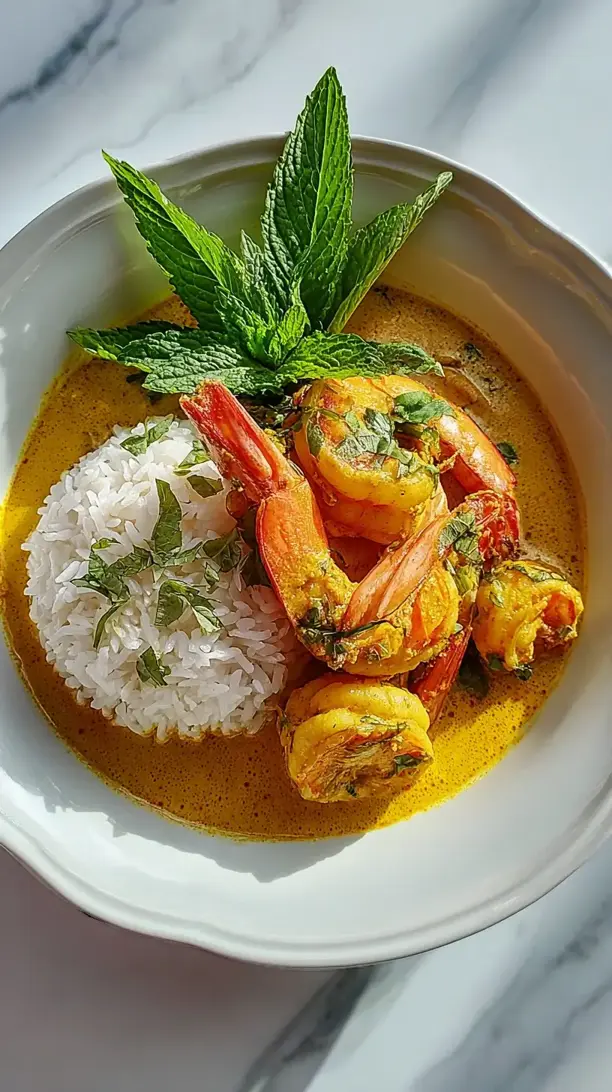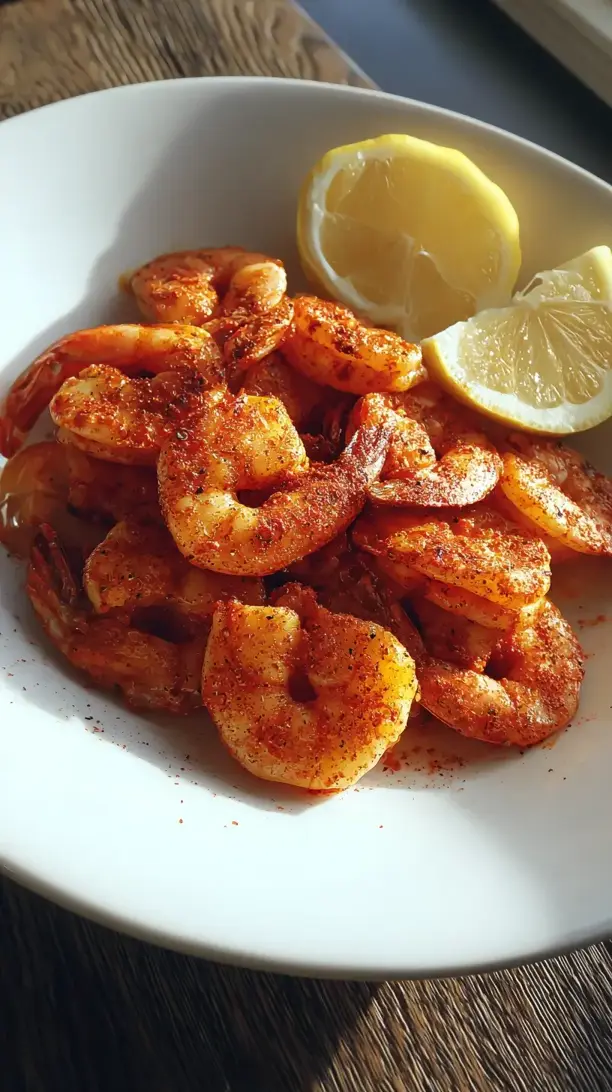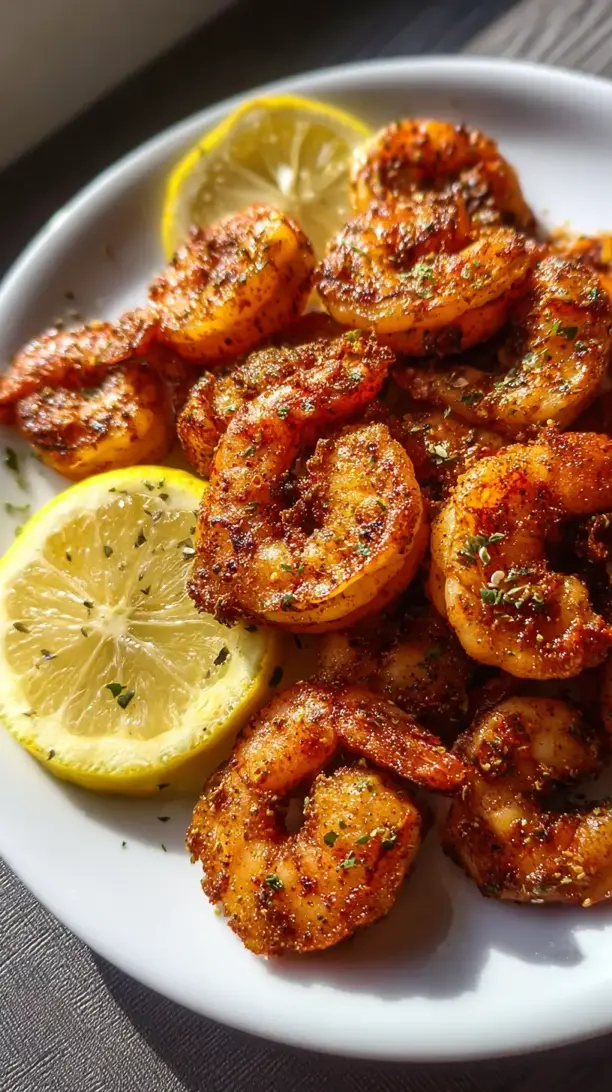

Shrimp Creole is a vibrant, soulful Louisiana classic that’s simpler to make than you might think. This one-pot wonder builds flavor with the “holy trinity” of bell pepper, onion, and celery, a slow-cooked roux, tomatoes, and Creole seasoning. Juicy shrimp are added at the end for a hearty, bright dish that’s perfect for any occasion.
Why You’ll Love This Shrimp Creole
- Flavor explosion: The holy trinity, rich tomato base, and Creole spices create a complex, addictive taste.
- Simple to master: Straightforward process with mostly hands-off simmering for deep flavor.
- Versatile & forgiving: Easily adjust spice, swap proteins, and it reheats beautifully.
- Feels special: Vibrant and aromatic over fluffy rice—humble comfort that celebrates.
Ingredients & Tools
- 450 g large raw shrimp, peeled and deveined
- 2 tbsp olive oil or vegetable oil
- 3 tbsp all-purpose flour
- 1 large yellow onion, diced
- 1 green bell pepper, diced
- 2 celery stalks, diced
- 3 garlic cloves, minced
- 400 g can of crushed tomatoes
- 240 ml chicken or seafood stock
- 2 tbsp tomato paste
- 1-2 tsp Creole seasoning (like Tony Chachere’s or homemade)
- 1 tsp dried oregano
- 1 bay leaf
- 2 tsp Worcestershire sauce
- 1 tsp hot sauce (like Tabasco), or to taste
- Salt and freshly ground black pepper
- 3 spring onions, sliced, for garnish
- Cooked white rice, for serving
Tools: A large, heavy-bottomed pot or Dutch oven, a wooden spoon, and a sharp knife.
Notes: The quality of your Creole seasoning really makes a difference here—it’s the soul of the dish. And don’t skip the step of making a roux; it’s the foundation that gives the sauce its incredible body and nutty depth.
Nutrition (per serving)
| Calories: | 320 kcal |
| Protein: | 28 g |
| Fat: | 10 g |
| Carbs: | 28 g |
| Fiber: | 5 g |
Serves: 4 | Prep Time: 20 minutes | Cook Time: 40 minutes | Total Time: 1 hour
Before You Start: Tips & Ingredient Notes
- Get your mise en place ready. This recipe moves at a comfortable pace, but having all your vegetables chopped and spices measured before you turn on the heat makes the process seamless and enjoyable.
- What’s the deal with the roux? A roux is simply a cooked mixture of fat and flour. For Shrimp Creole, we cook it to a light peanut butter color. This not only thickens the sauce but also gives it a wonderful, toasty flavor that is absolutely essential.
- Don’t overcook the shrimp! This is the most common pitfall. Shrimp cook in just a few minutes. Add them at the very end and take the pot off the heat as soon as they turn pink and opaque. They’ll continue to cook a little in the residual heat.
- Can you control the heat? Absolutely. Creole seasoning blends vary in saltiness and spiciness. Start with a teaspoon, taste your sauce before adding the shrimp, and adjust from there. The hot sauce is also your friend for a final kick.
How to Make Shrimp Creole
Step 1: First, pat your shrimp dry with a paper towel and season them lightly with a pinch of salt and pepper. Set them aside in the fridge. This little step helps them sear better later and prevents them from steaming. Now, grab your heavy-bottomed pot and place it over medium heat. Add the oil and let it heat up for a minute until it shimmers.
Step 2: Sprinkle the flour into the hot oil and immediately start whisking or stirring with a wooden spoon. You’ll want to cook this roux, stirring almost constantly, for about 5 to 7 minutes. Watch as it transforms from a pale paste to a lovely light brown color, smelling nutty and toasty—like the aroma of baking biscuits. Be patient here; this flavor base is non-negotiable.
Step 3: As soon as your roux reaches that perfect peanut butter hue, add the diced onion, bell pepper, and celery—the holy trinity. Stir everything together so the vegetables are coated in the roux. Cook them for about 8-10 minutes, until they have softened and the onion becomes translucent. You’ll notice the wonderful fragrance filling your kitchen.
Step 4: Now, add the minced garlic and cook for just one more minute until it’s fragrant. You don’t want to burn the garlic, so keep the heat at medium. Then, stir in the tomato paste and let it cook for another minute to sweeten and deepen its flavor.
Step 5: It’s time for the liquid ingredients. Pour in the crushed tomatoes and the stock, and add the Worcestershire sauce, hot sauce, Creole seasoning, dried oregano, and the bay leaf. Give it a really good stir, scraping the bottom of the pot to lift any of those delicious browned bits.
Step 6: Bring the sauce to a lively simmer, then immediately reduce the heat to low. Let it bubble gently, uncovered, for about 20-25 minutes. You’ll see it slowly thicken and the oil might just start to glisten on the surface. This slow simmer is where the magic happens, allowing all the flavors to marry and intensify.
Step 7: Taste your sauce! This is the moment to adjust the seasoning. Does it need more salt? A bit more Creole spice or hot sauce? Now is the time to make it perfect. Once you’re happy, remove the pot from the heat and stir in the raw shrimp. They will cook perfectly in the residual heat of the thick sauce within 3-5 minutes. Just stir occasionally until they are pink and firm.
Step 8: Fish out and discard the bay leaf. Let the Shrimp Creole sit for a couple of minutes off the heat—this allows the shrimp to finish cooking gently and the sauce to settle. Finally, ladle it over fluffy white rice and garnish generously with those fresh, green spring onions.
Storage & Freshness Guide
- Fridge: Store in an airtight container for up to 3 days.
- Freezer: Not recommended—shrimp can become tough and watery upon thawing.
- Reviving: Reheat gently on the stovetop, adding a splash of water or stock if sauce thickens too much.
Serving Suggestions
Complementary Dishes
- A simple green salad with a sharp vinaigrette — The crisp, acidic greens cut through the richness of the Creole sauce beautifully, cleansing the palate between bites.
- Buttery cornbread or crusty French bread — Perfect for sopping up every last drop of that incredible sauce. It’s a textural dream and a must for any saucy dish.
- Sautéed garlicky greens like collards or kale — Their earthy, slightly bitter flavor provides a wonderful counterpoint to the sweet shrimp and tangy tomatoes.
Drinks
- A crisp, cold lager or pilsner — The carbonation and mild bitterness of the beer refresh your palate and balance the spice and richness of the dish perfectly.
- A classic Sazerac cocktail — For a true New Orleans experience, this rye whiskey cocktail with absinthe and bitters complements the complex spices in the Creole.
- Sparkling water with a squeeze of lime — A simple, non-alcoholic option that provides a bubbly, citrusy lift that contrasts nicely with the hearty sauce.
Something Sweet
- Classic New Orleans-style beignets — Hot, fluffy, and buried in a blizzard of powdered sugar. They offer a sweet, doughy finish that is pure celebration.
- A light and creamy key lime pie — The sharp, citrusy tang is a fantastic way to end the meal, cutting through any lingering spice and leaving you feeling refreshed.
- Bourbon pecan pie — For a richer, decadent end, the buttery, nutty sweetness with a hint of bourbon echoes the warm, Southern comfort of the main course.
Top Mistakes to Avoid
- Mistake: Burning the roux. A burnt roux will make your entire dish taste bitter and acrid. If you see black specks, you have to start over. I’ve messed this up before too—low and slow is the only way to go.
- Mistake: Overcooking the shrimp. Adding the shrimp too early or letting the sauce boil after they’re in will turn them rubbery and tough. They only need a few minutes in the hot sauce off the heat.
- Mistake: Skipping the simmer. That 20-25 minute simmer is crucial for the flavors to meld and the sauce to thicken properly. Rushing this step means a thinner, less developed sauce.
- Mistake: Not tasting as you go. Creole seasoning blends vary wildly in salt and heat. If you don’t taste your sauce before adding the shrimp, you might end up with a dish that’s too salty or not spicy enough for your liking.
Expert Tips
- Tip: For an even deeper flavor, make your own Creole seasoning. A simple blend of paprika, garlic powder, onion powder, dried oregano, dried thyme, cayenne pepper, and black pepper gives you complete control over the salt and spice.
- Tip: If your sauce is too thin after simmering, you can create a quick slurry. Mix a tablespoon of cornstarch with two tablespoons of cold water and stir it into the simmering sauce. It will thicken up in a minute or two.
- Tip: For a richer, more luxurious sauce, stir in a tablespoon of cold butter right at the end, just before serving. This technique, called mounting with butter, gives the sauce a beautiful gloss and a velvety texture.
- Tip: This is a fantastic make-ahead meal. Prepare the entire sauce base (through step 6) a day in advance. Let it cool and store it in the fridge. When you’re ready to eat, gently reheat the sauce and then proceed with adding the shrimp.
FAQs
Can I use frozen shrimp?
Absolutely! Frozen shrimp are often more convenient and can be just as good. The key is to thaw them properly. Place them in a colander under cold running water for a few minutes, or let them defrost in the fridge overnight. Just be sure to pat them very dry with paper towels before seasoning, as excess water can make your sauce watery.
What’s the difference between Creole and Cajun seasoning?
This is a classic question! Creole seasoning typically contains herbs like oregano and thyme and is generally a bit more complex and herb-forward. Cajun seasoning is often simpler and spicier, focusing on peppers. For this recipe, Creole is traditional, but in a pinch, you can use Cajun—just be aware it might be saltier and hotter, so adjust accordingly.
Is Shrimp Creole very spicy?
It can be, but it’s completely adaptable. The dish has a inherent warmth from the Creole seasoning, but the heat level is in your hands. Start with a smaller amount of seasoning and hot sauce, then taste and add more until it’s perfect for you. It should be flavorful and aromatic, not painfully hot.
Can I make this with chicken or another protein?
You sure can. The sauce is incredibly versatile. For chicken, use boneless, skinless thighs or breasts cut into bite-sized pieces. You would just need to brown the chicken first and then let it simmer in the sauce for longer (about 15-20 minutes) to ensure it cooks through and becomes tender before adding the final seasonings.
How long do leftovers keep?
Leftovers will keep beautifully in an airtight container in the refrigerator for up to 3 days. The flavors often meld and improve overnight! Reheat gently on the stovetop over low heat, adding a splash of water or stock if the sauce has thickened too much. I don’t recommend freezing, as the shrimp can become tough and watery upon thawing.
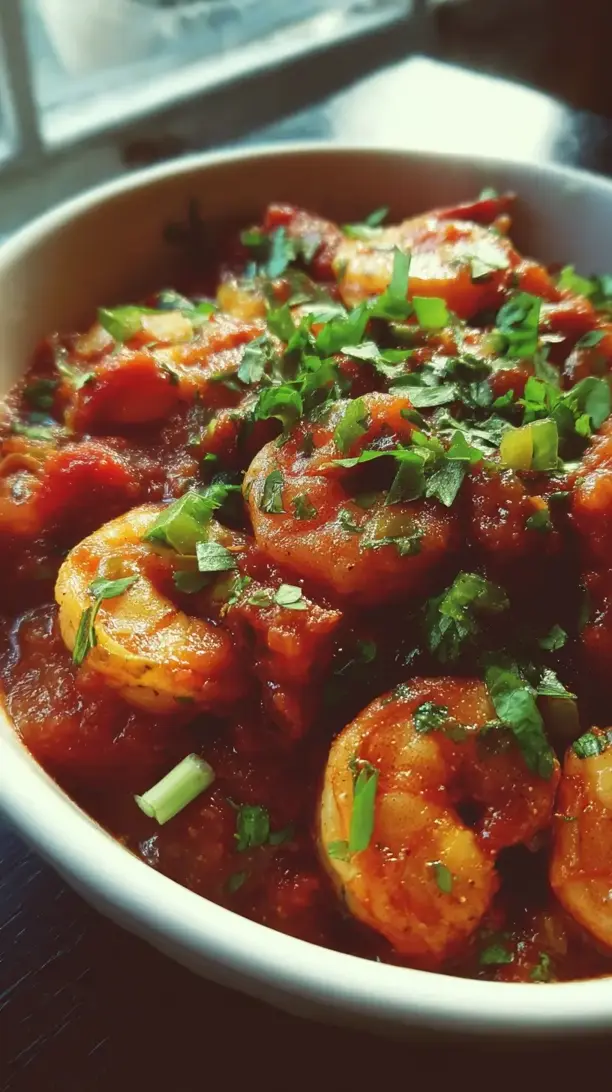
Shrimp Creole
Make authentic Shrimp Creole at home with this easy one-pot recipe. A flavorful Louisiana classic ready in under an hour. Get the full recipe now!
Ingredients
For the Shrimp Creole:
-
450 g large raw shrimp (peeled and deveined)
-
2 tbsp olive oil or vegetable oil
-
3 tbsp all-purpose flour
-
1 large yellow onion (diced)
-
1 green bell pepper (diced)
-
2 celery stalks (diced)
-
3 garlic cloves (minced)
-
400 g can of crushed tomatoes
-
240 ml chicken or seafood stock
-
2 tbsp tomato paste
-
1-2 tsp Creole seasoning (like Tony Chachere's or homemade)
-
1 tsp dried oregano
-
1 bay leaf
-
2 tsp Worcestershire sauce
-
1 tsp hot sauce (like Tabasco, or to taste)
-
Salt and freshly ground black pepper
-
3 spring onions (sliced, for garnish)
-
Cooked white rice (for serving)
Instructions
-
First, pat your shrimp dry with a paper towel and season them lightly with a pinch of salt and pepper. Set them aside in the fridge. Now, grab your heavy-bottomed pot and place it over medium heat. Add the oil and let it heat up for a minute until it shimmers.01
-
Sprinkle the flour into the hot oil and immediately start whisking or stirring with a wooden spoon. You’ll want to cook this roux, stirring almost constantly, for about 5 to 7 minutes. Watch as it transforms from a pale paste to a lovely light brown color, smelling nutty and toasty—like the aroma of baking biscuits.02
-
As soon as your roux reaches that perfect peanut butter hue, add the diced onion, bell pepper, and celery—the holy trinity. Stir everything together so the vegetables are coated in the roux. Cook them for about 8-10 minutes, until they have softened and the onion becomes translucent.03
-
Now, add the minced garlic and cook for just one more minute until it’s fragrant. Then, stir in the tomato paste and let it cook for another minute to sweeten and deepen its flavor.04
-
It’s time for the liquid ingredients. Pour in the crushed tomatoes and the stock, and add the Worcestershire sauce, hot sauce, Creole seasoning, dried oregano, and the bay leaf. Give it a really good stir, scraping the bottom of the pot to lift any of those delicious browned bits.05
-
Bring the sauce to a lively simmer, then immediately reduce the heat to low. Let it bubble gently, uncovered, for about 20-25 minutes. You’ll see it slowly thicken and the oil might just start to glisten on the surface.06
-
Taste your sauce! This is the moment to adjust the seasoning. Once you’re happy, remove the pot from the heat and stir in the raw shrimp. They will cook perfectly in the residual heat of the thick sauce within 3-5 minutes. Just stir occasionally until they are pink and firm.07
-
Fish out and discard the bay leaf. Let the Shrimp Creole sit for a couple of minutes off the heat—this allows the shrimp to finish cooking gently and the sauce to settle. Finally, ladle it over fluffy white rice and garnish generously with those fresh, green spring onions.08