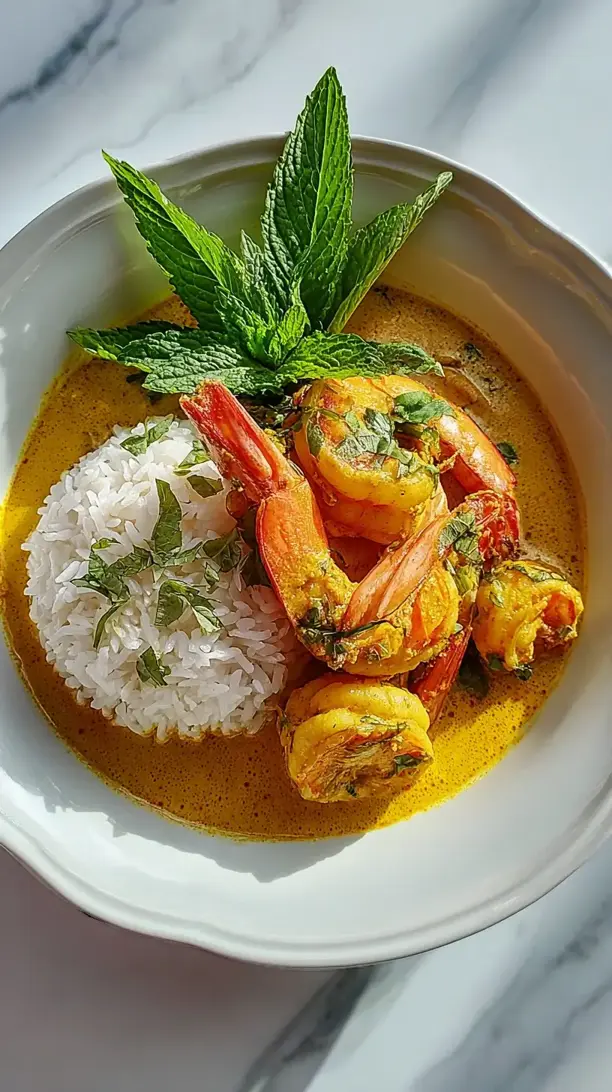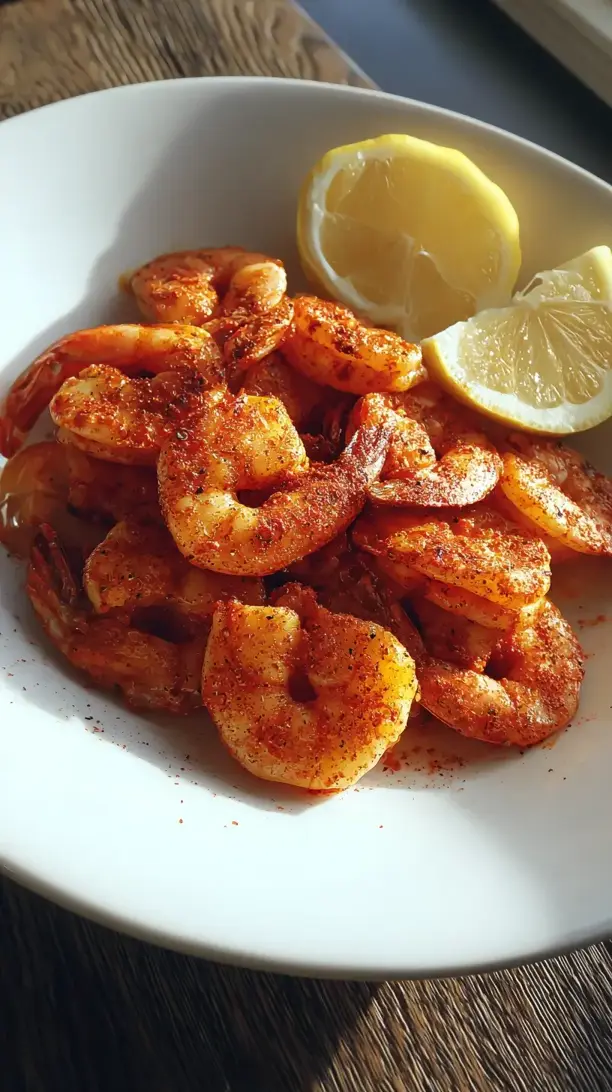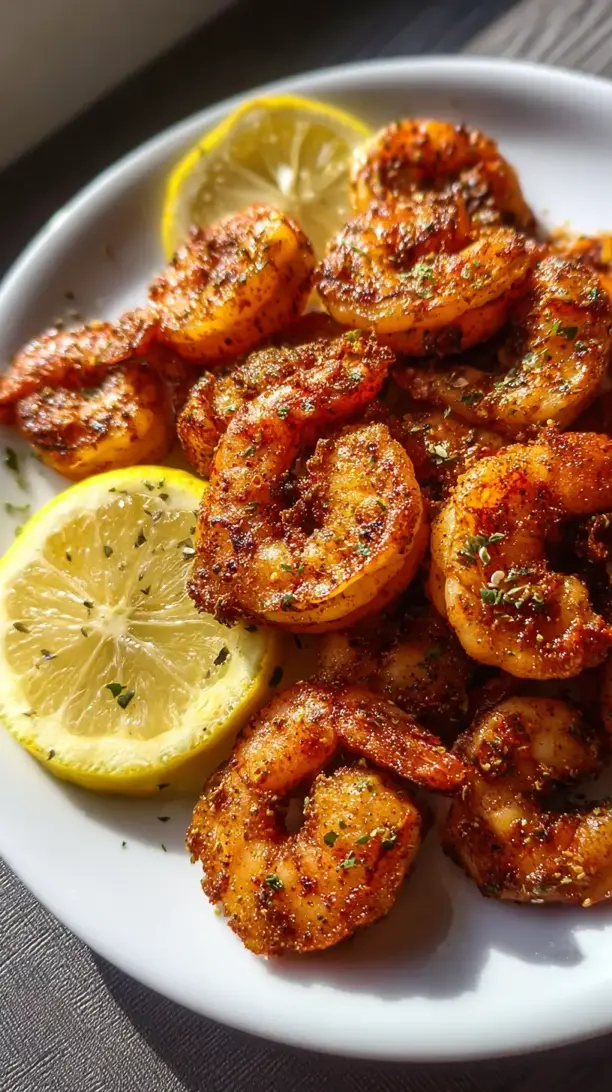

This Shrimp Chow Mein delivers a perfect weeknight stir-fry with plump shrimp, crisp vegetables, and chewy noodles in a savory-sweet sauce. It’s restaurant-quality but easy to make at home with accessible ingredients. You’ll love how quickly this satisfying Shrimp Chow Mein comes together.
Why You’ll Love This Shrimp Chow Mein
- Fast & Forgiving: Ready in 30 minutes with straightforward steps.
- Perfect Texture: Juicy shrimp, crunchy veggies, and springy noodles.
- Umami Sauce: A glossy, balanced blend of savory and sweet.
- Endlessly Adaptable: Swap veggies or add heat to suit your taste.
Ingredients & Tools
- 225 g fresh or dried chow mein egg noodles
- 450 g large raw shrimp, peeled and deveined
- 2 tbsp vegetable or peanut oil, divided
- 3 cloves garlic, minced
- 1 tbsp fresh ginger, grated
- 1 medium yellow onion, thinly sliced
- 1 red bell pepper, julienned
- 2 medium carrots, julienned or cut into matchsticks
- 150 g bean sprouts
- 3 spring onions, sliced, whites and greens separated
- 1 tbsp toasted sesame oil
For the Sauce:
- 3 tbsp light soy sauce
- 1 tbsp dark soy sauce (for color)
- 1 tbsp oyster sauce
- 1 tsp hoisin sauce
- 1 tsp sesame oil
- ½ tsp white pepper
- 2 tbsp chicken or vegetable stock, or water
- 1 tsp cornstarch
Tools: A large wok or a very large, heavy-bottomed skillet, and a pair of tongs are non-negotiable here.
Notes: Getting the right noodles is key—they should have a good chew. And don’t skip the dark soy sauce if you can find it; it gives the dish that classic, beautiful dark brown color and a deeper flavor without adding more saltiness.
Nutrition (per serving)
| Calories: | 420 kcal |
| Protein: | 28 g |
| Fat: | 12 g |
| Carbs: | 50 g |
| Fiber: | 5 g |
Serves: 4 | Prep Time: 15 minutes | Cook Time: 15 minutes | Total Time: 30 minutes
Before You Start: Tips & Ingredient Notes
- Prep everything before you fire up the wok. Stir-frying is a fast process with no time to stop and chop. Have your veggies pre-cut, your sauce mixed, and your noodles cooked and ready to go. This “mise en place” is the secret to a stress-free, successful chow mein.
- What’s the deal with the two soy sauces? Light soy sauce provides the primary salty flavor, while dark soy sauce is less salty and adds a rich, molasses-like color and a slightly sweeter, deeper flavor. Using both gives you a more complex and visually authentic result.
- How do I get that “wok hei” flavor at home? That smoky, charred taste from a restaurant wok is hard to replicate, but you can get close by ensuring your pan is screaming hot before you add anything. Don’t overcrowd the pan—cook in batches if needed—to allow for evaporation and caramelization, not steaming.
- Can I use frozen shrimp? Absolutely! Just make sure they are fully thawed and patted very dry with paper towels before cooking. Any excess moisture will make them steam instead of sear, and we want them to have a nice, light crust.
How to Make Shrimp Chow Mein
Step 1: Start by preparing your noodles according to the package directions. If you’re using fresh noodles, they often just need a quick blanch in boiling water. For dried, cook until al dente. Once cooked, drain them thoroughly and toss with a teaspoon of the regular oil to prevent sticking. Set them aside while you work on everything else.
Step 2: Pat your shrimp completely dry with paper towels and season them lightly with a pinch of white pepper. This is a crucial step for getting a nice sear instead of them boiling in their own liquid. Place your wok or large skillet over high heat and let it get properly hot—you should see a slight wisp of smoke when you add the first tablespoon of oil.
Step 3: Add one tablespoon of oil to the hot wok and immediately add the shrimp in a single layer. Let them cook undisturbed for about 60-90 seconds until the bottoms turn pink and get a slight sear. Flip them and cook for another 60 seconds until they’re just cooked through and opaque. Quickly remove them from the wok and set them aside on a plate. They will finish cooking later, so don’t overdo it now!
Step 4: Reduce the heat to medium-high and add the remaining tablespoon of oil to the same wok. You’ll notice all those delicious browned bits from the shrimp are still in there—that’s flavor! Add the garlic and ginger and stir-fry for just 30 seconds until incredibly fragrant. Be careful not to burn them.
Step 5: Now, turn the heat back up to high and add the sliced onion, bell pepper, and carrots. Stir-fry for 2-3 minutes, tossing constantly. You want the vegetables to become vibrant in color and just starting to soften at the edges but still retain a pleasant crunch. This is where that great texture comes from.
Step 6: It’s time for the noodles and sauce. Add the cooked, drained noodles to the wok along with the white parts of the spring onions. Give everything a good toss to combine. Then, pour your pre-mixed sauce all over the noodles and vegetables. Using your tongs, toss and lift continuously for 1-2 minutes. The sauce will thicken slightly from the cornstarch and coat everything in a beautiful, glossy sheen.
Step 7: Return the cooked shrimp to the wok, and add the bean sprouts and the green parts of the spring onions. Drizzle over the final tablespoon of toasted sesame oil. Toss everything together for one final minute, just until the shrimp are reheated and the bean sprouts are slightly wilted. Taste and adjust seasoning if needed—sometimes a tiny extra splash of soy sauce does the trick. Serve immediately while it’s piping hot!
Storage & Freshness Guide
- Fridge: Store in an airtight container for up to 2 days.
- Freezer: Not recommended; noodles can become mushy.
- Reviving: Reheat in a skillet with a splash of water to refresh.
Serving Suggestions
Complementary Dishes
- Simple Steamed Bok Choy — Its mild, slightly bitter flavor and soft texture are a perfect, light counterbalance to the rich, savory noodles.
- Hot and Sour Soup — Starting the meal with a small bowl of this classic soup really wakes up the palate and complements the umami notes in the chow mein beautifully.
- Chinese Cucumber Salad — The sharp, tangy, and refreshing crunch of a quick-pickled cucumber salad cuts through the richness and cleanses the palate between bites.
Drinks
- Jasmine Green Tea — Its delicate, floral aroma is a traditional and wonderful pairing that doesn’t overpower the dish’s subtle flavors.
- A Crisp Lager — The clean, effervescent quality of a light beer helps to cut through the oil and saltiness, making each bite of chow mein taste fresh again.
- Gewürztraminer (White Wine) — This slightly sweet, aromatic wine with its lychee and spice notes is a surprisingly fantastic match for the ginger and savory elements in the stir-fry.
Something Sweet
- Lychee with Vanilla Ice Cream — The floral, perfumed sweetness of fresh or canned lychees over a cool scoop of ice cream is a simple, elegant, and incredibly satisfying way to end the meal.
- Fortune Cookies and Orange Wedges — A classic, fun, and light finish. The bright citrus from the orange is a perfect palate cleanser after a savory meal.
- Mango Pudding — Its smooth, creamy texture and sweet, tropical flavor provide a lovely contrast without being too heavy after a fulfilling noodle dish.
Top Mistakes to Avoid
- Overcooking the shrimp. I’ve messed this up before too… Shrimp cook in just a couple of minutes and become rubbery and tough if left on the heat for too long. Cook them just until opaque and pink, then remove them. They’ll heat through again at the end.
- Using wet noodles. If your noodles aren’t drained well, the extra water will dilute your beautiful sauce, making it thin and watery instead of glossy and clinging to the noodles. Drain them thoroughly and toss with a little oil.
- Crowding the wok. If you add all the ingredients at once, the temperature of the pan plummets, and you end up steaming everything instead of stir-frying. This leads to soggy vegetables and limp noodles. Cook in batches if your pan isn’t large enough.
- Adding the sauce too early. If you add the sauce before the noodles and veggies are hot and ready, the cornstarch can break down and the sauce won’t thicken properly. Add it at the end for that perfect, glossy coating.
Expert Tips
- Tip: For an extra layer of flavor, marinate your shrimp. While you’re prepping everything else, toss the raw, dried shrimp with a teaspoon of the light soy sauce, a pinch of white pepper, and half a teaspoon of cornstarch. This gives them a more seasoned taste and helps create a velvety texture on the outside.
- Tip: If your noodles have clumped together after draining, don’t worry! Just run them under warm water for a few seconds while using your fingers to gently separate them. Shake off the excess water thoroughly before adding them to the wok.
- Tip: To make this dish ahead of time, prep all the components—cut veggies, mix sauce, cook noodles—and store them separately in the fridge. When you’re ready to eat, the actual stir-fry process will take less than 10 minutes, making it faster than takeout.
- Tip: For a restaurant-style presentation, press the finished chow mein down gently into a small bowl, then invert it onto your serving plate. This creates a neat, dome-shaped mound that looks incredibly professional.
FAQs
Can I make this Shrimp Chow Mein with chicken or tofu instead?
Absolutely! The method remains exactly the same. For chicken, use boneless, skinless thigh or breast meat cut into thin strips, and cook until no longer pink. For tofu, use extra-firm tofu, press it well to remove water, cube it, and pan-fry until golden and crisp before proceeding. The sauce and vegetable base are wonderfully versatile and work with almost any protein you fancy.
My sauce turned out too thin. How can I fix it?
This usually happens if there was too much liquid in the wok (from wet noodles or very watery veggies) or if the heat wasn’t high enough to quickly evaporate and thicken the sauce. To fix it, mix another teaspoon of cornstarch with a tablespoon of cold water or stock to make a “slurry.” Push the contents of the wok to one side, add the slurry to the center, let it thicken for 15 seconds, and then toss everything together.
What’s the best substitute for oyster sauce if I don’t eat shellfish?
A great vegetarian alternative is mushroom stir-fry sauce or vegetarian oyster sauce, which is made from mushrooms and has a very similar rich, umami flavor profile. If you can’t find that, you can use a combination of extra hoisin sauce and a touch of soy sauce, though the flavor will be a bit sweeter.
Can I use spaghetti or other pasta if I can’t find chow mein noodles?
You can, in a pinch! Linguine or spaghetti are the best substitutes. Cook them until al dente, as they’ll soften a bit more when stir-fried. The texture will be different—more firm and less springy—but the dish will still be delicious. Just be sure to rinse the cooked pasta in cold water to stop the cooking and remove excess starch before adding it to the wok.
How do I store and reheat leftovers?
Store any leftovers in an airtight container in the fridge for up to 2 days. The best way to reheat is in a wok or skillet over medium heat with a tiny splash of water or stock to loosen the sauce and prevent the noodles from drying out. Microwaving can make the noodles a bit gummy, but if you must, cover the dish and use a medium power setting, stirring halfway through.
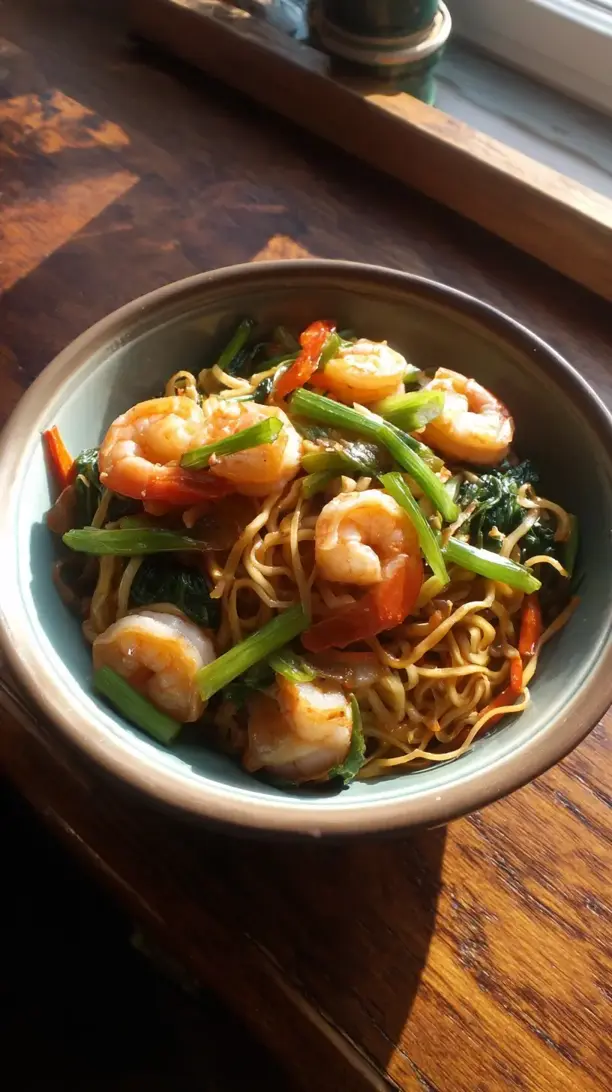
Shrimp Chow Mein
Make easy, authentic Shrimp Chow Mein in 30 minutes! Featuring juicy shrimp, crisp veggies, and a savory sauce. Get the full recipe and cook it tonight!
Ingredients
For the Main Ingredients:
-
225 g fresh or dried chow mein egg noodles
-
450 g large raw shrimp (peeled and deveined)
-
2 tbsp vegetable or peanut oil (divided)
-
3 cloves garlic (minced)
-
1 tbsp fresh ginger (grated)
-
1 medium yellow onion (thinly sliced)
-
1 red bell pepper (julienned)
-
2 medium carrots (julienned or cut into matchsticks)
-
150 g bean sprouts
-
3 spring onions (sliced, whites and greens separated)
-
1 tbsp toasted sesame oil
For the Sauce:
-
3 tbsp light soy sauce
-
1 tbsp dark soy sauce (for color)
-
1 tbsp oyster sauce
-
1 tsp hoisin sauce
-
1 tsp sesame oil
-
½ tsp white pepper
-
2 tbsp chicken or vegetable stock, or water
-
1 tsp cornstarch
Instructions
-
Start by preparing your noodles according to the package directions. If you're using fresh noodles, they often just need a quick blanch in boiling water. For dried, cook until al dente. Once cooked, drain them thoroughly and toss with a teaspoon of the regular oil to prevent sticking. Set them aside while you work on everything else.01
-
Pat your shrimp completely dry with paper towels and season them lightly with a pinch of white pepper. This is a crucial step for getting a nice sear instead of them boiling in their own liquid. Place your wok or large skillet over high heat and let it get properly hot—you should see a slight wisp of smoke when you add the first tablespoon of oil.02
-
Add one tablespoon of oil to the hot wok and immediately add the shrimp in a single layer. Let them cook undisturbed for about 60-90 seconds until the bottoms turn pink and get a slight sear. Flip them and cook for another 60 seconds until they're just cooked through and opaque. Quickly remove them from the wok and set them aside on a plate. They will finish cooking later, so don't overdo it now!03
-
Reduce the heat to medium-high and add the remaining tablespoon of oil to the same wok. You'll notice all those delicious browned bits from the shrimp are still in there—that's flavor! Add the garlic and ginger and stir-fry for just 30 seconds until incredibly fragrant. Be careful not to burn them.04
-
Now, turn the heat back up to high and add the sliced onion, bell pepper, and carrots. Stir-fry for 2-3 minutes, tossing constantly. You want the vegetables to become vibrant in color and just starting to soften at the edges but still retain a pleasant crunch. This is where that great texture comes from.05
-
It's time for the noodles and sauce. Add the cooked, drained noodles to the wok along with the white parts of the spring onions. Give everything a good toss to combine. Then, pour your pre-mixed sauce all over the noodles and vegetables. Using your tongs, toss and lift continuously for 1-2 minutes. The sauce will thicken slightly from the cornstarch and coat everything in a beautiful, glossy sheen.06
-
Return the cooked shrimp to the wok, and add the bean sprouts and the green parts of the spring onions. Drizzle over the final tablespoon of toasted sesame oil. Toss everything together for one final minute, just until the shrimp are reheated and the bean sprouts are slightly wilted. Taste and adjust seasoning if needed—sometimes a tiny extra splash of soy sauce does the trick. Serve immediately while it's piping hot!07