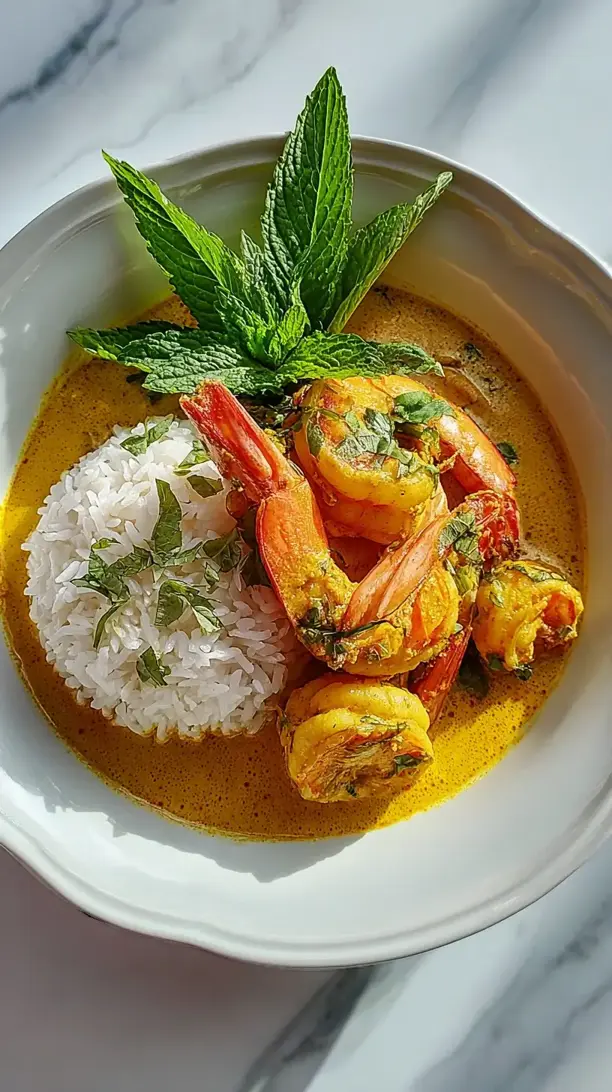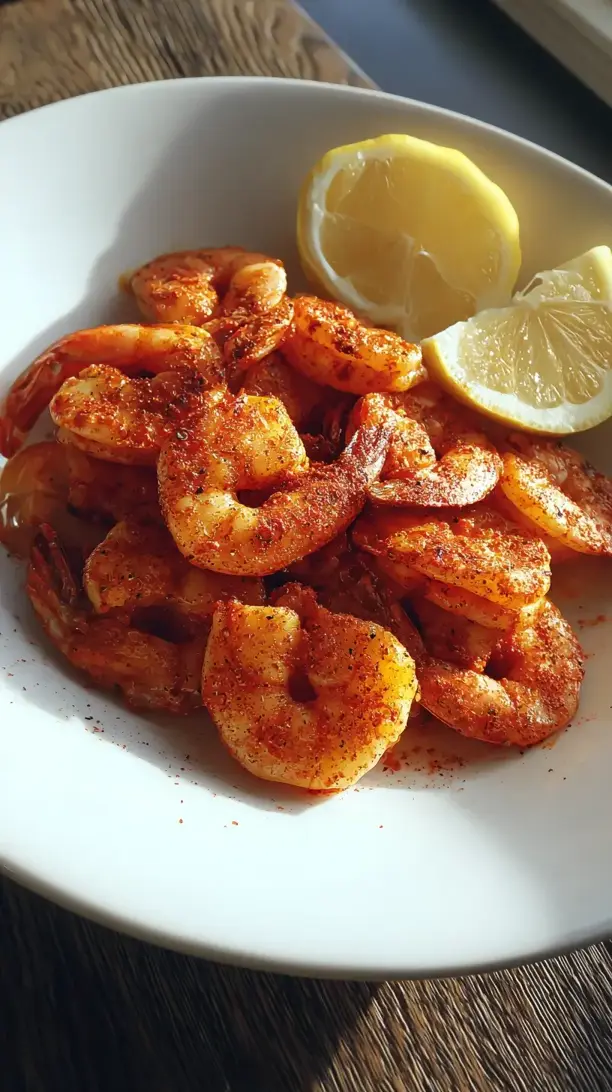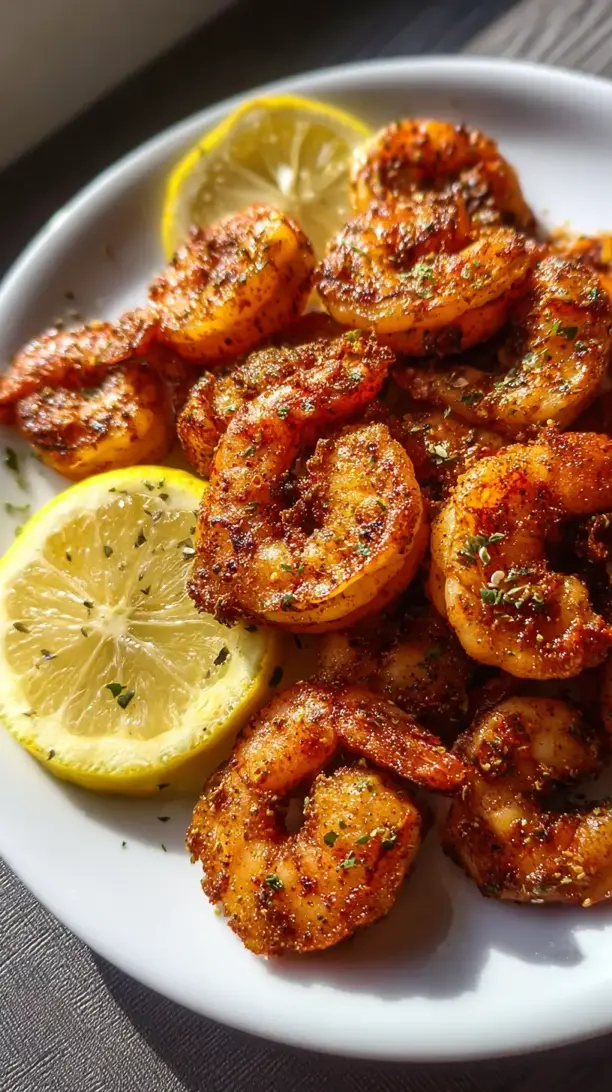

This Shrimp Cauliflower Rice Bowl is a vibrant, one-pan meal that comes together in under 30 minutes. It features plump shrimp and fluffy cauliflower rice soaked in garlic, lemon, and spices for a surprisingly hearty, grain-free base. This recipe is endlessly customizable and perfect for a quick, satisfying weeknight dinner.
Why You’ll Love This Shrimp Cauliflower Rice Bowl
- Complete one-pan meal: Lean protein, veggies, and healthy fats cook together.
- Fantastic texture: Tender cauliflower rice and juicy shrimp with a satisfying bite.
- Fast & weeknight-friendly: Ready in about 20-25 minutes from start to finish.
- Total flavor control: Easily customize the spices and add-ins to your taste.
Ingredients & Tools
- 1 lb (450 g) large raw shrimp, peeled and deveined
- 1 large head of cauliflower (or 4 cups pre-riced)
- 2 tbsp olive oil, divided
- 1 medium yellow onion, finely diced
- 3-4 cloves garlic, minced
- 1 red bell pepper, finely diced
- 1 tsp paprika (smoked or sweet)
- 1/2 tsp dried oregano
- Juice of 1/2 a lemon (about 2 tbsp)
- 2 tbsp fresh parsley, chopped
- Salt and black pepper to taste
Tools: A large skillet (non-stick or cast-iron works great), a box grater or food processor for ricing the cauliflower, a set of mixing bowls, and a sharp knife.
Notes: Use fresh or frozen raw shrimp that smell like the sea, not fishy. Don’t skip the fresh lemon juice at the end—it brightens the entire dish.
Nutrition (per serving)
| Calories: | 285 kcal |
| Protein: | 28 g |
| Fat: | 10 g |
| Carbs: | 18 g |
| Fiber: | 6 g |
Serves: 3 | Prep Time: 15 minutes | Cook Time: 10 minutes | Total Time: 25 minutes
Before You Start: Tips & Ingredient Notes
- Pat your shrimp completely dry. This is the single most important step for getting a nice sear on your shrimp instead of them steaming in their own moisture. Use paper towels and really press down to remove as much liquid as possible.
- Don’t buy pre-riced cauliflower if it looks wet. Sometimes the packaged stuff can be quite moist, which will lead to a soggy final dish. If that’s all you have, spread it on a kitchen towel and press gently to absorb excess water before cooking.
- Mise en place is your best friend. Because this recipe comes together so quickly, have all your ingredients chopped, measured, and ready to go next to the stove. You won’t have time to mince garlic while your onions are browning.
- Season in layers. Don’t wait until the end to add all your salt and pepper. Season the shrimp before cooking, and then season the vegetables as they sauté. This builds a much deeper, more complex flavor throughout the entire dish.
How to Make Shrimp Cauliflower Rice Bowl
Step 1: Prepare your ingredients. If you’re starting with a whole head of cauliflower, cut it into florets and pulse in a food processor until it resembles coarse rice-like crumbs. Be careful not to over-process it into a puree. You can also use the large holes of a box grater. Dice your onion and bell pepper, mince the garlic, and chop the parsley. Pat the shrimp dry with paper towels and season them lightly with salt and pepper.
Step 2: Cook the shrimp. Heat one tablespoon of olive oil in your large skillet over medium-high heat. Once the oil is shimmering, add the shrimp in a single layer. You’ll hear a nice sizzle. Cook for about 1-2 minutes per side, just until they turn pink and opaque. Don’t overcrowd the pan—cook in batches if needed. Remove the shrimp from the skillet and set them aside on a plate. They will finish cooking later when we add them back.
Step 3: Sauté the aromatics and vegetables. Reduce the heat to medium and add the remaining tablespoon of olive oil to the same skillet. Add the diced onion and bell pepper with a pinch of salt. Sauté for 4-5 minutes, until they begin to soften and become fragrant. You’ll notice the onion becoming translucent. Add the minced garlic and cook for another 30-60 seconds, just until it’s golden and smells amazing—be careful not to burn it.
Step 4: Toast the spices and cook the cauliflower rice. Sprinkle the paprika and dried oregano over the vegetables. Stir constantly for about 30 seconds to wake up the spices; you should smell their aroma intensifying. Now, add the cauliflower rice to the skillet. Stir everything together to coat the cauliflower in the spiced oil and vegetable mixture.
Step 5: Finish the dish. Cook the cauliflower rice, stirring occasionally, for 5-7 minutes. You want it to be tender but still have a little bite—it shouldn’t be mushy. If it starts to stick, you can add a tiny splash of water or broth. Now, return the cooked shrimp to the skillet. Add the fresh lemon juice and most of the chopped parsley. Gently toss everything together to heat the shrimp through and combine all the flavors. Taste and adjust seasoning with more salt or pepper if needed.
Storage & Freshness Guide
- Fridge: Store in an airtight container for up to 2 days.
- Freezer: Not recommended; cauliflower rice becomes watery upon thawing.
- Reviving: Reheat in a skillet with a splash of water or broth to refresh texture.
Serving Suggestions
Complementary Dishes
- A simple arugula salad with a lemon vinaigrette — The peppery arugula and sharp dressing cut through the richness of the bowl and add a fresh, crisp element.
- Grilled asparagus or zucchini — Throwing some quick-grilled veggies on the side adds a lovely smoky flavor and makes the meal feel even more substantial.
- Warm, crusty bread for dipping — Perfect for sopping up any delicious juices left at the bottom of the bowl, because let’s be honest, you won’t want to waste a drop.
Drinks
- A crisp, dry white wine like Sauvignon Blanc or Pinot Grigio — The bright acidity and citrus notes in these wines mirror the lemon in the dish and cleanse the palate beautifully.
- Sparkling water with a squeeze of lime and fresh mint — A refreshing, non-alcoholic option that adds a bit of celebratory fizz and complements the herby, citrusy flavors.
- Iced green tea with a hint of lemon — It’s light, slightly earthy, and the lemon ties it back to the main event, making for a very cohesive dining experience.
Something Sweet
- Lemon sorbet or a few segments of fresh orange — After a savory, lemony meal, continuing the citrus theme with a light, palate-cleansing dessert feels just right and isn’t too heavy.
- A small square of dark chocolate (70% or higher) — The bitterness of the dark chocolate provides a sophisticated and simple finish that contrasts nicely with the savory notes of the bowl.
- Greek yogurt with a drizzle of honey and some walnuts — It’s creamy, a little tangy, and just sweet enough to feel like a proper dessert while still keeping things light.
Top Mistakes to Avoid
- Overcooking the shrimp. Shrimp cook incredibly fast and become rubbery and tough if left on the heat for too long. The moment they curl into a “C” shape and turn opaque, they’re done. Remember, they’ll heat up again at the end.
- Steaming the cauliflower rice instead of sautéing it. If your pan is too crowded or the heat is too low, the cauliflower will release its water and steam, becoming mushy. You want a good sizzle when it hits the pan to encourage evaporation and browning.
- Adding the garlic too early. Garlic burns in a heartbeat and turns bitter, which can ruin the whole dish. Always add it towards the end of cooking your other aromatics, just for 30-60 seconds until fragrant.
- Skipping the final squeeze of lemon. I’ve messed this up before too, thinking the flavor was fine without it. But that fresh, acidic pop at the end is what lifts the entire dish and makes the flavors sing. Don’t forget it!
Expert Tips
- Tip: For an even deeper flavor, season your shrimp with a little paprika and garlic powder before searing. This creates a flavorful crust on the outside of the shrimp that permeates the entire dish.
- Tip: If you want to add more greens, stir in a couple of large handfuls of fresh spinach or kale during the last 2 minutes of cooking the cauliflower rice. It will wilt down perfectly and add color and nutrients.
- Tip: To make this a true “bowl” experience, serve it in a deep bowl and top with extra fresh herbs, a sprinkle of red pepper flakes for heat, and a crunchy element like toasted pine nuts or slivered almonds for contrasting texture.
- Tip: For a creamier version, stir in a tablespoon or two of cream cheese or coconut milk right at the end, after you’ve returned the shrimp to the pan. It creates a luxurious, lightly sauced consistency that’s absolutely divine.
FAQs
Can I use frozen cauliflower rice?
Absolutely, and it’s a huge time-saver! The key is to thaw it completely first and then, crucially, squeeze out the excess moisture in a clean kitchen towel. If you add it to the pan frozen or wet, it will steam and become mushy, so taking that extra minute to dry it out makes all the difference for the final texture.
Can I make this dish ahead of time?
You can prep the components ahead to speed up dinner. Chop the veggies and make the cauliflower rice a day in advance, storing them separately in airtight containers in the fridge. I’d recommend cooking the shrimp fresh, though, as reheated shrimp can easily become overcooked and rubbery. The assembled dish is best enjoyed immediately.
What other proteins can I use instead of shrimp?
This recipe is very versatile! Diced chicken breast or thighs work wonderfully—just cook them through before setting them aside. For a vegetarian option, chickpeas or pan-fried tofu are fantastic. You could even use scallops for a real treat. Just adjust the cooking time accordingly for your chosen protein.
My cauliflower rice is still a bit crunchy. What did I do wrong?
You probably just need to cook it a little longer. The cooking time can vary depending on the size of your cauliflower grains and the moisture content. If it’s too crunchy for your liking, add a tablespoon or two of water or broth to the pan, cover it with a lid, and let it steam for another 2-3 minutes until it reaches your desired tenderness.
How can I store and reheat leftovers?
Store any leftovers in an airtight container in the refrigerator for up to 2 days. To reheat, I strongly recommend using a skillet over medium heat with a tiny splash of water or broth. This will help rehydrate the cauliflower rice gently and prevent it from becoming soggy, which is what often happens in the microwave.

Shrimp Cauliflower Rice Bowl
Make a delicious Shrimp Cauliflower Rice Bowl in under 30 minutes! A healthy, low-carb meal packed with flavor. Get the easy recipe and enjoy tonight!
Ingredients
For the Ingredients
-
1 lb large raw shrimp (peeled and deveined)
-
1 large head cauliflower (or 4 cups pre-riced)
-
2 tbsp olive oil (divided)
-
1 medium yellow onion (finely diced)
-
3-4 cloves garlic (minced)
-
1 red bell pepper (finely diced)
-
1 tsp paprika (smoked or sweet)
-
1/2 tsp dried oregano
-
1/2 lemon (juiced, about 2 tbsp)
-
2 tbsp fresh parsley (chopped)
-
salt and black pepper (to taste)
Instructions
-
Prepare your ingredients. If you’re starting with a whole head of cauliflower, cut it into florets and pulse in a food processor until it resembles coarse rice-like crumbs. Be careful not to over-process it into a puree. You can also use the large holes of a box grater. Dice your onion and bell pepper, mince the garlic, and chop the parsley. Pat the shrimp dry with paper towels and season them lightly with salt and pepper.01
-
Cook the shrimp. Heat one tablespoon of olive oil in your large skillet over medium-high heat. Once the oil is shimmering, add the shrimp in a single layer. You’ll hear a nice sizzle. Cook for about 1-2 minutes per side, just until they turn pink and opaque. Don’t overcrowd the pan—cook in batches if needed. Remove the shrimp from the skillet and set them aside on a plate. They will finish cooking later when we add them back.02
-
Sauté the aromatics and vegetables. Reduce the heat to medium and add the remaining tablespoon of olive oil to the same skillet. Add the diced onion and bell pepper with a pinch of salt. Sauté for 4-5 minutes, until they begin to soften and become fragrant. You’ll notice the onion becoming translucent. Add the minced garlic and cook for another 30-60 seconds, just until it’s golden and smells amazing—be careful not to burn it.03
-
Toast the spices and cook the cauliflower rice. Sprinkle the paprika and dried oregano over the vegetables. Stir constantly for about 30 seconds to wake up the spices; you should smell their aroma intensifying. Now, add the cauliflower rice to the skillet. Stir everything together to coat the cauliflower in the spiced oil and vegetable mixture.04
-
Finish the dish. Cook the cauliflower rice, stirring occasionally, for 5-7 minutes. You want it to be tender but still have a little bite—it shouldn’t be mushy. If it starts to stick, you can add a tiny splash of water or broth. Now, return the cooked shrimp to the skillet. Add the fresh lemon juice and most of the chopped parsley. Gently toss everything together to heat the shrimp through and combine all the flavors. Taste and adjust seasoning with more salt or pepper if needed.05