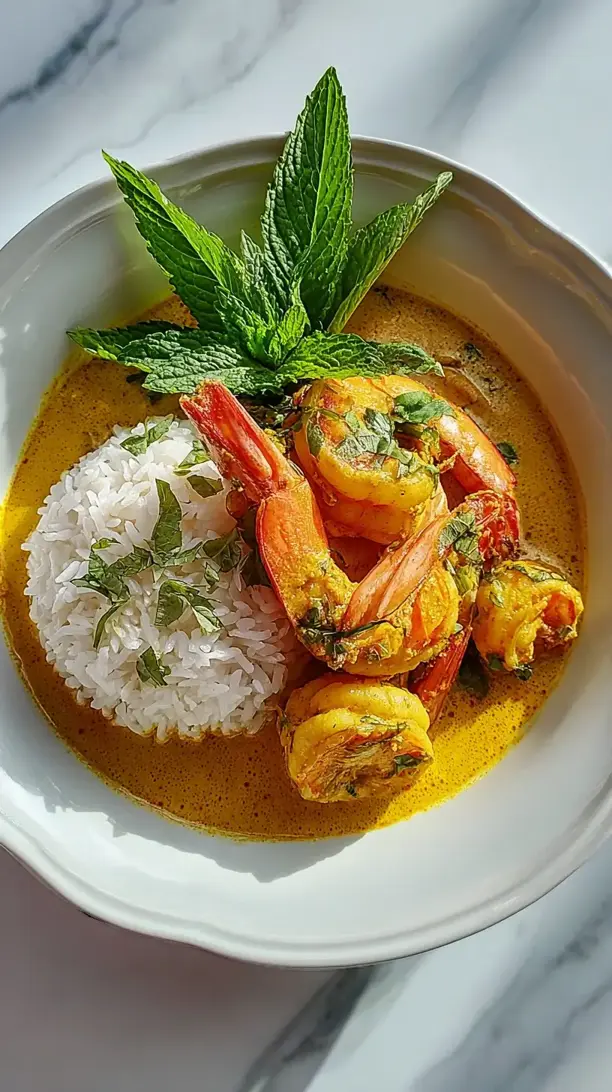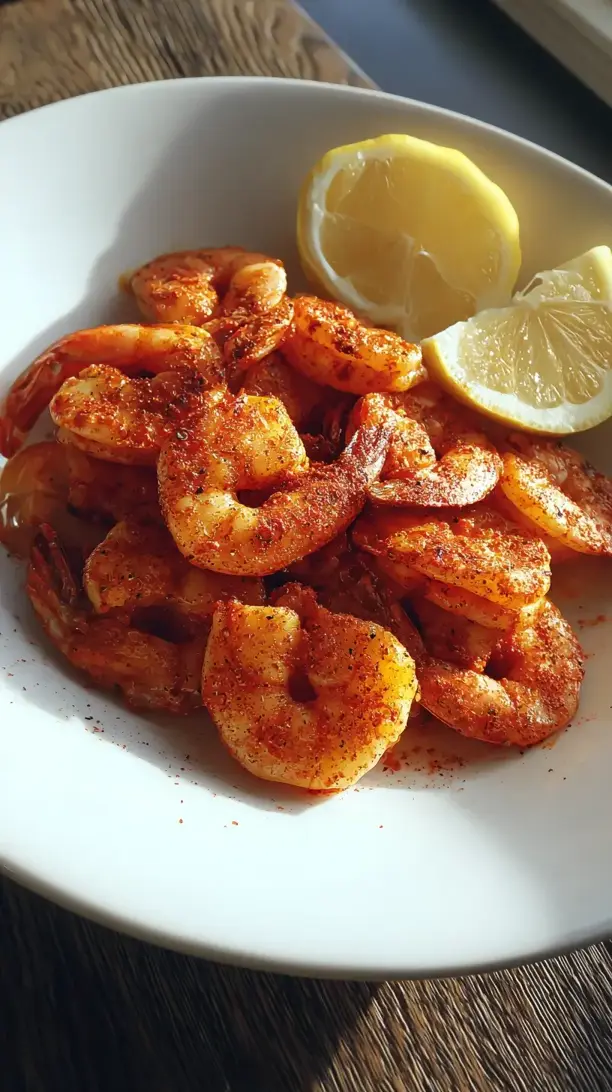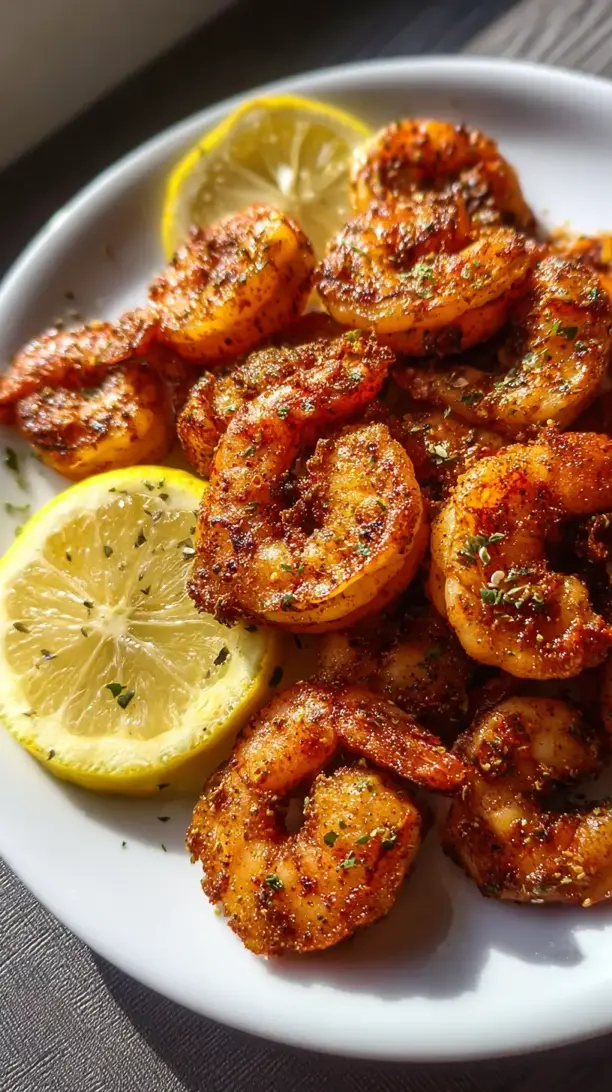

This Shrimp Cauliflower Rice is a fast, flavorful one-pan meal that feels indulgent yet light. Plump shrimp nestle into savory garlic cauliflower rice for a surprisingly satisfying low-carb dinner. It’s a weeknight hero ready in under 30 minutes.
Why You’ll Love This Shrimp Cauliflower Rice
- One-pan wonder: Everything cooks in a single skillet for minimal cleanup.
- Satisfying texture: Tender cauliflower rice and juicy shrimp feel hearty.
- Incredibly versatile: Easily customize with extra veggies or cheese.
- Comes together fast: Ready in about 25 minutes, faster than takeout.
Ingredients & Tools
- 1 lb (450 g) large raw shrimp, peeled and deveined
- 1 large head of cauliflower (or 4 cups pre-riced)
- 3 tbsp olive oil, divided
- 1 medium yellow onion, finely diced
- 4 cloves garlic, minced
- 1 red bell pepper, diced
- 2 tbsp fresh parsley, chopped
- 1 tsp paprika
- 1/2 tsp onion powder
- 1/4 tsp red pepper flakes (optional, for heat)
- Juice of 1/2 lemon
- Salt and black pepper to taste
Tools: A large skillet (non-stick or cast iron works great), a box grater or food processor if making your own cauliflower rice, and a good sharp knife.
Notes: Don’t skip the fresh lemon juice at the end—it brightens the dish. If using frozen riced cauliflower, thaw and squeeze out excess moisture first.
Nutrition (per serving)
| Calories: | 285 kcal |
| Protein: | 25 g |
| Fat: | 12 g |
| Carbs: | 18 g |
| Fiber: | 6 g |
Serves: 4 | Prep Time: 10 minutes | Cook Time: 15 minutes | Total Time: 25 minutes
Before You Start: Tips & Ingredient Notes
- Pat your shrimp completely dry. This is the single most important step for getting a nice sear on your shrimp instead of them steaming in their own juices. Use paper towels and really press to remove all that surface moisture.
- Don’t overcrowd the pan. When cooking the shrimp, give them a little space! If you pile them all in at once, they’ll release too much water and boil instead of sear. Cook in two batches if your skillet isn’t large enough.
- Consider your cauliflower rice source. If you’re using frozen riced cauliflower, you must thaw it and then wring it out in a clean kitchen towel. Excess water is the enemy of a fluffy, non-mushy final product.
- Mise en place is your friend. Have all your veggies chopped and your spices measured before you turn on the heat. This recipe moves quickly, so being prepared makes the process smooth and stress-free.
How to Make Shrimp Cauliflower Rice
Step 1: Start by preparing your cauliflower rice. If you’re using a whole head, remove the leaves and core, then chop the florets into chunks. Use a box grater on the large holes or pulse in a food processor until the cauliflower resembles grains of rice. You should have about 4 cups. Set this aside.
Step 2: Next, prepare your shrimp. Pat them thoroughly dry with paper towels and season them generously with salt, black pepper, and half of the paprika. This initial seasoning will help build flavor from the inside out.
Step 3: Heat a large skillet over medium-high heat and add 1.5 tablespoons of olive oil. Once the oil is shimmering, add the shrimp in a single layer. Cook for about 1-2 minutes per side, just until they turn pink and opaque. You’ll notice a beautiful golden crust forming. Don’t overcook them! Remove the shrimp from the skillet and set them aside on a plate.
Step 4: Reduce the heat to medium and add the remaining 1.5 tablespoons of olive oil to the same skillet. Add the diced onion and red bell pepper. Sauté for 4-5 minutes, stirring occasionally, until the vegetables have softened and the onion becomes translucent.
Step 5: Add the minced garlic, the remaining paprika, onion powder, and red pepper flakes (if using) to the skillet. Cook for just 30-60 seconds, stirring constantly, until the garlic is incredibly fragrant. Be careful not to let the garlic burn, as it can turn bitter.
Step 6: Now, add the cauliflower rice to the skillet. Stir everything together so the cauliflower is well-coated in the oil and spices. Cook for 5-7 minutes, stirring occasionally. The cauliflower should become tender but still have a little bite—you’re not aiming for complete mush. A little goes a long way here.
Step 7: Return the cooked shrimp to the skillet, pouring in any juices that accumulated on the plate. Add the fresh parsley and the juice from half a lemon. Give everything a final, gentle stir to combine and heat the shrimp through, which should only take about a minute.
Step 8: Taste and adjust the seasoning. Does it need more salt? A crack of black pepper? Maybe another squeeze of lemon? This is your moment to make it perfect. Once you’re happy, remove the skillet from the heat and serve immediately while it’s hot and flavorful.
Storage & Freshness Guide
- Fridge: Store in an airtight container for up to 2 days.
- Freezer: Not recommended; cauliflower rice becomes watery when thawed.
- Reviving: Reheat in a skillet with a splash of water or broth to restore texture.
Serving Suggestions
Complementary Dishes
- A simple arugula salad with a lemon vinaigrette — The peppery arugula and sharp dressing cut through the richness of the dish beautifully, adding a fresh, crisp element to your meal.
- Garlic sautéed green beans or asparagus — This doubles down on the savory, garlicky theme and adds a vibrant green vegetable to your plate for a more rounded dinner.
- Crusty, warm bread — Perfect for sopping up every last bit of the delicious, lemony sauce left in your bowl. It’s a truly satisfying addition.
Drinks
- A crisp, dry Sauvignon Blanc — Its bright acidity and citrus notes are a fantastic match for the lemon and shrimp, cleansing the palate between bites.
- Sparkling water with a lemon wedge — A non-alcoholic option that provides a refreshing, bubbly contrast to the savory, spiced flavors of the dish.
- An ice-cold lager — The crisp, clean finish of a good lager helps balance the slight spice from the red pepper flakes and complements the shrimp wonderfully.
Something Sweet
- Lemon sorbet — A light, palate-cleansing dessert that continues the citrus theme from the main course, ending the meal on a refreshing, not-too-heavy note.
- Fresh berries with a dollop of whipped cream — The natural sweetness and slight tartness of the berries provide a simple, elegant, and quick finish.
- A small square of dark chocolate — A rich, bittersweet bite that contrasts nicely with the meal’s savory and lemony profile without feeling overwhelming.
Top Mistakes to Avoid
- Mistake: Using wet shrimp or wet cauliflower rice. Excess moisture is your biggest enemy here. It will steam the ingredients instead of letting them sauté, resulting in a watery, bland final dish.
- Mistake: Overcooking the shrimp. Shrimp cook incredibly fast and become rubbery if left on the heat for too long. Cook them just until they turn pink and opaque, then remove them immediately.
- Mistake: Skipping the lemon juice at the end. That final hit of fresh acidity is what makes all the flavors pop. It lifts the entire dish from good to absolutely restaurant-quality.
- Mistake: Not seasoning in layers. Season the shrimp before cooking, and then remember to taste and adjust the seasoning again at the very end. Building flavor at each stage is the trick to a deeply delicious result.
Expert Tips
- Tip: Grate your own cauliflower for the best texture. While pre-riced is convenient, grating a fresh head of cauliflower yourself gives you more control over the size of the “grains” and results in a fluffier, less watery rice.
- Tip: Let the shrimp come to room temperature. Taking your shrimp out of the fridge 15 minutes before cooking helps them cook more evenly, preventing a cold center and an overcooked exterior.
- Tip: Add a pinch of umami. For an extra depth of flavor, add a teaspoon of tomato paste with the onions and peppers, or a dash of fish sauce when you add the garlic. It adds a savory backbone that’s hard to pinpoint but impossible to ignore.
- Tip: Use the residual heat. When you return the shrimp to the pan at the end, just stir to combine and then take it off the heat. The residual heat in the skillet will warm them through without any risk of overcooking.
FAQs
Can I use frozen shrimp?
Absolutely! Just make sure to thaw them completely first. The best way is to place them in a colander under cold running water for a few minutes. And remember—this is crucial—pat them bone-dry with paper towels before seasoning and cooking. Any ice crystals or water left on them will ruin your chance of a good sear.
How do I store and reheat leftovers?
Store any leftovers in an airtight container in the fridge for up to 2 days. To reheat, I strongly recommend using a skillet over medium heat with a tiny splash of water or broth. The microwave will make the cauliflower rice soggy. The stovetop method helps bring back some of that fresh texture and flavor.
Can I make this vegetarian?
Of course! Simply omit the shrimp. You can add a can of drained and rinsed chickpeas when you add the cauliflower rice for plant-based protein, or throw in some cubed firm tofu that you’ve pan-seared separately. The spice base is so flavorful it will carry the dish beautifully.
My cauliflower rice is turning out mushy. What am I doing wrong?
This almost always comes down to too much moisture. If using frozen, you must thaw and wring it out. If using fresh, don’t cover the skillet while it cooks—this traps steam. Also, make sure your skillet is hot enough so the water evaporates quickly rather than simmering the cauliflower.
Can I add other vegetables?
Please do! This recipe is a fantastic canvas. Diced zucchini, sliced mushrooms, or a handful of corn kernels would be lovely additions. Just sauté any harder veggies (like carrots) with the onions, and add quicker-cooking ones (like spinach) at the very end with the shrimp.

Shrimp Cauliflower Rice
Make this easy Shrimp Cauliflower Rice in one pan in under 30 minutes! A healthy, low-carb dinner packed with flavor. Get the simple recipe here.
Ingredients
For the Ingredients
-
1 lb large raw shrimp (peeled and deveined)
-
1 large head cauliflower (or 4 cups pre-riced)
-
3 tbsp olive oil (divided)
-
1 medium yellow onion (finely diced)
-
4 cloves garlic (minced)
-
1 red bell pepper (diced)
-
2 tbsp fresh parsley (chopped)
-
1 tsp paprika
-
1/2 tsp onion powder
-
1/4 tsp red pepper flakes (optional, for heat)
-
1/2 lemon (juice of)
-
salt (to taste)
-
black pepper (to taste)
Instructions
-
Start by preparing your cauliflower rice. If you’re using a whole head, remove the leaves and core, then chop the florets into chunks. Use a box grater on the large holes or pulse in a food processor until the cauliflower resembles grains of rice. You should have about 4 cups. Set this aside.01
-
Next, prepare your shrimp. Pat them thoroughly dry with paper towels and season them generously with salt, black pepper, and half of the paprika. This initial seasoning will help build flavor from the inside out.02
-
Heat a large skillet over medium-high heat and add 1.5 tablespoons of olive oil. Once the oil is shimmering, add the shrimp in a single layer. Cook for about 1-2 minutes per side, just until they turn pink and opaque. You’ll notice a beautiful golden crust forming. Don’t overcook them! Remove the shrimp from the skillet and set them aside on a plate.03
-
Reduce the heat to medium and add the remaining 1.5 tablespoons of olive oil to the same skillet. Add the diced onion and red bell pepper. Sauté for 4-5 minutes, stirring occasionally, until the vegetables have softened and the onion becomes translucent.04
-
Add the minced garlic, the remaining paprika, onion powder, and red pepper flakes (if using) to the skillet. Cook for just 30-60 seconds, stirring constantly, until the garlic is incredibly fragrant. Be careful not to let the garlic burn, as it can turn bitter.05
-
Now, add the cauliflower rice to the skillet. Stir everything together so the cauliflower is well-coated in the oil and spices. Cook for 5-7 minutes, stirring occasionally. The cauliflower should become tender but still have a little bite—you’re not aiming for complete mush. A little goes a long way here.06
-
Return the cooked shrimp to the skillet, pouring in any juices that accumulated on the plate. Add the fresh parsley and the juice from half a lemon. Give everything a final, gentle stir to combine and heat the shrimp through, which should only take about a minute.07
-
Taste and adjust the seasoning. Does it need more salt? A crack of black pepper? Maybe another squeeze of lemon? This is your moment to make it perfect. Once you’re happy, remove the skillet from the heat and serve immediately while it’s hot and flavorful.08