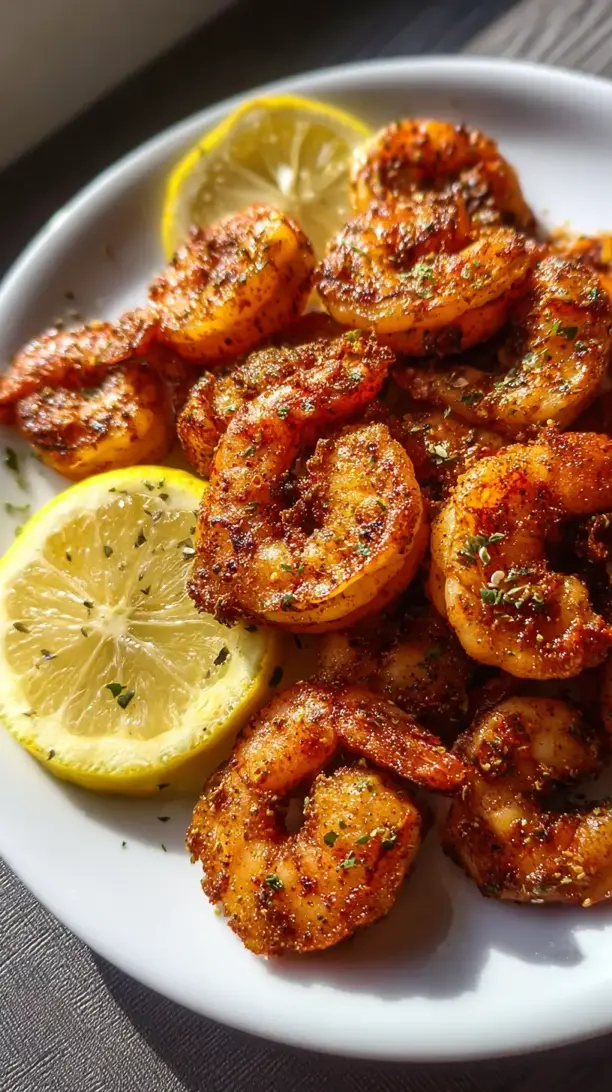

This Sheet Pan Shrimp and Vegetables recipe delivers maximum flavor with minimal cleanup. Juicy, garlicky shrimp roast alongside colorful, caramelized vegetables for a vibrant weeknight meal. It’s a reliable, flavor-packed staple that feels fancy but is incredibly straightforward.
Why You’ll Love This Sheet Pan Shrimp and Vegetables
- Effortless cleanup: Everything cooks on one pan for a stress-free kitchen experience.
- Vibrant, customizable flavors: Smoky paprika, zesty lemon, and fresh herbs create an addictive profile.
- Surprisingly elegant: Beautiful and colorful on the plate—perfect for impressing guests.
- Perfectly balanced textures: Tender shrimp alongside crispy, charred roasted veggies.
Ingredients & Tools
- 1 lb (450 g) large raw shrimp, peeled and deveined
- 1 large red bell pepper, sliced into strips
- 1 large yellow bell pepper, sliced into strips
- 1 medium red onion, cut into wedges
- 1 head broccoli, cut into florets
- 1 medium zucchini, sliced into half-moons
- 4 cloves garlic, minced
- 3 tbsp olive oil, divided
- 1 tsp smoked paprika
- 1/2 tsp garlic powder
- 1/2 tsp onion powder
- 1/4 tsp crushed red pepper flakes (optional)
- 1 lemon, zested and juiced
- 2 tbsp fresh parsley, chopped
- to taste salt and black pepper
Tools: 1 large rimmed sheet pan, parchment paper or a silicone baking mat (highly recommended!), a couple of mixing bowls, and a microplane or zester for the lemon.
Notes: Using a good quality smoked paprika really makes a difference here—it adds a subtle, smoky depth that pairs wonderfully with the sweet shrimp. And don’t skip the fresh lemon zest at the end; it’s like a little burst of sunshine that ties the whole dish together.
Nutrition (per serving)
| Calories: | 285 kcal |
| Protein: | 25 g |
| Fat: | 12 g |
| Carbs: | 18 g |
| Fiber: | 5 g |
Serves: 4 | Prep Time: 15 minutes | Cook Time: 12 minutes | Total Time: 27 minutes
Before You Start: Tips & Ingredient Notes
- Pat your shrimp dry. This is a small but crucial step. Moisture is the enemy of a good sear, and dry shrimp will roast up much nicer and have a better texture.
- Don’t overcrowd the pan. If your sheet pan is looking a little too full, it’s better to use two. Overcrowding steams the vegetables and shrimp instead of roasting them, and you’ll miss out on those delicious caramelized edges.
- Size matters for the veggies. Try to cut your vegetables into roughly similar sizes. This ensures they all cook at the same rate, so you don’t end up with some burnt pieces and others still raw.
- Fresh vs. frozen shrimp. Frozen shrimp works perfectly well! Just make sure to thaw it completely in the refrigerator overnight or under cold running water, and pat it very dry before using.
How to Make Sheet Pan Shrimp and Vegetables
Step 1: Preheat your oven to a hot 425°F (220°C). This high heat is key for getting a nice roast on the veggies without overcooking the shrimp. Line your large sheet pan with parchment paper or a silicone mat—this isn’t just for easy cleanup; it also prevents any sticking and helps with browning.
Step 2: In a large bowl, toss the prepared bell peppers, red onion, broccoli, and zucchini with 2 tablespoons of the olive oil. You want every piece to have a light, glossy coating. Season generously with salt and black pepper. Give it a good toss with your hands to make sure everything is evenly coated—this is the foundation for well-seasoned, flavorful vegetables.
Step 3: Spread the oiled and seasoned vegetables in a single layer on your prepared sheet pan. A single layer is non-negotiable here! If they’re piled on top of each other, they’ll steam and become soggy. Roast in the preheated oven for about 10 minutes. You’re looking for the vegetables to just start becoming tender and maybe get a few browned tips.
Step 4: While the veggies have their head start, prepare the shrimp. In the now-empty bowl (no need to wash it!), combine the shrimp with the remaining 1 tablespoon of olive oil, minced garlic, smoked paprika, garlic powder, onion powder, and red pepper flakes if using. Toss until the shrimp are evenly coated in the fragrant spice mixture.
Step 5: Carefully remove the hot sheet pan from the oven. The vegetables should be sizzling. Push them to one side of the pan to create some space, or arrange them to form a border. Add the seasoned shrimp to the empty space in a single layer. This method ensures the shrimp cook quickly and don’t get rubbery while the vegetables finish roasting.
Step 6: Return the pan to the oven and roast for another 8-10 minutes. The shrimp are done when they’ve turned pink and opaque and are firm to the touch. The vegetables should be tender-crisp with nicely browned edges. Be careful not to overcook the shrimp, as they can go from perfect to tough in just a minute or two.
Step 7: As soon as the pan comes out of the oven, it’s time for the finishing touches. Drizzle the fresh lemon juice over everything and sprinkle with the lemon zest and chopped parsley. Give everything a gentle toss right on the hot pan—the residual heat will wake up the herbs and lemon, creating an incredible aroma.
Step 8: Do a final taste test and adjust the seasoning with a little more salt or pepper if needed. Serve immediately while everything is hot and the shrimp are at their juiciest. The contrast between the warm, roasted ingredients and the bright, fresh lemon is absolutely divine.
Storage & Freshness Guide
- Fridge: Store leftovers in an airtight container for up to 2 days.
- Freezer: Not recommended; shrimp and vegetables can become watery and mushy upon thawing.
- Reviving: Reheat on a sheet pan at 350°F (175°C) for 5–10 minutes to restore texture.
Serving Suggestions
Complementary Dishes
- Fluffy quinoa or couscous — These light grains are perfect for soaking up the delicious juices from the pan and make the meal a bit more substantial.
- Crusty, warm bread — A slice of good sourdough or a baguette is essential for mopping up every last bit of the garlicky, lemony sauce left on your plate.
- A simple arugula salad — The peppery bite of arugula dressed with just a squeeze of lemon provides a fresh, crisp counterpoint to the warm, roasted flavors.
Drinks
- A crisp Sauvignon Blanc — Its citrusy notes mirror the lemon in the dish and cut through the richness of the olive oil beautifully.
- Sparkling water with lemon — For a non-alcoholic option, the bubbles and citrus are incredibly refreshing and palate-cleansing.
- A light lager or pilsner — A cold, crisp beer complements the smoky paprika and doesn’t overpower the delicate shrimp.
Something Sweet
- Lemon sorbet — It continues the citrus theme in a refreshing, palate-cleansing way that feels light and perfect after this meal.
- Almond biscotti for dipping — The nutty, crunchy cookies are a lovely, not-too-sweet ending that pairs wonderfully with a cup of coffee.
- Fresh berries with a dollop of whipped cream — Simple, elegant, and the bright fruitiness is a delightful finish without being heavy.
Top Mistakes to Avoid
- Mistake: Adding the shrimp at the same time as the vegetables. Shrimp cook much faster than dense vegetables like broccoli and potatoes. If you put them in together, you’ll end up with overcooked, rubbery shrimp by the time the veggies are tender.
- Mistake: Using a wet, crowded pan. If your shrimp aren’t patted dry or the pan is overcrowded, the ingredients will steam instead of roast. You’ll miss out on that beautiful caramelization and end up with a soggy, less flavorful dish.
- Mistake: Skipping the acid at the end. That final hit of fresh lemon juice is not just a garnish—it’s a crucial flavor component that brightens and balances the entire dish, cutting through the oil and richness.
- Mistake: Overcooking the shrimp. I’ve messed this up before too, and it’s a tragedy! Shrimp are done the moment they curl, turn pink, and become opaque. Keep a close eye on them during the last few minutes of cooking.
Expert Tips
- Tip: Toss veggies with oil in stages. If you’re using a particularly dense vegetable like carrots or sweet potatoes, toss them with oil first, spread them on the pan, and give them a 5-minute head start before adding the quicker-cooking veggies like peppers and zucchini.
- Tip: Use the residual pan heat. After pulling the pan from the oven, add delicate herbs like parsley or basil and the lemon juice. The residual heat will wilt them perfectly and release their oils without burning them.
- Tip: Get creative with the spice blend. This recipe is a fantastic base. Swap the smoked paprika for Old Bay seasoning for a coastal vibe, or add a teaspoon of curry powder for a warm, aromatic twist.
- Tip: Let the sheet pan preheat. For extra-crispy vegetables, pop the empty sheet pan into the oven as it preheats. Carefully add the veggies to the hot pan—you’ll hear an immediate sizzle that leads to superior browning.
FAQs
Can I use frozen vegetables?
You can, but the results will be different. Frozen vegetables release a lot more water as they cook, which can lead to a steamed rather than roasted texture and a soggier final dish. If you must use them, don’t thaw them first, and spread them in a very single layer. Pat them as dry as possible with paper towels before tossing with oil to help mitigate the extra moisture.
How do I store and reheat leftovers?
Store any leftovers in an airtight container in the refrigerator for up to 2 days. To reheat, spread the shrimp and veggies on a sheet pan and warm in a 350°F (175°C) oven for 5-10 minutes until heated through. I’d avoid the microwave, as it can make the shrimp rubbery and the veggies mushy. The oven method helps retain the best possible texture.
What other vegetables can I use?
This recipe is incredibly versatile! Asparagus, cherry tomatoes, sliced mushrooms, cauliflower florets, and thin slices of sweet potato all work wonderfully. Just keep in mind their cooking times—denser veggies might need a longer head start, while delicate ones (like cherry tomatoes) can be added with the shrimp.
My shrimp turned out tough. What happened?
This almost always means they were overcooked. Shrimp cook very quickly, and they continue to cook for a minute after being removed from the heat. As soon as they turn from gray and translucent to pink and opaque, they’re done. It’s better to pull them out a moment too early than a moment too late.
Can I make this dairy-free or gluten-free?
This recipe is naturally both! There’s no dairy or gluten-containing ingredients in the base recipe. Just be sure to double-check the labels on any pre-made spice blends you use, as some can contain anti-caking agents or flavorings that might not be gluten-free.
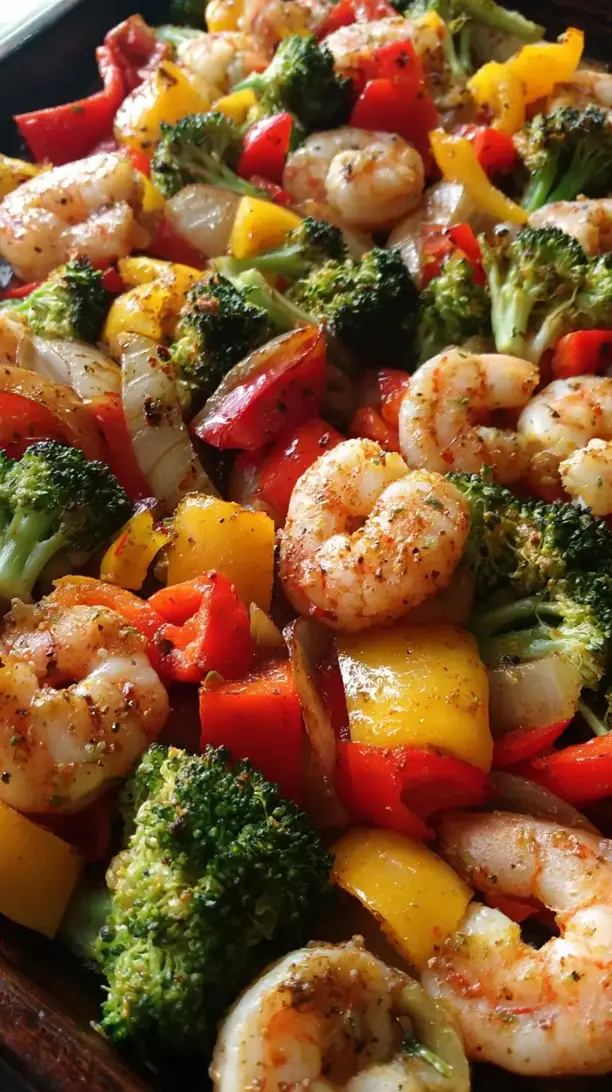
Sheet Pan Shrimp And Vegetables
Make this easy Sheet Pan Shrimp and Vegetables for a quick, healthy dinner with minimal cleanup. Ready in under 30 minutes! Get the recipe now.
Ingredients
For the Shrimp and Vegetables
-
1 lb large raw shrimp (peeled and deveined)
-
1 large red bell pepper (sliced into strips)
-
1 large yellow bell pepper (sliced into strips)
-
1 medium red onion (cut into wedges)
-
1 head broccoli (cut into florets)
-
1 medium zucchini (sliced into half-moons)
-
4 cloves garlic (minced)
-
3 tbsp olive oil (divided)
-
1 tsp smoked paprika
-
0.5 tsp garlic powder
-
0.5 tsp onion powder
-
0.25 tsp crushed red pepper flakes (optional)
-
1 lemon (zested and juiced)
-
2 tbsp fresh parsley (chopped)
-
to taste salt and black pepper
Instructions
-
Preheat your oven to a hot 425°F (220°C). Line your large sheet pan with parchment paper or a silicone mat.01
-
In a large bowl, toss the prepared bell peppers, red onion, broccoli, and zucchini with 2 tablespoons of the olive oil. Season generously with salt and black pepper.02
-
Spread the oiled and seasoned vegetables in a single layer on your prepared sheet pan. Roast in the preheated oven for about 10 minutes.03
-
While the veggies have their head start, prepare the shrimp. In the now-empty bowl, combine the shrimp with the remaining 1 tablespoon of olive oil, minced garlic, smoked paprika, garlic powder, onion powder, and red pepper flakes if using.04
-
Carefully remove the hot sheet pan from the oven. Push the vegetables to one side of the pan to create some space, or arrange them to form a border. Add the seasoned shrimp to the empty space in a single layer.05
-
Return the pan to the oven and roast for another 8-10 minutes. The shrimp are done when they’ve turned pink and opaque and are firm to the touch.06
-
As soon as the pan comes out of the oven, drizzle the fresh lemon juice over everything and sprinkle with the lemon zest and chopped parsley. Give everything a gentle toss right on the hot pan.07
-
Do a final taste test and adjust the seasoning with a little more salt or pepper if needed. Serve immediately.08