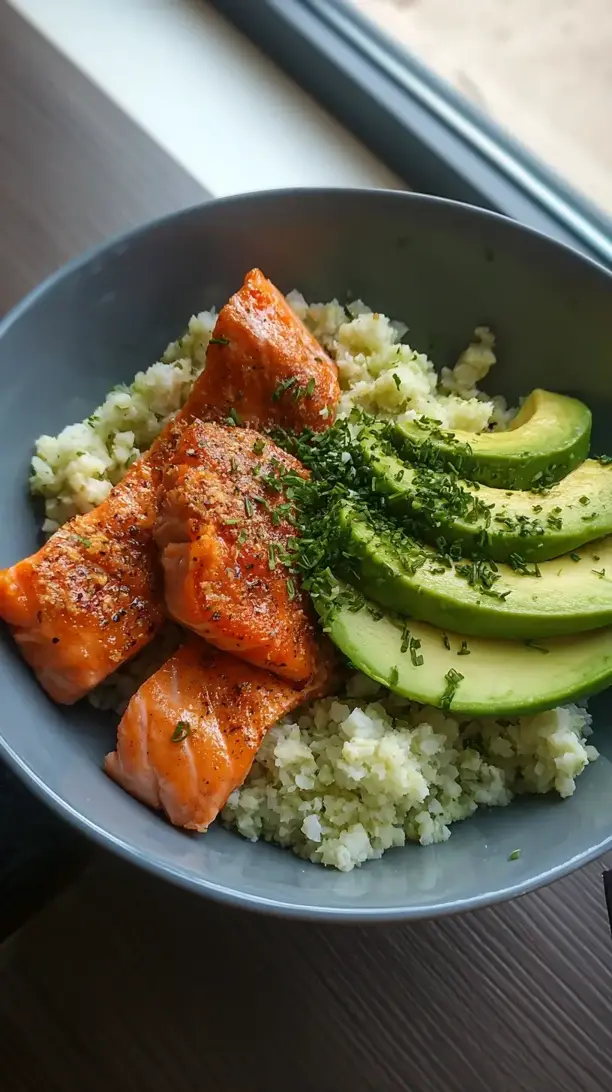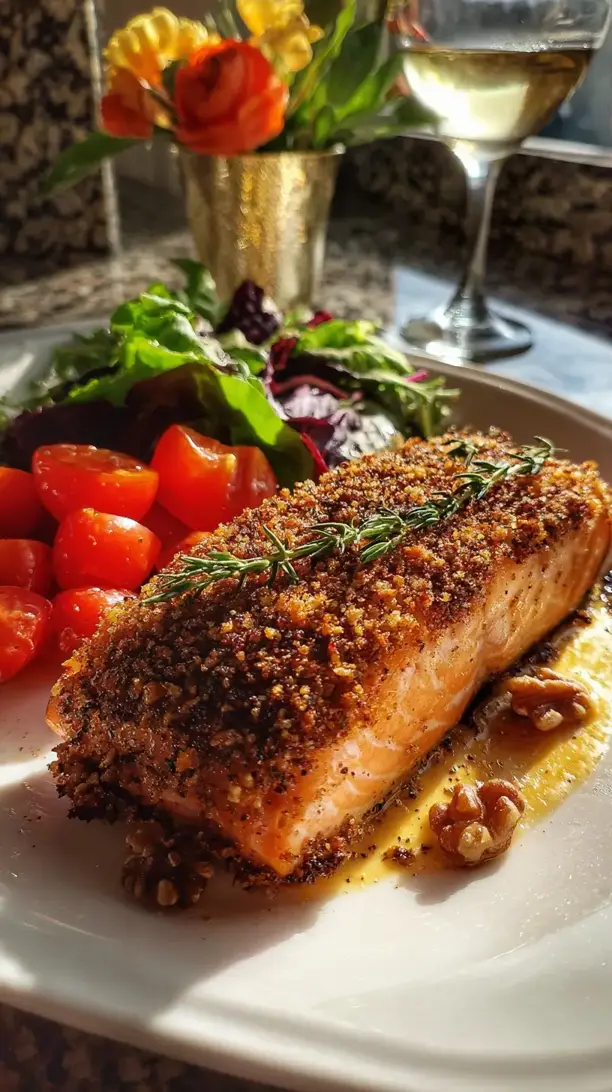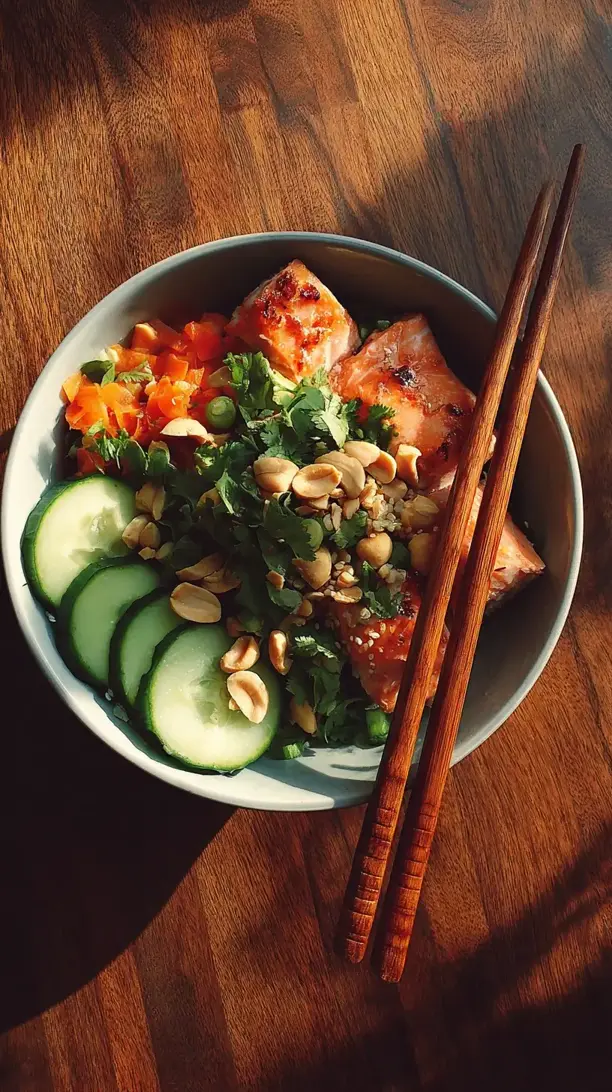

This Sesame Ginger Salmon Stir Fry is a vibrant, flavor-packed meal that comes together in minutes. The salmon gets beautifully crisp while staying moist inside, coated in a glossy savory-sweet sauce. It’s a one-pan wonder perfect for busy weeknights.
Why You’ll Love This Sesame Ginger Salmon Stir Fry
- Complete one-pan meal: Protein, carbs, and veggies all cooked together.
- Addictive sauce: Perfect harmony of savory, sweet, and tangy flavors.
- Quick & versatile: Ready in 30 minutes with flexible vegetable options.
- Texture contrast: Crispy salmon against tender-crisp vegetables and fluffy rice.
Ingredients & Tools
- 450 g salmon fillets, skin removed, cut into 1-inch cubes
- 2 tbsp toasted sesame oil, divided
- 1 tbsp neutral oil (like avocado or grapeseed)
- 1 red bell pepper, thinly sliced
- 150 g broccoli florets
- 1 large carrot, julienned or thinly sliced
- 3 cloves garlic, minced
- 1 tbsp fresh ginger, grated
- 3 spring onions, sliced (whites and greens separated)
- 2 tbsp soy sauce (or tamari for gluten-free)
- 1 tbsp honey or maple syrup
- 1 tbsp rice vinegar
- 1 tsp sriracha or chili garlic sauce (optional, for heat)
- 1 tbsp sesame seeds, for garnish
- Cooked jasmine or brown rice, for serving
Tools: A large wok or a large, heavy-bottomed skillet, a microplane or fine grater for the ginger, and a set of tongs.
Notes: Use toasted sesame oil for deeper flavor, and don’t skip fresh ginger and garlic.
Nutrition (per serving)
| Calories: | 485 kcal |
| Protein: | 35 g |
| Fat: | 22 g |
| Carbs: | 35 g |
| Fiber: | 5 g |
Serves: 3-4 | Prep Time: 15 minutes | Cook Time: 12 minutes | Total Time: 27 minutes
Before You Start: Tips & Ingredient Notes
- Cut your salmon into even pieces. This is the key to getting it all to cook at the same rate. If some pieces are much larger than others, you’ll end up with some overcooked and some undercooked bits, and we want perfect, flaky salmon throughout.
- Have all your ingredients prepped and within arm’s reach. Stir-frying is a fast process, and there’s no time to stop and mince garlic once you’ve started cooking. This “mise en place” makes the entire experience smooth and stress-free.
- Don’t overcrowd the pan. If you put too much in the wok at once, the temperature will drop, and you’ll steam the salmon and vegetables instead of searing them. We’re after that beautiful, caramelized crust, so work in batches if your pan is on the smaller side.
- Use a high smoke point oil for searing. While we use sesame oil for flavor, we start with a neutral oil like avocado or grapeseed because they can handle the high heat needed to get a good sear on the salmon without burning.
How to Make Sesame Ginger Salmon Stir Fry
Step 1: Start by prepping all your ingredients. Cut the salmon into uniform, bite-sized cubes. Thinly slice the bell pepper and carrot, and separate the broccoli into small florets so they cook quickly. Mince the garlic, grate the ginger, and slice the spring onions, keeping the white and green parts separate. In a small bowl, whisk together the soy sauce, honey, rice vinegar, remaining tablespoon of sesame oil, and sriracha (if using). This is your sauce—give it a quick taste; it should be a beautiful balance of salty, sweet, and tangy.
Step 2: Place your wok or large skillet over medium-high heat and let it get properly hot. You’ll know it’s ready when a drop of water sizzles and evaporates on contact. Add the neutral oil and swirl it around to coat the surface. Carefully add the salmon cubes in a single layer, making sure they aren’t touching. Let them sear undisturbed for about 90 seconds to 2 minutes to develop a gorgeous golden-brown crust on one side.
Step 3: Using tongs, gently flip the salmon pieces to sear the other side. You don’t need to cook them all the way through at this stage, just get a nice color on the outside. They’ll finish cooking later. Once seared on both sides, which should take about 3-4 minutes total, remove the salmon from the wok and set it aside on a clean plate. The salmon will still look quite rare in the center, and that’s perfectly fine.
Step 4: In the same wok, you should have some delicious rendered salmon fat and oil. If it looks dry, you can add another tiny drizzle of neutral oil. Toss in the broccoli florets and carrots. Stir-fry them for about 2-3 minutes—they’ll start to brighten in color but will still be quite firm. Now, add the bell pepper and the white parts of the spring onions. Continue to stir-fry for another 2 minutes until all the vegetables are tender-crisp.
Step 5: Push the vegetables to one side of the wok. In the empty space, add the minced garlic and grated ginger. They’ll sizzle on contact—let them cook for just 30 seconds until incredibly fragrant. Be careful not to burn them! Now, mix them into the vegetables.
Step 6: Return the seared salmon (and any accumulated juices) back to the wok, nestling it amongst the vegetables. Give your sauce another quick whisk (the honey tends to settle) and pour it over everything. Gently toss to coat the salmon and vegetables in the glossy sauce. Let it bubble and simmer for just 1-2 minutes, until the sauce thickens slightly and the salmon is cooked through and flakes easily with a fork.
Step 7: Immediately remove the wok from the heat. Stir in most of the green parts of the spring onions and sprinkle with the sesame seeds. The residual heat will wilt the greens perfectly. Your stir fry is now ready to serve—spoon it generously over a bed of fluffy rice and dive in.
Storage & Freshness Guide
- Fridge: Store in an airtight container for up to 2 days.
- Freezer: Freeze for up to 1 month; thaw overnight in fridge before reheating.
- Reviving: Reheat gently in a skillet to maintain texture; avoid microwaving.
Serving Suggestions
Complementary Dishes
- A simple cucumber salad — The cool, crisp freshness of thinly sliced cucumbers with a little rice vinegar and salt provides a lovely, palate-cleansing contrast to the rich, savory stir fry.
- Steamed or roasted baby bok choy — Its mild, slightly bitter flavor soaks up the delicious sauce beautifully and adds another layer of green vegetable goodness to your plate.
- Vegetable spring rolls — A few crispy spring rolls on the side make the meal feel like a special occasion, adding a different, delightful crunch.
Drinks
- Iced jasmine green tea — Its floral, slightly sweet notes are incredibly refreshing and complement the Asian-inspired flavors of the dish without overpowering them.
- A crisp, dry Riesling — The wine’s natural acidity and hint of sweetness are a classic pairing for the ginger and salmon, cutting through the richness perfectly.
- Ginger beer — For a non-alcoholic option, the spicy-sweet fizz of a good ginger beer mirrors the ginger in the dish and cleanses the palate between bites.
Something Sweet
- Mango with sticky rice — The creamy, sweet coconut and mango are a classic, tropical finish that feels light yet satisfying after a savory meal.
- Lychee sorbet — This is so refreshing and light. The floral, delicate flavor of lychee is a perfect, elegant endnote that doesn’t sit heavily in your stomach.
- Fortune cookies and green tea — A simple, fun, and traditional way to end the meal, offering a little bit of sweet crunch and a warm, soothing drink.
Top Mistakes to Avoid
- Mistake: Overcooking the salmon. Salmon continues to cook from residual heat even after you take it off the stove. If you cook it until it’s completely opaque in the pan, it will be dry by the time you eat it. The trick is to take it off the heat when it’s still a little translucent in the very center.
- Mistake: Adding the sauce too early. If you pour the sauce in at the same time as the raw salmon, the fish will essentially boil and you’ll miss out on that beautiful sear. The sauce should be the final act, bringing everything together at the end.
- Mistake: Using a cold pan. A properly preheated wok is non-negotiable for a good stir fry. It’s what gives you that characteristic “wok hei” or breath of the wok—that smoky, seared flavor. I’ve messed this up before too, and it results in soggy, steamed ingredients.
- Mistake: Burning the garlic and ginger. They cook in seconds and become bitter if burnt. Add them towards the end of the veggie cooking process and keep them moving for just half a minute until fragrant.
Expert Tips
- Tip: Pat your salmon dry. Before you cube it, use a paper towel to thoroughly pat the salmon fillets dry. This removes surface moisture, which is the enemy of a good sear, and helps you achieve that perfect crispy exterior.
- Tip: Grate frozen ginger. If you have a knob of ginger, you can peel it and keep it in the freezer. It grates incredibly easily on a microplane, making prep a breeze and reducing waste since you can grate just what you need.
- Tip: Toast your own sesame seeds. While pre-toasted seeds are convenient, toasting raw sesame seeds in a dry pan for a few minutes until golden amplifies their nutty flavor tenfold and makes for a superior garnish.
- Tip: Let the salmon come to room temperature. Taking the salmon out of the fridge 15-20 minutes before cooking helps it cook more evenly, preventing a cold center while the outside overcooks.
FAQs
Can I use a different type of fish?
Absolutely! While salmon is fantastic for its rich flavor and sturdy texture, firm white fish like cod, halibut, or even large, raw shrimp would work wonderfully. Just adjust the cooking time accordingly, as these proteins may cook a little faster than salmon. The key is to use a fish that won’t fall apart easily when tossed in the wok.
How can I make this dish spicier?
You have a few great options here. You can increase the sriracha in the sauce, add a teaspoon of chili crisp for an extra layer of texture and heat, or toss in a thinly sliced fresh red chili pepper (like a Fresno or bird’s eye chili) when you’re cooking the garlic and ginger. A little goes a long way, so adjust to your personal heat tolerance.
Is it okay to use frozen salmon?
Yes, but there’s an important step. You must thaw the salmon completely in the refrigerator overnight first. Then, it’s crucial to pat it extremely dry with paper towels to remove all the excess moisture that is released during thawing. If you skip this, the salmon will steam instead of sear, and the stir-fry can become watery.
Can I make the sauce ahead of time?
Definitely! The sauce can be whisked together and stored in an airtight jar in the fridge for up to 5 days. This is a fantastic meal-prep hack for an even quicker dinner. Just give it a good shake or whisk before using, as the honey tends to settle at the bottom.
My stir-fry is a bit watery. How can I fix the sauce?
This usually happens if the vegetables release a lot of liquid. The easiest fix is to create a quick slurry by mixing 1 teaspoon of cornstarch with 1 tablespoon of cold water. Push the ingredients to one side, add the slurry to the simmering sauce in the wok, and stir constantly for about 60 seconds until the sauce thickens and becomes glossy.

Sesame Ginger Salmon Stir Fry
Make this easy Sesame Ginger Salmon Stir Fry in under 30 minutes for a healthy, one-pan meal. Get the recipe for crispy salmon and a glossy sauce now!
Ingredients
For the stir fry:
-
450 g salmon fillets (skin removed, cut into 1-inch cubes)
-
2 tbsp toasted sesame oil (divided)
-
1 tbsp neutral oil (like avocado or grapeseed)
-
1 red bell pepper (thinly sliced)
-
150 g broccoli florets
-
1 large carrot (julienned or thinly sliced)
-
3 cloves garlic (minced)
-
1 tbsp fresh ginger (grated)
-
3 spring onions (sliced (whites and greens separated))
-
2 tbsp soy sauce (or tamari for gluten-free)
-
1 tbsp honey or maple syrup
-
1 tbsp rice vinegar
-
1 tsp sriracha or chili garlic sauce (optional, for heat)
-
1 tbsp sesame seeds (for garnish)
-
cooked jasmine or brown rice (for serving)
Instructions
-
Start by prepping all your ingredients. Cut the salmon into uniform, bite-sized cubes. Thinly slice the bell pepper and carrot, and separate the broccoli into small florets so they cook quickly. Mince the garlic, grate the ginger, and slice the spring onions, keeping the white and green parts separate. In a small bowl, whisk together the soy sauce, honey, rice vinegar, remaining tablespoon of sesame oil, and sriracha (if using). This is your sauce—give it a quick taste; it should be a beautiful balance of salty, sweet, and tangy.01
-
Place your wok or large skillet over medium-high heat and let it get properly hot. You'll know it's ready when a drop of water sizzles and evaporates on contact. Add the neutral oil and swirl it around to coat the surface. Carefully add the salmon cubes in a single layer, making sure they aren't touching. Let them sear undisturbed for about 90 seconds to 2 minutes to develop a gorgeous golden-brown crust on one side.02
-
Using tongs, gently flip the salmon pieces to sear the other side. You don't need to cook them all the way through at this stage, just get a nice color on the outside. They'll finish cooking later. Once seared on both sides, which should take about 3-4 minutes total, remove the salmon from the wok and set it aside on a clean plate. The salmon will still look quite rare in the center, and that's perfectly fine.03
-
In the same wok, you should have some delicious rendered salmon fat and oil. If it looks dry, you can add another tiny drizzle of neutral oil. Toss in the broccoli florets and carrots. Stir-fry them for about 2-3 minutes—they'll start to brighten in color but will still be quite firm. Now, add the bell pepper and the white parts of the spring onions. Continue to stir-fry for another 2 minutes until all the vegetables are tender-crisp.04
-
Push the vegetables to one side of the wok. In the empty space, add the minced garlic and grated ginger. They'll sizzle on contact—let them cook for just 30 seconds until incredibly fragrant. Be careful not to burn them! Now, mix them into the vegetables.05
-
Return the seared salmon (and any accumulated juices) back to the wok, nestling it amongst the vegetables. Give your sauce another quick whisk (the honey tends to settle) and pour it over everything. Gently toss to coat the salmon and vegetables in the glossy sauce. Let it bubble and simmer for just 1-2 minutes, until the sauce thickens slightly and the salmon is cooked through and flakes easily with a fork.06
-
Immediately remove the wok from the heat. Stir in most of the green parts of the spring onions and sprinkle with the sesame seeds. The residual heat will wilt the greens perfectly. Your stir fry is now ready to serve—spoon it generously over a bed of fluffy rice and dive in.07