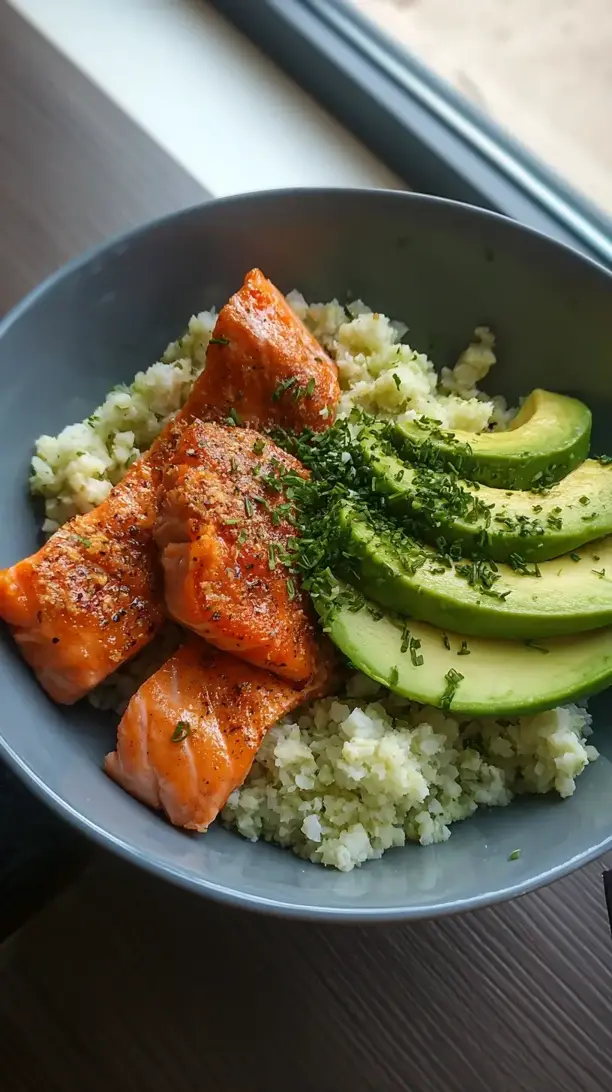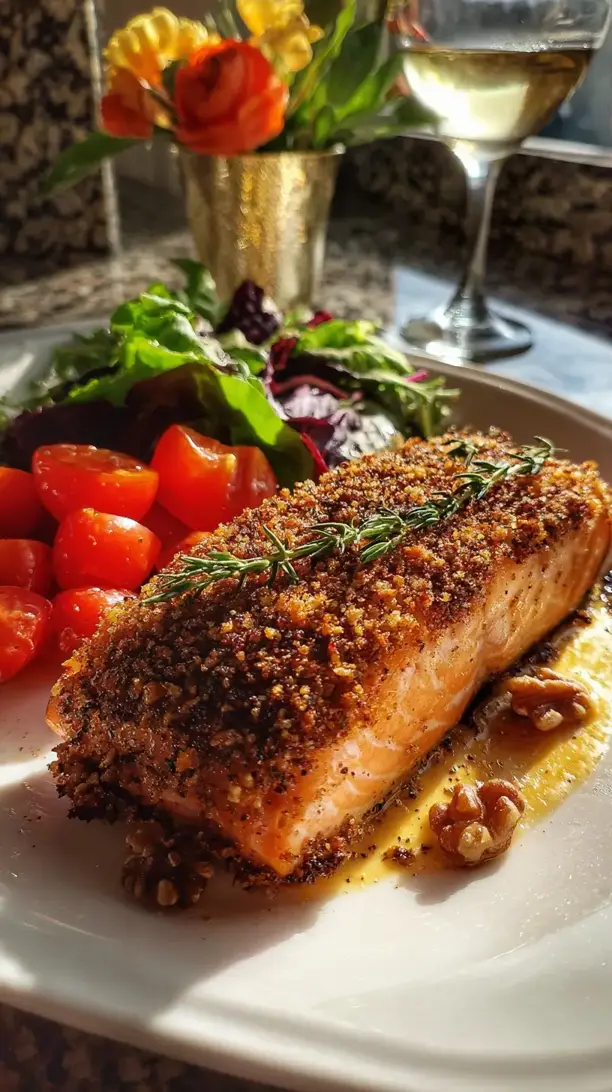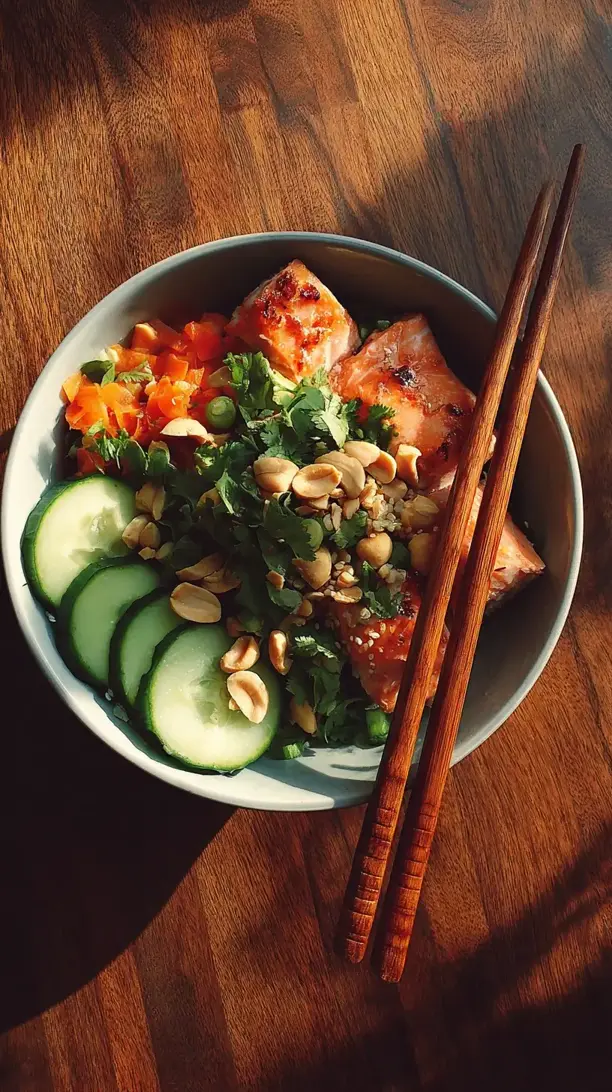

Perfectly cooked salmon with crispy skin and flaky flesh pairs magically with a cool, tangy yogurt cucumber sauce. This Salmon with Yogurt Cucumber Sauce is elegant yet simple, ideal for both weeknights and guests. The warm, savory fish and refreshing, herby sauce create a beautiful harmony in every bite.
Why You’ll Love This Salmon with Yogurt Cucumber Sauce
Perfectly balanced: Rich salmon is cut by bright, acidic yogurt sauce.
Deceptively simple: Restaurant-quality meal with minimal active time.
Game-changing sauce: Creamy, herby, and crunchy—good on everything.
Wonderfully versatile: Easy to adapt and serve with your favorite sides.
Ingredients & Tools
- 4 salmon fillets (about 150-180 g each), skin-on
- 2 tbsp olive oil
- 1 tsp smoked paprika
- 1 lemon, juiced and zested
- 1 large garlic clove, minced
- 1/2 tsp sea salt, plus more to taste
- 1/2 tsp black pepper
- 200 g Greek yogurt (full-fat for best texture)
- 1/2 medium cucumber, finely diced
- 2 tbsp fresh dill, finely chopped
- 1 tbsp fresh mint, finely chopped
Tools: A large oven-safe skillet, a small mixing bowl, a microplane or fine grater for zesting, paper towels.
Notes: Full-fat Greek yogurt gives a creamier, less watery sauce; fresh herbs provide superior brightness.
Nutrition (per serving)
| Calories: | 385 kcal |
| Protein: | 35 g |
| Fat: | 24 g |
| Carbs: | 6 g |
| Fiber: | 1 g |
Serves: 4 | Prep Time: 15 minutes | Cook Time: 12 minutes | Total Time: 27 minutes
Before You Start: Tips & Ingredient Notes
- Pat that salmon dry. This is the single most important step for getting a beautifully crispy skin. Use paper towels to thoroughly dry both the flesh and the skin right before cooking. Any surface moisture will steam the fish instead of searing it.
- Why full-fat Greek yogurt? It’s thicker, creamier, and less likely to weep liquid than low-fat versions. This ensures your sauce stays lush and cohesive, rather than becoming a watery puddle on the plate.
- Don’t skip the salting step for the cucumber. Tossing the diced cucumber with a pinch of salt and letting it sit for 5-10 minutes draws out excess water. Just give it a quick squeeze in a clean towel afterward—you’ll be amazed at how much better the texture is.
- Bring your salmon to room temperature. Taking the fillets out of the fridge 15-20 minutes before cooking helps them cook more evenly, preventing a cold, undercooked center and an overcooked exterior.
How to Make Salmon with Yogurt Cucumber Sauce
Step 1: First, let’s get our sauce started so the flavors can meld. In your small mixing bowl, combine the Greek yogurt, the finely diced cucumber (make sure you’ve salted and squeezed it dry!), the fresh dill, mint, half of the minced garlic, and about two-thirds of the lemon juice. Give it a good stir, then taste it. You’ll notice it’s already fresh and herby. Season with a pinch of salt and pepper, then pop it in the fridge to chill while you cook the salmon.
Step 2: Now, prep your salmon. Use those paper towels to pat the fillets completely dry on all sides. This is non-negotiable for crispy skin! In a small bowl, mix the smoked paprika, the remaining minced garlic, lemon zest, salt, and pepper. Drizzle the olive oil over the salmon fillets (focus on the flesh side), then rub the spice mixture all over them, again, concentrating on the flesh side. The skin side can just be seasoned with a little extra salt.
Step 3: Time to cook. Place your large skillet over medium-high heat and let it get properly hot—you should see a slight shimmer in the pan. Carefully place the salmon fillets in the pan, skin-side down. You should hear a confident sizzle the moment they hit the surface. Press down gently on each fillet with a spatula for the first 10 seconds to ensure the entire skin makes contact with the hot pan.
Step 4: Now, here’s the part that requires a little patience. Do not touch the salmon! Let it cook, undisturbed, for about 6-8 minutes. You’ll know it’s ready to flip when you can see the color change creeping up the sides of the fillet, and the skin releases easily from the pan. The skin should be incredibly crispy and golden. If it’s sticking, it needs a bit more time.
Step 5: Once the skin is perfectly crisped, gently flip the fillets to cook the flesh side. This side needs much less time—only 1 to 2 minutes. You’re just looking to get a nice golden sear on the spice rub. The salmon is done when it feels firm to the touch and flakes easily with a fork at its thickest part. For medium, you can aim for an internal temperature of about 125°F (52°C).
Step 6: Right at the end, squeeze the remaining fresh lemon juice over the hot fillets in the pan. It will sizzle and create an incredible burst of aroma. Immediately remove the pan from the heat. Let the salmon rest for a minute—this allows the juices to redistribute throughout the fish.
Step 7: To serve, take your chilled yogurt cucumber sauce out of the fridge. Place a salmon fillet on each plate, crispy skin facing up. Generously dollop the cool, creamy sauce right over the warm salmon or alongside it. The visual contrast of the pink salmon, golden skin, and white-green sauce is just beautiful. Garnish with an extra sprig of dill or a lemon wedge if you like.
Storage & Freshness Guide
- Fridge: Store salmon and sauce separately in airtight containers for up to 2 days (salmon) and 3 days (sauce).
- Freezer: Freeze cooked salmon (without sauce) for up to 1 month; thaw in fridge before reheating.
- Reviving: Reheat salmon gently in a low oven; stir sauce if separated.
Serving Suggestions
Complementary Dishes
- Lemon Herb Quinoa — The nutty flavor of quinoa is a fantastic, protein-packed base that soaks up the extra yogurt sauce beautifully.
- Simple Arugula Salad — A handful of peppery arugula with a light lemon vinaigrette adds a fresh, bitter contrast that cuts through the richness.
- Roasted Asparagus — Toss asparagus in olive oil, salt, and pepper and roast until tender-crisp; it’s a classic pairing with salmon for a reason.
Drinks
- A Crisp Sauvignon Blanc — Its citrusy and grassy notes mirror the flavors in the yogurt sauce and create a wonderfully refreshing pairing.
- Sparkling Water with Lemon — For a non-alcoholic option, the bubbles and citrus cleanse the palate between each rich, flavorful bite.
- A Light Pale Ale — The slight bitterness and carbonation can stand up to the oily fish and complement the herby sauce surprisingly well.
Something Sweet
- Lemon Sorbet — A scoop of sharp, clean lemon sorbet continues the citrus theme and provides a palate-cleansing, light finish to the meal.
- Almond Shortbread Cookies — Their buttery, nutty flavor and crumbly texture are a simple, not-too-sweet ending that feels just right.
- Fresh Berry Salad with Mint — Mixed berries with a hint of mint and a drizzle of honey echo the fresh herbs in the main course perfectly.
Top Mistakes to Avoid
- Mistake: Moving the salmon too soon. If you try to flip the fillet before the skin is ready, it will tear and stick to the pan. That initial, undisturbed sear is what creates that perfect, crispy texture we’re after. I’ve messed this up before too, and patience is truly the key.
- Mistake: Overcooking the salmon. Salmon continues to cook from residual heat after it’s off the stove (carryover cooking). It’s better to pull it off when it’s just slightly under your desired doneness. Remember, you can always cook it a bit more, but you can’t uncook it.
- Mistake: Not draining the cucumber. Skipping the salting and squeezing step for the cucumber will introduce too much water into your sauce, making it thin and diluting the vibrant flavors. That extra five minutes of prep makes a world of difference.
- Mistake: Using a cold pan. Adding salmon to a pan that isn’t properly preheated is a one-way ticket to steamed, rubbery fish instead of seared, flaky fish. Wait for that shimmer of heat.
Expert Tips
- Tip: Score the salmon skin. Make a few shallow cuts (about 1/4 inch deep) crosswise on the skin side before seasoning. This prevents the fillet from curling up in the pan and renders the fat more effectively for an even crispier result.
- Tip: Make the sauce ahead. The yogurt cucumber sauce actually gets better after sitting for a few hours, or even overnight. The flavors have more time to marry and develop depth. Just give it a good stir before serving.
- Tip: Use the “poke test” for doneness. Instead of just cutting into the salmon, press the top of a fillet with your finger. It should feel firm but still have a little give, like the fleshy part of your palm near your thumb. If it feels hard, it’s overdone.
- Tip: Finish with flaky salt. Just before serving, sprinkle a tiny pinch of a high-quality flaky sea salt (like Maldon) over the crispy skin. It adds a delightful final crunch and burst of salinity that elevates the entire dish.
FAQs
Can I use a different type of fish?
Absolutely! This method and sauce work wonderfully with other firm, oily fish like arctic char or trout. Even a meaty white fish like halibut or cod would be lovely, though you’d want to adjust the cooking time down slightly as they cook faster and can dry out more easily. The key is pairing a substantial fish with the robust, creamy sauce.
How long will the leftovers keep?
Store the salmon and sauce separately in airtight containers in the fridge. The salmon is best eaten within 2 days, and the sauce will stay fresh for up to 3 days. The salmon is delicious cold, flaked over a salad, or gently reheated in a low oven. The sauce might separate a little, so just give it a good stir before using it again.
My yogurt sauce is too thin. How can I thicken it?
If your sauce is a bit runny, the most common culprit is the cucumber. You can try straining the yogurt through a cheesecloth for 30 minutes before mixing to remove excess whey. For a quick fix, stir in a tablespoon of mayonnaise or a spoonful of sour cream—this will add richness and help thicken it up without compromising the flavor.
Can I cook the salmon in the oven instead?
You sure can! For a hands-off method, preheat your oven to 400°F (200°C). Start the salmon skin-side down in a hot oven-safe skillet on the stovetop for 2-3 minutes to crisp the skin, then transfer the entire skillet to the oven to finish cooking for 6-10 minutes, depending on thickness. This method is great for cooking multiple fillets evenly.
I don’t have fresh dill or mint. What can I use?
While fresh is ideal, you can use 2 teaspoons of dried dill, but the flavor will be more muted. For the mint, you could substitute with fresh parsley or chives, or simply omit it. The sauce will still be tasty, but it will lack that specific bright, aromatic quality that the fresh herbs provide. In a real pinch, a teaspoon of dried Italian seasoning can work, but use it sparingly.

Salmon With Yogurt Cucumber Sauce
Learn how to make perfect Salmon with Yogurt Cucumber Sauce with crispy skin and a cool, herby sauce. Ready in under 30 minutes! Get the recipe now.
Ingredients
For the salmon:
-
4 salmon fillets (about 150-180 g each, skin-on)
-
2 tbsp olive oil
-
1 tsp smoked paprika
-
1 lemon (juiced and zested)
-
1 large garlic clove (minced)
-
1/2 tsp sea salt (plus more to taste)
-
1/2 tsp black pepper
For the sauce:
-
200 g Greek yogurt (full-fat for best texture)
-
1/2 medium cucumber (finely diced)
-
2 tbsp fresh dill (finely chopped)
-
1 tbsp fresh mint (finely chopped)
Instructions
-
First, let's get our sauce started so the flavors can meld. In your small mixing bowl, combine the Greek yogurt, the finely diced cucumber (make sure you’ve salted and squeezed it dry!), the fresh dill, mint, half of the minced garlic, and about two-thirds of the lemon juice. Give it a good stir, then taste it. You’ll notice it’s already fresh and herby. Season with a pinch of salt and pepper, then pop it in the fridge to chill while you cook the salmon.01
-
Now, prep your salmon. Use those paper towels to pat the fillets completely dry on all sides. This is non-negotiable for crispy skin! In a small bowl, mix the smoked paprika, the remaining minced garlic, lemon zest, salt, and pepper. Drizzle the olive oil over the salmon fillets (focus on the flesh side), then rub the spice mixture all over them, again, concentrating on the flesh side. The skin side can just be seasoned with a little extra salt.02
-
Time to cook. Place your large skillet over medium-high heat and let it get properly hot—you should see a slight shimmer in the pan. Carefully place the salmon fillets in the pan, skin-side down. You should hear a confident sizzle the moment they hit the surface. Press down gently on each fillet with a spatula for the first 10 seconds to ensure the entire skin makes contact with the hot pan.03
-
Now, here’s the part that requires a little patience. Do not touch the salmon! Let it cook, undisturbed, for about 6-8 minutes. You’ll know it’s ready to flip when you can see the color change creeping up the sides of the fillet, and the skin releases easily from the pan. The skin should be incredibly crispy and golden. If it’s sticking, it needs a bit more time.04
-
Once the skin is perfectly crisped, gently flip the fillets to cook the flesh side. This side needs much less time—only 1 to 2 minutes. You’re just looking to get a nice golden sear on the spice rub. The salmon is done when it feels firm to the touch and flakes easily with a fork at its thickest part. For medium, you can aim for an internal temperature of about 125°F (52°C).05
-
Right at the end, squeeze the remaining fresh lemon juice over the hot fillets in the pan. It will sizzle and create an incredible burst of aroma. Immediately remove the pan from the heat. Let the salmon rest for a minute—this allows the juices to redistribute throughout the fish.06
-
To serve, take your chilled yogurt cucumber sauce out of the fridge. Place a salmon fillet on each plate, crispy skin facing up. Generously dollop the cool, creamy sauce right over the warm salmon or alongside it. The visual contrast of the pink salmon, golden skin, and white-green sauce is just beautiful. Garnish with an extra sprig of dill or a lemon wedge if you like.07