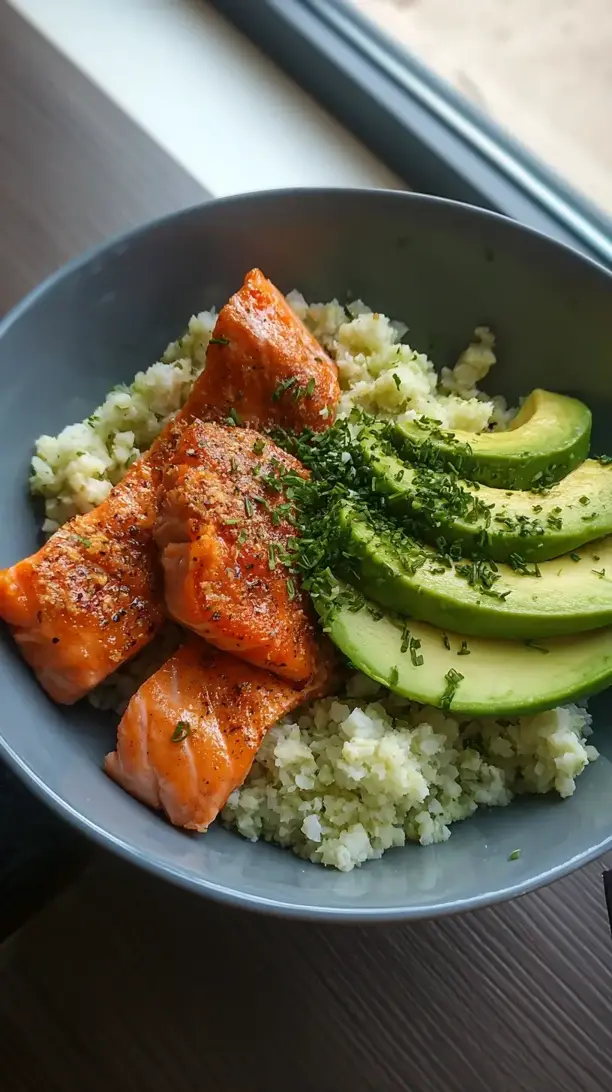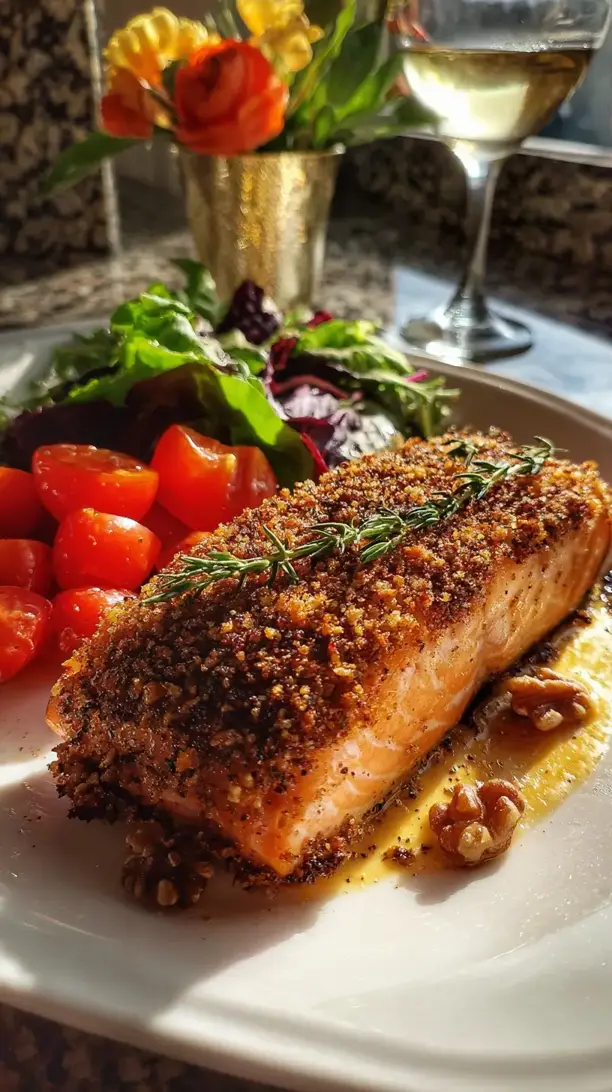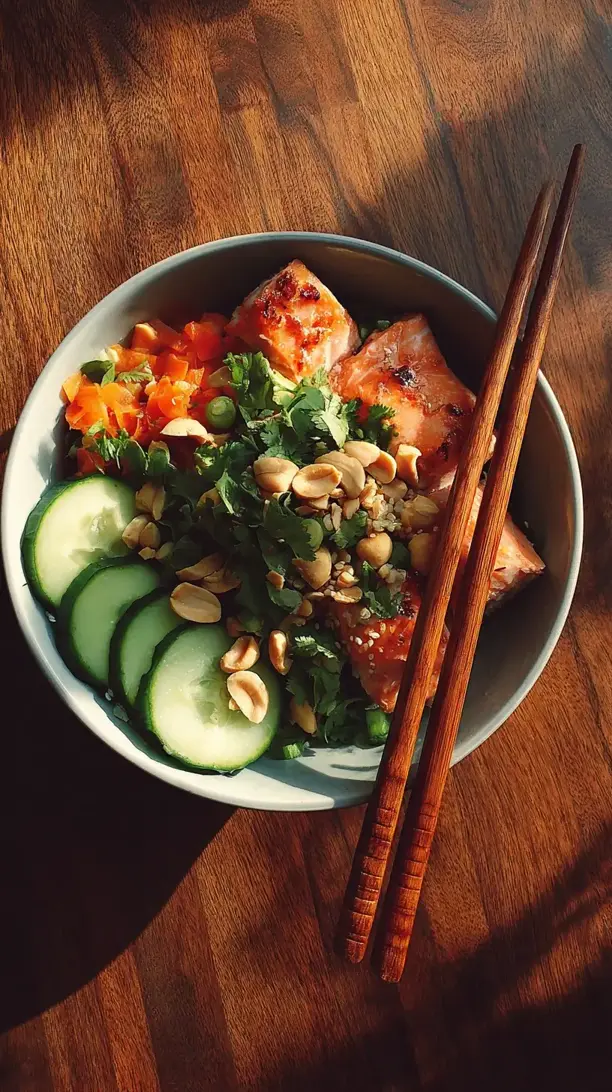

These vibrant Salmon Spring Rolls are a fresh, light meal perfect for warm days. They feature perfectly cooked salmon, crisp vegetables, and soft herbs wrapped in chewy rice paper. Once you master the rolling technique, these customizable rolls come together quickly for a nourishing and exciting dish.
Why You’ll Love This Salmon Spring Rolls
- Fresh & Light: Crisp veggies and herbs make a refreshing, energizing meal.
- Make-Ahead Friendly: Assemble hours ahead for easy lunches or appetizers.
- Totally Customizable: Swap herbs and veggies based on what you have.
- Fun Hands-On Activity: Rolling is an enjoyable, interactive kitchen project.
Ingredients & Tools
- 300 g salmon fillet, skinless
- 1 tbsp olive oil
- 1 tsp soy sauce or tamari
- 1 lime, juiced
- 12 round rice paper wrappers (22 cm diameter)
- 100 g rice vermicelli noodles
- 1 large carrot, julienned
- 1 medium cucumber, julienned
- 1 avocado, sliced
- 1 cup fresh mint leaves
- 1 cup fresh cilantro leaves
- 2 spring onions, thinly sliced
Tools: A large, shallow bowl or pie dish for warm water, a clean kitchen towel or cutting board for rolling, a sharp knife.
Notes: Use the freshest salmon you can find, and don’t skip the fresh herbs—they provide an essential aromatic lift.
Nutrition (per serving)
| Calories: | 280 kcal |
| Protein: | 18 g |
| Fat: | 10 g |
| Carbs: | 28 g |
| Fiber: | 4 g |
Serves: 4 (3 rolls per person) | Prep Time: 30 minutes | Cook Time: 10 minutes | Total Time: 40 minutes
Before You Start: Tips & Ingredient Notes
- Get Your Mise en Place. Have all your fillings prepped and laid out in an assembly line before you even touch the rice paper. The rolling process is quick, so being organized is key to preventing torn wrappers.
- What kind of salmon is best? I prefer a center-cut fillet for its even thickness, which helps it cook uniformly. You can use fresh or previously frozen, just ensure it’s thoroughly patted dry before seasoning.
- Don’t fear the rice paper. It might seem intimidating, but it’s very forgiving. The trick is to not over-soak it—just a quick dip in warm water until it’s pliable but still slightly firm. It will continue to soften as you add the fillings.
- Herbs are non-negotiable. The mint and cilantro aren’t just garnishes; they’re essential flavor components that make these rolls taste bright and complex. If you’re not a fan of cilantro, try using Thai basil or even some fresh dill for a different twist.
How to Make Salmon Spring Rolls
Step 1: Start by cooking your salmon. Pat the fillet completely dry with paper towels. Drizzle it with the olive oil and soy sauce, rubbing it in to coat all sides. Heat a non-stick skillet over medium heat. Once hot, place the salmon in the pan. Cook for about 4-5 minutes per side, depending on thickness, until it’s cooked through and flakes easily with a fork. You’re aiming for a light golden crust. Remove the salmon from the pan, flake it into large chunks with a fork, and drizzle the lime juice over it while it’s still warm. Set this aside to cool slightly.
Step 2: While the salmon cools, prepare your rice noodles. Place the vermicelli in a heatproof bowl and cover with boiling water. Let them sit for about 5 minutes, or until they’re tender but still have a slight bite. Drain them immediately and rinse under cold water to stop the cooking process. This prevents them from becoming mushy. Give them a good shake to remove excess water—you don’t want soggy rolls.
Step 3: Now, set up your rolling station. Arrange your bowls of fillings in this order: rice paper wrappers, a large bowl of warm (not hot) water, cooked noodles, flaked salmon, carrots, cucumber, avocado, herbs, and spring onions. Lay a clean, damp kitchen towel on your work surface. This will be your rolling mat and it prevents the paper from sticking.
Step 4: Time for the magic! Take one rice paper wrapper and fully submerge it in the warm water for about 5-10 seconds. You’ll feel it start to soften. Carefully lay it flat on your damp towel. It might still have a few stiff spots—that’s okay, they’ll soften in a moment. Don’t wait for it to be perfectly floppy, or it will be too delicate to handle.
Step 5: Assemble your fillings on the bottom third of the wrapper, closest to you. Start with a small handful of noodles, then a few chunks of salmon. Top with a few sticks of carrot and cucumber, a slice or two of avocado, and a generous pinch of mint and cilantro leaves. The key is not to overfill—a little goes a long way here, or your roll might burst.
Step 6: Now, fold and roll. Gently lift the bottom edge of the wrapper up and over the fillings, tucking it in snugly. You’ll feel the wrapper adhere to itself. Next, fold in the left and right sides, like you’re making a burrito. Then, keeping a firm but gentle pressure, continue rolling the bundle away from you until it’s a tight, sealed cylinder. The rice paper is sticky, so it should seal itself. Place the finished roll on a plate and cover with a slightly damp paper towel to prevent drying out while you repeat with the remaining wrappers and fillings.
Storage & Freshness Guide
- Fridge: Store in an airtight container with parchment between layers and a damp paper towel on top for up to 4 hours.
- Freezer: Not recommended; rice paper becomes brittle and fillings get watery upon thawing.
- Reviving: If rolls dry out, lightly brush with water or cover with a damp cloth for 10 minutes to soften.
Serving Suggestions
Complementary Dishes
- A simple Mango Salad — the sweet and tangy flavors of fresh mango play beautifully against the savory salmon and fresh herbs in the rolls.
- Hot and Sour Soup — for a more substantial meal, a light, brothy soup provides a wonderful warm contrast to the cool, fresh spring rolls.
- Edamame with Sea Salt — an effortless starter that’s fun to eat and adds a different texture and a pop of protein to your meal spread.
Drinks
- Iced Green Tea with Lemon — its clean, slightly bitter notes cleanse the palate and enhance the fresh flavors without overpowering them.
- A Crisp Sauvignon Blanc — the wine’s citrusy and herbaceous character is a classic pairing for dishes with fresh herbs and seafood.
- Ginger Lemonade — the zing of fresh ginger adds a spicy kick that cuts through the richness of the salmon in a really delightful way.
Something Sweet
- Lychee Sorbet — this light, floral dessert is incredibly refreshing and continues the theme of bright, clean flavors from the main course.
- Coconut Sticky Rice with Mango — a classic Thai dessert that feels indulgent yet light, with creamy coconut and sweet mango being a perfect finale.
- Fresh Berries with a Lime Zest — sometimes simplicity is best; a bowl of mixed berries with a sprinkle of lime zest is a vibrant, healthy way to end the meal.
Top Mistakes to Avoid
- Over-soaking the rice paper. If you leave it in the water until it’s completely soft, it will tear easily and be impossible to roll. A quick dip is all you need—it continues to hydrate on your work surface.
- Overstuffing the rolls. It’s tempting to pack in all the delicious fillings, but this is the number one cause of bursting rolls. Be moderate, and you’ll get a perfect roll every time. I’ve messed this up before too… less is more!
- Using wet fillings. If your noodles or vegetables are dripping wet, the excess moisture will make the rice paper soggy and cause it to rip. Always drain and pat ingredients dry.
- Rolling too loosely. A tight roll is a secure roll. When you fold the sides in and roll it up, make sure you’re applying gentle, consistent pressure to create a compact cylinder that holds its shape.
Expert Tips
- Tip: For an extra flavor boost, mix a little finely chopped lemongrass or grated ginger into your flaked salmon after it’s cooked. It adds another layer of aromatic complexity that’s just wonderful.
- Tip: If your rice paper does develop a small tear, don’t panic! Just take another wrapper, dip it quickly, and use it to patch the hole or even double-wrap the entire roll for extra durability.
- Tip: For the most beautiful presentation, use a very sharp knife to cut the rolls in half. Wipe the knife clean between each cut to prevent sticking and to get a clean, clear view of the colorful fillings inside.
- Tip: If you’re making these ahead, layer them in an airtight container with parchment paper between layers and keep them covered with a damp paper towel. They’ll stay fresh and pliable for several hours.
FAQs
Can I use cooked, leftover salmon?
Absolutely! This is a fantastic way to use up leftover grilled or baked salmon. Just flake it and proceed with the recipe. The flavor might be slightly different depending on how it was originally seasoned, but it works perfectly and saves you a cooking step. It’s a great lunch solution for the day after you’ve made salmon for dinner.
My rice paper keeps tearing. What am I doing wrong?
This almost always comes down to one of two things: you’re either soaking it for too long, making it too fragile, or your work surface is too dry and sticky. Make sure you’re using a damp cloth or a non-stick mat to roll on. And remember, a slightly stiff wrapper is easier to handle than a completely soft one—it will finish softening on the towel.
Can I make these gluten-free?
Yes, very easily! Just ensure your soy sauce is a gluten-free tamari, and double-check that your rice paper wrappers are made from 100% rice (they almost always are). All the other core ingredients are naturally gluten-free, so it’s a simple swap to accommodate that dietary need.
How far in advance can I prepare them?
They are best eaten the same day, but you can make them 3-4 hours ahead. Store them in the fridge in a single layer on a plate, covered tightly with plastic wrap or a damp paper towel and then plastic wrap. This prevents them from drying out and becoming tough. I don’t recommend making them the night before, as the wrappers can harden.
What’s a good dipping sauce for these?
A classic peanut sauce is always a winner, or a simple mix of soy sauce, lime juice, a little honey, and some minced chili. For a lighter option, just a splash of seasoned rice vinegar with some sliced chilies is delicious. The rolls are quite flavorful on their own, so the sauce is really just a bonus accent.

Salmon Spring Rolls
Learn how to make fresh and healthy Salmon Spring Rolls with this easy recipe. Perfect for a light lunch or appetizer. Get the step-by-step guide now!
Ingredients
For the Salmon Spring Rolls
-
300 g salmon fillet (skinless)
-
1 tbsp olive oil
-
1 tsp soy sauce or tamari
-
1 lime (juiced)
-
12 round rice paper wrappers (22 cm diameter)
-
100 g rice vermicelli noodles
-
1 large carrot (julienned)
-
1 medium cucumber (julienned)
-
1 avocado (sliced)
-
1 cup fresh mint leaves
-
1 cup fresh cilantro leaves
-
2 spring onions (thinly sliced)
Instructions
-
Start by cooking your salmon. Pat the fillet completely dry with paper towels. Drizzle it with the olive oil and soy sauce, rubbing it in to coat all sides. Heat a non-stick skillet over medium heat. Once hot, place the salmon in the pan. Cook for about 4-5 minutes per side, depending on thickness, until it's cooked through and flakes easily with a fork. You’re aiming for a light golden crust. Remove the salmon from the pan, flake it into large chunks with a fork, and drizzle the lime juice over it while it's still warm. Set this aside to cool slightly.01
-
While the salmon cools, prepare your rice noodles. Place the vermicelli in a heatproof bowl and cover with boiling water. Let them sit for about 5 minutes, or until they're tender but still have a slight bite. Drain them immediately and rinse under cold water to stop the cooking process. This prevents them from becoming mushy. Give them a good shake to remove excess water—you don't want soggy rolls.02
-
Now, set up your rolling station. Arrange your bowls of fillings in this order: rice paper wrappers, a large bowl of warm (not hot) water, cooked noodles, flaked salmon, carrots, cucumber, avocado, herbs, and spring onions. Lay a clean, damp kitchen towel on your work surface. This will be your rolling mat and it prevents the paper from sticking.03
-
Time for the magic! Take one rice paper wrapper and fully submerge it in the warm water for about 5-10 seconds. You'll feel it start to soften. Carefully lay it flat on your damp towel. It might still have a few stiff spots—that's okay, they'll soften in a moment. Don't wait for it to be perfectly floppy, or it will be too delicate to handle.04
-
Assemble your fillings on the bottom third of the wrapper, closest to you. Start with a small handful of noodles, then a few chunks of salmon. Top with a few sticks of carrot and cucumber, a slice or two of avocado, and a generous pinch of mint and cilantro leaves. The key is not to overfill—a little goes a long way here, or your roll might burst.05
-
Now, fold and roll. Gently lift the bottom edge of the wrapper up and over the fillings, tucking it in snugly. You'll feel the wrapper adhere to itself. Next, fold in the left and right sides, like you're making a burrito. Then, keeping a firm but gentle pressure, continue rolling the bundle away from you until it's a tight, sealed cylinder. The rice paper is sticky, so it should seal itself. Place the finished roll on a plate and cover with a slightly damp paper towel to prevent drying out while you repeat with the remaining wrappers and fillings.06