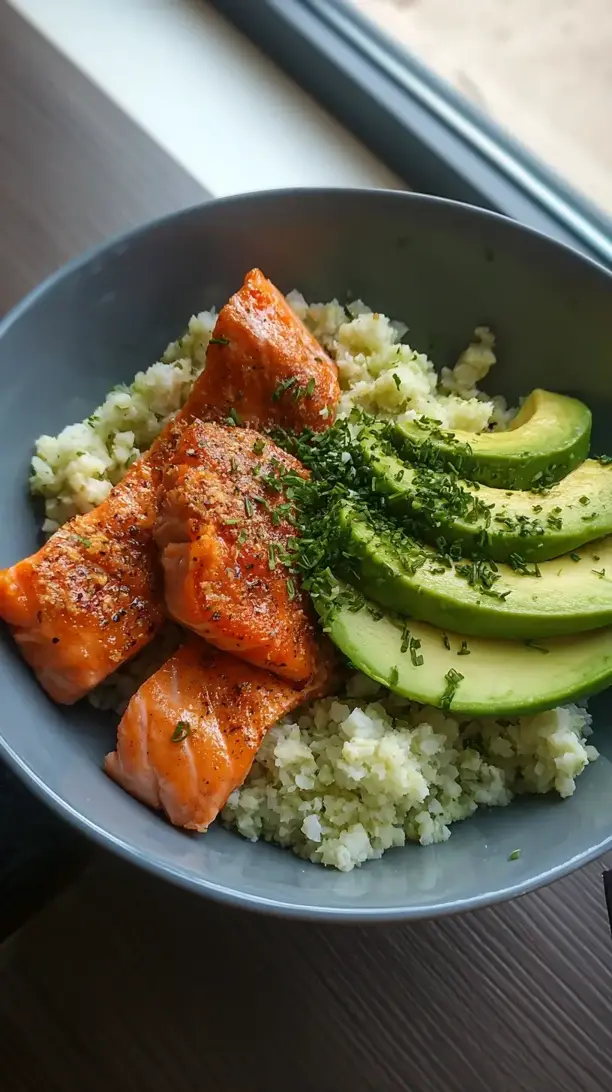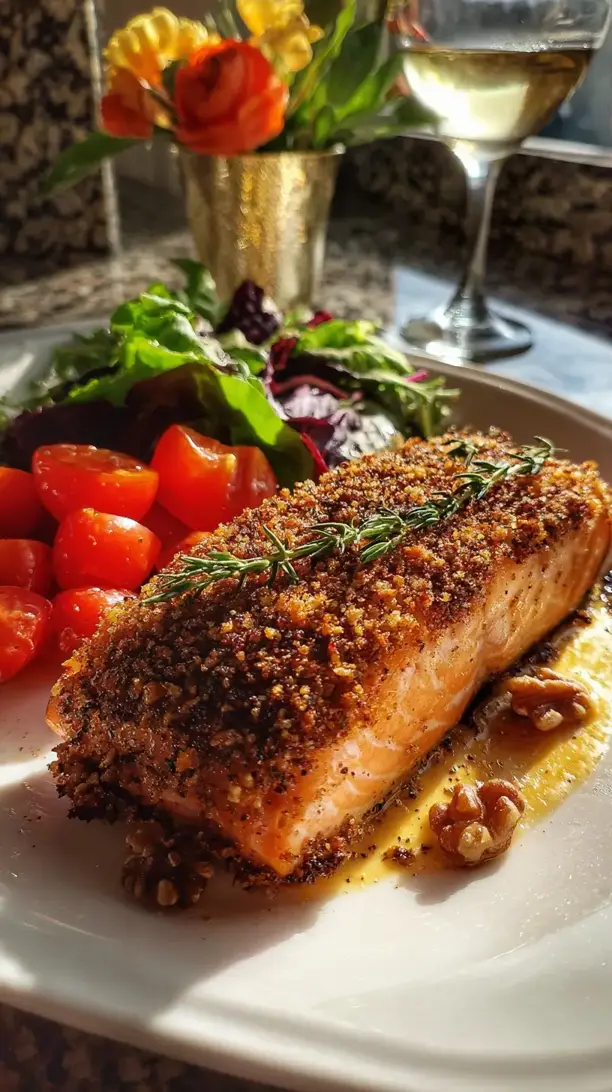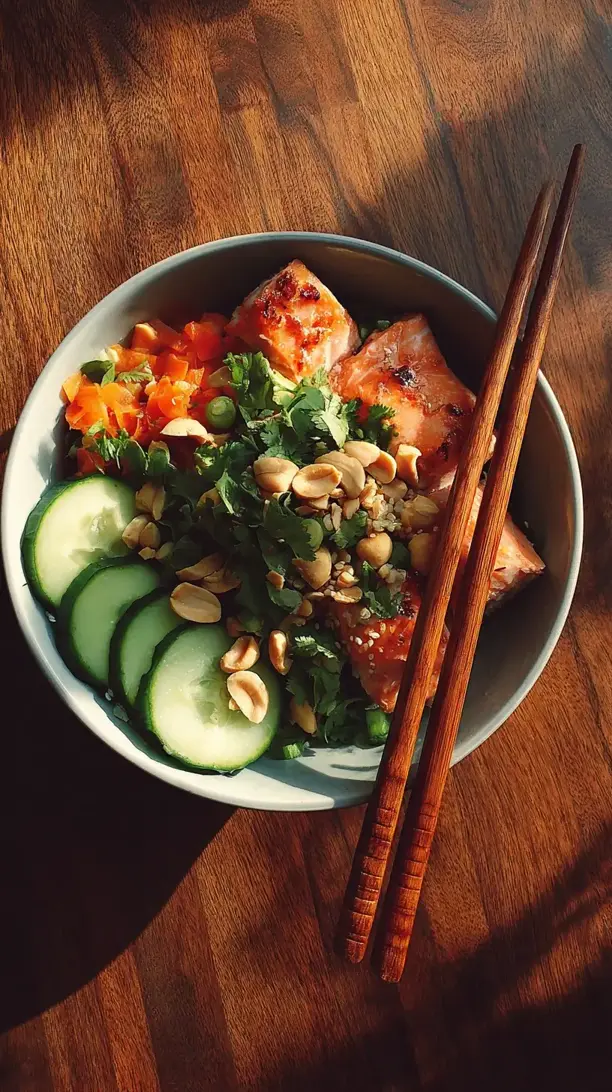

Salmon foil packets deliver a complete, flavorful meal with minimal cleanup. These parcels steam tender fish and fresh vegetables to perfection in the oven. It’s a healthy, customizable dinner that feels special but comes together quickly.
Why You’ll Love This Salmon Foil Packets
- Effortless cleanup: Just toss the foil—no pots or pans to scrub.
- Perfectly cooked salmon: Steam keeps fish moist and flaky every time.
- Endlessly customizable: Swap vegetables based on season or preference.
- Fancy yet simple: Impressive presentation with minimal effort required.
Ingredients & Tools
- 4 (6-ounce) salmon fillets, skinless
- 2 tbsp olive oil
- 2 lemons, one sliced and one juiced
- 3 cloves garlic, minced
- 1 lb asparagus, ends trimmed
- 1 red bell pepper, thinly sliced
- 1/2 red onion, thinly sliced
- 1 tsp dried dill, or 1 tbsp fresh
- 1/2 tsp paprika
- to taste salt and black pepper
- 2 tbsp fresh parsley, chopped (for garnish)
Tools: Aluminum foil, a sharp knife, a cutting board, a small bowl for mixing.
Notes: Use bright, fresh-smelling salmon fillets and don’t skip the fresh lemon juice—it balances the fish’s richness.
Nutrition (per serving)
| Calories: | 320 kcal |
| Protein: | 35 g |
| Fat: | 16 g |
| Carbs: | 9 g |
| Fiber: | 3 g |
Serves: 4 | Prep Time: 15 minutes | Cook Time: 18 minutes | Total Time: 33 minutes
Before You Start: Tips & Ingredient Notes
- Get your foil ready. You’ll need four large sheets of heavy-duty aluminum foil, about 12×18 inches each. If you only have regular foil, I’d recommend doubling up to prevent any unfortunate leaks or tears during cooking.
- Don’t skimp on the oil. A good coating of olive oil on both the vegetables and the salmon not only adds flavor but also creates a barrier that prevents the fish from sticking to the foil. It makes for a much cleaner presentation.
- Uniformity is key for even cooking. Try to cut your vegetables into similar sizes and thicknesses. This ensures that everything in the packet—the salmon and the veggies—will be perfectly cooked at the same time.
- Let the salmon come to room temperature. Taking the salmon out of the fridge about 15-20 minutes before cooking helps it cook more evenly. A cold fillet straight from the fridge can lead to an overcooked outside and an undercooked center.
How to Make Salmon Foil Packets
Step 1: Preheat your oven to 400°F (200°C). This high heat is perfect for creating a burst of steam inside the packets, which cooks everything quickly and keeps it all incredibly moist. While the oven heats up, lay out your four sheets of foil on a clean counter—this is your assembly station.
Step 2: In a small bowl, whisk together the olive oil, juice from one lemon, minced garlic, dried dill, paprika, and a generous pinch of salt and pepper. You’ll notice the aroma immediately—it’s fragrant and savory. This simple mixture is going to be the flavor base for your entire packet.
Step 3: Divide the asparagus, sliced bell pepper, and red onion evenly among the four foil sheets, piling the vegetables in the center. Drizzle about half of the olive oil mixture over the vegetables and use your hands to toss them gently, making sure they’re all lightly coated. This pre-seasoning step is crucial for tasty veggies.
Step 4: Pat the salmon fillets completely dry with a paper towel—this helps the seasoning stick and promotes a better sear, even in the steam. Place one salmon fillet on top of each vegetable pile. Brush the remaining olive oil mixture generously over the top of each piece of salmon.
Step 5: Top each salmon fillet with a couple of thin lemon slices from the second lemon. The lemon will infuse the fish with a beautiful, bright flavor as it cooks and also makes for a gorgeous presentation when you open the packets.
Step 6: Now for the folding! Bring the long sides of the foil together over the salmon and fold them down a few times to create a tight seal. Then, fold and crimp the short ends upwards to fully enclose the packet. You want it to be sealed well enough to trap the steam, but with a little bit of room for air to circulate inside.
Step 7: Place the sealed foil packets on a baking sheet—this makes them easy to move in and out of the oven and catches any potential drips. Bake for 15-18 minutes. For thinner fillets, lean towards 15 minutes; for thicker ones, go for the full 18. The packets will puff up impressively as the steam builds inside.
Step 8: Carefully remove the baking sheet from the oven. Let the packets rest for 2-3 minutes before opening—this allows the internal temperature to even out and the steam to settle a bit. When you’re ready, carefully open one end of a packet first to release the hot steam away from your face.
Step 9: Garnish each opened packet with a sprinkle of fresh chopped parsley. You can serve them right in the foil for that fun, rustic presentation, or gently slide the entire contents onto a plate. The salmon should be opaque and flake easily with a fork.
Storage & Freshness Guide
- Fridge: Store leftovers in an airtight container for up to 2 days.
- Freezer: Not recommended—texture may become watery upon thawing.
- Reviving: Reheat gently in a 300°F oven until warmed through.
Serving Suggestions
Complementary Dishes
- Fluffy jasmine rice or quinoa — The mild, fluffy grains are perfect for soaking up all the delicious, lemony juices that collect at the bottom of the foil packet.
- A simple arugula salad with a light vinaigrette — The peppery arugula provides a fresh, crisp contrast to the rich, tender salmon and soft vegetables.
- Crusty, warm bread or garlic bread — There’s nothing better than a piece of bread to mop up every last bit of the savory, garlicky sauce left behind.
Drinks
- A crisp Sauvignon Blanc — Its citrusy notes and bright acidity mirror the lemon in the dish and cut through the oil beautifully.
- Sparkling water with a cucumber slice — A refreshing, non-alcoholic option that cleanses the palate between bites without overpowering the delicate flavors of the salmon.
- A light, citrusy pale ale — The hoppy bitterness and citrus undertones can stand up to the fish and complement the herbal notes from the dill.
Something Sweet
- Lemon sorbet — It’s a light, palate-cleansing dessert that continues the citrus theme from the main course in a refreshing, cool way.
- Fresh berry parfaits — Layers of yogurt, honey, and mixed berries offer a sweet, creamy, and slightly tart finish that feels satisfying but not too heavy.
- Shortbread cookies — Their simple, buttery flavor is a lovely, gentle way to end the meal, especially when paired with a cup of tea or coffee.
Top Mistakes to Avoid
- Mistake: Using foil that’s too thin. If your foil tears, all the precious steam—and flavor—escapes, leaving you with dry salmon and undercooked veggies. Heavy-duty foil is your best friend here.
- Mistake: Overfilling the packets. It’s tempting to add more veggies, but an overstuffed packet won’t steam properly. The ingredients need a little room for the hot air to circulate and cook everything evenly.
- Mistake: Opening the packets immediately. I’ve been too eager before and gotten a face full of steam! Letting them rest for a few minutes allows the carryover cooking to finish and makes them safer to open.
- Mistake: Underseasoning. Because you’re not tasting as you go, you have to be confident with your seasoning upfront. Don’t be shy with the salt and pepper—they make all the difference.
Expert Tips
- Tip: Create a “flavor bed” with the vegetables. By placing the veggies on the bottom, they act as a little platform that elevates the salmon slightly. This prevents the bottom of the fish from getting soggy and allows the heat to envelop it from all sides.
- Tip: Add a pat of butter. For an extra layer of richness, place a small pat of cold butter on top of the salmon fillet before you seal the packet. As it melts, it bastes the fish from the inside, making it even more succulent.
- Tip: Check for doneness with a thermometer. The most reliable way to know if your salmon is done is to carefully poke a meat thermometer through the foil into the thickest part of the fillet. You’re aiming for 125-135°F for medium-rare to medium.
- Tip: Make them ahead for easy entertaining. You can assemble the foil packets up to 4 hours in advance and keep them refrigerated. Just pop them directly from the fridge into the preheated oven, adding maybe 2-3 extra minutes to the cook time.
FAQs
Can I cook these on the grill instead of in the oven?
Absolutely! Grilling adds a wonderful smoky flavor. Preheat your grill to medium-high heat (about 400°F) and place the foil packets directly on the grates. Close the lid and cook for the same amount of time, 15-18 minutes. Just be careful when flipping them—use a large spatula to support the bottom so they don’t tear open. The results are fantastic, especially in the summer when you don’t want to heat up the kitchen.
How do I know when the salmon is cooked through?
The salmon is done when it turns from translucent pink to an opaque pinkish-white and flakes easily when gently pressed with a fork. If you want to be precise, an instant-read thermometer inserted into the thickest part should read between 125°F (for medium-rare) and 145°F (for well-done). I usually pull mine at around 135°F for a perfectly moist, medium result, as the residual heat will continue to cook it a little more after it comes out.
Can I use frozen salmon fillets?
You can, but it’s best to thaw them completely first. If you put a frozen fillet in the packet, it will release a lot of water as it cooks, which can make your vegetables soggy and dilute the flavors. The best method is to thaw the salmon overnight in the refrigerator. If you’re in a pinch, you can seal it in a plastic bag and submerge it in cold water, changing the water every 30 minutes until it’s thawed.
What other vegetables can I use?
This recipe is incredibly versatile. Thinly sliced zucchini, yellow squash, or cherry tomatoes work wonderfully in the summer. For heartier meals, try small potato halves (parboil them first so they cook in time), broccoli florets, or sliced carrots. Just remember that harder, denser vegetables will need to be cut smaller or pre-cooked slightly to become tender in the same time as the salmon.
How should I store and reheat leftovers?
Let any leftovers cool completely, then transfer the salmon and vegetables (out of the foil) into an airtight container. They’ll keep in the fridge for up to 2 days. To reheat, I highly recommend using the oven or a toaster oven at 300°F until just warmed through. Microwaving can easily overcook the salmon and make it rubbery. You can also flake the cold salmon over a salad for a delicious next-day lunch.

Salmon Foil Packets
Make easy, healthy Salmon Foil Packets with juicy fish and fresh veggies. Ready in 30 minutes with no cleanup! Get the simple, delicious recipe here.
Ingredients
For the Ingredients
-
4 6-ounce salmon fillets (skinless)
-
2 tbsp olive oil
-
2 lemons (one sliced and one juiced)
-
3 cloves garlic (minced)
-
1 lb asparagus (ends trimmed)
-
1 red bell pepper (thinly sliced)
-
1/2 red onion (thinly sliced)
-
1 tsp dried dill (or 1 tbsp fresh)
-
1/2 tsp paprika
-
salt and black pepper (to taste)
-
2 tbsp fresh parsley (chopped (for garnish))
Instructions
-
Preheat your oven to 400°F (200°C). While the oven heats up, lay out your four sheets of foil on a clean counter—this is your assembly station.01
-
In a small bowl, whisk together the olive oil, juice from one lemon, minced garlic, dried dill, paprika, and a generous pinch of salt and pepper.02
-
Divide the asparagus, sliced bell pepper, and red onion evenly among the four foil sheets, piling the vegetables in the center. Drizzle about half of the olive oil mixture over the vegetables and use your hands to toss them gently, making sure they’re all lightly coated.03
-
Pat the salmon fillets completely dry with a paper towel. Place one salmon fillet on top of each vegetable pile. Brush the remaining olive oil mixture generously over the top of each piece of salmon.04
-
Top each salmon fillet with a couple of thin lemon slices from the second lemon.05
-
Bring the long sides of the foil together over the salmon and fold them down a few times to create a tight seal. Then, fold and crimp the short ends upwards to fully enclose the packet.06
-
Place the sealed foil packets on a baking sheet. Bake for 15-18 minutes. For thinner fillets, lean towards 15 minutes; for thicker ones, go for the full 18.07
-
Carefully remove the baking sheet from the oven. Let the packets rest for 2-3 minutes before opening.08
-
Garnish each opened packet with a sprinkle of fresh chopped parsley.09