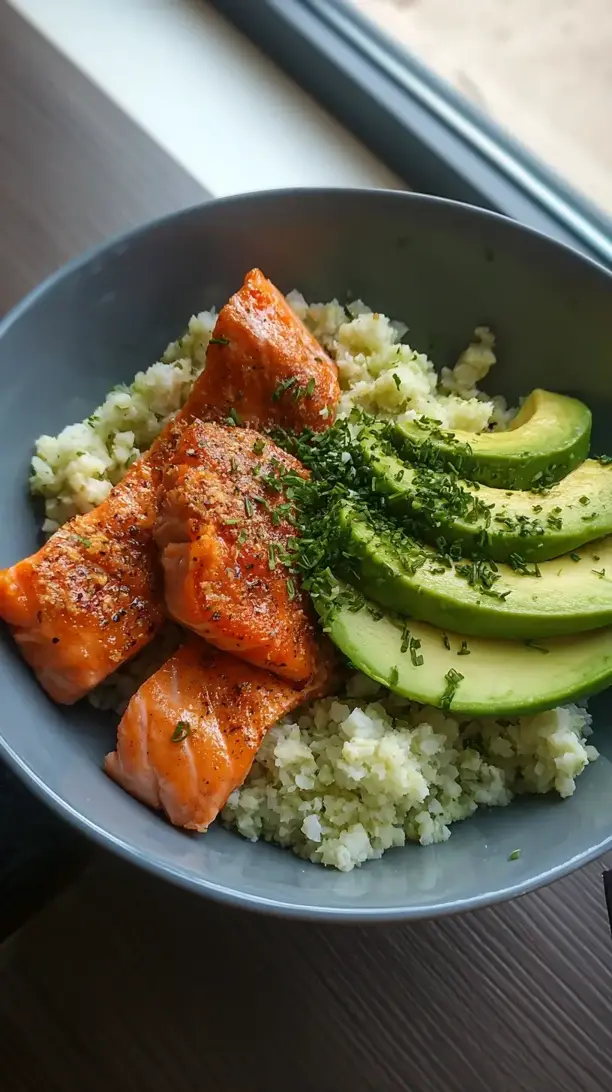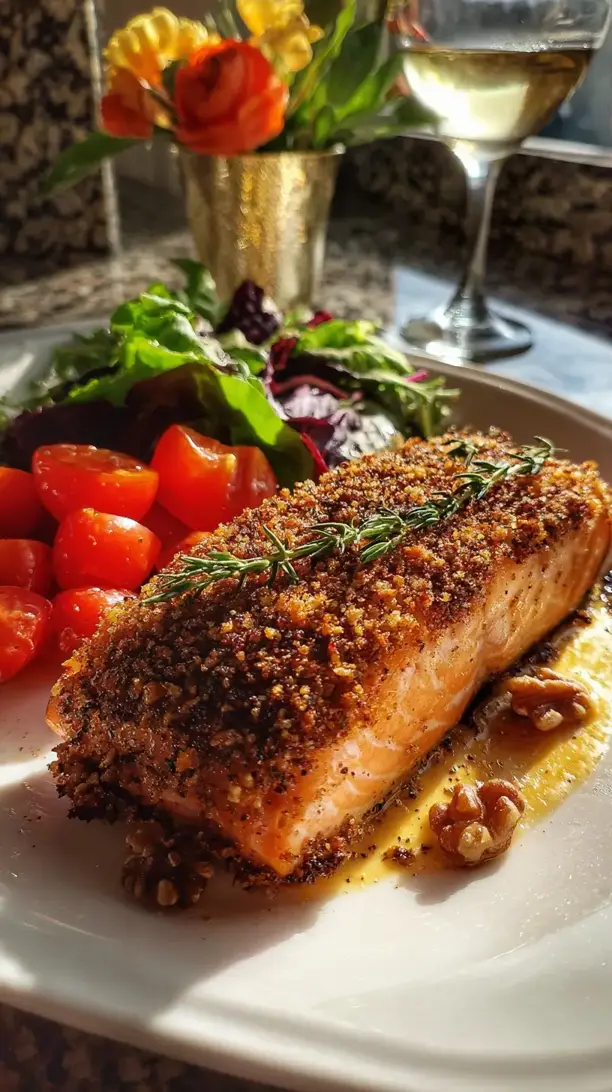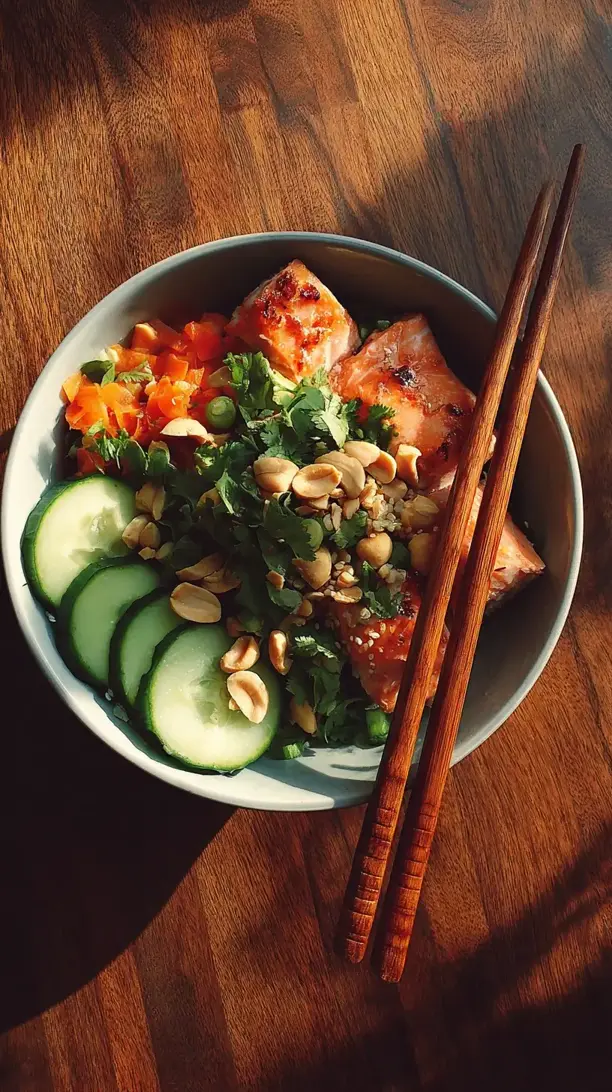

If you’re tired of the same old chicken or beef fajitas, try these vibrant salmon fajitas. This recipe is a game-changer, featuring flaky salmon with a smoky spice rub, sizzling peppers and onions, and warm tortillas. It’s a healthy, fast, and flavorful weeknight fiesta in under 30 minutes.
Why You’ll Love This Salmon Fajitas
Fast & Fuss-Free: Ready in 25 minutes with minimal cleanup.
Unreal Flavor: Buttery salmon pairs with smoky seasoning and charred veggies.
Impressive Presentation: Vibrant colors make it look restaurant-worthy.
Wonderfully Versatile: Easily swap the salmon for other proteins.
Ingredients & Tools
- 4 (150 g each) salmon fillets, skinless
- 2 tbsp olive oil, divided
- 1 tbsp fajita seasoning (store-bought or homemade)
- 1 large red bell pepper, sliced
- 1 large yellow bell pepper, sliced
- 1 large orange bell pepper, sliced
- 1 large red onion, sliced
- 2 limes (1 juiced, 1 cut into wedges)
- 1 large avocado, sliced
- 8 small flour or corn tortillas
- ½ cup fresh cilantro, chopped
- ½ cup sour cream or Greek yogurt
- Salt and black pepper, to taste
Tools: A large cast-iron skillet or heavy-bottomed pan, a small bowl for mixing, and a set of tongs.
Notes: A quality fajita seasoning makes a difference; a homemade blend elevates the dish. Don’t skip the fresh lime juice at the end—it ties everything together.
Nutrition (per serving)
| Calories: | 485 kcal |
| Protein: | 30 g |
| Fat: | 22 g |
| Carbs: | 38 g |
| Fiber: | 7 g |
Serves: 4 | Prep Time: 10 minutes | Cook Time: 15 minutes | Total Time: 25 minutes
Before You Start: Tips & Ingredient Notes
- Get your salmon right. For the best results, use skinless, center-cut salmon fillets that are similar in thickness. This ensures they all cook at the same rate. If your fillets are cold from the fridge, let them sit at room temperature for 10-15 minutes before seasoning and cooking.
- Slice your veggies uniformly. Try to slice your peppers and onions into strips of a similar size—about ¼-inch thick. This isn’t just for looks; it means they’ll all cook evenly and get that perfect mix of tender and crisp in the same amount of time.
- Don’t be shy with the seasoning. A good, even coating of the fajita rub is key to building flavor. Pat the salmon dry with a paper towel first so the oil and spices stick to the surface instead of sliding off.
- Warm your tortillas properly. A cold tortilla can ruin the experience. You can warm them directly over a low gas flame for a few seconds each side, in a dry skillet, or wrapped in a damp paper towel in the microwave for 30 seconds. It makes a world of difference.
How to Make Salmon Fajitas
Step 1: Start by prepping all your ingredients. This is a fast-cooking dish, so having everything ready to go—a practice chefs call “mise en place”—is crucial. Pat the salmon fillets completely dry with paper towels. This step is non-negotiable for getting a nice sear instead of a steam. In a small bowl, mix the salmon fillets with one tablespoon of the olive oil and the fajita seasoning, rubbing it all over to coat evenly. Set them aside while you slice your bell peppers and red onion into uniform strips.
Step 2: Heat your large cast-iron skillet or heavy-bottomed pan over medium-high heat. You want it nice and hot. Add the remaining tablespoon of olive oil. Once the oil is shimmering, carefully add the seasoned salmon fillets. You should hear a satisfying sizzle. Cook for 3-4 minutes on the first side, without moving them, until a beautiful golden-brown crust forms. Use your tongs to flip the fillets and cook for another 2-3 minutes on the second side. The salmon should be opaque and flake easily with a fork. Transfer the cooked salmon to a clean plate.
Step 3: Don’t wipe out the pan! All those delicious browned bits from the salmon are flavor gold. Add the sliced bell peppers and red onion to the same hot skillet. You’ll hear a loud sizzle—that’s what you want. Season the veggies with a good pinch of salt and black pepper. Cook, stirring occasionally, for about 6-8 minutes. You’re looking for the onions to soften and become translucent and the peppers to develop some charred, blistered spots. That char is where the smoky, sweet flavor comes from.
Step 4: While the veggies are cooking, you can warm your tortillas using your preferred method. I love charring them slightly over a gas flame for that authentic touch. Once the peppers and onions are tender-crisp and nicely colored, push them to one side of the skillet. Return the cooked salmon fillets to the empty side of the pan to warm through for just 30 seconds. Squeeze the juice of one lime over the entire skillet—this will deglaze the pan and create a incredible, quick pan sauce.
Step 5: Now for the fun part: assembly and serving. Flake the warm salmon into large, beautiful chunks directly in the skillet, mixing it gently with the peppers and onions. Bring the sizzling skillet straight to the table for a dramatic presentation. Let everyone build their own fajitas with warm tortillas, the salmon and veggie mixture, slices of creamy avocado, a dollop of cool sour cream, and a generous sprinkle of fresh cilantro. Don’t forget those extra lime wedges for squeezing over top!
Storage & Freshness Guide
- Fridge: Store leftover salmon and veggies in an airtight container for up to 2 days.
- Freezer: Not recommended; the salmon and veggies become watery upon thawing.
- Reviving: Gently reheat in a skillet over low heat until just warmed through.
Serving Suggestions
Complementary Dishes
- Cilantro-Lime Rice — The fresh, zesty flavors are a perfect match for the smoky salmon and make your fajita bowl feel even more substantial.
- Charred Corn and Black Bean Salad — This adds a wonderful sweet and savory element and a fantastic textural contrast to the soft fajitas.
- Simple Green Salad with a Citrus Vinaigrette — A light, crisp salad helps balance the richness of the salmon and cleanses the palate between bites.
Drinks
- A crisp, citrusy Mexican Lager — The clean, refreshing bubbles and light bitterness cut through the oiliness of the salmon perfectly.
- Classic Margarita (on the rocks!) — The tangy lime and triple sec complement the fajita spices and add a real celebratory vibe to the meal.
- Sparkling Water with Lime — A non-alcoholic option that still provides the effervescence and acidity to refresh your palate.
Something Sweet
- Warm Churros with Chocolate Dipping Sauce — You can’t go wrong with this classic finish. The cinnamon sugar and rich chocolate are a heavenly end to a Mexican-inspired feast.
- Mango Sorbet — Light, fruity, and refreshing, it’s the perfect palate-cleanser that doesn’t feel too heavy after a satisfying meal.
- Tres Leches Cake — For a truly indulgent finale, the sweet, moist cake is a beloved classic that feels special and celebratory.
Top Mistakes to Avoid
- Overcooking the salmon. Salmon continues to cook after you take it off the heat (carryover cooking). If you cook it until it’s completely firm in the pan, it will be dry by the time you eat it. Pull it off when it’s still slightly translucent in the very center.
- Crowding the pan. If you put too much in the skillet at once, the ingredients will steam instead of sear. Cook the salmon in two batches if your pan is small, and make sure the peppers and onions are in a single layer for the best char.
- Using cold tortillas. A cold, stiff tortilla can crack and doesn’t have the same pliable, soft texture that makes a fajita so enjoyable. Always take the extra minute to warm them up—it’s a game-changer.
- Skipping the acid. That final squeeze of lime juice is not just a garnish. It brightens all the flavors, cuts the richness of the salmon, and lifts the entire dish. Don’t forget it!
Expert Tips
- Tip: Make your own fajita seasoning. It’s simple: mix 2 tsp chili powder, 1 tsp cumin, 1 tsp smoked paprika, ½ tsp garlic powder, ½ tsp onion powder, and ¼ tsp each of salt and black pepper. The flavor is far superior to most store-bought blends and you can control the salt and spice level.
- Tip: Let the salmon rest. Just like a steak, let the salmon sit for a couple of minutes after cooking and before flaking. This allows the juices to redistribute throughout the fillet, resulting in a more moist and flavorful bite.
- Tip: Get creative with toppings. While sour cream and avocado are classics, try a spoonful of tangy pickled red onions, a drizzle of chipotle crema, or even some crumbled cotija cheese for a salty, crumbly finish.
- Tip: Use a fish spatula. If you have one, a thin, flexible fish spatula makes flipping the delicate salmon fillets incredibly easy and helps them stay intact, giving you those perfect, restaurant-quality pieces.
FAQs
Can I use a different type of fish?
Absolutely! While salmon is our star here, the method works beautifully with other firm-fleshed fish. Mahi-mahi, swordfish, or even large, peeled shrimp would be excellent substitutes. Just adjust the cooking time accordingly—shrimp will cook in just 2-3 minutes total, for example. The key is to use a protein that can hold its own against the high heat and bold seasoning.
How can I tell when the salmon is perfectly cooked?
The most reliable method is to use the tip of a sharp knife to peek at the thickest part of a fillet. It should be opaque throughout but still look a little moist and glossy. You can also use the “flake test”—gently press a fork into the top; the salmon should flake apart easily. Remember, it will continue to cook a bit more from residual heat after you take it out of the pan.
Can I make this recipe ahead of time?
You can do some prep ahead to save time. You can slice the peppers and onions and mix the fajita seasoning a day in advance. However, I don’t recommend cooking the salmon ahead of time, as it’s best served fresh from the pan. The texture can become dry and rubbery upon reheating. For the best experience, this is a cook-and-serve-right-away dish.
My fajita seasoning doesn’t stick to the salmon. What did I do wrong?
The culprit is almost always moisture on the surface of the fish. Make sure you pat the salmon fillets very dry with paper towels before adding the oil and seasoning. A dry surface creates a tacky texture that the spices can cling to, ensuring a flavorful crust on every single bite.
Is it better to use a cast-iron skillet or a non-stick pan?
A cast-iron skillet is my top choice for this recipe. It gets screaming hot and retains that heat beautifully, which is essential for getting a good sear on the salmon and a proper char on the vegetables. A heavy-bottomed stainless steel pan is a good second choice. A non-stick pan will work, but you won’t get the same level of browning and fond (those tasty browned bits) in the pan, which adds a ton of flavor to the veggies.
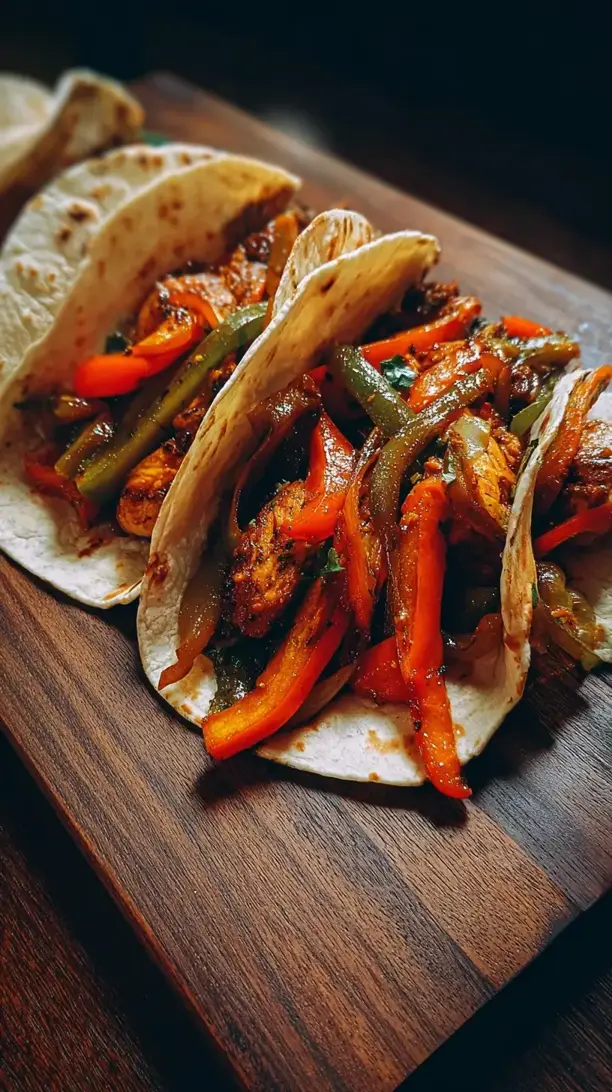
Salmon Fajitas
Ready for a fresh twist? These easy Salmon Fajitas are a fast, healthy dinner ready in 25 minutes. Get the recipe for this flavorful fiesta now!
Ingredients
For the Fajitas
-
4 salmon fillets (150 g each, skinless)
-
2 tbsp olive oil (divided)
-
1 tbsp fajita seasoning (store-bought or homemade)
-
1 large red bell pepper (sliced)
-
1 large yellow bell pepper (sliced)
-
1 large orange bell pepper (sliced)
-
1 large red onion (sliced)
-
2 limes (1 juiced, 1 cut into wedges)
-
1 large avocado (sliced)
-
8 small flour or corn tortillas
-
½ cup fresh cilantro (chopped)
-
½ cup sour cream or Greek yogurt
-
Salt and black pepper (to taste)