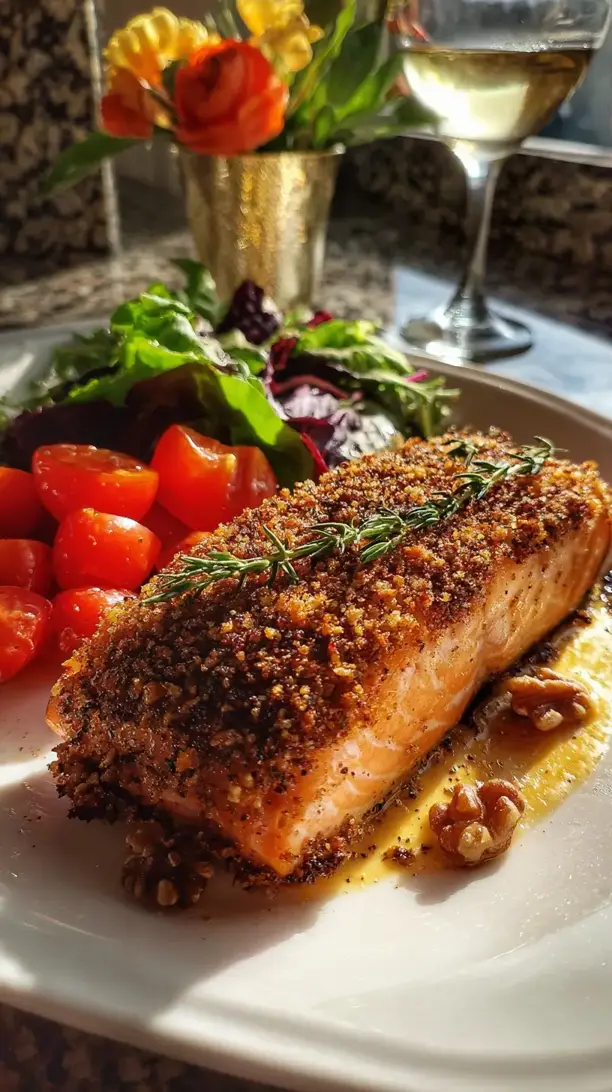

Why You’ll Love This Salmon Bisque
- Restaurant-quality ease: Indulgent and elegant with straightforward steps.
- Velvety texture: Puréed vegetables and flaked salmon create a smooth, substantial mouthfeel.
- Versatile ingredients: Easily adapt herbs, stock, or add a smoky twist.
- Flavorful leftovers: Tastes even better the next day and reheats beautifully.
Ingredients & Tools
- 450 g fresh salmon fillet, skin removed
- 2 tbsp unsalted butter
- 1 medium yellow onion, diced
- 2 medium carrots, peeled and diced
- 2 celery stalks, diced
- 3 cloves garlic, minced
- 60 ml dry white wine (like Sauvignon Blanc)
- 1 litre fish stock (or vegetable stock as a substitute)
- 120 ml heavy cream (or full-fat coconut milk for a dairy-free version)
- 2 tbsp tomato paste
- 1 tsp fresh thyme leaves (or ½ tsp dried)
- 1 bay leaf
- ½ tsp smoked paprika (optional, for depth)
- Salt and freshly ground black pepper to taste
- 2 tbsp fresh dill, chopped (for garnish)
- 1 lemon, cut into wedges (for serving)
Tools: A large, heavy-bottomed pot or Dutch oven, immersion blender or countertop blender, wooden spoon, and a sharp knife.
Notes: Using a good fish stock is key here—it provides the foundational seafood flavor that makes this bisque so special. And don’t skip the white wine; it adds a necessary brightness that cuts through the richness.
Nutrition (per serving)
| Calories: | 385 kcal |
| Protein: | 25 g |
| Fat: | 24 g |
| Carbs: | 12 g |
| Fiber: | 2 g |
Serves: 4 | Prep Time: 15 minutes | Cook Time: 35 minutes | Total Time: 50 minutes
Before You Start: Tips & Ingredient Notes
- Choosing your salmon. I prefer fresh, skinless fillets for ease, but you can use frozen. Just be sure to thaw it completely in the refrigerator and pat it very dry with paper towels to avoid excess water in the bisque.
- Don’t rush the vegetable sauté. This step, called sweating the aromatics, is where you build your flavor base. You want the onions, carrots, and celery to become soft and fragrant, not browned. This usually takes a good 8-10 minutes over medium heat.
- Fish stock vs. vegetable stock. A quality fish stock will give you the most authentic and robust seafood flavor. If you use vegetable stock, the bisque will still be delicious but will have a milder, more vegetable-forward profile.
- The role of the tomato paste. This isn’t meant to make the bisque taste like tomatoes. Instead, it adds a subtle sweetness and a beautiful rosy color, and it helps thicken the soup slightly. Cook it for a minute with the vegetables to mellow its acidity.
How to Make Salmon Bisque
Step 1: Begin by preparing your salmon. Check for any tiny pin bones by running your fingers over the fillet—you can remove them with clean tweezers if you find any. Cut the salmon into roughly 2-inch chunks. This size will help it cook evenly and integrate smoothly into the bisque later.
Step 2: In your large pot, melt the butter over medium heat. Once it’s foaming slightly, add the diced onion, carrots, and celery. Stir everything together with your wooden spoon. You’ll want to cook these for about 8 to 10 minutes, until the onions are translucent and the carrots have begun to soften. The goal is to sweat them, not brown them, so adjust the heat if necessary.
Step 3: Add the minced garlic and cook for just one more minute, until it becomes incredibly fragrant. Stir in the tomato paste and smoked paprika (if using), and cook for another minute. You’ll notice the color of the paste darken slightly—this helps to cook out any raw, tinny flavor.
Step 4: Pour in the white wine to deglaze the pot. Use your spoon to scrape up any browned bits from the bottom—that’s pure flavor! Let the wine bubble and reduce by about half, which should take 2-3 minutes. This step is crucial for concentrating the flavor and removing the harsh alcohol taste.
Step 5: Now, add the fish stock, thyme, and the bay leaf. Bring the liquid to a gentle boil, then immediately reduce the heat to low, cover the pot, and let it simmer for 15 minutes. This allows the vegetables to become completely tender and the herb flavors to infuse the broth.
Step 6: After 15 minutes, remove the bay leaf—its job is done! Carefully use an immersion blender to purée the soup directly in the pot until it’s completely smooth. If you’re using a countertop blender, work in batches, filling the blender no more than halfway, and hold the lid down with a towel to prevent hot soup explosions.
Step 7: Return the smooth purée to the pot if you used a countertop blender. Bring the heat back to a gentle simmer. Gently add the chunks of raw salmon to the hot bisque. They will cook through in about 5-7 minutes. You’ll know it’s done when the salmon flakes easily with a fork and has turned opaque.
Step 8: Turn off the heat. Stir in the heavy cream, which will make the bisque luxuriously creamy and pale. Be gentle now—you don’t want to break up the salmon too much. Finally, season generously with salt and pepper. Taste it! This is your chance to adjust the seasoning to your preference.
Step 9: Ladle the bisque into warm bowls. Garnish with a generous sprinkle of fresh dill and serve immediately with a lemon wedge on the side. A squeeze of that fresh lemon juice right at the end just lifts all the flavors and makes everything pop.
Storage & Freshness Guide
- Fridge: Store in an airtight container for up to 3 days.
- Freezer: Not recommended; cream-based soups may separate and salmon texture suffers.
- Reviving: Reheat gently on the stovetop over low heat, stirring occasionally.
Serving Suggestions
Complementary Dishes
- A simple, crusty baguette — There’s nothing better for dipping and sopping up every last bit of this creamy bisque. The crisp crust and soft interior provide the perfect textural contrast.
- Fresh, zesty green salad — A light salad with a lemony vinaigrette helps cut through the richness of the soup and cleanses the palate between spoonfuls.
- Garlicky crostini — Rubbed with a raw garlic clove and drizzled with olive oil, these crunchy toasts add a fantastic punch of flavor and a satisfying crunch.
Drinks
- A crisp, chilled Chardonnay — The slight oakiness and acidity in an unoaked Chardonnay complement the creamy, fatty notes of the salmon and cream beautifully.
- Hefeweizen wheat beer — The light, citrusy, and slightly yeasty notes of this beer are a surprisingly perfect match for the bisque, enhancing its herbal and creamy elements.
- Sparkling water with lemon — For a non-alcoholic option, the bubbles and citrus are refreshing and help reset your taste buds, making each spoonful taste as good as the first.
Something Sweet
- Lemon sorbet — Its bright, clean, and tart finish is the ideal palate-cleanser after a rich and savory meal, leaving you feeling refreshed.
- Shortbread cookies — Their simple, buttery sweetness provides a lovely, gentle end to the meal without competing with the complex flavors of the bisque.
- Poached pears — Served warm with a drizzle of honey, they offer a soft, elegant, and lightly spiced sweetness that feels just right.
Top Mistakes to Avoid
- Mistake: Boiling the soup after adding the cream. This can cause the cream to curdle or separate, giving your bisque a grainy texture instead of a silky-smooth one. Always add the cream off the heat and just warm it through.
- Mistake: Over-blending the cooked salmon. If you purée the soup after the salmon is added, you’ll end up with a homogenous, slightly gritty texture. The trick is to purée the vegetable base first, then gently cook the salmon in it so it flakes nicely.
- Mistake: Skipping the deglazing step. Those browned bits at the bottom of the pan after sautéing the vegetables are packed with flavor. Not scraping them up with the wine means you’re leaving a lot of deliciousness behind.
- Mistake: Underseasoning. Bisques need a confident hand with salt and pepper. The cream and stock can dull seasoning, so always taste and adjust at the very end, right before serving.
Expert Tips
- Tip: For an even silkier texture, pass the puréed vegetable base through a fine-mesh sieve before adding the salmon. It’s an extra step, but it will remove any fibrous bits from the celery or carrot for a perfectly smooth mouthfeel.
- Tip: If your bisque is a bit too thick for your liking, simply thin it out with a splash more stock or even a little water until it reaches your desired consistency. It’s much easier to thin a soup than to thicken it.
- Tip: To make this ahead of time, prepare the recipe but stop before adding the cream and salmon. Cool the puréed base completely and store it in the fridge. When ready to serve, reheat the base, then proceed with adding the salmon and cream.
- Tip: For a dramatic presentation, flake the cooked salmon into larger pieces rather than small chunks. When you ladle it into bowls, you’ll get beautiful, substantial pieces of salmon that are visually appealing.
FAQs
Can I use canned salmon instead of fresh?
You can, but the texture and flavor will be different. Canned salmon is already cooked and can be a bit drier and more assertive in flavor. If you do use it, drain it well and flake it in at the very end, just to heat through. It’s a great pantry-friendly shortcut, but fresh fillets will give you a more delicate and luxurious result.
My bisque turned out too thin. How can I thicken it?
Don’t worry, this is an easy fix! You can let it simmer uncovered for a few extra minutes to reduce and concentrate. Alternatively, make a quick slurry by mixing a tablespoon of cornstarch with two tablespoons of cold water until smooth. Whisk this into the simmering bisque and let it cook for a minute or two until thickened.
Is it possible to make this dairy-free?
Absolutely. The easiest swap is to use full-fat canned coconut milk in place of the heavy cream. It will add a very subtle coconut flavor, which actually pairs quite nicely with the salmon. For the butter, simply use a good-quality olive oil or a vegan butter alternative.
How long will leftovers keep in the fridge?
Stored in an airtight container, your salmon bisque will keep well for up to 3 days. Reheat it gently on the stovetop over low heat, stirring occasionally. Avoid boiling it to prevent the cream from separating. I find the flavors are even better the next day!
Can I freeze salmon bisque?
I don’t recommend freezing this particular bisque. Cream-based soups have a tendency to separate and become grainy when thawed. The texture of the salmon also doesn’t hold up well to freezing, becoming rubbery. It’s truly best enjoyed fresh or within a few days.

Salmon Bisque
Make this creamy, elegant Salmon Bisque at home with our easy recipe. Perfect for a cozy dinner or special occasion. Get the full recipe and serve tonight!
Ingredients
For the Ingredients
-
450 g fresh salmon fillet (skin removed)
-
2 tbsp unsalted butter
-
1 medium yellow onion (diced)
-
2 medium carrots (peeled and diced)
-
2 celery stalks (diced)
-
3 cloves garlic (minced)
-
60 ml dry white wine (like Sauvignon Blanc)
-
1 litre fish stock (or vegetable stock as a substitute)
-
120 ml heavy cream (or full-fat coconut milk for a dairy-free version)
-
2 tbsp tomato paste
-
1 tsp fresh thyme leaves (or ½ tsp dried)
-
1 bay leaf
-
½ tsp smoked paprika (optional, for depth)
-
Salt and freshly ground black pepper (to taste)
-
2 tbsp fresh dill (chopped, for garnish)
-
1 lemon (cut into wedges, for serving)
Instructions
-
Begin by preparing your salmon. Check for any tiny pin bones by running your fingers over the fillet—you can remove them with clean tweezers if you find any. Cut the salmon into roughly 2-inch chunks. This size will help it cook evenly and integrate smoothly into the bisque later.01
-
In your large pot, melt the butter over medium heat. Once it's foaming slightly, add the diced onion, carrots, and celery. Stir everything together with your wooden spoon. You’ll want to cook these for about 8 to 10 minutes, until the onions are translucent and the carrots have begun to soften. The goal is to sweat them, not brown them, so adjust the heat if necessary.02
-
Add the minced garlic and cook for just one more minute, until it becomes incredibly fragrant. Stir in the tomato paste and smoked paprika (if using), and cook for another minute. You’ll notice the color of the paste darken slightly—this helps to cook out any raw, tinny flavor.03
-
Pour in the white wine to deglaze the pot. Use your spoon to scrape up any browned bits from the bottom—that’s pure flavor! Let the wine bubble and reduce by about half, which should take 2-3 minutes. This step is crucial for concentrating the flavor and removing the harsh alcohol taste.04
-
Now, add the fish stock, thyme, and the bay leaf. Bring the liquid to a gentle boil, then immediately reduce the heat to low, cover the pot, and let it simmer for 15 minutes. This allows the vegetables to become completely tender and the herb flavors to infuse the broth.05
-
After 15 minutes, remove the bay leaf—its job is done! Carefully use an immersion blender to purée the soup directly in the pot until it’s completely smooth. If you’re using a countertop blender, work in batches, filling the blender no more than halfway, and hold the lid down with a towel to prevent hot soup explosions.06
-
Return the smooth purée to the pot if you used a countertop blender. Bring the heat back to a gentle simmer. Gently add the chunks of raw salmon to the hot bisque. They will cook through in about 5-7 minutes. You’ll know it’s done when the salmon flakes easily with a fork and has turned opaque.07
-
Turn off the heat. Stir in the heavy cream, which will make the bisque luxuriously creamy and pale. Be gentle now—you don’t want to break up the salmon too much. Finally, season generously with salt and pepper. Taste it! This is your chance to adjust the seasoning to your preference.08
-
Ladle the bisque into warm bowls. Garnish with a generous sprinkle of fresh dill and serve immediately with a lemon wedge on the side. A squeeze of that fresh lemon juice right at the end just lifts all the flavors and makes everything pop.09