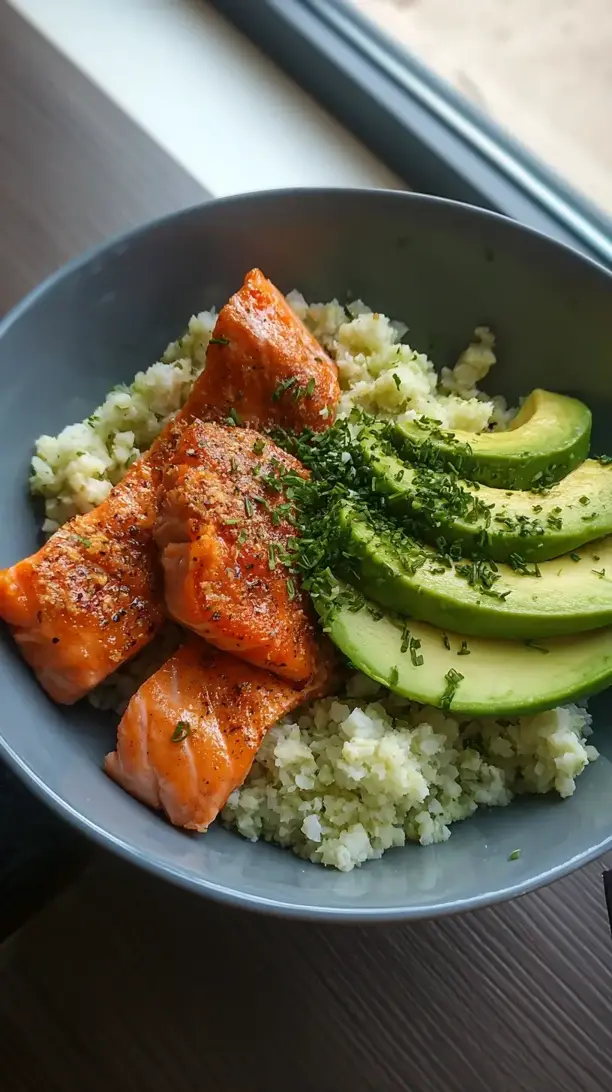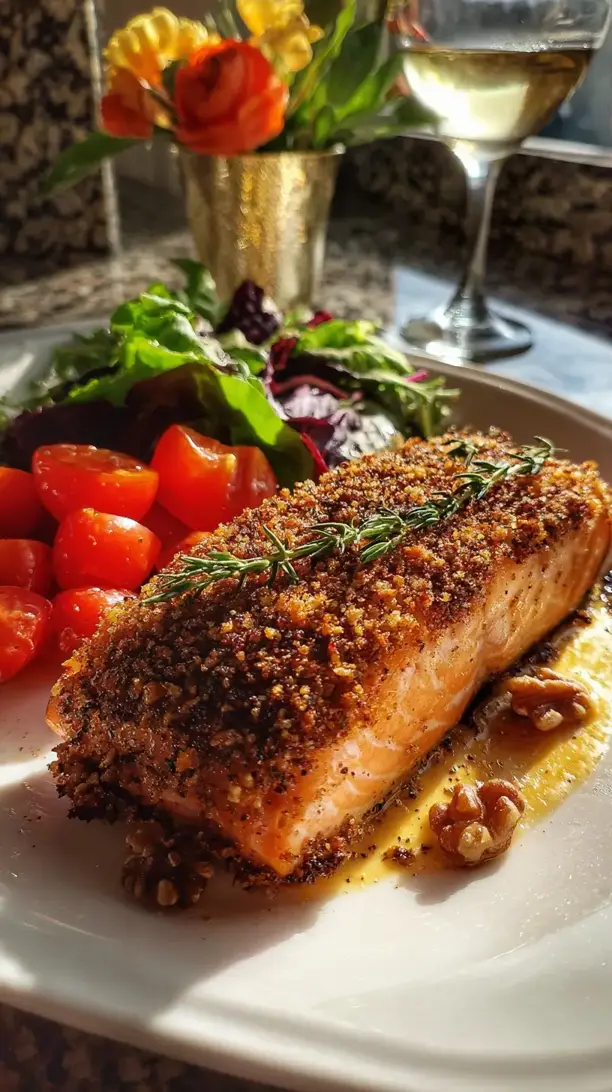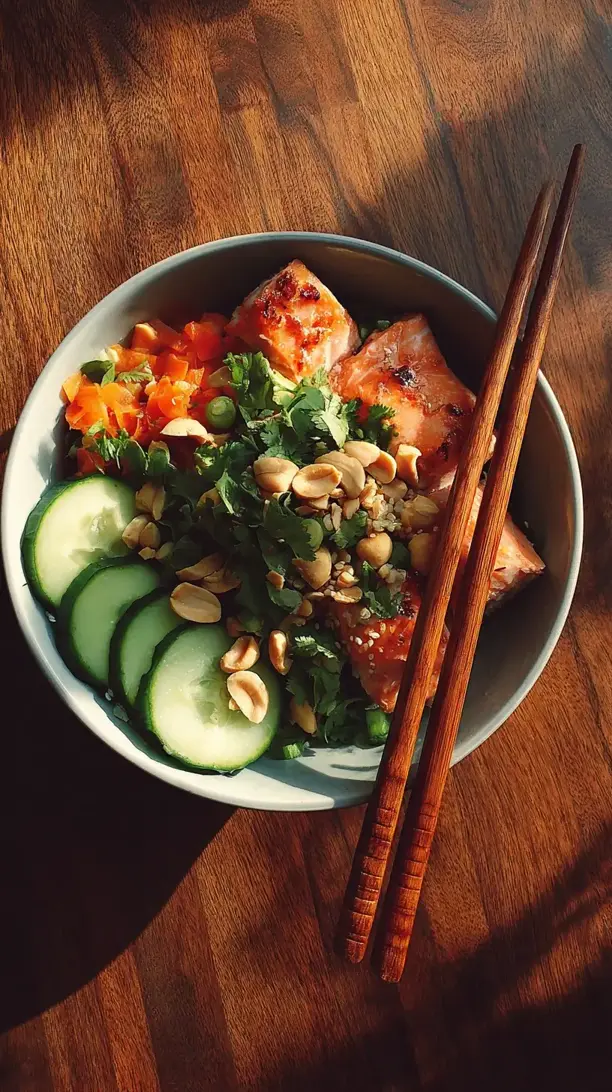

This Salmon and White Bean Soup is deeply comforting and surprisingly quick. Tender salmon and creamy white beans simmer in a savory broth brightened with lemon. It’s a nourishing, restaurant-quality meal you can make at home.
Why You’ll Love This Salmon and White Bean Soup
- Light yet satisfying: Protein-rich salmon and fiber-filled beans keep it hearty without heaviness.
- Quick & impressive: Ready in under 45 minutes with minimal active cooking.
- Simple, complex flavors: Layers of taste from a classic soffritto and gentle simmering.
- Easily adaptable: Swap herbs or add greens to make it your own.
Ingredients & Tools
- 1 tbsp olive oil
- 1 medium yellow onion, diced
- 2 carrots, peeled and diced
- 2 celery stalks, diced
- 3 cloves garlic, minced
- 4 cups chicken or vegetable broth
- 2 (15 oz) cans cannellini beans, rinsed and drained
- 1 lb skinless salmon fillet, cut into 1-inch chunks
- 1 tsp dried thyme
- 1 bay leaf
- 1 lemon, juiced (about 2 tbsp)
- ¼ cup fresh dill, chopped
- Salt and freshly ground black pepper to taste
Tools: A large soup pot or Dutch oven, a wooden spoon, and a sharp knife.
Notes: Good-quality broth makes a difference. Don’t skip the fresh lemon juice at the end—it brightens all the flavors.
Nutrition (per serving)
| Calories: | 420 kcal |
| Protein: | 35 g |
| Fat: | 16 g |
| Carbs: | 35 g |
| Fiber: | 9 g |
Serves: 4 | Prep Time: 15 minutes | Cook Time: 25 minutes | Total Time: 40 minutes
Before You Start: Tips & Ingredient Notes
- What’s the best salmon to use? I prefer skinless, center-cut fillets for this recipe. They’re typically an even thickness, which means the chunks will cook at the same rate. You can use fresh or thawed frozen salmon — just pat it very dry before cutting.
- Don’t have cannellini beans? Great Northern beans or even butter beans will work beautifully. They’re all part of the white bean family and have that lovely creamy texture we’re after.
- Why add the lemon juice at the end? Adding the acid right before serving preserves its bright, fresh flavor. If you add it too early during simmering, that vibrant note can cook out and become muted.
- Can I make this soup ahead of time? You can prep the base (the broth and vegetables) ahead, but I highly recommend cooking the salmon just before serving. This ensures it stays tender and doesn’t overcook upon reheating.
How to Make Salmon and White Bean Soup
Step 1: Start by heating the olive oil in your large soup pot or Dutch oven over medium heat. Once the oil shimmers, add the diced onion, carrots, and celery. You’ll want to cook these, stirring occasionally, for about 6-8 minutes until the onions become translucent and the vegetables have softened a bit. This initial step—building that flavor base—is crucial for a deeply flavorful soup.
Step 2: Add the minced garlic and dried thyme to the pot. Stir constantly for about 60 seconds until the garlic becomes incredibly fragrant. Be careful not to let the garlic burn—you’re just waking up its flavors. This quick toast unlocks the oils in the thyme and mellows the sharpness of the raw garlic.
Step 3: Pour in the broth and add the bay leaf. Scrape the bottom of the pot with your wooden spoon to lift any of those delicious browned bits stuck to the bottom. That’s pure flavor! Bring the broth to a gentle boil, then reduce the heat to a steady simmer. Let it cook for about 10 minutes to allow the vegetables to become tender and the flavors to start marrying.
Step 4: Stir in the rinsed and drained cannellini beans. Let them heat through in the simmering broth for about 3-4 minutes. You’ll notice the broth will start to thicken slightly as some of the bean starch releases. This gives the soup a wonderful, velvety body without needing any cream or flour.
Step 5: Now for the star of the show! Season your salmon chunks lightly with salt and pepper. Gently lower them into the simmering soup, making sure they’re mostly submerged. The trick is to not stir aggressively here—you want to keep those beautiful chunks intact. Let the salmon cook for 4-6 minutes. It’s done when it’s opaque throughout and flakes easily with a fork.
Step 6: Turn off the heat. Remove and discard the bay leaf. Now, stir in the fresh lemon juice and chopped dill. Taste the broth—this is where you’ll adjust the final seasoning with more salt and pepper if needed. The lemon juice will make the flavors sing, cutting through the richness of the salmon and beans perfectly.
Step 7: Ladle the soup into deep bowls immediately. You want to serve it while the salmon is still perfectly tender and flaky. The residual heat in the soup will keep it warm at the table, allowing everyone to enjoy that just-cooked texture.
Storage & Freshness Guide
- Fridge: Cool completely, store in an airtight container for up to 2 days.
- Freezer: Not recommended due to salmon texture changes.
- Reviving: Reheat gently on the stovetop over low heat; avoid boiling.
Serving Suggestions
Complementary Dishes
- Crusty, warm bread — There’s nothing better for sopping up every last drop of that delicious broth. A baguette or a slice of sourdough with a crispy crust is ideal.
- A simple arugula salad — The peppery bite of arugula dressed with a light lemon vinaigrette provides a refreshing, crisp contrast to the rich, warm soup.
- Garlicky sautéed greens — Kale or spinach quickly wilted with a little garlic adds a beautiful pop of color and another healthy vegetable element to the meal.
Drinks
- A crisp Sauvignon Blanc — The wine’s citrusy and herbal notes mirror the lemon and dill in the soup, creating a fantastic pairing that cleanses the palate.
- A light, hoppy IPA — If you prefer beer, the bitterness of an IPA stands up well to the richness of the salmon without overpowering the delicate flavors of the broth.
- Sparkling water with lemon — A non-alcoholic option that still brings brightness and effervescence, which helps balance each creamy, savory spoonful.
Something Sweet
- Lemon sorbet — It’s light, refreshing, and continues the citrus theme from the soup, providing a clean and palate-cleansing finish to the meal.
- Shortbread cookies — Their simple, buttery sweetness is a lovely, gentle way to end a meal that’s already so satisfying without being overly heavy.
- Poached pears — Warm, spiced pears feel elegant and comforting, offering a soft, sweet contrast to the savory depth of the soup you just enjoyed.
Top Mistakes to Avoid
- Overcooking the salmon. Once you add the salmon to the hot broth, it will continue to cook even after the heat is off. Err on the side of slightly underdone, as the residual heat will finish the job perfectly.
- Adding the lemon juice too early. The high heat will cause the bright, acidic flavor to dissipate. Stirring it in at the very end preserves that essential zing that makes this soup so special.
- Boiling the soup vigorously after adding the salmon. A rolling boil will break apart the delicate fish. Keep the soup at a gentle simmer to cook the salmon gently and keep the chunks intact.
- Not seasoning in layers. Season your vegetables as they sauté, and definitely season the salmon before adding it. Waiting until the very end to add all the salt means the flavors won’t be as deeply integrated.
Expert Tips
- Tip: For an even richer broth, swap one cup of the chicken broth for a half-cup of dry white wine. Let it simmer with the vegetables for a minute or two before adding the rest of the broth—it adds a wonderful depth.
- Tip: If you have an immersion blender, you can blend about one cup of the soup (mostly beans and broth) and stir it back in. This will naturally thicken the soup to a creamier consistency without any dairy.
- Tip: To make the salmon easier to cut into neat chunks, pop it in the freezer for about 10-15 minutes first. This firms it up just enough so your knife glides through cleanly.
- Tip: For a more vibrant green color and fresh flavor, stir in half of the fresh dill at the end with the lemon, and use the other half as a garnish on top of each served bowl.
FAQs
Can I use a different type of fish?
Absolutely! Firm white fish like cod, halibut, or even haddock would work well. Just keep an eye on the cooking time, as some thinner fillets may cook even faster than the salmon. The key is to adjust the simmering time so the fish becomes opaque and flaky without falling apart. Shrimp is another fantastic option—add them in the last 3-4 minutes of cooking until they turn pink and opaque.
How should I store and reheat leftovers?
Store any leftovers in an airtight container in the refrigerator for up to 2 days. To reheat, gently warm it on the stovetop over low heat. Avoid bringing it to a boil, as this will toughen the salmon. I sometimes even just take the salmon pieces out, reheat the broth and beans, and then add the cold salmon at the end just to warm through. This keeps the fish perfectly tender.
Is it possible to make this soup dairy-free and gluten-free?
It sure is! This recipe is naturally both. Just double-check your broth to ensure it’s certified gluten-free if that’s a concern for you. There’s no dairy or gluten-containing ingredients in the base recipe, making it a great option for various dietary needs without any substitutions needed.
My soup seems a bit thin. How can I thicken it?
The easiest way is to take about a cup of the soup (mostly beans and some broth) and mash the beans with a fork, or give it a quick blitz with an immersion blender. Stir this paste back into the pot—the starches from the beans will thicken the broth beautifully. Alternatively, let the soup simmer uncovered for a few extra minutes to reduce and concentrate.
Can I use dried beans instead of canned?
You can, but it requires more planning. You’ll need to soak and fully cook about 1 cup of dried cannellini beans beforehand. Canned beans are a huge time-saver here, but if you prefer using dried, just make sure they are completely tender before you add the salmon to the soup, as the acidic ingredients can prevent dried beans from softening.

Salmon And White Bean Soup
Make this easy Salmon and White Bean Soup in under 45 minutes. A light, protein-packed meal with tender salmon and creamy beans. Get the recipe now!
Ingredients
For the Ingredients
-
1 tbsp olive oil
-
1 medium yellow onion (diced)
-
2 carrots (peeled and diced)
-
2 celery stalks (diced)
-
3 cloves garlic (minced)
-
4 cups chicken or vegetable broth
-
2 cans cannellini beans (15 oz each, rinsed and drained)
-
1 lb skinless salmon fillet (cut into 1-inch chunks)
-
1 tsp dried thyme
-
1 bay leaf
-
1 lemon (juiced (about 2 tbsp))
-
¼ cup fresh dill (chopped)
-
Salt and freshly ground black pepper (to taste)
Instructions
-
Start by heating the olive oil in your large soup pot or Dutch oven over medium heat. Once the oil shimmers, add the diced onion, carrots, and celery. You’ll want to cook these, stirring occasionally, for about 6-8 minutes until the onions become translucent and the vegetables have softened a bit. This initial step—building that flavor base—is crucial for a deeply flavorful soup.01
-
Add the minced garlic and dried thyme to the pot. Stir constantly for about 60 seconds until the garlic becomes incredibly fragrant. Be careful not to let the garlic burn—you’re just waking up its flavors. This quick toast unlocks the oils in the thyme and mellows the sharpness of the raw garlic.02
-
Pour in the broth and add the bay leaf. Scrape the bottom of the pot with your wooden spoon to lift any of those delicious browned bits stuck to the bottom. That’s pure flavor! Bring the broth to a gentle boil, then reduce the heat to a steady simmer. Let it cook for about 10 minutes to allow the vegetables to become tender and the flavors to start marrying.03
-
Stir in the rinsed and drained cannellini beans. Let them heat through in the simmering broth for about 3-4 minutes. You’ll notice the broth will start to thicken slightly as some of the bean starch releases. This gives the soup a wonderful, velvety body without needing any cream or flour.04
-
Now for the star of the show! Season your salmon chunks lightly with salt and pepper. Gently lower them into the simmering soup, making sure they’re mostly submerged. The trick is to not stir aggressively here—you want to keep those beautiful chunks intact. Let the salmon cook for 4-6 minutes. It’s done when it’s opaque throughout and flakes easily with a fork.05
-
Turn off the heat. Remove and discard the bay leaf. Now, stir in the fresh lemon juice and chopped dill. Taste the broth—this is where you’ll adjust the final seasoning with more salt and pepper if needed. The lemon juice will make the flavors sing, cutting through the richness of the salmon and beans perfectly.06
-
Ladle the soup into deep bowls immediately. You want to serve it while the salmon is still perfectly tender and flaky. The residual heat in the soup will keep it warm at the table, allowing everyone to enjoy that just-cooked texture.07