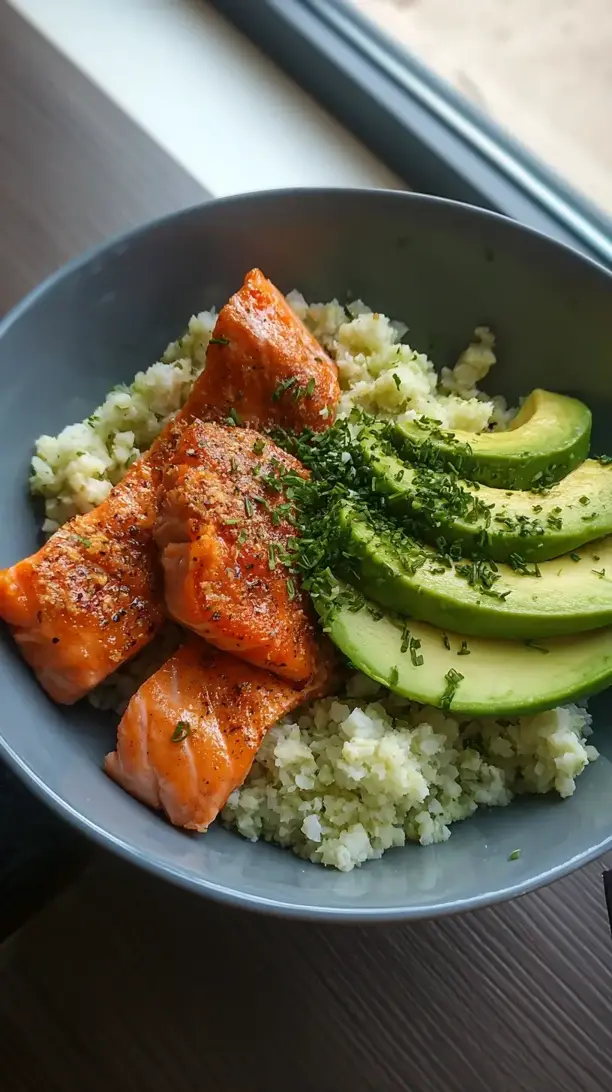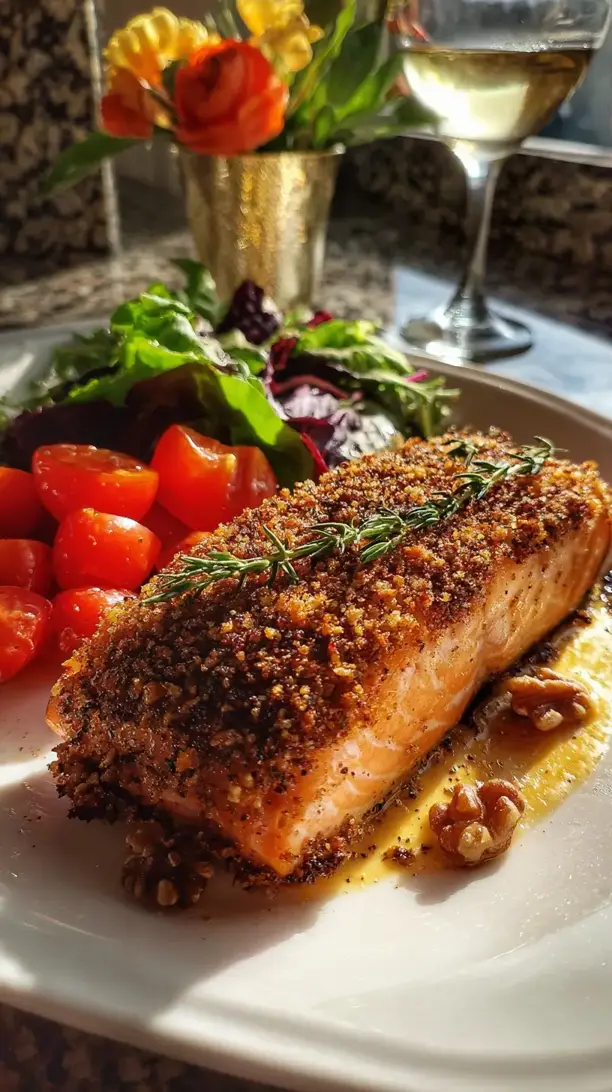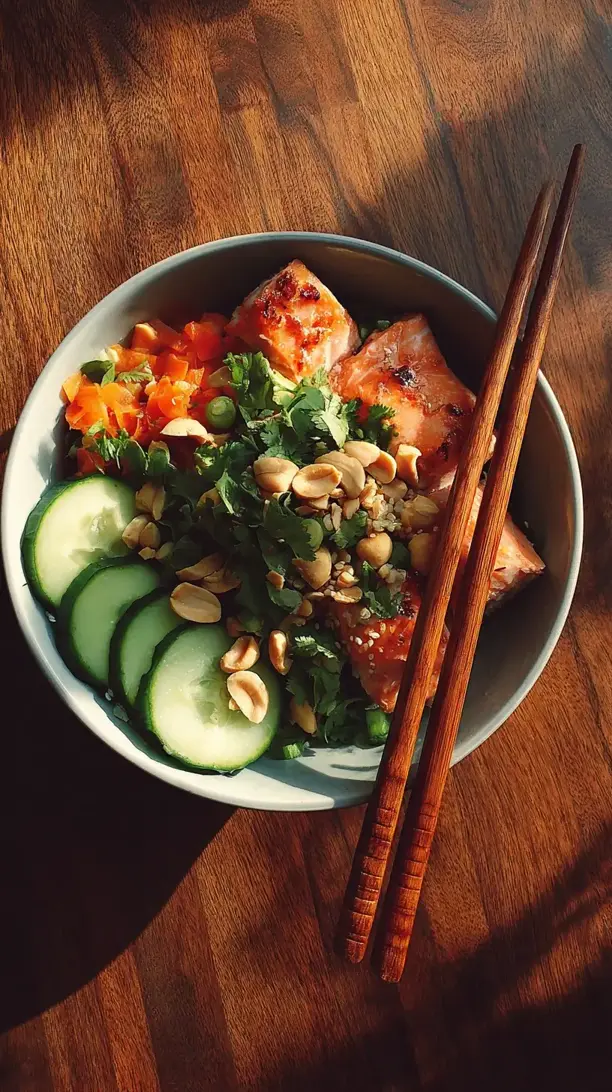

This Salmon and Snap Peas recipe is a weeknight hero that comes together in under 30 minutes. Tender, flaky salmon with crisp skin pairs with sweet, crunchy snap peas for a light yet satisfying meal. It’s simple, stunning, and delivers delicious results every time.
Why You’ll Love This Salmon and Snap Peas
- One-pan wonder: Sear the salmon and cook the snap peas in the same pan for maximum flavor and fewer dishes.
- Perfect texture contrast: Crisp salmon skin and tender flesh meet snappy, bright peas.
- Versatile & forgiving: Easy to customize with lemon, chili, or herbs; salmon stays delicious even if slightly overcooked.
- Stunning presentation: Vibrant pink salmon and green peas make a beautiful, chef-worthy plate.
Ingredients & Tools
- 2 (150-180 g each) salmon fillets, skin-on
- 200 g fresh snap peas, trimmed
- 2 tbsp olive oil, divided
- 1 large lemon
- 2 cloves garlic, minced
- 1 tsp honey or maple syrup
- 1/4 tsp red pepper flakes (optional)
- Salt and freshly ground black pepper to taste
- 2 tbsp fresh dill or parsley, chopped
Tools: A large, oven-safe skillet (cast iron is ideal), microplane or garlic press, tongs.
Notes: Use bright, firm salmon fillets and vibrant, snappy snap peas for best results.
Nutrition (per serving)
| Calories: | 415 kcal |
| Protein: | 35 g |
| Fat: | 25 g |
| Carbs: | 12 g |
| Fiber: | 4 g |
Serves: 2 | Prep Time: 10 minutes | Cook Time: 15 minutes | Total Time: 25 minutes
Before You Start: Tips & Ingredient Notes
- Pat that salmon dry! This is the single most important step for getting crispy skin. Use paper towels and really press down to remove all surface moisture from both the flesh and the skin. If the skin is wet, it will steam instead of sear.
- Why skin-on salmon? Even if you don’t plan on eating the skin, cooking the fillet skin-side down first acts as a protective barrier. It helps the salmon cook evenly, keeps it incredibly moist, and frankly, a perfectly crisped skin is a chef’s treat.
- Don’t overcrowd the pan. You need space for the salmon to sear properly. If your skillet is too small, cook the fillets in two batches. Crowding creates steam, which is the enemy of a beautiful, golden-brown crust.
- Take your snap peas out of the fridge early. Letting them come closer to room temperature means they’ll cook more quickly and evenly in the hot pan, retaining that wonderful snap instead of becoming watery.
How to Make Salmon and Snap Peas
Step 1: Start by prepping your ingredients. Pat the salmon fillets completely dry with paper towels and season the flesh side generously with salt and pepper. Trim the snap peas if they still have stems, and mince your garlic. Zest about half of the lemon and then cut the whole lemon into wedges for serving. Having everything ready to go makes the cooking process smooth and stress-free.
Step 2: Place your large skillet over medium-high heat and add one tablespoon of the olive oil. Once the oil is shimmering hot—you can test this by flicking a tiny drop of water into it; if it sizzles, it’s ready—carefully place the salmon fillets in the pan, skin-side down. You should hear a confident sizzle the moment they hit the oil. Press down gently on each fillet with a spatula for the first 10 seconds to ensure full skin contact.
Step 3: Now, this is the hard part: don’t touch it! Let the salmon cook undisturbed for 5-7 minutes. You’ll notice the color change, turning opaque about three-quarters of the way up the side of the fillet. The skin will become golden and incredibly crispy. If you try to move it too early, the skin will tear and stick to the pan. Trust the process.
Step 4: While the salmon is cooking, quickly toss the snap peas with the remaining tablespoon of olive oil, the minced garlic, lemon zest, honey, and a pinch of salt and red pepper flakes if using. This little marinade moment allows the flavors to start mingling before they hit the heat.
Step 5: Once the salmon skin is crisp, flip the fillets. They should release from the pan easily. Cook for just 1-2 minutes on the flesh side until you get a light golden sear. You’re not trying to cook it through on this side, just adding a bit of color and flavor.
Step 6: Push the salmon to one side of the skillet (or remove it to a plate temporarily if your pan is small). Add the snap pea mixture to the empty side of the hot pan. You’ll hear a fantastic sizzle as they hit the rendered salmon fat and oil. Sauté the peas for 2-3 minutes, tossing occasionally, until they are bright green and slightly blistered in spots but still crisp-tender.
Step 7: Return the salmon to the center of the pan, nestling it amongst the peas. If your skillet is oven-safe, you can pop the whole thing into a preheated 190°C (375°F) oven for 2-3 minutes to finish cooking the salmon through without overcooking the peas. Otherwise, just let it sit on the warm stove for a minute with the heat off.
Step 8: To finish, squeeze the juice from one lemon wedge over everything and scatter the fresh herbs. The residual heat will wilt the herbs perfectly. Serve immediately right from the pan, with extra lemon wedges on the side for that bright, fresh zing.
Storage & Freshness Guide
- Fridge: Store leftovers in an airtight container for up to 2 days.
- Freezer: Not recommended; the snap peas will become mushy upon thawing.
- Reviving: Reheat gently in a skillet over low heat to maintain texture.
Serving Suggestions
Complementary Dishes
- Fluffy jasmine or basmati rice — The mild, fragrant rice is the perfect vehicle to soak up all the delicious lemony, garlicky juices from the salmon and peas.
- Creamy mashed potatoes or polenta — For a more comforting, decadent meal, the rich, soft texture provides a wonderful base for the flaky fish and crisp vegetables.
- A simple arugula salad with a lemon vinaigrette — The peppery arugula adds a fresh, bitter contrast that cuts through the richness of the salmon beautifully.
Drinks
- A crisp, unoaked Chardonnay or Sauvignon Blanc — The bright acidity and citrus notes in these wines mirror the lemon in the dish and cleanse the palate between bites of rich salmon.
- A cold, hoppy IPA — The bitterness of the hops stands up well to the oily fish, while the carbonation helps to refresh your palate.
- Sparkling water with a lemon slice — Sometimes the simplest option is the best. The bubbles are refreshing and the lemon continues the theme of the dish.
Something Sweet
- Lemon sorbet — It’s a light, palate-cleansing finish that echoes the citrus notes from dinner without feeling too heavy.
- Almond biscotti for dipping — The nutty, crunchy cookies are fantastic with a cup of espresso and provide a nice textural contrast to the meal you just enjoyed.
- Fresh berries with a dollop of whipped cream — Simple, fresh, and a little indulgent. The berries’ natural sweetness is a perfect, light ending.
Top Mistakes to Avoid
- Mistake: Using a cold pan or not letting the oil get hot enough. This is the prime reason for sticking. You need that initial blast of heat to instantly sear the skin and create a non-stick surface. Wait for the shimmer and the sizzle test.
- Mistake: Flipping the salmon too early or too often. I’ve messed this up before too… impatience leads to torn skin. Let the salmon tell you when it’s ready to flip; it will release from the pan easily when the skin is properly crisped.
- Mistake: Overcooking the salmon. Salmon continues to cook after you take it off the heat (carryover cooking). It’s better to pull it off when it’s still a touch translucent in the very center—it will perfect itself by the time it reaches the table.
- Mistake: Overcooking the snap peas. You’re going for “crisp-tender,” not soft and mushy. They should still have a definite snap when you bite into them. A brief sauté is all they need.
Expert Tips
- Tip: Score the salmon skin. Make a few shallow cuts (about 1 cm apart) across the skin before seasoning. This prevents the fillet from curling up as the skin contracts in the heat, giving you an even sear and a flat, beautiful piece of fish.
- Tip: Use the “press test” for doneness. Gently press the top of the salmon with your finger. If it feels firm and springs back quickly, it’s well-done. If it feels soft and your finger leaves a slight impression, it’s medium-rare to medium. It’s a much more reliable method than just timing.
- Tip: Add the garlic off the heat. After you’ve sautéed the snap peas, take the pan off the burner for a moment before adding the raw minced garlic to the pan juices. This gently toasts the garlic, mellowing its flavor without any risk of it burning and turning bitter.
- Tip: Finish with a compound butter. For a truly restaurant-worthy touch, top the cooked salmon with a pat of lemon-herb compound butter just as you serve it. As it melts, it creates an instant, luxurious sauce.
FAQs
Can I use frozen salmon for this recipe?
You can, but you need to thaw it completely first, ideally in the refrigerator overnight. The key is to pat it incredibly dry after thawing, as frozen fish releases more water. For the best texture and sear, fresh is always superior, but properly thawed frozen fillets will work in a pinch.
My salmon skin is sticking to the pan. What did I do wrong?
This almost always comes down to one of three things: the pan wasn’t hot enough, the skin wasn’t dry enough, or you tried to move the fillet too soon. Make sure you see that oil shimmering and hear a confident sizzle upon contact. And remember, patience is a virtue—let the salmon release itself when the skin is perfectly crisped.
Can I substitute another vegetable for the snap peas?
Absolutely! Asparagus, green beans, or even broccoli florets would be fantastic. Just adjust the cooking time accordingly. Thicker vegetables like broccoli might need a quick blanch in boiling water before sautéing to ensure they cook through at the same rate as the salmon.
How do I know when the salmon is cooked through?
The most reliable method is to use a fork to gently flake the thickest part of the fillet. The flesh should be opaque and separate easily. If you prefer a more precise tool, an instant-read thermometer inserted into the thickest part should read between 52-57°C (125-135°F) for medium-rare to medium, which is ideal for flavor and texture.
Is it okay to eat the salmon skin?
Not only is it okay, it’s encouraged when it’s cooked until crispy! Salmon skin is packed with healthy omega-3 fatty acids and has a wonderful texture when prepared correctly. If it’s soft and rubbery, it hasn’t been seared long enough. A properly cooked skin is a delicious and nutritious part of the meal.

Salmon And Snap Peas
Make this easy Salmon and Snap Peas recipe in under 30 minutes for a healthy, one-pan meal. Get the simple steps for perfectly crispy salmon and tender peas now!
Ingredients
For the Ingredients
-
2 salmon fillets (150-180 g each, skin-on)
-
200 g fresh snap peas (trimmed)
-
2 tbsp olive oil (divided)
-
1 large lemon
-
2 cloves garlic (minced)
-
1 tsp honey or maple syrup
-
1/4 tsp red pepper flakes (optional)
-
Salt and freshly ground black pepper (to taste)
-
2 tbsp fresh dill or parsley (chopped)
Instructions
-
Start by prepping your ingredients. Pat the salmon fillets completely dry with paper towels and season the flesh side generously with salt and pepper. Trim the snap peas if they still have stems, and mince your garlic. Zest about half of the lemon and then cut the whole lemon into wedges for serving. Having everything ready to go makes the cooking process smooth and stress-free.01
-
Place your large skillet over medium-high heat and add one tablespoon of the olive oil. Once the oil is shimmering hot—you can test this by flicking a tiny drop of water into it; if it sizzles, it's ready—carefully place the salmon fillets in the pan, skin-side down. You should hear a confident sizzle the moment they hit the oil. Press down gently on each fillet with a spatula for the first 10 seconds to ensure full skin contact.02
-
Now, this is the hard part: don't touch it! Let the salmon cook undisturbed for 5-7 minutes. You'll notice the color change, turning opaque about three-quarters of the way up the side of the fillet. The skin will become golden and incredibly crispy. If you try to move it too early, the skin will tear and stick to the pan. Trust the process.03
-
While the salmon is cooking, quickly toss the snap peas with the remaining tablespoon of olive oil, the minced garlic, lemon zest, honey, and a pinch of salt and red pepper flakes if using. This little marinade moment allows the flavors to start mingling before they hit the heat.04
-
Once the salmon skin is crisp, flip the fillets. They should release from the pan easily. Cook for just 1-2 minutes on the flesh side until you get a light golden sear. You're not trying to cook it through on this side, just adding a bit of color and flavor.05
-
Push the salmon to one side of the skillet (or remove it to a plate temporarily if your pan is small). Add the snap pea mixture to the empty side of the hot pan. You'll hear a fantastic sizzle as they hit the rendered salmon fat and oil. Sauté the peas for 2-3 minutes, tossing occasionally, until they are bright green and slightly blistered in spots but still crisp-tender.06
-
Return the salmon to the center of the pan, nestling it amongst the peas. If your skillet is oven-safe, you can pop the whole thing into a preheated 190°C (375°F) oven for 2-3 minutes to finish cooking the salmon through without overcooking the peas. Otherwise, just let it sit on the warm stove for a minute with the heat off.07
-
To finish, squeeze the juice from one lemon wedge over everything and scatter the fresh herbs. The residual heat will wilt the herbs perfectly. Serve immediately right from the pan, with extra lemon wedges on the side for that bright, fresh zing.08