

Why You’ll Love This Roasted Garlic Mashed Cauliflower
- Unbelievably creamy texture. When blended while still hot, cauliflower becomes incredibly smooth and velvety, creating a mouthfeel that rivals traditional mashed potatoes without any heaviness.
- Deep, complex garlic flavor. Roasting the garlic is the non-negotiable step here. It transforms the pungent cloves into a sweet, mellow, and spreadable paste that infuses the entire dish with a rich, savory depth you just can’t get from raw or even sautéed garlic.
- Incredibly versatile. This mash is the perfect blank canvas. It’s fantastic as-is, but it also loves fresh herbs, a sprinkle of cheese, or a crack of black pepper. It pairs beautifully with everything from a Sunday roast to a simple weeknight piece of fish.
- Surprisingly simple to make. While roasting the garlic takes a little time, it’s mostly hands-off. The rest of the process is straightforward steaming and blending. You’ll be amazed that something tasting so elegant is so easy to pull off.
Ingredients & Tools
- 2 large heads of garlic
- 1 tbsp extra virgin olive oil, plus more for drizzling
- 1 large head cauliflower (about 2–2.5 lbs / 900g-1.1kg), cut into florets
- 3 tbsp unsalted butter, at room temperature
- 1/4 cup whole milk, warmed (or heavy cream for extra richness)
- 1/4 cup grated Parmesan cheese
- 1/2 tsp fine sea salt, plus more to taste
- 1/4 tsp freshly ground black pepper
- Optional garnish: Fresh chives or parsley, chopped
Tools: A sharp knife, a baking sheet, aluminum foil, a large pot with a steamer basket (or a colander that fits inside the pot), a food processor or high-powered blender (an immersion blender can work but may not get it as smooth), a small saucepan.
The quality of your ingredients really shines here. Using a good, grassy olive oil for roasting the garlic and real butter makes a noticeable difference. And don’t skip the Parmesan—it adds a salty, umami kick that brings all the flavors together beautifully.
Serves: 4-6 | Prep Time: 15 minutes | Cook Time: 45 minutes | Total Time: 1 hour
Before You Start: Tips & Ingredient Notes
- Don’t rush the garlic. Roasting the garlic is the foundation of this recipe. That slow, gentle heat is what caramelizes the natural sugars, creating that incredible mellow sweetness. If the garlic isn’t deeply golden and soft, it hasn’t worked its magic yet.
- Cut your cauliflower evenly. Try to cut the florets into roughly similar sizes. This ensures they all steam at the same rate, so you don’t end up with some pieces mushy and others still crunchy. Nobody wants uneven mash!
- Warm your liquids. This is a pro-tip for any mash, potato or cauliflower. Adding cold milk or cream to hot cauliflower can make the texture a bit grainy. Taking a minute to warm it up helps everything emulsify smoothly.
- Season aggressively. Cauliflower needs a good amount of seasoning to truly sing. Don’t be shy with the salt and pepper. The best approach is to season at the end, after blending, and taste as you go.
How to Make Roasted Garlic Mashed Cauliflower
Step 1: Roast the Garlic. Preheat your oven to 400°F (200°C). Slice about 1/4 to 1/2 inch off the top of each head of garlic to expose the cloves inside. Place each head on a piece of aluminum foil, drizzle with a teaspoon of olive oil, and wrap the foil up to create a tight little packet. Pop these directly onto the oven rack or a baking sheet and roast for 40-45 minutes. You’ll know it’s done when the cloves are deeply golden, fragrant, and soft enough to squeeze out like paste. Let them cool until you can handle them.
Step 2: Steam the Cauliflower. While the garlic is roasting, prepare your cauliflower. Fill a large pot with about an inch of water and bring it to a simmer. Place the cauliflower florets in a steamer basket over the water, cover the pot, and steam for 10-15 minutes, or until the florets are very tender. You should be able to easily pierce them with a fork. The goal is to make them as soft as possible for the creamiest mash.
Step 3: Squeeze and Combine. Once the garlic is cool enough to handle, carefully squeeze the roasted cloves from their papery skins into the bowl of your food processor or blender. It should come out easily—a satisfying little push with your fingers is all it takes. Then, using a slotted spoon, transfer the steamed cauliflower florets to the blender as well. This is key: try to leave as much excess water in the pot as possible. Too much water will make your mash soupy.
Step 4: The First Blend. Add the room-temperature butter to the cauliflower and garlic. Secure the lid on your blender or processor and pulse a few times to break everything down. Then, blend on high until the mixture is relatively smooth. You’ll notice it starts to look like a thick puree. Scrape down the sides if needed.
Step 5: Emulsify with Liquid. With the blender running on low, slowly stream in the warmed milk or cream through the feed tube. The mixture will start to become lighter, creamier, and more voluminous. Let it blend for a good 30-60 seconds—this is what gives it that super-smooth, almost whipped texture. You’re aerating it, which is a little trick that makes all the difference.
Step 6: Final Seasoning. Stop the blender and add the grated Parmesan, salt, and pepper. Blend one last time until everything is perfectly combined. Now, taste it! This is the most important step. Adjust the seasoning with more salt or pepper if it needs it. The flavor should be rich, garlicky, and well-balanced. Transfer to a serving bowl, garnish with fresh herbs if you like, and serve immediately while it’s warm and fluffy.
Serving Suggestions
Complementary Dishes
- Herb-Roasted Chicken — The classic, comforting pairing. The juicy chicken and its pan juices mingle perfectly with the creamy, garlicky cauliflower.
- Pan-Seared Salmon with a Lemon-Dill Sauce — The richness of the salmon is cut beautifully by the mash, and the bright, herby sauce adds a lovely fresh contrast.
- Simple Beef Tenderloin or Meatballs — This mash is a luxurious base for any rich meat dish, acting like a delicious, flavorful bed that soaks up all the good juices.
Drinks
- A Crisp, Unoaked Chardonnay — The wine’s bright acidity cleanses the palate between bites of the rich cauliflower, while its citrus notes complement the garlic beautifully.
- A Light Pale Ale or Lager — The carbonation and slight bitterness of a good beer are fantastic at cutting through the creaminess, making each bite taste fresh.
- Sparkling Water with a Squeeze of Lemon — A non-alcoholic option that does the same job as the beer or wine, resetting your taste buds with bubbles and a hint of citrus.
Something Sweet
- Warm Apple Crumble with Vanilla Ice Cream — The transition from savory, garlicky goodness to sweet, spiced apples and cold ice cream is a textural and flavor dream.
- Dark Chocolate Pots de Crème — A rich, silky chocolate dessert provides a deep, contrasting flavor that feels incredibly indulgent after the lighter main course.
- Simple Shortbread Cookies — Sometimes, you just need a little buttery, not-too-sweet something to finish the meal, and a few delicate shortbread cookies are perfect.
Top Mistakes to Avoid
- Mistake: Not removing enough water from the cauliflower. Cauliflower holds a lot of water, and if you dump it all, water and all, into the blender, you’ll end up with a watery, sad puree instead of a fluffy mash. That’s why we use a slotted spoon for transfer.
- Mistake: Using cold dairy. I’ve messed this up before too… adding cold butter or milk can shock the hot cauliflower and prevent it from emulsifying properly. Taking that extra minute to warm the milk and soften the butter is a small step with a big payoff.
- Mistake: Under-blending. If you stop blending as soon as it looks combined, you’re missing out on the ultimate creamy texture. Let the blender run for a full minute after adding the liquid to really whip it up and incorporate air.
- Mistake: Underseasoning. This is the most common pitfall. Cauliflower is a blank slate and needs salt to wake up its flavor. Be bold, taste as you go, and don’t forget the black pepper for a little warmth.
Expert Tips
- Tip: Make extra roasted garlic. Seriously, roast a few extra heads while you’re at it. The soft, sweet paste is incredible spread on crusty bread, stirred into soups, or mixed into salad dressings. It keeps well in the fridge for about a week.
- Tip: Get creative with mix-ins. Once you’ve mastered the base recipe, the world is your oyster. Try stirring in some chopped fresh rosemary or thyme with the Parmesan, or a big handful of sharp cheddar cheese for a cheesy version.
- Tip: Reheat it right. Leftovers are great, but reheating in the microwave can make them a bit watery. Gently reheating in a saucepan over low heat, stirring often, will help maintain the best texture. You might need to add a tiny splash of milk to loosen it up.
- Tip: For a dairy-free version, it still works! Use vegan butter and unsweetened, unflavored plant-based milk (like oat or almond). The roasted garlic and Parmesan do a lot of the flavor lifting, but you can add a pinch of nutritional yeast for a cheesy flavor if you like.
FAQs
Can I make this ahead of time?
Absolutely! You can make the entire dish up to 2 days in advance. Let it cool completely, then store it in an airtight container in the refrigerator. When you’re ready to serve, reheat it gently in a saucepan over medium-low heat, stirring frequently. You’ll likely need to add a tablespoon or two of milk or cream to bring back the creamy consistency. The flavor might even be better the next day as the garlic has more time to meld.
Why is my mashed cauliflower gritty?
A gritty texture usually points to two things: either the cauliflower wasn’t steamed until it was completely tender (it should be fall-apart soft), or it was under-blended. High-powered blenders and food processors are best for breaking down the fibrous bits of cauliflower. If you only have an immersion blender, you may need to blend for a significantly longer time to achieve a perfectly smooth result. Patience is key!
Can I freeze Roasted Garlic Mashed Cauliflower?
You can, but with a caveat. The texture will change upon thawing, as the high water content in cauliflower can lead to a slightly watery or separated consistency when frozen and reheated. If you do freeze it, thaw it overnight in the fridge and then reheat it slowly on the stovetop, whisking vigorously to re-emulsify it. It’ll still taste great, but the texture might not be as flawless as when fresh.
What’s the best way to reheat leftovers?
The stovetop is your best friend here. Gently warm the mash in a saucepan over low to medium-low heat, stirring often to prevent sticking and ensure even heating. The microwave can work in a pinch, but it tends to heat unevenly and can make the mash a bit watery. If you do use the microwave, do it in short 30-second bursts, stirring well between each burst.
My mash is too watery. How can I fix it?
Don’t panic! This happens to the best of us. The easiest fix is to return the mash to the saucepan and cook it over low heat, stirring constantly, to allow some of the excess moisture to evaporate. If it’s still too loose, you can stir in a tablespoon of grated Parmesan cheese—it will help thicken it while adding flavor. Another trick is to add a teaspoon of potato starch or cornstarch slurry, but this should be a last resort as it can alter the pure flavor.
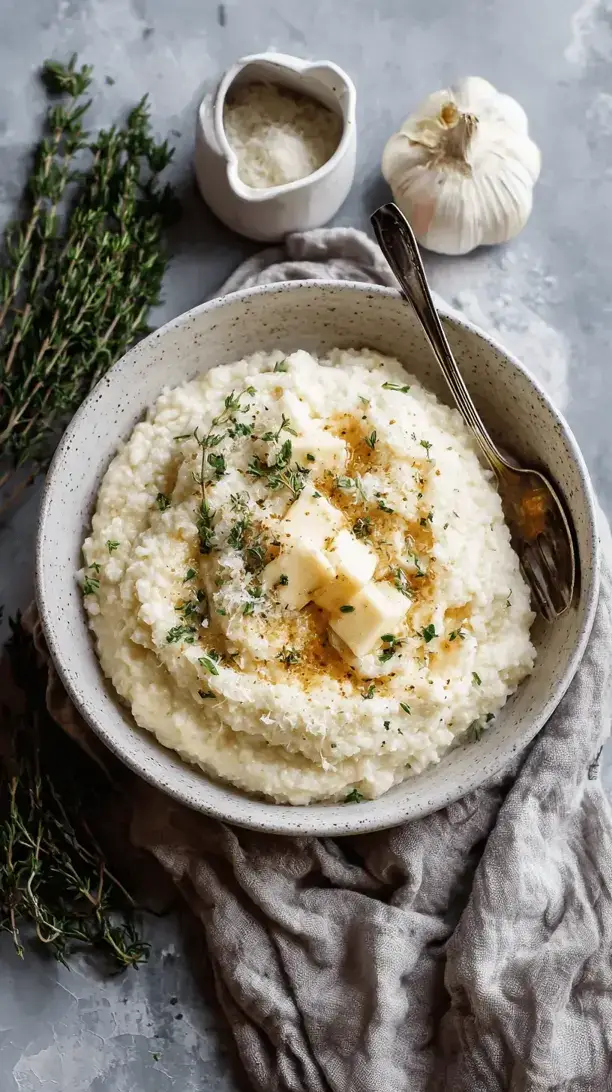
Roasted Garlic Mashed Cauliflower
Creamy Roasted Garlic Mashed Cauliflower recipe! A healthy, low-carb alternative to mashed potatoes that's full of flavor. Easy to make & incredibly satisfying. Perfect comfort food.
Ingredients
Ingredients
-
2 large heads garlic
-
1 tbsp extra virgin olive oil (plus more for drizzling)
-
1 large head cauliflower (about 2–2.5 lbs / 900g-1.1kg, cut into florets)
-
3 tbsp unsalted butter (at room temperature)
-
1/4 cup whole milk (warmed (or heavy cream for extra richness))
-
1/4 cup Parmesan cheese (grated)
-
1/2 tsp fine sea salt (plus more to taste)
-
1/4 tsp freshly ground black pepper
-
fresh chives or parsley (chopped (optional garnish))
Instructions
-
Roast the Garlic. Preheat your oven to 400°F (200°C). Slice about 1/4 to 1/2 inch off the top of each head of garlic to expose the cloves inside. Place each head on a piece of aluminum foil, drizzle with a teaspoon of olive oil, and wrap the foil up to create a tight little packet. Pop these directly onto the oven rack or a baking sheet and roast for 40-45 minutes. You'll know it's done when the cloves are deeply golden, fragrant, and soft enough to squeeze out like paste. Let them cool until you can handle them.01
-
Steam the Cauliflower. While the garlic is roasting, prepare your cauliflower. Fill a large pot with about an inch of water and bring it to a simmer. Place the cauliflower florets in a steamer basket over the water, cover the pot, and steam for 10-15 minutes, or until the florets are very tender. You should be able to easily pierce them with a fork. The goal is to make them as soft as possible for the creamiest mash.02
-
Squeeze and Combine. Once the garlic is cool enough to handle, carefully squeeze the roasted cloves from their papery skins into the bowl of your food processor or blender. It should come out easily—a satisfying little push with your fingers is all it takes. Then, using a slotted spoon, transfer the steamed cauliflower florets to the blender as well. This is key: try to leave as much excess water in the pot as possible. Too much water will make your mash soupy.03
-
The First Blend. Add the room-temperature butter to the cauliflower and garlic. Secure the lid on your blender or processor and pulse a few times to break everything down. Then, blend on high until the mixture is relatively smooth. You'll notice it starts to look like a thick puree. Scrape down the sides if needed.04
-
Emulsify with Liquid. With the blender running on low, slowly stream in the warmed milk or cream through the feed tube. The mixture will start to become lighter, creamier, and more voluminous. Let it blend for a good 30-60 seconds—this is what gives it that super-smooth, almost whipped texture. You're aerating it, which is a little trick that makes all the difference.05
-
Final Seasoning. Stop the blender and add the grated Parmesan, salt, and pepper. Blend one last time until everything is perfectly combined. Now, taste it! This is the most important step. Adjust the seasoning with more salt or pepper if it needs it. The flavor should be rich, garlicky, and well-balanced. Transfer to a serving bowl, garnish with fresh herbs if you like, and serve immediately while it's warm and fluffy.06


