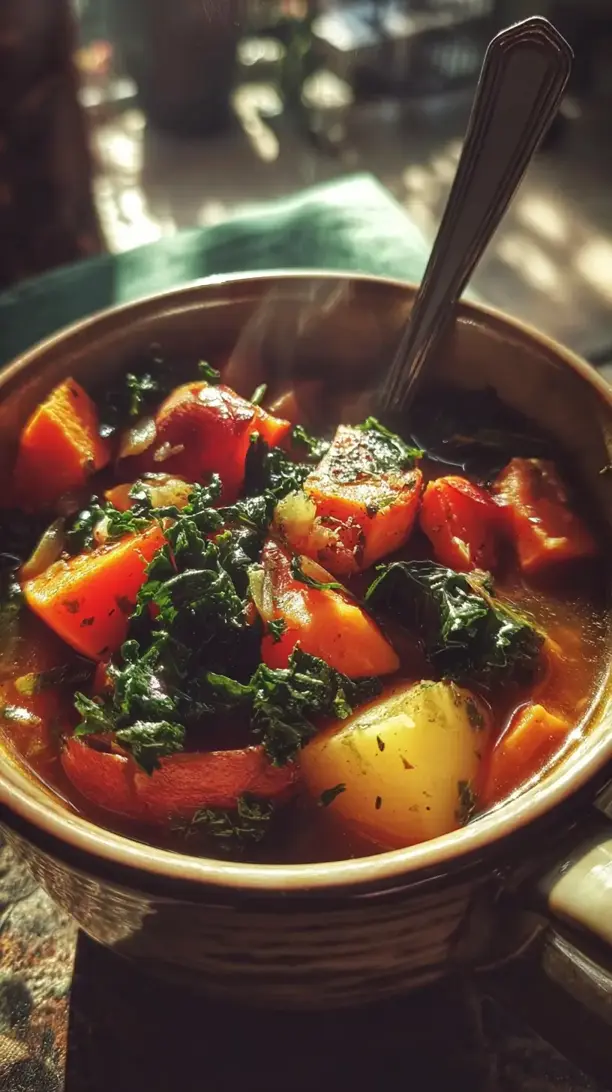

Why You’ll Love This Roasted Butternut Squash Soup
- Deep, caramelized flavor. Roasting the squash first is a total game-changer—it brings out a natural sweetness and nuttiness that you just can’t get from boiling.
- Incredibly creamy texture without the cream. The trick is to blend it really well until it’s perfectly smooth and velvety. It feels indulgent but is honestly quite light.
- It’s wonderfully versatile. You can play with the spices, add a swirl of coconut milk, or top it with crunchy seeds or herbs. It’s a fantastic base for getting creative.
- It makes your whole house smell amazing. The aroma of roasting squash, onions, and a hint of sage is honestly one of the best parts of making this soup.
Ingredients & Tools
- 1 large butternut squash (about 1.5 kg / 3 lbs), peeled, seeded, and cubed
- 2 tbsp olive oil, divided
- 1 large yellow onion, roughly chopped
- 2 cloves garlic, peeled and smashed
- 4 cups vegetable broth
- 1 tsp maple syrup (or honey)
- 1/2 tsp ground nutmeg
- 1/4 tsp ground cinnamon
- 1/4 tsp cayenne pepper (optional, for a little heat)
- Salt and black pepper to taste
- For serving: A drizzle of cream or coconut milk, toasted pumpkin seeds, fresh sage leaves
Tools: A large baking sheet, a large soup pot or Dutch oven, an immersion blender or standard blender, a good sharp knife and peeler.
Don’t skip the maple syrup—it’s not about making it sweet, but about balancing and enhancing the squash’s natural flavor. And that little pinch of cayenne? It just adds a lovely, subtle warmth in the background that makes each spoonful more interesting.
Nutrition (per serving)
- Calories: 180 kcal
- Protein: 3 g
- Fat: 7 g
- Carbohydrates: 32 g
- Fiber: 5 g
Serves: 4 | Prep Time: 15 minutes | Cook Time: 45 minutes | Total Time: 1 hour
Before You Start: Tips & Ingredient Notes
- Choosing your squash. Look for one that feels heavy for its size with a firm, matte skin. A heavier squash usually means it’s nice and moist inside, which is perfect for soup.
- Don’t rush the roast. This is the most important step for flavor. You want those squash cubes to have some dark, caramelized edges. That’s where the magic is.
- Blending safely is key. If you’re using a standard blender, please let the soup cool for a few minutes and don’t fill the jar more than halfway. Hot soup expands and can create a real mess—I’ve learned this the hard way!
- Taste and adjust at the end. Seasoning is everything. The salt level can vary depending on your broth, so always do a final taste and add more salt, pepper, or even a squeeze of lemon juice to brighten it all up.
How to Make Roasted Butternut Squash Soup
Step 1: Preheat your oven to 200°C (400°F). While it’s heating up, tackle the squash. Peel it carefully with a sturdy vegetable peeler, cut it in half lengthwise, and scoop out the seeds and stringy bits with a spoon. Then, chop the flesh into roughly 2.5 cm (1-inch) cubes. You’ll notice it’s a bit of a workout, but it’s so worth it.
Step 2: Toss the squash cubes with one tablespoon of the olive oil on a large baking sheet. Spread them out in a single layer—this is crucial for getting them to roast and caramelize properly, rather than steam. Season generously with salt and black pepper. Pop the tray into the preheated oven and roast for 25-30 minutes. You’re looking for the squash to be tender when pierced with a fork and for the edges to have some lovely browned spots.
Step 3: While the squash is roasting, heat the remaining tablespoon of olive oil in your large soup pot over medium heat. Add the chopped onion and cook, stirring occasionally, for about 5-7 minutes until it becomes soft and translucent. You don’t want any color on the onion here, just to soften it and sweeten it up. Add the smashed garlic cloves and cook for another minute until fragrant.
Step 4: By now, your squash should be beautifully roasted. Carefully add the hot squash cubes to the pot with the onions and garlic. Pour in the vegetable broth, and add the maple syrup, nutmeg, cinnamon, and that optional cayenne pepper if you’re using it. Give everything a good stir.
Step 5: Bring the soup to a gentle boil, then immediately reduce the heat to low, cover the pot, and let it simmer for about 15 minutes. This allows all the flavors to meld together beautifully. The squash will be incredibly tender and will break apart easily.
Step 6: Now for the fun part—blending! If you’re using an immersion blender, go ahead and blend the soup right in the pot until it’s completely smooth and velvety. If you’re using a countertop blender, work in batches, filling the jar no more than halfway each time, and hold the lid down with a kitchen towel for safety. Blend until you can’t see any lumps.
Step 7: Once the soup is silky smooth, return it to the pot if needed and place it over low heat. This is your final chance to taste and adjust the seasoning. Does it need more salt? A crack of black pepper? Maybe another tiny drizzle of maple syrup? Trust your palate here.
Step 8: Ladle the hot soup into bowls. To serve, you can add a swirl of cream or coconut milk, a sprinkle of toasted pumpkin seeds for crunch, and maybe a few fresh sage leaves. The contrast in textures and temperatures is just wonderful.
Serving Suggestions
Complementary Dishes
- A thick slice of crusty sourdough — There’s nothing better for dipping into this creamy soup and catching every last drop.
- A simple arugula salad with a lemon vinaigrette — The peppery, sharp greens provide a fantastic, refreshing contrast to the soup’s richness.
- A grilled cheese sandwich — Honestly, it’s a classic pairing for a reason. The gooey, salty cheese and the sweet soup are a match made in heaven.
Drinks
- A crisp, dry white wine like Sauvignon Blanc — Its acidity cuts through the soup’s creaminess beautifully and cleanses the palate.
- A sparkling apple cider — The bubbles and slight sweetness make it a fantastic non-alcoholic pairing, especially in the autumn.
- A warm mug of chai tea — The spices in the chai echo the warm notes of nutmeg and cinnamon in the soup, creating a really cozy experience.
Something Sweet
- A slice of spiced apple cake — It continues the warm, autumnal spice theme and feels like a natural, comforting end to the meal.
- Dark chocolate ginger cookies — The hint of ginger and deep chocolate are a sophisticated and delicious follow-up to the savory soup.
- A simple pear and almond tart — The delicate, fruity flavor of the pears is light and elegant after the hearty main course.
Top Mistakes to Avoid
- Overcrowding the baking sheet. If the squash cubes are piled on top of each other, they’ll steam instead of roast. You’ll miss out on all that delicious caramelized flavor. Use two trays if you need to.
- Blending while the soup is piping hot in a closed blender. The steam pressure can blow the lid right off, creating a dangerous and very messy situation. Let it cool for a few minutes and vent the lid.
- Underseasoning. Squash needs a good amount of salt to make its flavor pop. Be bold with your seasoning throughout the process, and always do a final taste at the end.
- Boiling the soup aggressively after adding the broth. A gentle simmer is all you need to meld the flavors. A rolling boil can sometimes make the vegetables a bit mushy and compromise the texture.
Expert Tips
- Tip: For an extra layer of flavor, try roasting the onion and garlic alongside the squash. Just toss them in oil on the same tray. They’ll become sweet and soft, adding a deeper, smokier note to your soup base.
- Tip: If your soup is too thick after blending, don’t panic! Just whisk in a little more vegetable broth or even some water, a splash at a time, until it reaches your perfect consistency.
- Tip: Make a big batch and freeze it. This soup freezes beautifully. Let it cool completely, then portion it into airtight containers. It’ll be a lifesaver on a busy weeknight.
- Tip: Garnish with fried sage leaves. Heat a little butter or oil in a pan, add fresh sage leaves, and fry for about 10-15 seconds until crisp. They add an incredible aroma and a lovely crispy texture.
FAQs
Can I use pre-cut butternut squash?
You absolutely can! It’s a fantastic time-saver. Just keep in mind that pre-cut cubes are often smaller, so they might roast a little faster. Keep an eye on them in the oven and check for tenderness a few minutes early. The flavor will still be great, and it makes this recipe even more accessible for a quick weeknight dinner.
How can I make this soup vegan?
It’s super easy! This recipe is naturally vegan if you use maple syrup instead of honey and ensure your vegetable broth is vegan. For the creamy swirl on top, just use a plant-based option like coconut milk, cashew cream, or a store-bought vegan sour cream. It works perfectly and is just as delicious.
My soup turned out a bit bland. What can I do?
This happens sometimes, and it’s an easy fix. First, make sure you’ve added enough salt—it truly makes all the difference. If it’s still lacking, try adding a squeeze of fresh lemon juice to brighten it up, or a tiny bit more maple syrup to enhance the sweetness. A pinch more of the spices can also help wake the flavors back up.
How long will leftovers keep in the fridge?
Stored in an airtight container, your soup will stay fresh in the refrigerator for about 4 to 5 days. When you reheat it, you might find it has thickened up a bit. Just add a splash of broth or water while warming it on the stove to bring it back to the right consistency.
Can I add other vegetables to this soup?
Of course! This recipe is very forgiving. A couple of carrots or a sweet potato roasted along with the squash would be lovely. You could even stir in some spinach or kale right at the end of cooking until it wilts. Just be mindful that adding very watery vegetables like zucchini might thin out the soup, so you may need to adjust the broth.

Roasted Butternut Squash Soup
Make the best creamy Roasted Butternut Squash Soup with this easy recipe. Deep, caramelized flavor and velvety texture. Get the simple step-by-step guide now!
Ingredients
For the soup:
-
1 large butternut squash (about 1.5 kg / 3 lbs, peeled, seeded, and cubed)
-
2 tbsp olive oil (divided)
-
1 large yellow onion (roughly chopped)
-
2 cloves garlic (peeled and smashed)
-
4 cups vegetable broth
-
1 tsp maple syrup (or honey)
-
1/2 tsp ground nutmeg
-
1/4 tsp ground cinnamon
-
1/4 tsp cayenne pepper (optional, for a little heat)
-
Salt and black pepper (to taste)
For serving:
-
cream or coconut milk (a drizzle)
-
toasted pumpkin seeds
-
fresh sage leaves
Instructions
-
Preheat your oven to 200°C (400°F). While it’s heating up, tackle the squash. Peel it carefully with a sturdy vegetable peeler, cut it in half lengthwise, and scoop out the seeds and stringy bits with a spoon. Then, chop the flesh into roughly 2.5 cm (1-inch) cubes.01
-
Toss the squash cubes with one tablespoon of the olive oil on a large baking sheet. Spread them out in a single layer—this is crucial for getting them to roast and caramelize properly, rather than steam. Season generously with salt and black pepper. Pop the tray into the preheated oven and roast for 25-30 minutes. You’re looking for the squash to be tender when pierced with a fork and for the edges to have some lovely browned spots.02
-
While the squash is roasting, heat the remaining tablespoon of olive oil in your large soup pot over medium heat. Add the chopped onion and cook, stirring occasionally, for about 5-7 minutes until it becomes soft and translucent. You don’t want any color on the onion here, just to soften it and sweeten it up. Add the smashed garlic cloves and cook for another minute until fragrant.03
-
Carefully add the hot squash cubes to the pot with the onions and garlic. Pour in the vegetable broth, and add the maple syrup, nutmeg, cinnamon, and that optional cayenne pepper if you’re using it. Give everything a good stir.04
-
Bring the soup to a gentle boil, then immediately reduce the heat to low, cover the pot, and let it simmer for about 15 minutes. This allows all the flavors to meld together beautifully. The squash will be incredibly tender and will break apart easily.05
-
If you’re using an immersion blender, go ahead and blend the soup right in the pot until it’s completely smooth and velvety. If you’re using a countertop blender, work in batches, filling the jar no more than halfway each time, and hold the lid down with a kitchen towel for safety. Blend until you can’t see any lumps.06
-
Once the soup is silky smooth, return it to the pot if needed and place it over low heat. This is your final chance to taste and adjust the seasoning. Does it need more salt? A crack of black pepper? Maybe another tiny drizzle of maple syrup? Trust your palate here.07
-
Ladle the hot soup into bowls. To serve, you can add a swirl of cream or coconut milk, a sprinkle of toasted pumpkin seeds for crunch, and maybe a few fresh sage leaves.08