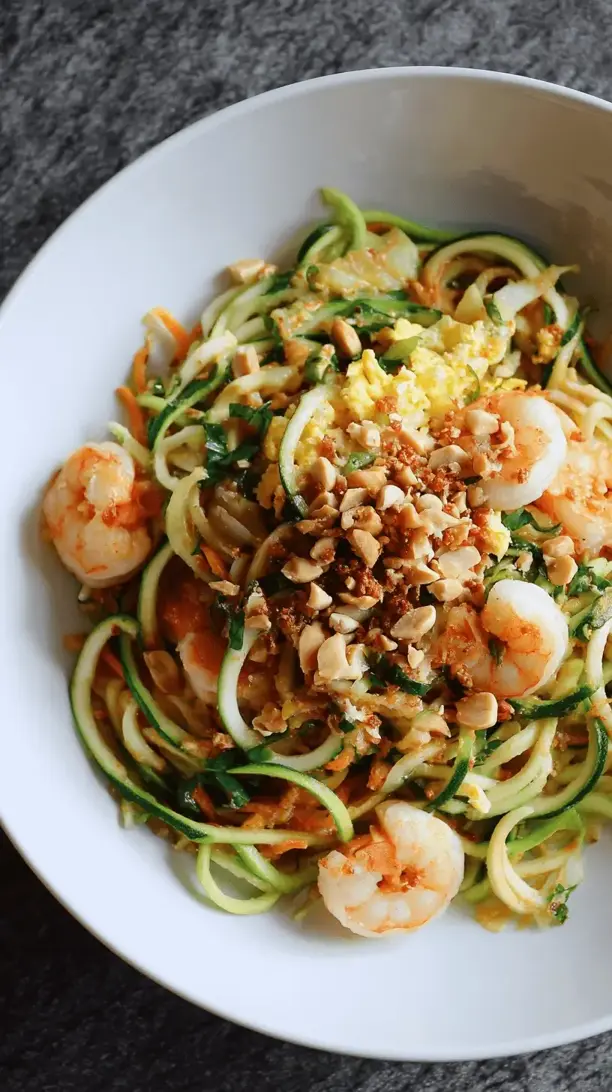

Why You’ll Love This Red Lentil Pasta Primavera
- It’s a true one-pot wonder. Well, almost! The pasta and sauce come together in a way that minimizes dishes, which, let’s be honest, is a huge win on any night of the week. You’ll really appreciate the streamlined process.
- The texture is absolutely fantastic. The red lentil pasta has a delightful, slightly firm bite that stands up to the vegetables, and the creamy sauce—made without heavy cream—is surprisingly lush and velvety. It’s a seriously satisfying combo.
- It’s endlessly adaptable. Got zucchini? Toss it in. No peas? Use green beans. This recipe is a fantastic template for using whatever spring or summer veggies you have on hand. It’s your canvas.
- It feels light yet completely fulfilling. Thanks to the protein and fiber in the lentil pasta, this dish keeps you full and energized without that overly-stuffed feeling. It’s a balanced meal that truly satisfies.
Ingredients & Tools
- 225 g red lentil pasta (or one standard box)
- 2 tbsp olive oil, divided
- 1 small yellow onion, finely diced
- 3 cloves garlic, minced
- 1 medium carrot, julienned or thinly sliced
- 1 bunch asparagus, woody ends trimmed, cut into 2-inch pieces
- 1 cup cherry or grape tomatoes, halved
- 1/2 cup frozen peas, thawed
- 1/2 cup vegetable broth
- 1/2 cup plain, unsweetened non-dairy milk (like almond or oat) or regular milk
- 2 tbsp nutritional yeast (or grated Parmesan cheese)
- 1 tsp dried Italian herbs
- 1 lemon, zest and juice
- 1/4 cup fresh basil, chopped, plus more for garnish
- Salt and freshly ground black pepper to taste
Tools: A large pot for boiling pasta, a large skillet or Dutch oven, a colander, a microplane or zester for the lemon.
The quality of your ingredients really shines here. Using a good, flavorful vegetable broth makes a difference in the sauce, and fresh, in-season vegetables will give you the best color and taste. A little goes a long way!
Serves: 4 | Prep Time: 15 minutes | Cook Time: 20 minutes | Total Time: 35 minutes
Before You Start: Tips & Ingredient Notes
- Don’t overcook the lentil pasta! Red lentil pasta can go from perfectly al dente to mushy surprisingly fast. The trick is to taste it a minute or two before the package instructions suggest. You want a firm bite.
- Prep all your veggies first. This recipe moves quickly once you start cooking. Having everything chopped and measured—a mise en place, if you will—makes the process smooth and stress-free. Honestly, it’s a game-changer.
- What is nutritional yeast? If you’re new to it, don’t be intimidated! It’s a deactivated yeast that adds a wonderful, cheesy, savory flavor to plant-based dishes. It’s a powerhouse for creating creamy, “cheesy” sauces without dairy.
- Zest your lemon before you juice it. This is just a simple, practical tip—it’s much easier to zest a whole, firm lemon than one you’ve already squeezed. The zest is where all that beautiful, fragrant citrus oil lives.
How to Make Red Lentil Pasta Primavera
Step 1: Cook the pasta. Bring a large pot of well-salted water to a rolling boil. Add the red lentil pasta and cook according to the package directions, but aim for al dente. Remember, it will continue to cook a little later in the sauce. Once done, reserve about a cup of the starchy pasta water, then drain the pasta. You’ll notice the pasta water is key—it’s our secret weapon for creating a silky sauce that clings perfectly.
Step 2: Sauté the aromatics. While the pasta cooks, heat one tablespoon of olive oil in a large skillet or Dutch oven over medium heat. Add the diced onion and a pinch of salt, and cook until softened and translucent, about 4-5 minutes. Add the minced garlic and cook for just another minute until fragrant—you don’t want it to brown. That beautiful aroma is your signal to move on.
Step 3: Cook the harder vegetables. To the skillet, add the carrot and asparagus. Sauté for about 4-5 minutes, until the asparagus is bright green and tender-crisp. You want to keep a nice bite here; they’ll soften a touch more in the sauce. The color should be vibrant and inviting.
Step 4: Create the creamy sauce. Push the vegetables to the side of the skillet. Pour in the vegetable broth and non-dairy milk, and then whisk in the nutritional yeast (or Parmesan) and dried Italian herbs. Let the mixture come to a gentle simmer. You’ll see it start to thicken slightly almost immediately. The sauce should look cohesive and creamy.
Step 5: Combine everything. Reduce the heat to low. Add the drained pasta, halved cherry tomatoes, and thawed peas to the skillet. Toss everything gently to coat in the sauce. If the sauce seems too thick, add a splash of the reserved pasta water, a little at a time, until it reaches a lovely, loose consistency that coats the back of a spoon.
Step 6: The finishing touches. Turn off the heat. Stir in the remaining tablespoon of olive oil, the fresh lemon juice, half of the lemon zest, and the chopped basil. Give it one final, gentle toss. Taste and season generously with salt and black pepper. This is where the dish truly comes to life—the lemon and basil add a fresh, bright pop that cuts through the creaminess perfectly.
Step 7: Serve immediately. Divide the pasta among bowls. Garnish with extra fresh basil, the remaining lemon zest, and a crack of black pepper. The warmth of the pasta will wilt the basil just slightly, releasing its incredible fragrance. Dive in while it’s hot!
Serving Suggestions
Complementary Dishes
- A simple arugula salad with a lemon vinaigrette — The peppery arugula provides a crisp, refreshing contrast to the creamy pasta, and the lemon ties both dishes together beautifully.
- Garlic bread with a sprinkle of herbs — For those who want a little extra carb-y comfort, there’s nothing better for soaking up every last bit of that delicious sauce.
- Grilled lemon chicken or crispy tofu — If you’re looking to add more protein, a simply seasoned grilled protein on the side makes this a heartier feast without complicating the flavors.
Drinks
- A crisp Sauvignon Blanc or Pinot Grigio — The bright acidity and citrus notes in these wines mirror the lemon in the pasta, creating a really harmonious pairing that cleanses the palate.
- A sparkling water with lemon and mint — A non-alcoholic option that’s just as refreshing. The bubbles and herbs enhance the light, spring-like feel of the meal perfectly.
- A light, citrusy pale ale — The hoppy bitterness can stand up to the savory notes of the nutritional yeast and garlic, making for a surprisingly delightful combination.
Something Sweet
- Lemon sorbet with fresh berries — Continuing the citrus theme, a scoop of tangy sorbet with sweet, ripe berries is a light and palate-cleansing way to end the meal on a bright note.
- Almond biscotti for dipping — Something simple and not too sweet that you can nibble on with a cup of coffee or tea. The nuttiness is a lovely finish.
- A small square of dark chocolate — Honestly, sometimes a little bit of rich, high-quality dark chocolate is all you need after a satisfying meal like this.
Top Mistakes to Avoid
- Mistake: Overcooking the vegetables. Soggy, grey vegetables will ruin the vibrant spirit of this dish. You want them tender-crisp to maintain texture and color. I’ve messed this up before too, rushing the process—it’s worth taking the time to sauté them just right.
- Mistake: Skipping the pasta water. That starchy, salty water is magic. It helps emulsify the sauce, making it silky and helping it stick to the pasta. Using plain water just won’t give you the same restaurant-quality result.
- Mistake: Adding the lemon juice too early. If you add the lemon juice while the sauce is still actively cooking over heat, the acidity can cause the non-dairy milk to curdle or separate. Always add it off the heat at the very end.
- Mistake: Not seasoning in layers. Season the water for the pasta, season the onions as they cook, and then season again at the end. Building layers of salt as you go ensures every component is perfectly seasoned.
Expert Tips
- Tip: Toast the dried herbs. Before adding the liquids, sprinkle the dried Italian herbs into the hot pan with the vegetables for about 30 seconds. This quick toasting wakes up their essential oils and gives you a much deeper, more aromatic flavor.
- Tip: Blanch the asparagus for extra brightness. For an even more vibrant green color on your asparagus, you can quickly blanch the pieces in the boiling pasta water for 1 minute before sautéing. Just scoop them out with a slotted spoon before adding the pasta.
- Tip: Make it a cold pasta salad. This dish is fantastic served cold the next day! Let it cool completely, then chill. The flavors meld together beautifully. You might want to add a tiny splash of olive oil or lemon juice before serving to refresh it.
- Tip: Grate the carrot for a quicker cook. If you’re short on time or prefer a more integrated carrot flavor, use the large holes of a box grater. The finer pieces will cook almost instantly with the asparagus.
FAQs
Can I use a different type of pasta?
Absolutely! Any short pasta will work well—regular wheat pasta, chickpea pasta, or even whole wheat. Just adjust the cooking time according to the package directions. The sauce is quite versatile. If using a gluten-free pasta that isn’t lentil-based, just be aware it might not hold the sauce in *quite* the same way, but it will still be delicious.
How do I store and reheat leftovers?
Store leftovers in an airtight container in the refrigerator for up to 3 days. To reheat, gently warm it in a skillet over low heat with a tiny splash of water, broth, or non-dairy milk to loosen the sauce back up. The microwave works too, but it can make the pasta a bit soft. I’d really recommend the stovetop for best results.
My sauce seems too thin. What did I do wrong?
Don’t worry, this is an easy fix! Let the pasta and sauce sit in the warm pan for a minute or two off the heat—the starches will continue to thicken it. If it’s still too thin, you can create a quick slurry by mixing a teaspoon of cornstarch with a tablespoon of cold water and stirring it in, then heating gently until thickened.
Can I make this dish ahead of time?
You can prep the components ahead to save time. Chop all the vegetables and store them in containers in the fridge. You can even mix the sauce ingredients (broth, milk, nutritional yeast, herbs) in a jar. When ready to eat, just cook the pasta and follow the steps—it’ll come together in a flash. I wouldn’t recommend cooking the entire dish too far in advance, as the pasta will continue to absorb the sauce.
Is there a substitute for nutritional yeast?
Yes! If you’re not avoiding dairy, grated Parmesan cheese is the most direct substitute—use about 1/4 to 1/3 cup. For a dairy-free alternative that isn’t nutritional yeast, a tablespoon of white miso paste can add a lovely umami depth, though the flavor profile will be different. You might need to reduce the salt elsewhere if using miso.

Red Lentil Pasta Primavera
Whip up my vibrant Red Lentil Pasta Primavera in just 35 minutes! A healthy, creamy, & protein-packed weeknight meal bursting with spring veggies. So easy & delicious!
Ingredients
Ingredients
-
225 g red lentil pasta (or one standard box)
-
2 tbsp olive oil (divided)
-
1 small yellow onion (finely diced)
-
3 cloves garlic (minced)
-
1 medium carrot (julienned or thinly sliced)
-
1 bunch asparagus (woody ends trimmed, cut into 2-inch pieces)
-
1 cup cherry or grape tomatoes (halved)
-
1/2 cup frozen peas (thawed)
-
1/2 cup vegetable broth
-
1/2 cup plain, unsweetened non-dairy milk (like almond or oat or regular milk)
-
2 tbsp nutritional yeast (or grated Parmesan cheese)
-
1 tsp dried Italian herbs
-
1 lemon (zest and juice)
-
1/4 cup fresh basil (chopped, plus more for garnish)
-
Salt and freshly ground black pepper (to taste)
Instructions
-
Cook the pasta. Bring a large pot of well-salted water to a rolling boil. Add the red lentil pasta and cook according to the package directions, but aim for al dente. Remember, it will continue to cook a little later in the sauce. Once done, reserve about a cup of the starchy pasta water, then drain the pasta.01
-
Sauté the aromatics. While the pasta cooks, heat one tablespoon of olive oil in a large skillet or Dutch oven over medium heat. Add the diced onion and a pinch of salt, and cook until softened and translucent, about 4-5 minutes. Add the minced garlic and cook for just another minute until fragrant—you don't want it to brown.02
-
Cook the harder vegetables. To the skillet, add the carrot and asparagus. Sauté for about 4-5 minutes, until the asparagus is bright green and tender-crisp. You want to keep a nice bite here; they'll soften a touch more in the sauce.03
-
Create the creamy sauce. Push the vegetables to the side of the skillet. Pour in the vegetable broth and non-dairy milk, and then whisk in the nutritional yeast (or Parmesan) and dried Italian herbs. Let the mixture come to a gentle simmer. You'll see it start to thicken slightly almost immediately.04
-
Combine everything. Reduce the heat to low. Add the drained pasta, halved cherry tomatoes, and thawed peas to the skillet. Toss everything gently to coat in the sauce. If the sauce seems too thick, add a splash of the reserved pasta water, a little at a time, until it reaches a lovely, loose consistency that coats the back of a spoon.05
-
The finishing touches. Turn off the heat. Stir in the remaining tablespoon of olive oil, the fresh lemon juice, half of the lemon zest, and the chopped basil. Give it one final, gentle toss. Taste and season generously with salt and black pepper.06
-
Serve immediately. Divide the pasta among bowls. Garnish with extra fresh basil, the remaining lemon zest, and a crack of black pepper.07