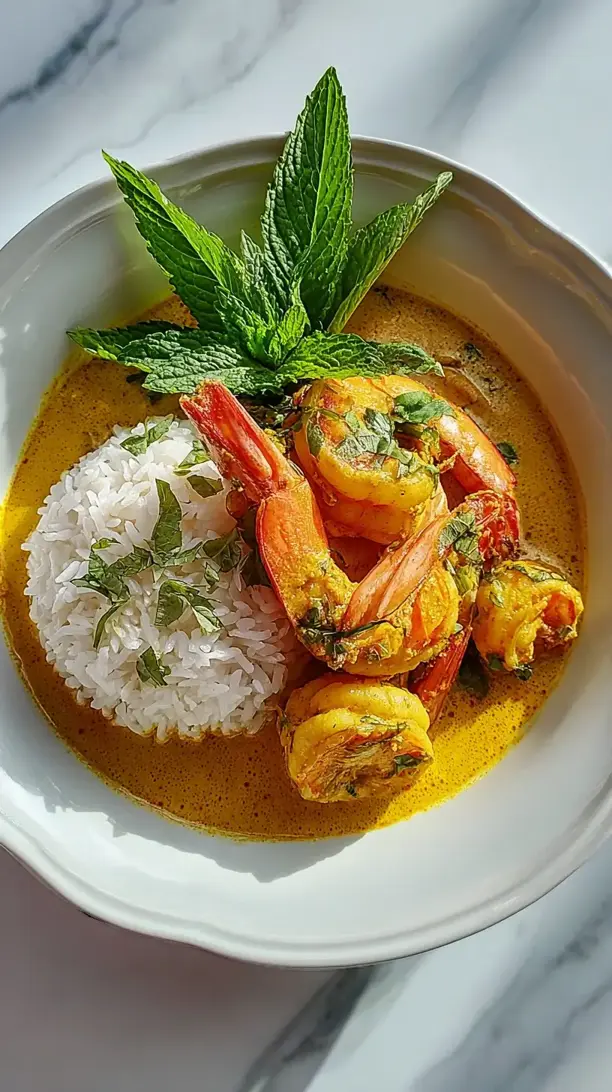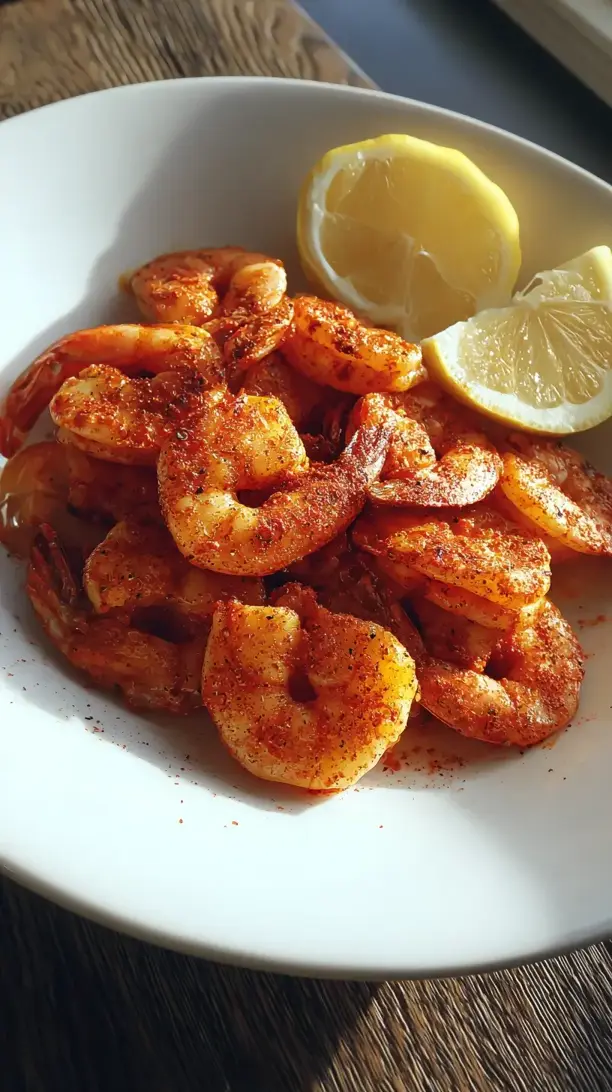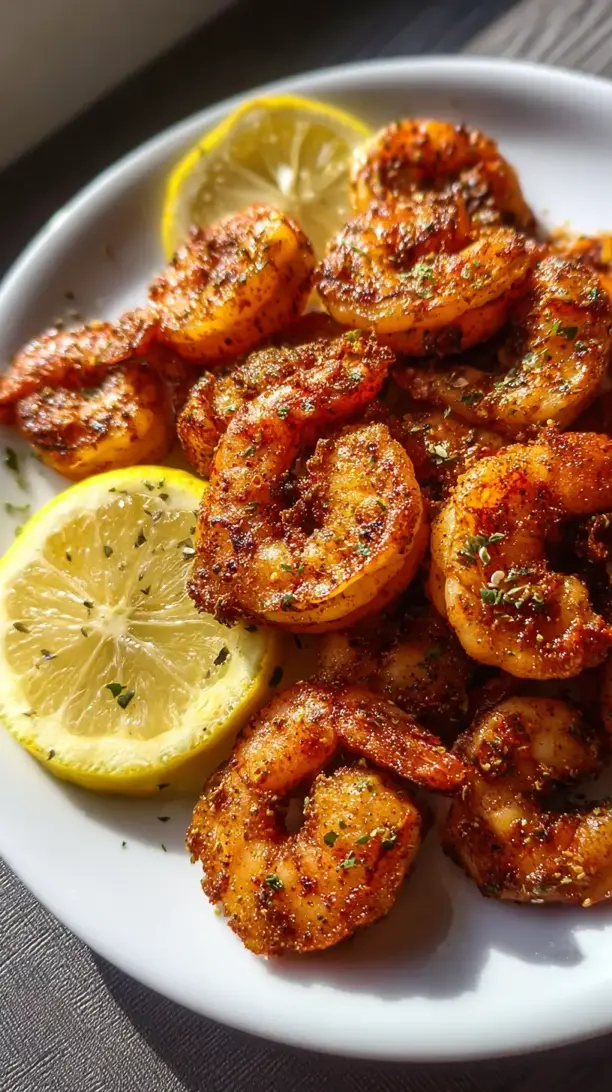

Why You’ll Love This Red Curry Shrimp
- Fast & Easy: Ready in about 20 minutes of active cooking.
- Complex Flavor, Simple Process: Restaurant-quality depth without complicated techniques.
- Wonderfully Adaptable: Swap shrimp for chicken, tofu, or extra vegetables.
- Fantastic Leftovers: Flavors meld overnight and reheat beautifully.
Ingredients & Tools
- 1 lb (450 g) large raw shrimp, peeled and deveined
- 2 tbsp vegetable or coconut oil
- 1 medium onion, thinly sliced
- 1 red bell pepper, sliced into strips
- 3-4 tbsp Thai red curry paste
- 2 cloves garlic, minced
- 1 tbsp fresh ginger, grated
- 1 can (13.5 oz / 400 ml) full-fat coconut milk
- 1 tbsp fish sauce
- 1 tsp brown sugar or palm sugar
- Juice of 1 lime
- ¼ cup fresh Thai basil or regular basil leaves
- Salt to taste
Tools: A large skillet or wok, a wooden spoon or spatula, and a microplane or fine grater for the ginger.
Notes: Don’t skip the fresh lime juice and basil at the end — they’re essential for balancing the rich, creamy sauce. Using full-fat coconut milk is key for that luxurious texture.
Nutrition (per serving)
| Calories: | 320 kcal |
| Protein: | 25 g |
| Fat: | 20 g |
| Carbs: | 12 g |
| Fiber: | 2 g |
Serves: 4 | Prep Time: 10 minutes | Cook Time: 15 minutes | Total Time: 25 minutes
Before You Start: Tips & Ingredient Notes
- Get your mise en place ready. This recipe moves quickly once you start cooking. Having all your ingredients prepped and within arm’s reach makes the process smooth and stress-free.
- What kind of shrimp should I use? I recommend large (26/30 count) raw shrimp that are peeled and deveined, with the tails on or off based on your preference. Thaw frozen shrimp completely in the fridge before using and pat them very dry — this helps them sear nicely instead of steaming.
- Choosing your red curry paste. This is the flavor powerhouse! Brands can vary wildly in heat and saltiness. Mae Ploy and Thai Kitchen are widely available. Start with 3 tablespoons and taste before adding more — you can always increase the heat but you can’t take it away.
- Don’t shake the coconut milk can. When you open it, you’ll often find a thick, creamy layer at the top. We’ll use this rich part to fry the curry paste initially, which unlocks its full aromatic potential.
How to Make Red Curry Shrimp
Step 1: Start by prepping your shrimp. Make sure they are thoroughly patted dry with paper towels. This is a small step, but it’s crucial for getting a nice sear on the shrimp rather than having them boil in their own moisture. Season them lightly with a pinch of salt. Slice your onion and bell pepper into thin, even strips so they cook quickly and evenly.
Step 2: Heat a large skillet or wok over medium-high heat. Add the oil. Once the oil is shimmering, add the shrimp in a single layer. You’ll hear a satisfying sizzle. Cook for just about 1-2 minutes per side, until they’re pink and opaque but still a little underdone in the very center. They’ll finish cooking later in the sauce. Quickly remove them from the pan and set them aside on a plate.
Step 3: Reduce the heat to medium. In the same skillet, add the sliced onion and bell pepper. Sauté for 3-4 minutes, stirring occasionally, until they just begin to soften but still have a bit of crunch. You’ll notice the onions becoming translucent at the edges. Now, push the vegetables to one side of the pan.
Step 4: This is the most important step for building flavor. Scoop out the thick cream from the top of your coconut milk can and add it to the empty space in the skillet. Let it heat for 30 seconds, then add the red curry paste, minced garlic, and grated ginger. Fry this mixture for 2-3 minutes, stirring constantly. You’re looking for the paste to become fragrant and the oil may start to separate slightly around the edges — that’s exactly what you want. This process, called “cracking” the coconut cream, deepens the flavor immensely.
Step 5: Now, pour in the remaining coconut milk from the can, along with the fish sauce and brown sugar. Use your spoon to scrape up any browned bits from the bottom of the pan — that’s pure flavor! Stir everything together until the sauce is smooth and homogenous. Let it simmer gently for about 3-4 minutes to allow the flavors to meld.
Step 6: Return the partially cooked shrimp and any accumulated juices back to the skillet. Gently stir to coat them in the sauce. Let them cook in the simmering sauce for another 1-2 minutes, just until they are fully cooked through and firm to the touch. Be careful not to overcook them at this stage, or they can become rubbery.
Step 7: Turn off the heat. Now, stir in the fresh lime juice and most of the basil leaves, reserving a few for garnish. The lime juice will brighten the entire dish and cut through the richness of the coconut milk. Taste the sauce and adjust the seasoning if needed — you might want a pinch more salt, another squeeze of lime, or even a tiny bit more sugar to balance the heat.
Storage & Freshness Guide
- Fridge: Store in an airtight container for up to 2 days.
- Freezer: Not recommended; shrimp and coconut texture can become grainy.
- Reviving: Reheat gently on the stovetop over low heat.
Serving Suggestions
Complementary Dishes
- Jasmine Rice — The fluffy, slightly sticky grains are the perfect neutral base to soak up every last drop of the incredible curry sauce.
- Simple Cucumber Salad — Thinly sliced cucumbers with a quick dressing of rice vinegar, sugar, and chili flakes provides a cool, crisp, and refreshing contrast to the spicy, warm curry.
Drinks
- A Crisp Lager or Pale Ale — The cold, bubbly beer helps cleanse the palate between bites and its slight bitterness balances the spice and richness beautifully.
- Thai Iced Tea — If you’re going all out, the sweet, creamy, and spiced notes of this classic drink are a match made in heaven with the curry’s flavors.
Something Sweet
- Mango with Sticky Rice — This iconic Thai dessert continues the tropical theme. The sweet, creamy mango and chewy coconut rice are the perfect, satisfying end to the meal.
- Coconut Ice Cream — A simple scoop of high-quality coconut ice cream is cool, creamy, and echoes the coconut in the curry without being overly heavy.
Top Mistakes to Avoid
- Overcooking the shrimp. Shrimp cook in a flash and become tough and rubbery if left on the heat too long. That’s why we parcook them first and only finish them in the sauce at the end. They should be just opaque and firm.
- Not frying the curry paste. If you just stir the curry paste into the liquid, you’ll miss out on layers of deep, toasty flavor. Taking the time to fry it in the coconut cream is non-negotiable for the best taste.
- Using light coconut milk. I know, it’s tempting to save a few calories, but the sauce will be thin and lack that luxurious, creamy body. The richness of full-fat coconut milk is what makes this curry so indulgent.
- Adding the lime juice while cooking. The high heat will dull the bright, acidic punch of the lime. Always stir it in at the very end, right before serving, to preserve its vibrant flavor.
Expert Tips
- Tip: For an extra layer of flavor, add a teaspoon of makrut lime leaf powder or a few torn fresh leaves with the curry paste. The citrusy, floral aroma is uniquely Thai and absolutely incredible.
- Tip: If your sauce is too thin for your liking, let it simmer for a few extra minutes to reduce and thicken before adding the shrimp back in. If it’s too thick, just splash in a little water or chicken broth until it reaches your desired consistency.
- Tip: To make this dish ahead, prepare the entire curry base (through Step 5) and store it in the fridge. When ready to serve, gently reheat the base, then cook your fresh shrimp directly in the hot sauce. This prevents the shrimp from being reheated and overcooked.
- Tip: For a vegetable-packed version, try adding sliced bamboo shoots, Thai eggplant, or green beans along with the bell peppers. Just adjust the cooking time slightly if using harder vegetables.
FAQs
Can I make this Red Curry Shrimp with chicken instead?
Absolutely! The method is almost identical. Just use bite-sized pieces of boneless, skinless chicken thigh or breast. You’ll need to cook the chicken through completely in the pan before removing it — that might take 5-7 minutes depending on the size. Then proceed with the recipe as written, adding the cooked chicken back at the end to warm through. Thigh meat is especially good here as it stays juicier.
My curry turned out too spicy! How can I fix it?
It happens to the best of us! The easiest fix is to stir in a bit more coconut milk or a splash of heavy cream to mellow the heat. Adding a touch more brown sugar or even a tablespoon of peanut butter can also help balance the spiciness with sweetness and richness. Next time, remember to start with less curry paste and taste as you go.
Is there a substitute for fish sauce?
If you don’t have fish sauce or need a vegetarian option, you can use soy sauce or tamari. The flavor profile will be slightly different — less funky and more purely salty — but it will still be delicious. You could also use a vegan fish sauce alternative, which is often made from seaweed and mushrooms.
How long do leftovers last in the fridge?
Store any leftovers in an airtight container in the refrigerator for up to 2 days. The shrimp will soften a bit upon reheating, but the flavors will be even more developed. Reheat gently on the stovetop over low heat to avoid overcooking the shrimp further. I don’t recommend freezing this dish, as the texture of the shrimp and coconut milk can become grainy.
Can I use frozen shrimp directly in the curry?
I don’t recommend it. Frozen shrimp will release a lot of water as they cook, which will dilute your beautiful curry sauce and prevent the shrimp from getting a nice sear. Always thaw frozen shrimp completely in the refrigerator overnight, then pat them very dry with paper towels before cooking.
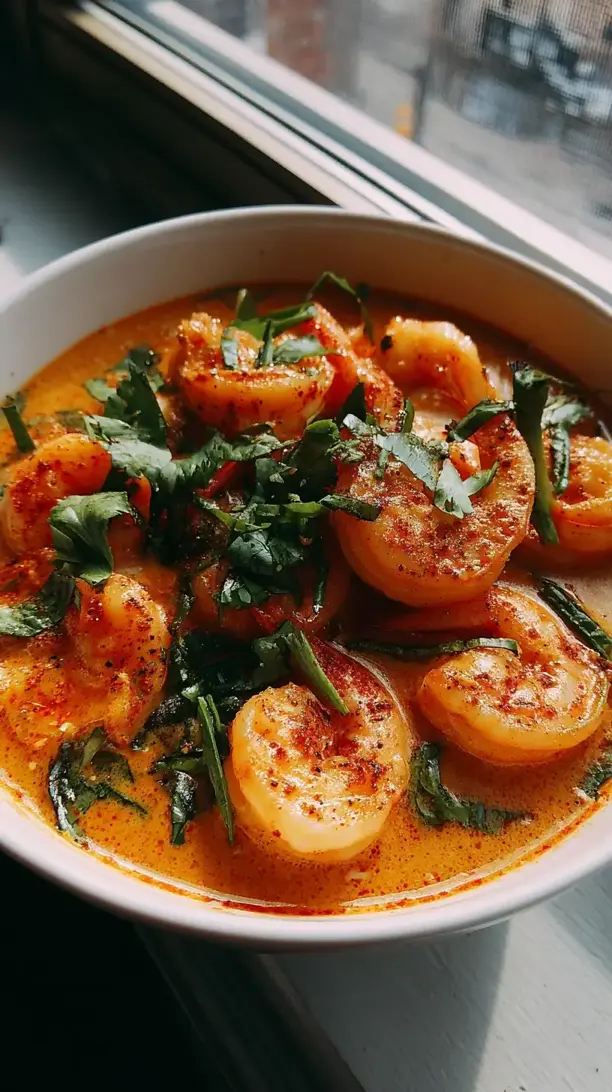
Red Curry Shrimp
Make restaurant-quality Red Curry Shrimp at home in just 25 minutes! This easy, flavorful recipe features tender shrimp in a creamy coconut sauce. Get the recipe now!
Ingredients
For the Ingredients
-
1 lb large raw shrimp (peeled and deveined)
-
2 tbsp vegetable or coconut oil
-
1 medium onion (thinly sliced)
-
1 red bell pepper (sliced into strips)
-
3-4 tbsp Thai red curry paste
-
2 cloves garlic (minced)
-
1 tbsp fresh ginger (grated)
-
1 can full-fat coconut milk (13.5 oz / 400 ml)
-
1 tbsp fish sauce
-
1 tsp brown sugar or palm sugar
-
1 lime (juice of)
-
¼ cup fresh Thai basil or regular basil leaves
-
Salt (to taste)