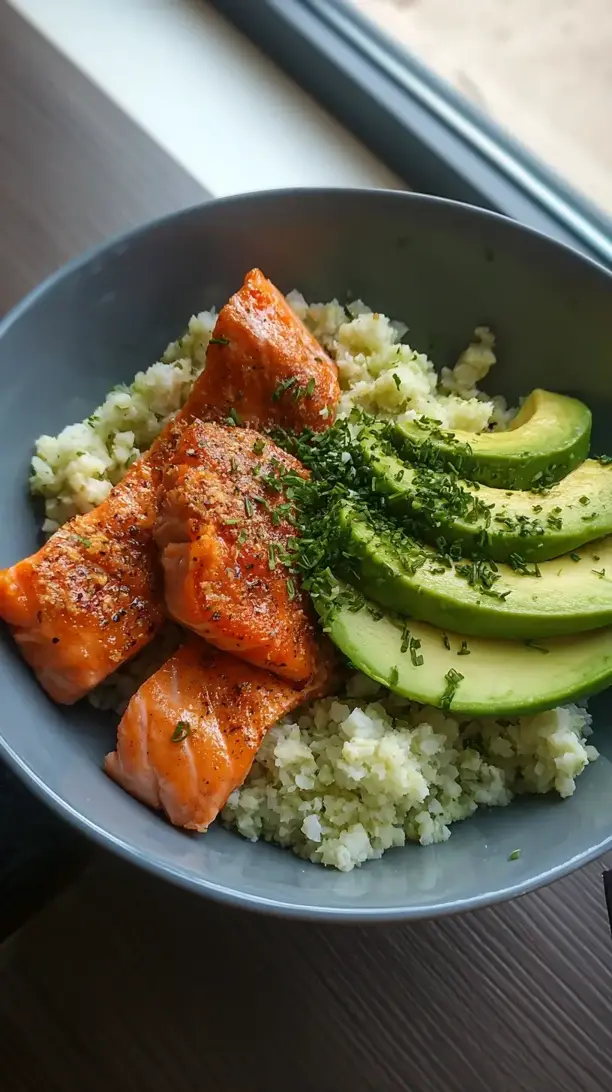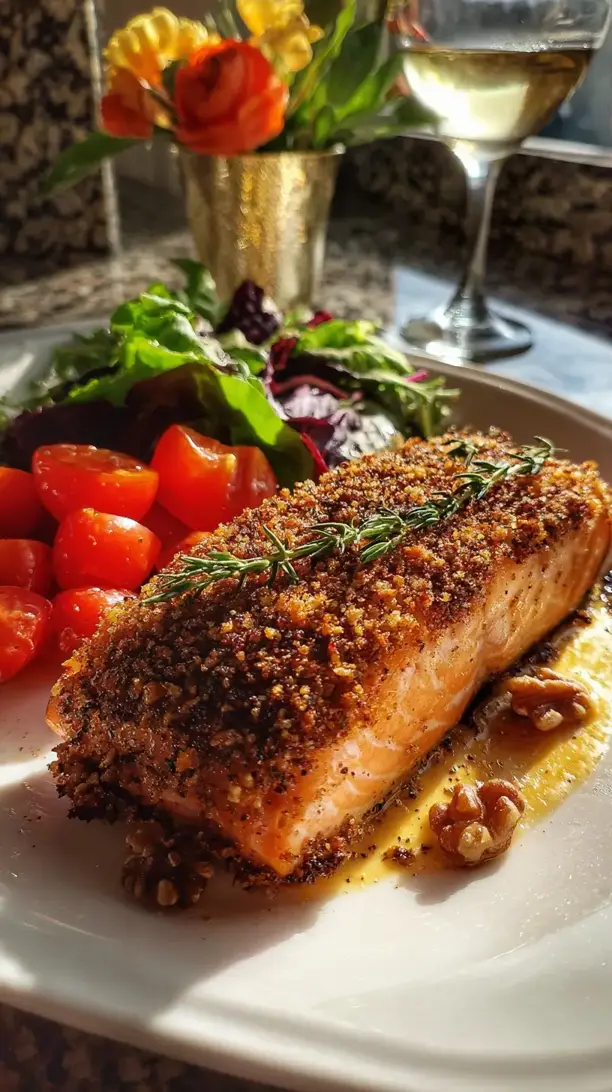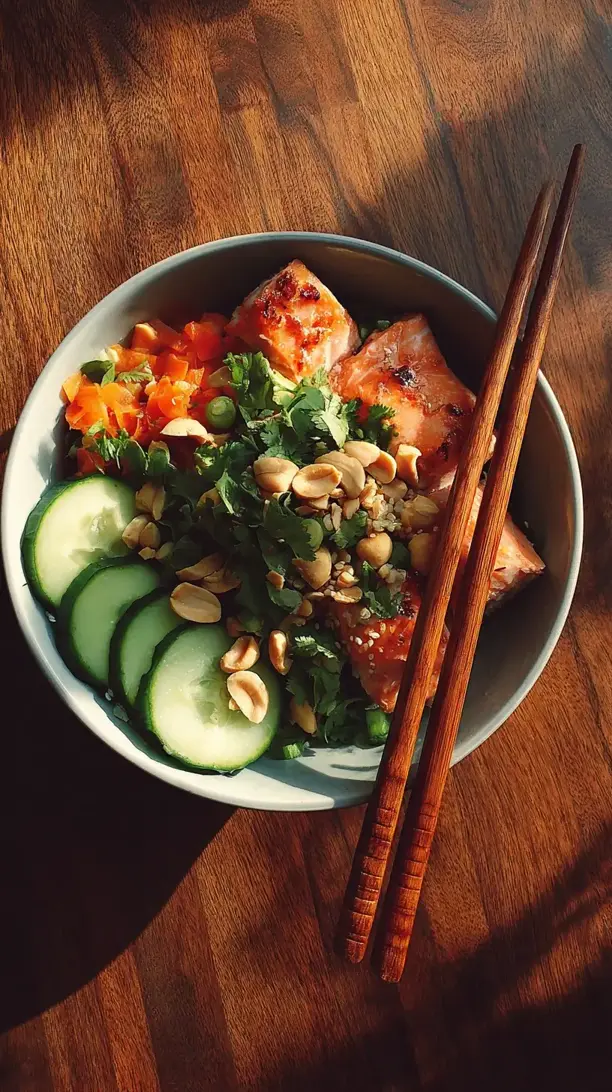

This Red Curry Salmon recipe delivers restaurant-quality flavor in just 20 minutes. Tender salmon simmers in a creamy coconut broth fragrant with lemongrass, ginger, and lime. It’s an adaptable weeknight hero that’s sure to impress.
Why You’ll Love This Red Curry Salmon
- Fast & fuss-free: Ready in 20 minutes with minimal cleanup.
- Perfect flavor balance: Creamy, spicy, sweet, and tangy all at once.
- Wonderfully adaptable: Easily adjust heat or add your favorite veggies.
- Luxurious yet affordable: Tastes fancy without the high price tag.
Ingredients & Tools
- 4 salmon fillets (about 150–180 g each), skin on or off
- 1 tbsp vegetable or coconut oil
- 3 tbsp Thai red curry paste
- 1 can (400 ml) full-fat coconut milk
- 1 tbsp fish sauce
- 1 tsp brown sugar or palm sugar
- 1 stalk lemongrass, bruised (or 1 tbsp prepared lemongrass paste)
- 1-inch piece ginger, thinly sliced
- 1 lime, juiced (plus wedges for serving)
- 2–3 kaffir lime leaves (optional, but lovely)
- ¼ cup fresh basil or cilantro, for garnish
- 1 red chili, sliced, for garnish (optional)
Tools: Large skillet or wide saucepan with a lid, wooden spoon or spatula, measuring spoons.
Notes: Full-fat coconut milk gives the curry a luxuriously creamy body. Don’t skip the fresh lime juice at the end—it wakes up all the flavors.
Nutrition (per serving)
| Calories: | 420 kcal |
| Protein: | 35 g |
| Fat: | 28 g |
| Carbs: | 8 g |
| Fiber: | 1 g |
Serves: 4 | Prep Time: 5 minutes | Cook Time: 15 minutes | Total Time: 20 minutes
Before You Start: Tips & Ingredient Notes
- Choosing your salmon. I prefer skin-on fillets for this recipe, as the skin helps the salmon hold its shape during cooking. You can easily remove it after cooking if you prefer. Look for fillets that are of even thickness so they cook at the same rate.
- Red curry paste is not all created equal. Different brands vary wildly in heat and saltiness. I usually start with 3 tablespoons of a medium-spice paste like Mae Ploy or Thai Kitchen, but if you’re using a very spicy one, you might want to begin with 2 tablespoons and taste as you go.
- Don’t shake the coconut milk can! For the creamiest, richest curry, open the can without shaking it. Scoop out the thick cream that has risen to the top to fry with the curry paste—this is the secret to a deeply flavorful base.
- How to bruise lemongrass. If using a fresh stalk, trim the woody end and the tough top, then use the back of your knife to whack it a few times along its length. This releases all those incredible citrusy oils into the curry.
How to Make Red Curry Salmon
Step 1: Pat the salmon fillets completely dry with paper towels and season both sides lightly with a pinch of salt. This is a small step, but it’s crucial for getting a nice sear and preventing the fish from steaming. Meanwhile, have all your other ingredients measured and ready to go—curry cooking moves quickly once you start!
Step 2: Heat the oil in your large skillet over medium-high heat. When the oil is shimmering, place the salmon fillets in the pan, presentation-side down (the side that didn’t have the skin). Sear for about 2–3 minutes, until you get a beautiful golden-brown crust. You don’t need to cook them through—just sear that one side. Remove the salmon to a plate and set aside.
Step 3: Reduce the heat to medium. If you didn’t shake your coconut milk, scoop out about 3 tablespoons of the thick cream from the top of the can and add it to the skillet. If you did shake it, just use 3 tablespoons of the coconut milk. Add the red curry paste to the skillet and cook, stirring constantly, for 1–2 minutes. You’ll notice the paste becoming fragrant and the oil might start to separate a little—this is exactly what you want! It toasts the spices and deepens the flavor.
Step 4: Pour in the rest of the coconut milk, along with the fish sauce, brown sugar, bruised lemongrass stalk, ginger slices, and kaffir lime leaves if using. Use your spoon to scrape up any browned bits from the bottom of the pan—that’s pure flavor! Bring the sauce to a gentle simmer, stirring to dissolve the sugar and combine everything.
Step 5: Carefully place the seared salmon fillets back into the skillet, seared-side up, nestling them into the sauce. The sauce should come about halfway up the sides of the fillets. Reduce the heat to low, cover the skillet with a lid, and let it simmer gently for 6–8 minutes. The exact time will depend on the thickness of your fillets. The salmon is done when it flakes easily with a fork and is just opaque all the way through.
Step 6: Turn off the heat. Remove the lemongrass, ginger slices, and kaffir lime leaves if you can find them. Drizzle the fresh lime juice all over the curry and gently swirl the pan to incorporate it. Taste the sauce—this is your final chance to adjust the seasoning. You might want a touch more fish sauce for saltiness, a pinch more sugar for balance, or another squeeze of lime for acidity.
Step 7: To serve, spoon a generous amount of the curry sauce into shallow bowls, top with a salmon fillet, and garnish with fresh basil or cilantro and sliced red chili for a bit of color and extra heat. Don’t forget a lime wedge on the side for that final, fresh squeeze.
Storage & Freshness Guide
- Fridge: Store leftovers in an airtight container for up to 2 days.
- Freezer: Not recommended; the coconut sauce may separate upon thawing.
- Reviving: Gently reheat in a skillet with a splash of water or coconut milk.
Serving Suggestions
Complementary Dishes
- Jasmine rice — The fluffy, slightly sticky grains are perfect for soaking up every last drop of that incredible coconut curry sauce. It’s the classic, can’t-go-wrong pairing.
- Quick-pickled vegetables — A tangy, crunchy slaw of thinly sliced cucumber, carrot, and red onion quick-pickled in rice vinegar and sugar provides a bright, refreshing contrast to the rich, creamy curry.
- Steamed bok choy or broccoli — A simple side of steamed greens adds a lovely textural element and makes the meal feel beautifully balanced and complete.
Drinks
- A crisp, hoppy IPA — The bitterness and citrus notes in a good IPA cut beautifully through the richness of the coconut milk and stand up to the spice of the curry.
- Off-dry Riesling — A slightly sweet white wine with bright acidity is a fantastic partner, as its sweetness tames the heat while its crispness cleanses the palate.
- Thai iced tea — For a non-alcoholic option, the sweet, creamy, and spiced flavors of this classic drink are a delightful and thematic pairing that cools the palate.
Something Sweet
- Mango with sticky rice — It’s the quintessential Thai dessert for a reason. The sweet, creamy mango and chewy, coconut-infused rice are the perfect, refreshing end to a spicy meal.
- Coconut ice cream — A simple scoop of rich, creamy coconut ice cream continues the tropical theme and provides a cool, soothing finish that’s incredibly satisfying.
- Lychee fruit — Chilled, fresh lychees from a can are an effortlessly elegant and light dessert. Their floral sweetness and juicy texture are a lovely, simple way to end the meal.
Top Mistakes to Avoid
- Mistake: Overcooking the salmon. Salmon continues to cook even after you take it off the heat, so it’s better to err on the side of slightly underdone. You’re aiming for tender and flaky, not dry and chalky. I’ve messed this up before too—it’s a sad sight!
- Mistake: Not toasting the curry paste. If you just dump the curry paste into the liquid, you’ll miss out on so much depth of flavor. Taking that extra minute to fry it in the coconut cream is non-negotiable for a truly great curry.
- Mistake: Skipping the acid at the end. That final hit of fresh lime juice is what makes the flavors sing. Without it, the curry can taste a bit flat and one-dimensional. Don’t be tempted to add it during cooking, as the heat will dull its bright punch.
- Mistake: Using light coconut milk. I know it’s tempting for a lighter dish, but light coconut milk will make your curry taste thin and watery. The full-fat version gives it that luxurious, restaurant-quality body and richness.
Expert Tips
- Tip: For an extra layer of flavor, marinate the salmon. You can rub the fillets with a tablespoon of the curry paste and a squeeze of lime about 15–20 minutes before you start cooking. It gives the fish an even deeper color and flavor penetration.
- Tip: If your sauce is too thin, let it simmer uncovered for a few extra minutes after removing the salmon to allow it to reduce and thicken to your desired consistency. If it’s too thick, just stir in a splash of water or chicken broth.
- Tip: To make this a complete one-pan meal, add quick-cooking vegetables directly to the curry. Think sliced bell peppers, snap peas, or baby spinach. Add them when you return the salmon to the pan so they steam and become tender-crisp.
- Tip: For a super-silky sauce, you can blend it! After removing the salmon, carefully pour the sauce (minus the lemongrass and ginger) into a blender and blitz until smooth. Return it to the pan, add the salmon back to warm through, and serve. It’s a pro move for an ultra-elegant texture.
FAQs
Can I use a different type of fish?
Absolutely! Firm, meaty white fish like cod, halibut, or sea bass work wonderfully here. Just adjust the cooking time accordingly, as these types of fish may cook a minute or two faster than salmon. The key is to use a fish that won’t fall apart easily in the simmering sauce.
How do I store and reheat leftovers?
Store any leftover salmon and curry in an airtight container in the fridge for up to 2 days. To reheat, gently warm it in a skillet over low heat with a splash of water or coconut milk to loosen the sauce. Avoid the microwave if you can, as it can easily overcook the fish and make it rubbery.
My curry is too spicy! How can I fix it?
Don’t panic! The easiest fix is to stir in a bit more coconut milk or a teaspoon of brown sugar to balance the heat. Serving it with a generous dollop of plain yogurt or a side of cooling cucumber salad can also help tame the fire on your palate.
Can I make this dairy-free and gluten-free?
It’s naturally both! Just double-check your specific brand of red curry paste and fish sauce to ensure they don’t contain any hidden gluten or dairy ingredients. Most reputable Thai brands are safe, but it’s always good to check the label if you have dietary restrictions.
Is it okay to use frozen salmon?
Yes, but it’s crucial to thaw it completely in the refrigerator overnight first. Pat it very dry with paper towels before seasoning and searing. If you try to cook it from frozen, it will release a lot of water and steam rather than sear, resulting in a less flavorful dish and a watery sauce.

Red Curry Salmon
Make easy Red Curry Salmon in 20 minutes! Tender salmon in a creamy coconut curry sauce. A fast, flavorful weeknight dinner. Get the recipe now!
Ingredients
For the Ingredients & Tools
-
4 salmon fillets (about 150–180 g each, skin on or off)
-
1 tbsp vegetable or coconut oil
-
3 tbsp Thai red curry paste
-
1 can full-fat coconut milk (400 ml)
-
1 tbsp fish sauce
-
1 tsp brown sugar or palm sugar
-
1 stalk lemongrass (bruised (or 1 tbsp prepared lemongrass paste))
-
1 inch piece ginger (thinly sliced)
-
1 lime (juiced (plus wedges for serving))
-
2–3 kaffir lime leaves (optional, but lovely)
-
¼ cup fresh basil or cilantro (for garnish)
-
1 red chili (sliced, for garnish (optional))
Instructions
-
Pat the salmon fillets completely dry with paper towels and season both sides lightly with a pinch of salt.01
-
Heat the oil in your large skillet over medium-high heat. When the oil is shimmering, place the salmon fillets in the pan, presentation-side down (the side that didn’t have the skin). Sear for about 2–3 minutes, until you get a beautiful golden-brown crust. Remove the salmon to a plate and set aside.02
-
Reduce the heat to medium. If you didn't shake your coconut milk, scoop out about 3 tablespoons of the thick cream from the top of the can and add it to the skillet. If you did shake it, just use 3 tablespoons of the coconut milk. Add the red curry paste to the skillet and cook, stirring constantly, for 1–2 minutes.03
-
Pour in the rest of the coconut milk, along with the fish sauce, brown sugar, bruised lemongrass stalk, ginger slices, and kaffir lime leaves if using. Bring the sauce to a gentle simmer, stirring to dissolve the sugar and combine everything.04
-
Carefully place the seared salmon fillets back into the skillet, seared-side up, nestling them into the sauce. Reduce the heat to low, cover the skillet with a lid, and let it simmer gently for 6–8 minutes.05
-
Turn off the heat. Remove the lemongrass, ginger slices, and kaffir lime leaves if you can find them. Drizzle the fresh lime juice all over the curry and gently swirl the pan to incorporate it.06
-
To serve, spoon a generous amount of the curry sauce into shallow bowls, top with a salmon fillet, and garnish with fresh basil or cilantro and sliced red chili for a bit of color and extra heat.07