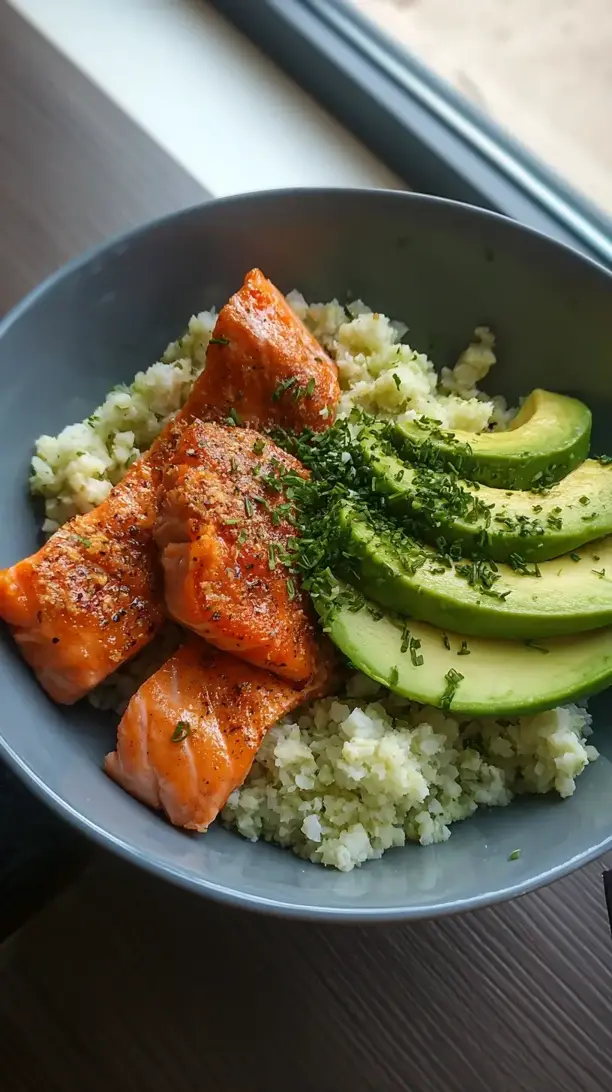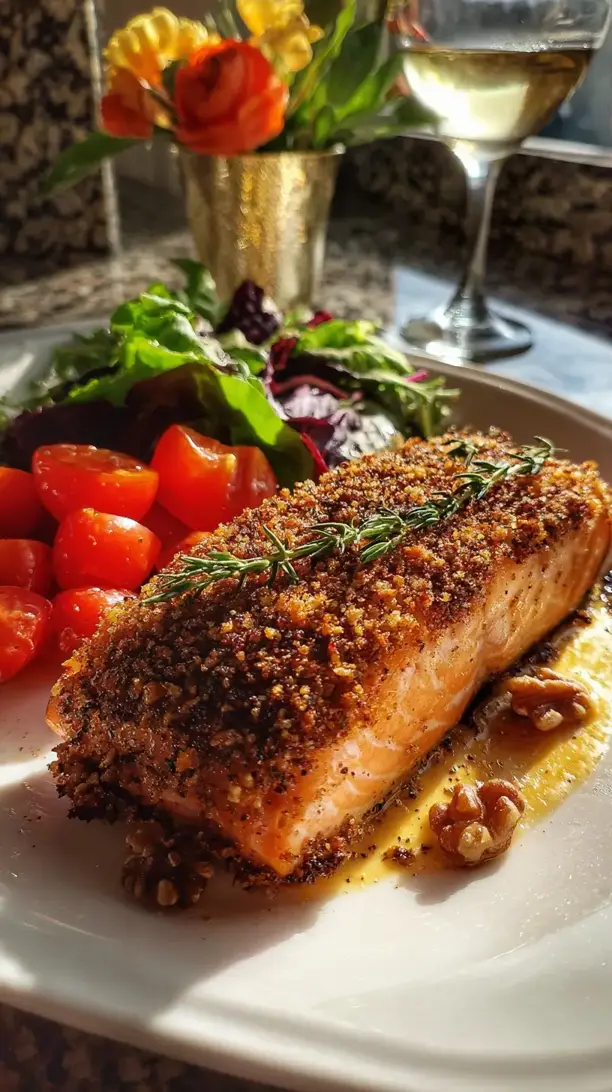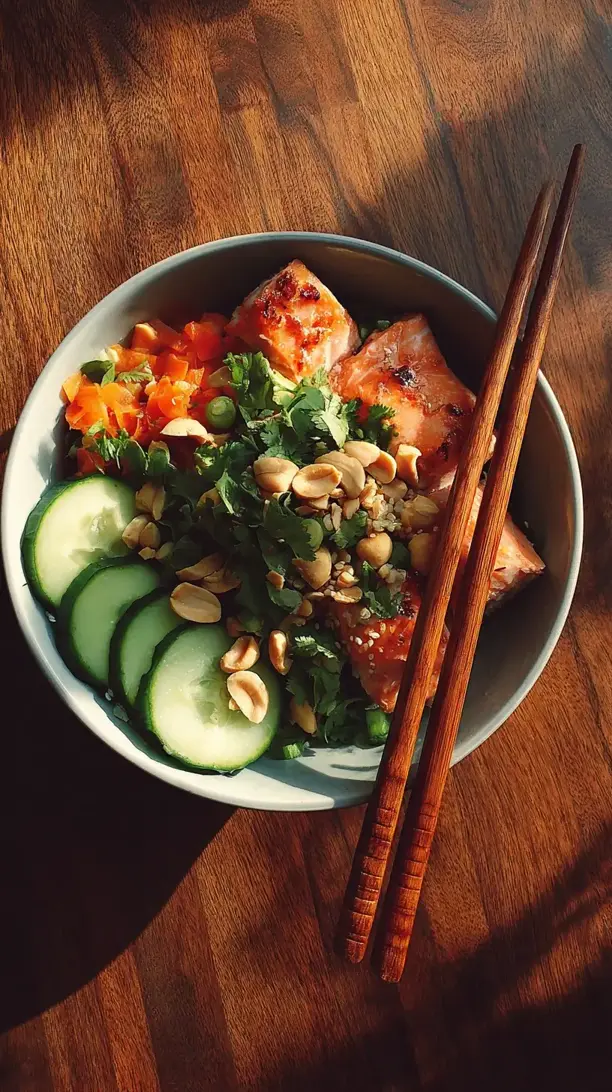

This ranch seasoned salmon delivers rich, buttery fish with a zesty herby crust in under 20 minutes. The ranch seasoning creates a savory, golden-brown crust that locks in moisture while adding familiar tang. It’s a quick, versatile weeknight meal that feels restaurant-worthy.
Why You’ll Love This Ranch Seasoned Salmon
- Quick & easy: Ready in under 20 minutes with minimal hands-on time.
- Savory balance: Ranch seasoning complements salmon’s richness without overpowering.
- Versatile meal: Equally great over greens or with mashed potatoes.
- Beautiful presentation: Golden-brown crust makes it look restaurant-worthy.
Ingredients & Tools
- 4 (6-ounce) salmon fillets, skin-on or skinless
- 2 tablespoons olive oil or avocado oil
- 1 packet (1 oz) dry ranch seasoning mix
- 1 tablespoon fresh lemon juice
- 1 teaspoon lemon zest (optional, for extra brightness)
- 2 tablespoons unsalted butter, cut into small pieces
- Fresh dill or parsley, for garnish
- Lemon wedges, for serving
Tools: A large oven-safe skillet (like cast iron or stainless steel), instant-read thermometer, microplane or zester (if using zest)
Notes: Use fresh, bright salmon fillets. A squeeze of fresh lemon at the end is essential for cutting through the richness.
Nutrition (per serving)
| Calories: | 320 kcal |
| Protein: | 35 g |
| Fat: | 19 g |
| Carbs: | 2 g |
| Fiber: | 0 g |
Serves: 4 | Prep Time: 5 minutes | Cook Time: 12 minutes | Total Time: 17 minutes
Before You Start: Tips & Ingredient Notes
- Pat your salmon completely dry. This is the secret to getting that gorgeous, crispy crust instead of a steamed texture. Use paper towels and press gently to remove all surface moisture.
- Bring the salmon to room temperature. Let the fillets sit out for about 15 minutes before cooking. A cold fillet going into a hot pan will cook unevenly, leading to an overcooked exterior and a raw center.
- Don’t be shy with the seasoning. You want a good, even coating of the ranch mix on all sides of the salmon. It might seem like a lot, but it forms the flavorful crust that makes this dish so special.
- Use an oven-safe skillet. We’re starting on the stovetop to sear the crust and finishing in the oven for gentle, even cooking. A cast-iron skillet is perfect for this job.
- Check for doneness with a thermometer. The visual “flaking” test can be unreliable. For perfectly moist salmon, pull it from the oven when the internal temperature reaches 125°F (52°C)—it will carry over to 130°F (54°C) as it rests.
How to Make Ranch Seasoned Salmon
Step 1: Preheat your oven to 400°F (200°C). While it’s heating up, take your salmon fillets and pat them thoroughly dry with paper towels. This is a crucial step—any moisture on the surface will create steam and prevent that beautiful sear. Drizzle the olive oil over the fillets and rub it in to coat all sides evenly.
Step 2: Sprinkle the dry ranch seasoning mix generously over all sides of the salmon fillets. Use your hands to gently press the seasoning into the flesh to help it adhere. You’ll notice the texture change immediately—it should feel a bit like a dry rub. Let the fillets sit for a minute while you heat your skillet.
Step 3: Place your oven-safe skillet over medium-high heat and let it get properly hot. You’ll know it’s ready when a few drops of water sizzle and evaporate instantly. Carefully place the salmon fillets in the hot skillet, presentation-side down (the side that didn’t have the skin). You should hear a confident sizzle.
Step 4: Sear the salmon without moving it for 2-3 minutes. This allows that flavorful crust to form. You can take a quick peek by gently lifting a corner—it should be a deep golden brown. The aroma of toasting herbs and garlic will start to fill your kitchen.
Step 5: Flip the fillets carefully. If you’re using skin-on salmon, the skin side will now be down. Immediately transfer the entire skillet to your preheated oven. This transition from stovetop to oven is the trick to cooking the salmon through gently without burning the crust.
Step 6: Roast for 6-8 minutes, depending on the thickness of your fillets. Start checking with an instant-read thermometer at the 6-minute mark. You’re aiming for 125°F (52°C) in the thickest part for a medium-rare to medium finish. The salmon will be opaque and will flake slightly when pressed.
Step 7: Remove the skillet from the oven—remember, the handle will be extremely hot! Using oven mitts, transfer the salmon to a clean plate or serving platter. Immediately top each fillet with the small pieces of butter and drizzle with the fresh lemon juice. The residual heat will melt the butter and create a simple, glossy sauce.
Step 8: Let the salmon rest for 3-5 minutes before serving. This allows the juices to redistribute throughout the fillets, ensuring every bite is moist and tender. Garnish with fresh dill or parsley and serve with lemon wedges on the side for an extra zing.
Storage & Freshness Guide
- Fridge: Store leftovers in an airtight container for up to 2 days.
- Freezer: Not recommended; texture becomes watery upon thawing.
- Reviving: Reheat gently in a 300°F oven until warm, or flake cold over salads.
Serving Suggestions
Complementary Dishes
- Garlic Mashed Potatoes — The creamy, comforting potatoes are the perfect canvas for the zesty, flavorful salmon. They soak up any buttery juices left on the plate.
- A Simple Arugula Salad — The peppery bite of arugula with a light lemon vinaigrette cuts through the richness of the salmon beautifully and adds a fresh, crisp element.
- Roasted Asparagus — Tossed with a little olive oil and salt, roasted asparagus shares a similar cook time and its earthy flavor is a classic partner for salmon.
Drinks
- A Crisp Sauvignon Blanc — The wine’s citrusy and herbal notes mirror the lemon and dill in the dish, creating a harmonious pairing that cleanses the palate.
- Sparkling Water with Lemon — For a non-alcoholic option, the bubbles and citrus are incredibly refreshing and help balance the savory, herby notes of the ranch seasoning.
- A Light Pale Ale — The subtle bitterness and carbonation in a pale ale can stand up to the salmon’s fat and complement the herbal crust without overwhelming it.
Something Sweet
- Lemon Sorbet — A scoop of bright, tart lemon sorbet is the perfect palate cleanser after a rich meal. It feels light and refreshing.
- Shortbread Cookies — Their simple, buttery sweetness is a lovely, gentle finish that doesn’t compete with the memorable flavors of the main course.
- Berry Crumble — The warm, jammy berries and crunchy oat topping provide a comforting, homey end to the meal that feels just right.
Top Mistakes to Avoid
- Mistake: Using a cold skillet. If your pan isn’t hot enough, the salmon will start to steam and leach out its moisture instead of searing. You’ll end up with a pale, rubbery fillet instead of one with a crisp, flavorful crust.
- Mistake: Overcooking the salmon. I’ve messed this up before too… salmon continues to cook after it comes out of the oven. Pull it at 125°F (52°C) and trust the carry-over cooking. Overcooked salmon becomes dry and chalky.
- Mistake: Moving the salmon too soon. When you first place the fillet in the pan, let it be! If you try to move it or check it too early, you’ll tear the beautiful crust that’s forming and it will stick to the pan.
- Mistake: Skipping the rest time. Slicing into the salmon immediately after cooking lets all those precious juices run out onto the plate. Letting it rest for a few minutes ensures a moist, tender result.
Expert Tips
- Tip: Make your own ranch seasoning. If you want to control the salt level or avoid additives, mix 2 tbsp dried parsley, 1 tbsp dried dill, 2 tsp garlic powder, 2 tsp onion powder, 1 tsp black pepper, 1 tsp salt, and 1/2 tsp citric acid (for tang).
- Tip: Add a splash of white wine. After searing the salmon and before putting it in the oven, deglaze the hot pan with a quarter cup of dry white wine. Scrape up the browned bits—this adds an incredible layer of flavor to the pan sauce.
- Tip: Use the skin to your advantage. Even if you don’t plan to eat it, cooking salmon skin-side down in the oven helps protect the delicate flesh from direct heat, resulting in a more evenly cooked fillet.
- Tip: Finish with fresh herbs. While the dried herbs in the seasoning provide the base flavor, sprinkling fresh dill or chives on top just before serving introduces a bright, aromatic note that really makes the dish pop.
FAQs
Can I use frozen salmon for this recipe?
Absolutely, but you must thaw it completely first. The best method is to move it from the freezer to the refrigerator the night before. Never cook salmon from frozen for this recipe, as the excess water will prevent searing and make the seasoning slide off. Once thawed, pat it extra dry with paper towels to remove any lingering moisture from the freezing process.
What if I don’t have an oven-safe skillet?
No problem! You can sear the salmon in any skillet on the stovetop for 2-3 minutes per side, then finish cooking by reducing the heat to low, covering the pan, and cooking for another 4-6 minutes. The crust might not be quite as crisp, but it will still be delicious. Just keep a close eye on it to avoid overcooking.
Is the ranch flavor very strong?
It’s more of a savory, herby crust than an overwhelming “ranch dressing” flavor. The seasoning caramelizes and mellows during cooking, complementing the salmon rather than masking it. If you’re sensitive to salt, you can use a lighter hand when sprinkling or make your own blend with less salt.
Can I prepare this salmon ahead of time?
You can season the salmon up to 30 minutes before cooking and keep it covered in the fridge. I wouldn’t go much longer, as the salt in the seasoning will start to draw moisture out of the fish. For the best texture and crust, cook it fresh. Leftovers, however, are great flaked over a salad the next day.
How do I know when the salmon is done without a thermometer?
The most reliable method is a thermometer, but visually, the salmon should be opaque and flake easily when gently pressed with a fork at its thickest part. The flesh will resist at first and then separate. Be careful with this method, as it’s easy to go from perfect to overdone in just a minute.

Ranch Seasoned Salmon
Make perfect Ranch Seasoned Salmon with a golden crust in under 20 minutes. This easy, flavorful recipe is a foolproof weeknight meal. Get the recipe now!
Ingredients
For the Ingredients & Tools
-
4 salmon fillets (6-ounce, skin-on or skinless)
-
2 tablespoons olive oil or avocado oil
-
1 packet dry ranch seasoning mix (1 oz)
-
1 tablespoon fresh lemon juice
-
1 teaspoon lemon zest (optional, for extra brightness)
-
2 tablespoons unsalted butter (cut into small pieces)
-
Fresh dill or parsley (for garnish)
-
Lemon wedges (for serving)
Instructions
-
Preheat your oven to 400°F (200°C). While it’s heating up, take your salmon fillets and pat them thoroughly dry with paper towels. This is a crucial step—any moisture on the surface will create steam and prevent that beautiful sear. Drizzle the olive oil over the fillets and rub it in to coat all sides evenly.01
-
Sprinkle the dry ranch seasoning mix generously over all sides of the salmon fillets. Use your hands to gently press the seasoning into the flesh to help it adhere. You’ll notice the texture change immediately—it should feel a bit like a dry rub. Let the fillets sit for a minute while you heat your skillet.02
-
Place your oven-safe skillet over medium-high heat and let it get properly hot. You’ll know it’s ready when a few drops of water sizzle and evaporate instantly. Carefully place the salmon fillets in the hot skillet, presentation-side down (the side that didn’t have the skin). You should hear a confident sizzle.03
-
Sear the salmon without moving it for 2-3 minutes. This allows that flavorful crust to form. You can take a quick peek by gently lifting a corner—it should be a deep golden brown. The aroma of toasting herbs and garlic will start to fill your kitchen.04
-
Flip the fillets carefully. If you’re using skin-on salmon, the skin side will now be down. Immediately transfer the entire skillet to your preheated oven. This transition from stovetop to oven is the trick to cooking the salmon through gently without burning the crust.05
-
Roast for 6-8 minutes, depending on the thickness of your fillets. Start checking with an instant-read thermometer at the 6-minute mark. You’re aiming for 125°F (52°C) in the thickest part for a medium-rare to medium finish. The salmon will be opaque and will flake slightly when pressed.06
-
Remove the skillet from the oven—remember, the handle will be extremely hot! Using oven mitts, transfer the salmon to a clean plate or serving platter. Immediately top each fillet with the small pieces of butter and drizzle with the fresh lemon juice. The residual heat will melt the butter and create a simple, glossy sauce.07
-
Let the salmon rest for 3-5 minutes before serving. This allows the juices to redistribute throughout the fillets, ensuring every bite is moist and tender. Garnish with fresh dill or parsley and serve with lemon wedges on the side for an extra zing.08