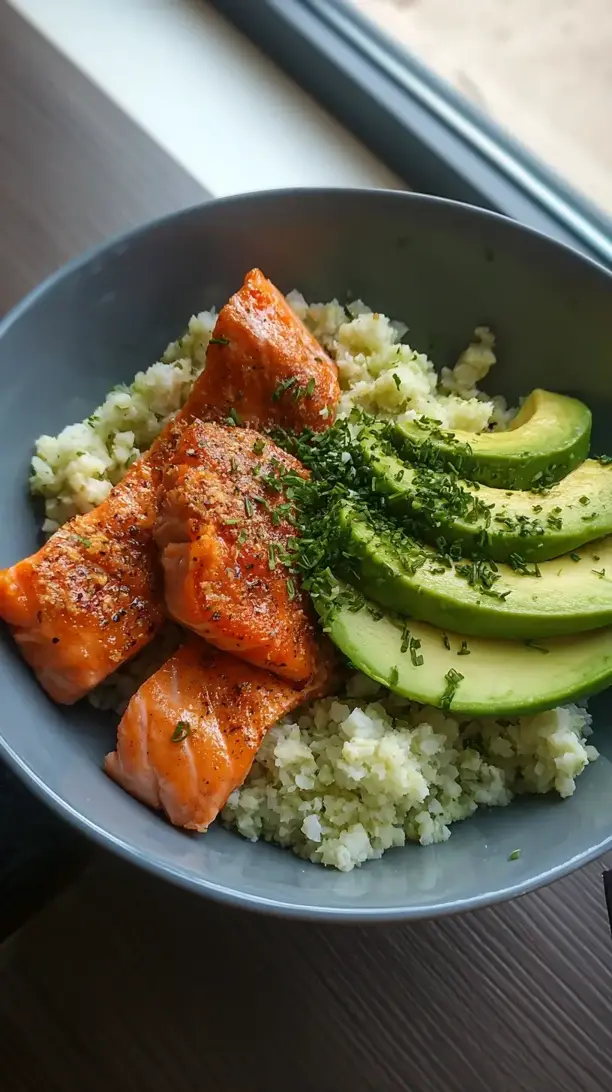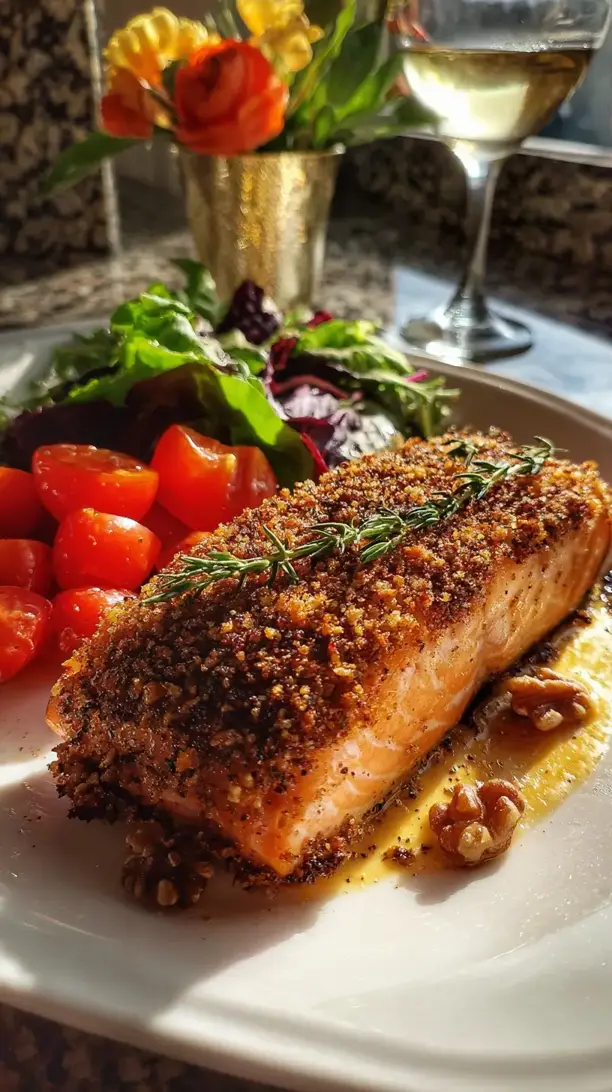

Poached salmon in white wine is a quietly elegant, restaurant-worthy dish that’s surprisingly simple to make at home. Gently simmered in a fragrant broth of white wine, lemon, and herbs, the salmon becomes perfectly flaky and moist. This method is foolproof and delivers delicate, aromatic flavors every time.
Why You’ll Love This Poached Salmon in White Wine
- Foolproof & forgiving: Poaching offers a wide window for doneness, keeping salmon moist even if slightly overcooked.
- Delicate, aromatic flavor: White wine, lemon, and herbs infuse the fish with a subtle, bright taste.
- Elegant with minimal effort: This dish looks and tastes fancy but comes together in under 30 minutes.
- Incredibly versatile: Serve warm with sides, flake over salad, or enjoy chilled—it adapts beautifully.
Ingredients & Tools
- 4 salmon fillets (about 150–180 g each), skin-on or skinless
- 500 ml dry white wine (like Sauvignon Blanc or Pinot Grigio)
- 500 ml water or light fish stock
- 1 small onion, thinly sliced
- 2 cloves garlic, lightly crushed
- 1 lemon, thinly sliced
- 4–5 sprigs fresh dill
- 2–3 sprigs fresh parsley
- 1 bay leaf
- 1 tsp whole black peppercorns
- 1 tsp sea salt, plus more to taste
Tools: A wide, shallow pan or skillet with a lid, instant-read thermometer (optional but helpful), slotted spatula or fish turner
Notes: Use a dry white wine for best balance; fresh herbs add a fragrance dried herbs can’t match.
Nutrition (per serving)
| Calories: | 320 kcal |
| Protein: | 35 g |
| Fat: | 14 g |
| Carbs: | 4 g |
| Fiber: | 1 g |
Serves: 4 | Prep Time: 10 minutes | Cook Time: 12–15 minutes | Total Time: 25 minutes
Before You Start: Tips & Ingredient Notes
- Choose the right salmon. Look for fillets that are evenly thick, so they cook at the same rate. Skin-on or skinless both work—skin-on can help hold the fillet together, but it’s really up to you.
- Don’t skimp on the aromatics. The onion, lemon, and herbs aren’t just for show—they build a flavorful poaching liquid that subtly seasons the fish from the inside out. Trust me, you’ll taste the difference.
- Use a wide, shallow pan. This ensures the salmon fillets are fully submerged (or nearly so) in the liquid, which helps them cook evenly. A deep pot might mean you need more liquid, and that can dilute the flavor.
- Keep the liquid at a gentle simmer. A rolling boil will toughen the salmon, while a bare simmer keeps it tender. You’re looking for small bubbles around the edges—not a vigorous bubble.
How to Make Poached Salmon in White Wine
Step 1: Start by preparing your poaching liquid. In a wide, shallow pan (one that has a lid), combine the white wine, water or stock, sliced onion, crushed garlic, lemon slices, dill, parsley, bay leaf, peppercorns, and salt. Bring everything to a gentle simmer over medium heat. Let it bubble lightly for about 5 minutes—this allows the flavors to meld and the alcohol in the wine to cook off slightly. You’ll notice the kitchen starts to smell amazing, like a cozy French kitchen.
Step 2: While the liquid is simmering, pat the salmon fillets dry with a paper towel. This helps them cook evenly and absorb the flavors better. If your fillets have skin, you can leave it on—it’ll help them hold their shape. Check that the poaching liquid is at a bare simmer (small bubbles, not a rolling boil) before you add the fish.
Step 3: Carefully lower the salmon fillets into the liquid, making sure they’re in a single layer and mostly submerged. If they aren’t fully covered, you can spoon a little liquid over the top. Immediately reduce the heat to low, cover the pan, and let the salmon poach gently. The trick is to keep the liquid just below a simmer—you want those occasional tiny bubbles, but no more.
Step 4: Poach the salmon for about 8–12 minutes, depending on thickness. A good rule of thumb is 4–5 minutes per half-inch of thickness. The salmon is done when it’s opaque throughout and flakes easily with a fork. If you have a thermometer, aim for an internal temperature of 125–130°F (52–54°C) for medium—it’ll carry over to perfect doneness as it rests.
Step 5: Using a slotted spatula, carefully lift the salmon out of the liquid and transfer it to a plate or serving platter. Let it rest for a minute or two—this allows the fibers to relax and any residual liquid to settle. You can drizzle a little of the strained poaching liquid over the top for extra flavor, or serve it as is. The salmon should be moist, flaky, and fragrant with lemon and herbs.
Storage & Freshness Guide
- Fridge: Cool to room temperature, then store in an airtight container for up to 2 days.
- Freezer: Wrap tightly or place in a freezer bag; freeze for up to 1 month. Thaw in fridge before using.
- Reviving: Gently reheat in a covered pan with a splash of water or broth to restore moisture.
Serving Suggestions
Complementary Dishes
- Buttery mashed potatoes or parsley new potatoes — the creamy, starchy base is perfect for soaking up the delicate poaching liquid and balancing the salmon’s lightness.
- Steamed asparagus or green beans — their crisp-tender texture and fresh flavor complement the soft, flaky fish beautifully, especially with a squeeze of lemon.
- A simple arugula salad with a lemon vinaigrette — the peppery greens and bright dressing echo the citrus notes in the salmon without overwhelming it.
Drinks
- A glass of the same white wine you used for poaching — it creates a harmonious pairing, and you’ll notice how the wine’ flavors in the dish and the glass play off each other.
- Sparkling water with a slice of lemon or cucumber — if you’re not drinking alcohol, this keeps things light and refreshing, cleansing the palate between bites.
- A crisp, dry rosé — its subtle fruitiness and acidity stand up to the salmon’s richness without stealing the show.
Something Sweet
- Lemon sorbet or granita — the bright, citrusy finish is a lovely way to end the meal, echoing the lemon in the poaching liquid.
- Almond cake with a dusting of powdered sugar — its nutty, slightly dense texture is a comforting contrast to the light, flaky salmon.
- Fresh berries with a dollop of whipped cream — simple, fresh, and not too heavy—just the thing after a meal that feels elegant but not overly rich.
Top Mistakes to Avoid
- Boiling the liquid instead of simmering. If the poaching liquid is at a rolling boil, the salmon will cook too quickly on the outside while staying raw inside—plus, it can become tough and rubbery. Gentle heat is key.
- Overcrowding the pan. If the fillets are too close together, they won’t cook evenly. Give them a little space so the heat circulates properly around each piece.
- Skipping the rest time. Lifting the salmon straight from the pan to the plate can make it release more liquid on the plate. Letting it rest for a minute or two helps it hold its shape and stay juicy.
- Using a sweet or oaky white wine. Wines with noticeable sweetness or heavy oak can make the poaching liquid cloying or bitter. Stick to a dry, crisp variety like Sauvignon Blanc or Pinot Grigio.
Expert Tips
- Tip: If you’re nervous about doneness, use an instant-read thermometer. Insert it into the thickest part of the fillet—125–130°F (52–54°C) is perfect for medium, with a moist, flaky texture.
- Tip: You can make the poaching liquid ahead of time and keep it in the fridge for a day or two. Just reheat it gently before adding the salmon—this is a huge time-saver if you’re planning a dinner party.
- Tip: For an extra flavor boost, add a splash of vermouth or a few fennel fronds to the poaching liquid. Vermouth adds a subtle herbal complexity, while fennel gives a gentle anise note that pairs wonderfully with salmon.
- Tip: If you have leftover poaching liquid, strain it and freeze it—it makes an incredible base for seafood soups, chowders, or risotto. Waste not, want not!
FAQs
Can I use frozen salmon for this recipe?
Absolutely—just make sure it’s fully thawed in the fridge overnight before poaching. If you try to poach it straight from frozen, the outside will overcook while the inside stays icy. Pat it dry well after thawing, as excess moisture can dilute the poaching liquid and affect cooking time.
What if I don’t drink alcohol? Can I skip the wine?
You can, but the wine adds acidity and depth that water or stock alone won’t provide. For a non-alcoholic version, use a mix of vegetable broth and a tablespoon of white wine vinegar or lemon juice. It won’t be exactly the same, but it’ll still be delicious and light.
How do I know when the salmon is done without a thermometer?
Look for visual cues: the flesh should be opaque throughout and should flake easily when gently pressed with a fork. If it still looks translucent in the center, give it another minute. With practice, you’ll get a feel for it—and remember, it continues to cook a bit after you take it out of the pan.
Can I poach the salmon ahead of time?
Yes! Let it cool to room temperature, then cover and refrigerate for up to two days. It’s fantastic flaked over salads, mixed into pasta, or served cold with a herby mayonnaise. Just note that the texture will be firmer when chilled—still delicious, but different from freshly poached.
Is it okay to reuse the poaching liquid?
You can reuse it once, immediately after poaching, to cook another batch of salmon or even shrimp. But I wouldn’t recommend keeping it beyond that, as the flavors will be weaker and it may develop off-tastes. If you’re not using it right away, strain and freeze it for future soups or sauces.

Poached Salmon In White Wine
Learn how to make perfect Poached Salmon in White Wine. This easy, elegant recipe delivers moist, flaky fish in under 30 minutes. Get the recipe now!
Ingredients
For the Ingredients & Tools
-
4 salmon fillets (about 150–180 g each, skin-on or skinless)
-
500 ml dry white wine (like Sauvignon Blanc or Pinot Grigio)
-
500 ml water or light fish stock
-
1 small onion (thinly sliced)
-
2 cloves garlic (lightly crushed)
-
1 lemon (thinly sliced)
-
4–5 sprigs fresh dill
-
2–3 sprigs fresh parsley
-
1 bay leaf
-
1 tsp whole black peppercorns
-
1 tsp sea salt (plus more to taste)
Instructions
-
Start by preparing your poaching liquid. In a wide, shallow pan (one that has a lid), combine the white wine, water or stock, sliced onion, crushed garlic, lemon slices, dill, parsley, bay leaf, peppercorns, and salt. Bring everything to a gentle simmer over medium heat. Let it bubble lightly for about 5 minutes—this allows the flavors to meld and the alcohol in the wine to cook off slightly.01
-
While the liquid is simmering, pat the salmon fillets dry with a paper towel. This helps them cook evenly and absorb the flavors better. If your fillets have skin, you can leave it on—it’ll help them hold their shape. Check that the poaching liquid is at a bare simmer (small bubbles, not a rolling boil) before you add the fish.02
-
Carefully lower the salmon fillets into the liquid, making sure they’re in a single layer and mostly submerged. If they aren’t fully covered, you can spoon a little liquid over the top. Immediately reduce the heat to low, cover the pan, and let the salmon poach gently. The trick is to keep the liquid just below a simmer—you want those occasional tiny bubbles, but no more.03
-
Poach the salmon for about 8–12 minutes, depending on thickness. A good rule of thumb is 4–5 minutes per half-inch of thickness. The salmon is done when it’s opaque throughout and flakes easily with a fork. If you have a thermometer, aim for an internal temperature of 125–130°F (52–54°C) for medium—it’ll carry over to perfect doneness as it rests.04
-
Using a slotted spatula, carefully lift the salmon out of the liquid and transfer it to a plate or serving platter. Let it rest for a minute or two—this allows the fibers to relax and any residual liquid to settle. You can drizzle a little of the strained poaching liquid over the top for extra flavor, or serve it as is.05