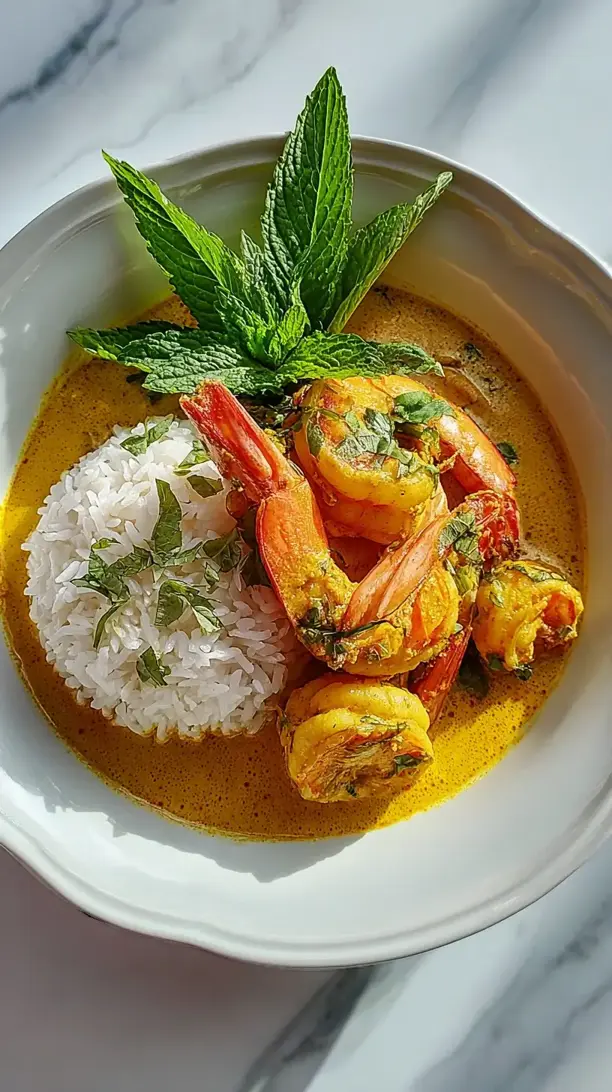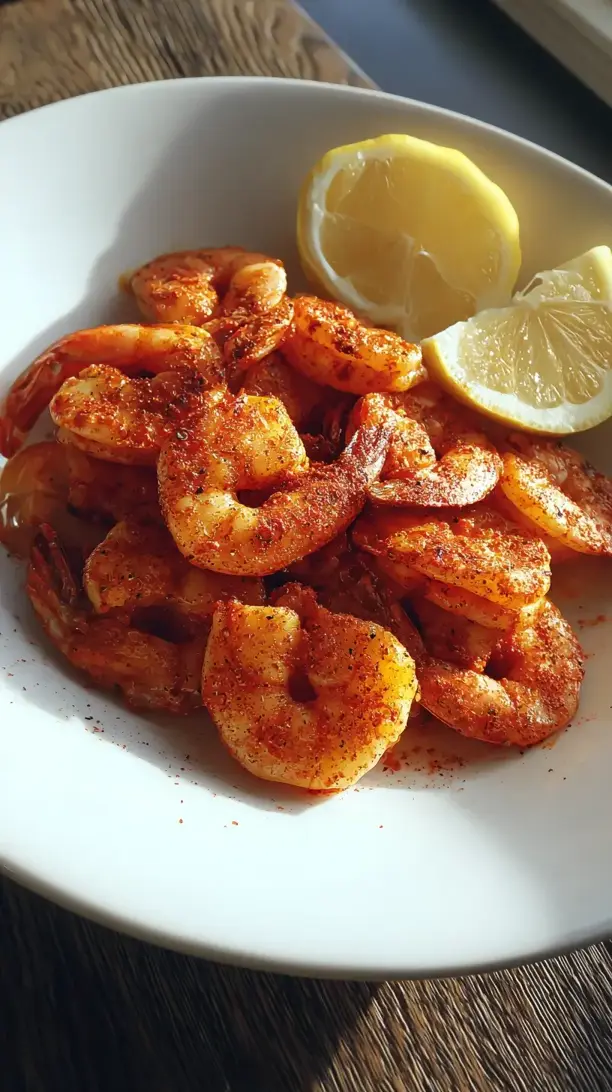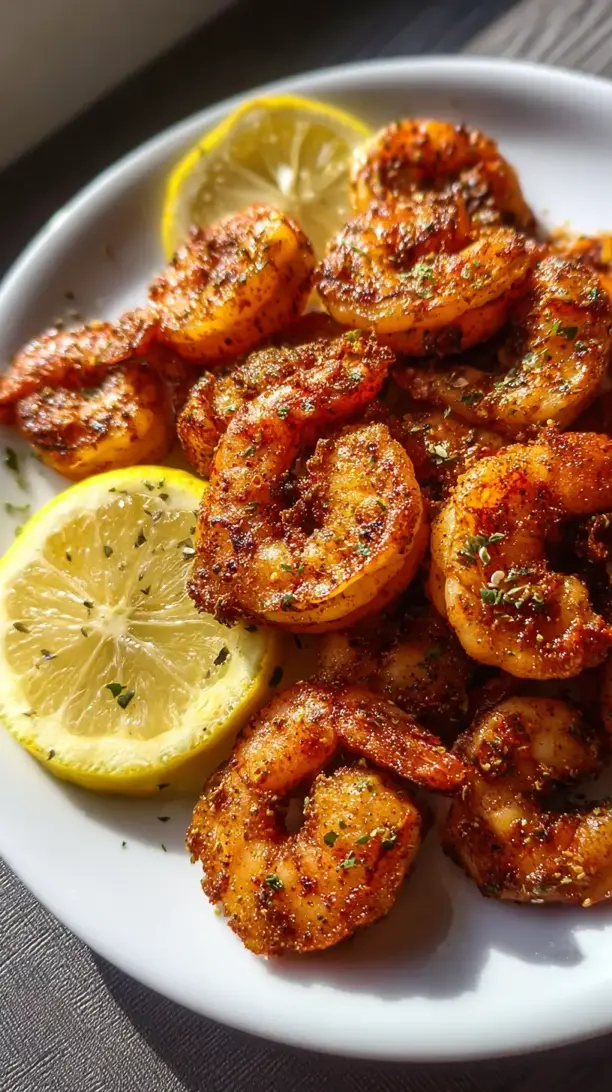

This Pesto Shrimp Zoodles recipe delivers a vibrant, light, and flavor-packed meal in just 20 minutes. The combination of juicy garlic shrimp, bright basil pesto, and crisp zucchini noodles feels indulgent yet fresh. It’s a perfect low-carb, restaurant-quality dish for busy weeknights.
Why You’ll Love This Pesto Shrimp Zoodles
Quick & Easy: Ready in 20 minutes for busy nights.
Bright & Vibrant: Fresh pesto, sweet shrimp, and mild zucchini create a satisfying symphony.
Light Yet Filling: Low-carb zoodles and protein-rich shrimp keep you full.
Endlessly Customizable: Swap shrimp for chicken or add extra veggies easily.
Ingredients & Tools
- 450 g large raw shrimp, peeled and deveined
- 4 medium zucchinis (about 600-700 g total)
- 4 tbsp high-quality basil pesto (homemade or store-bought)
- 3 cloves garlic, minced
- 2 tbsp olive oil, divided
- 1 lemon (juice and zest)
- ¼ tsp red pepper flakes (optional, for a little heat)
- To taste salt and freshly ground black pepper
- For serving: Freshly grated Parmesan cheese and fresh basil leaves
Tools: A spiralizer (or julienne peeler), a large skillet, a medium bowl, tongs.
Notes: Quality pesto makes a difference; homemade is great but good store-bought works. Use firm, fresh zucchini for best zoodle texture.
Nutrition (per serving)
| Calories: | 285 kcal |
| Protein: | 25 g |
| Fat: | 16 g |
| Carbs: | 12 g |
| Fiber: | 4 g |
Serves: 3 | Prep Time: 10 minutes | Cook Time: 10 minutes | Total Time: 20 minutes
Before You Start: Tips & Ingredient Notes
- Dry those shrimp! This is my number one tip for getting a beautiful sear. After patting the shrimp dry with paper towels, let them sit on a fresh paper towel for a minute or two. Any surface moisture will steam the shrimp instead of letting them caramelize.
- Don’t overcook the zoodles. Zucchini noodles have a very high water content and cook incredibly fast. You’re really just warming them through and coating them in the sauce. If you cook them for too long, they’ll release all their water and become soggy.
- Taste your pesto first. Pesto can vary wildly in saltiness and flavor intensity depending on the brand or your homemade recipe. Give it a quick taste so you know how to adjust the seasoning for the entire dish later on.
- Get your pan nice and hot. A preheated skillet is crucial for cooking the shrimp properly. You should hear a definite sizzle when the shrimp hit the oil—that’s how you know you’re on the right track for a perfect sear.
How to Make Pesto Shrimp Zoodles
Step 1: Start by preparing your ingredients. Pat the raw shrimp thoroughly dry with paper towels and season them generously with salt and pepper. Using a spiralizer, turn your zucchinis into noodles. If you don’t have a spiralizer, a julienne peeler works just fine, or you can even use a standard vegetable peeler to create wide, ribbon-like “noodles.” Set the zoodles aside on a clean kitchen towel to absorb any excess moisture.
Step 2: Place a large skillet over medium-high heat and add one tablespoon of the olive oil. Once the oil is shimmering hot, add the shrimp in a single layer, making sure not to crowd the pan—you might need to do this in two batches. Cook for about 1-2 minutes per side, until they turn pink and opaque with a golden-brown sear. You’ll notice the shrimp will curl into a loose “C” shape when they’re done. Remove them from the skillet and set them aside on a plate.
Step 3: Reduce the heat to medium and add the remaining tablespoon of olive oil to the same skillet. Add the minced garlic and the optional red pepper flakes, and sauté for just 30-60 seconds until incredibly fragrant. Be careful not to burn the garlic, as it will turn bitter. This quick step infuses the oil with so much flavor, which will coat every single component of the dish.
Step 4: Now, add all of your zucchini noodles to the skillet. Toss them gently with the garlic oil using tongs. You’re not trying to cook them through, just warm them and coat them. This should only take 1-2 minutes. You want them to be tender-crisp, not soft and watery. The moment they start to glisten and look brighter in color, they’re ready for the next step.
Step 5: Turn off the heat. This is crucial! Add the cooked shrimp back into the skillet, along with any juices that have accumulated on the plate. Dollop the pesto over everything, and add the lemon zest and a good squeeze of fresh lemon juice. Toss everything together gently but thoroughly until the shrimp and zoodles are evenly coated in that gorgeous green pesto. The residual heat from the skillet and the ingredients is all you need to warm the pesto through perfectly.
Step 6: Give the dish one final taste and adjust the seasoning with more salt, pepper, or lemon juice if needed. Serve immediately, topped with a generous sprinkle of freshly grated Parmesan cheese and a few torn fresh basil leaves for an extra pop of color and freshness.
Storage & Freshness Guide
- Fridge: Store in an airtight container up to 2 days; zoodles will soften.
- Freezer: Not recommended; zoodles become mushy upon thawing.
- Reviving: Gently reheat in a skillet; add a splash of water or lemon juice if dry.
Serving Suggestions
Complementary Dishes
- A simple arugula salad — The peppery bite of arugula dressed with just a squeeze of lemon and a drizzle of olive oil provides a crisp, refreshing contrast to the rich, herby zoodles.
- Crusty garlic bread — For those who can’t completely give up carbs, a slice of warm, crunchy bread is perfect for swooping up every last bit of that delicious pesto sauce left on the plate.
- Roasted cherry tomatoes — Their sweet, concentrated burst of flavor adds another layer of texture and a beautiful pop of red color to your plate.
Drinks
- A crisp Sauvignon Blanc — Its bright acidity and citrus notes mirror the lemon in the dish and cut through the richness of the pesto beautifully, cleansing the palate between bites.
- Sparkling water with lemon — A non-alcoholic option that’s just as refreshing. The bubbles and citrus are a fantastic, simple way to balance the meal’s flavors.
- A light Italian Pinot Grigio — This wine is all about crisp, clean, and easy-drinking flavors that won’t overpower the delicate shrimp and fresh basil.
Something Sweet
- Lemon sorbet — It’s the ultimate palate cleanser. The sharp, clean citrus flavor is a wonderfully light and refreshing way to end a meal that’s already so bright and fresh.
- Panna Cotta with a berry coulis — The creamy, silky texture of the panna cotta is a lovely, gentle contrast to the main course, and the tart berries tie back to the meal’s vibrant theme.
- Amaretti cookies — These little Italian almond cookies are delightfully crunchy and not too sweet, making them a perfect little nibble with an after-dinner coffee.
Top Mistakes to Avoid
- Mistake: Adding the pesto while the heat is still on. Pesto is a fresh sauce, and high heat can cause the basil to turn dark and bitter, and the oil to separate. Always toss it in off the heat, letting the residual warmth do the work.
- Mistake: Crowding the pan with shrimp. If you put too many shrimp in the skillet at once, they’ll steam instead of sear. You’ll end up with rubbery, boiled-tasting shrimp instead of ones with a beautiful caramelized crust. I’ve messed this up before too, and it’s a lesson you only need to learn once!
- Mistake: Salting the zoodles too early. Salt draws water out of vegetables. If you salt the zucchini noodles at the beginning of the cooking process, you’ll end up with a soupy, watery sauce. Always season at the very end, just before serving.
- Mistake: Overcooking the shrimp. Shrimp cook in a flash. The moment they turn opaque and form a “C” shape, they’re done. Any longer and they’ll become tough and chewy. Remember, they’ll get a little more warmth when you toss them back in with the pesto.
Expert Tips
- Tip: Make your own pesto in a flash. To really elevate this dish, blend a handful of fresh basil, a garlic clove, a handful of pine nuts (or walnuts), a good glug of olive oil, and some Parmesan cheese. The flavor is so much brighter and more vibrant than most jarred versions.
- Tip: Use the shrimp shells. If you’re peeling your own shrimp, don’t throw the shells away! Sauté them in a little oil before you cook the shrimp, then add a splash of water or wine to make a quick, incredibly flavorful shrimp stock. You can stir a spoonful of this into the final dish for an extra depth of seafood flavor.
- Tip: Salt your zoodles ahead of time to prevent sogginess. For even firmer zoodles, you can spiralize them about 30 minutes before cooking, toss them with a little salt, and let them sit in a colander. This draws out a significant amount of water. Just be sure to rinse and thoroughly pat them dry before cooking, and adjust final seasoning accordingly.
- Tip: Add a splash of pasta water. If you happen to be boiling pasta for someone else, save a quarter cup of the starchy water. If your final dish feels a bit dry, a tablespoon or two of this starchy water mixed with the pesto will help it emulsify into a creamier, saucier consistency that clings to the zoodles.
FAQs
Can I make this dish ahead of time?
You can prep the components ahead, but I don’t recommend assembling it until you’re ready to eat. You can spiralize the zucchini and store it in an airtight container in the fridge for a day. Cook and season the shrimp and keep them separate. When ready, quickly warm the zoodles, add the shrimp and pesto off the heat, and toss. This prevents the zoodles from becoming watery and the pesto from losing its vibrant color and fresh taste.
My sauce turned out watery. What happened?
This is almost always due to the zucchini releasing too much water. The key is to avoid overcooking the zoodles—they just need a minute or two to warm through. Also, make sure you’re not adding salt until the very end, as salt draws out moisture. If you find yourself with a watery sauce, you can try draining off the excess liquid or, next time, try the salting-and-draining method for the zoodles before you even start cooking.
Can I use frozen shrimp?
Absolutely! Frozen shrimp are often more economical and just as good. The important thing is to thaw them properly. The best way is to place them in a colander in the fridge overnight. If you’re in a hurry, you can run them under cold water in the colander until thawed. Just be extra diligent about patting them completely dry before seasoning and cooking.
What can I use instead of zucchini for the noodles?
You have several great options! Yellow summer squash would work almost identically. For a different flavor, you could use spiralized sweet potato (though it will need a slightly longer cooking time) or even butternut squash. For a non-vegetable option, this pesto shrimp is also fantastic served over regular pasta, couscous, or creamy polenta.
How can I add more vegetables to this recipe?
This dish is a fantastic canvas for extra veggies! I love adding a handful of spinach or baby kale in the last 30 seconds of cooking the zoodles—it wilts perfectly. Sliced bell peppers or mushrooms can be sautéed with the garlic. Cherry tomatoes, halved and tossed in at the end, add a lovely burst of sweetness and color. Get creative!

Pesto Shrimp Zoodles
Make delicious Pesto Shrimp Zoodles in just 20 minutes! A healthy, low-carb meal with juicy shrimp and fresh zucchini noodles. Get the easy recipe now!
Ingredients
For the main ingredients:
-
450 g large raw shrimp (peeled and deveined)
-
4 medium zucchinis (about 600-700 g total)
-
4 tbsp high-quality basil pesto (homemade or store-bought)
-
3 cloves garlic (minced)
-
2 tbsp olive oil (divided)
-
1 lemon (juice and zest)
-
¼ tsp red pepper flakes (optional, for a little heat)
-
salt and freshly ground black pepper (to taste)
For serving:
-
Freshly grated Parmesan cheese
-
fresh basil leaves