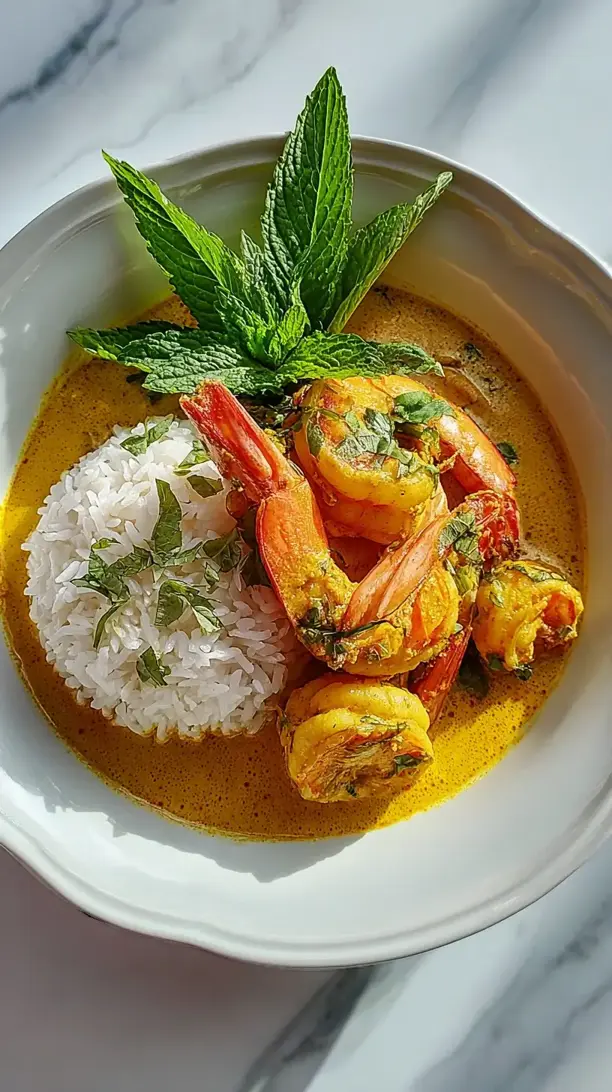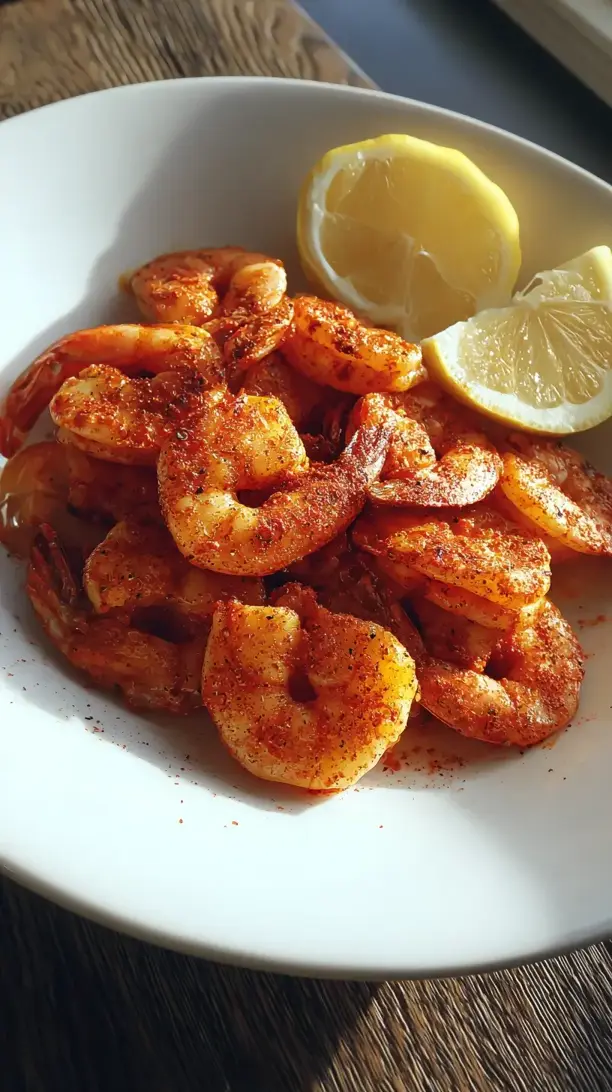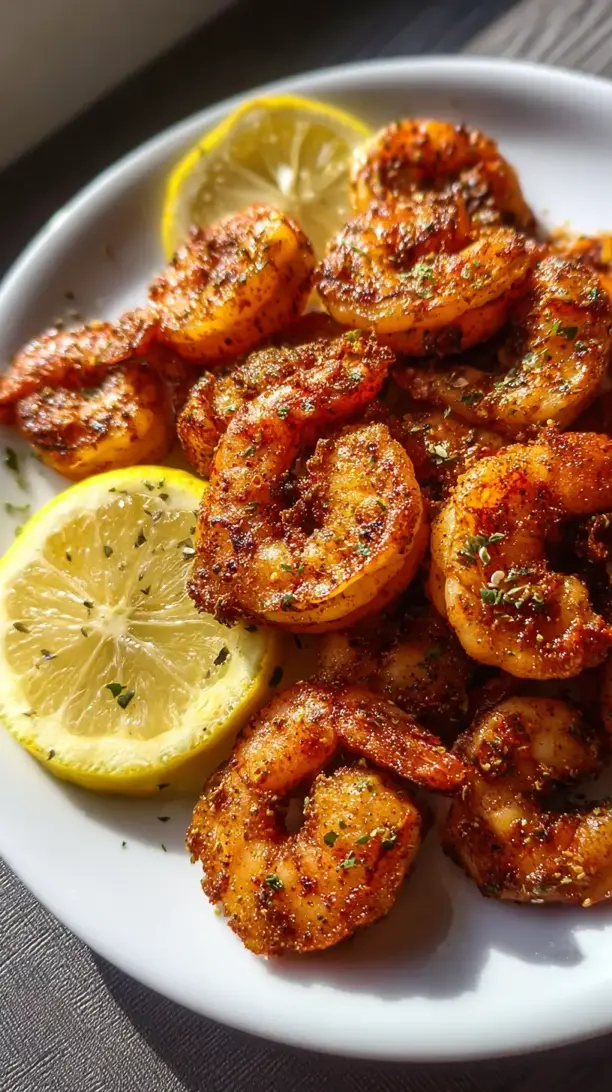

This Parmesan Shrimp and Polenta recipe delivers restaurant elegance in under 30 minutes. The creamy, cheesy polenta pairs perfectly with juicy, garlicky shrimp for a comforting meal. It’s a simple yet impressive Parmesan Shrimp and Polenta that’s perfect for any night.
Why You’ll Love This Parmesan Shrimp and Polenta
- Restaurant-quality, minimal fuss: Elegant and cozy but simple to make.
- Perfect texture contrast: Velvety polenta against snappy shrimp.
- Endlessly adaptable: Easy to customize with your favorite flavors.
- Indulgent yet balanced: Satisfying and rich without feeling heavy.
Ingredients & Tools
For the Polenta:
- 1 cup coarse-ground polenta (not instant)
- 4 cups chicken or vegetable broth
- 1 cup whole milk
- 1 cup freshly grated Parmesan cheese
- 3 tbsp unsalted butter
For the Shrimp:
- 1 lb large shrimp, peeled and deveined
- 3 cloves garlic, minced
- 2 tbsp olive oil
- 1 tbsp fresh lemon juice
- 2 tbsp fresh parsley, chopped
- 1/2 tsp smoked paprika (optional, for color)
Tools: A medium saucepan, a large skillet, a whisk, and a microplane or box grater for the Parmesan.
Notes: Grating Parmesan yourself avoids anti-caking agents for a smoother polenta.
A little note on the Parmesan—honestly, grating it yourself makes a world of difference. Pre-shredded cheese often has anti-caking agents that can make your polenta a bit grainy, and we’re after that ultra-smooth, luxurious texture.
Nutrition (per serving)
| Calories: | 520 kcal |
| Protein: | 35 g |
| Fat: | 22 g |
| Carbs: | 42 g |
| Fiber: | 3 g |
Serves: 4 | Prep Time: 10 minutes | Cook Time: 20 minutes | Total Time: 30 minutes
Before You Start: Tips & Ingredient Notes
- Can I use quick-cook polenta? You can, but the texture won’t be as wonderfully creamy. Traditional coarse polenta takes a bit more stirring, but it gives you that authentic, rustic mouthfeel that’s just so good.
- What’s the deal with the shrimp size? I really recommend large (21/25 count per pound) shrimp. They’re substantial enough to stand up to the polenta and are harder to overcook than smaller ones.
- Is the smoked paprika necessary? Not strictly, but it adds a lovely, subtle smokiness and a beautiful color to the shrimp. A little goes a long way!
- Can I make this ahead? The polenta can be made ahead and gently reheated with a splash of milk or broth to loosen it up. But the shrimp are best cooked fresh for that perfect sear.
- Why broth instead of water for the polenta? Using broth instead of water is a simple trick that builds a deep, savory foundation right from the start, making the final dish so much more flavorful.
How to Make Parmesan Shrimp and Polenta
Step 1: Start the Polenta. In your medium saucepan, bring the 4 cups of broth and 1 cup of milk to a gentle boil over medium-high heat. You’ll notice tiny bubbles forming around the edges—that’s your cue. Slowly whisk in the 1 cup of polenta in a steady stream. This prevents lumps from forming. Once it’s all incorporated, reduce the heat to low. The mixture will look a bit thin at first, but don’t worry, it will thicken up beautifully.
Step 2: Cook the Polenta. Now for the arm workout! Continue to cook the polenta, stirring frequently with your whisk for about 15-20 minutes. You’re looking for it to become thick and creamy, pulling away from the sides of the pan as you stir. If it seems too thick too quickly, you can add a splash more broth or milk. The key is low and slow—this coaxes the starches out for that dreamy texture.
Step 3: Finish the Polenta. Once the polenta is cooked, take it off the heat. Stir in the 3 tablespoons of butter and the 1 cup of freshly grated Parmesan cheese until everything is melted and wonderfully incorporated. The polenta should be smooth, rich, and incredibly aromatic. Season with salt and pepper to taste, then cover the pot to keep it warm while you cook the shrimp.
Step 4: Prepare and Cook the Shrimp. Pat your shrimp completely dry with paper towels—this is the single most important step for getting a good sear instead of them steaming. Heat the 2 tablespoons of olive oil in your large skillet over medium-high heat until it shimmers. Add the shrimp in a single layer, seasoning them with salt, pepper, and the smoked paprika if using. Cook for about 1-2 minutes per side, until they’re pink and opaque.
Step 5: Create the Pan Sauce. When the shrimp are just cooked through, push them to one side of the skillet. Add the 3 minced garlic cloves to the empty side and cook for just 30 seconds until fragrant—be careful not to burn it! Then, squeeze in the 1 tablespoon of fresh lemon juice and add half of the chopped parsley. Toss everything together, letting the juices mingle for another 30 seconds. The sauce should look glossy and smell amazing.
Step 6: Assemble and Serve. To serve, spoon a generous amount of the creamy Parmesan polenta into shallow bowls. Top with the garlicky shrimp and drizzle any remaining pan sauce from the skillet over the top. Finish with a final sprinkle of the remaining fresh parsley for a pop of color and freshness. Dig in immediately!
Storage & Freshness Guide
- Fridge: Store polenta and shrimp separately in airtight containers for up to 2 days.
- Freezer: Freeze polenta alone for up to 3 months; shrimp are best fresh.
- Reviving: Reheat polenta with broth or milk, stirring until creamy; gently warm shrimp in a skillet.
Serving Suggestions
Complementary Dishes
- A simple arugula salad — The peppery bite of arugula dressed with a light lemon vinaigrette cuts through the richness of the polenta beautifully.
- Roasted asparagus or green beans — Their slight char and earthy flavor provide a lovely vegetable component that complements the shrimp.
- Garlic bread — For the ultimate comfort meal, a slice of crispy, buttery garlic bread is perfect for wiping the bowl clean.
Drinks
- A crisp Sauvignon Blanc — Its bright acidity and citrus notes are a classic pairing with shrimp and help balance the cheesy polenta.
- A light Italian lager — A cold, refreshing beer like a Peroni cleanses the palate between bites of this savory dish.
- Sparkling water with lemon — A non-alcoholic option that provides the same palate-cleansing fizz and citrus zing.
Something Sweet
- Lemon sorbet — Its bright, clean flavor is the perfect, light finish after a rich and savory meal.
- Panna Cotta with a berry coulis — Another creamy delight, but this time sweet, making for a wonderfully thematic end to the evening.
- Amaretti cookies — These little Italian almond cookies are delightfully crunchy and not too sweet, offering a simple, elegant finale.
Top Mistakes to Avoid
- Adding the polenta to cold liquid. Always bring your broth and milk to a boil first. Adding the grains to a cold liquid is a surefire way to end up with a gritty, uneven texture.
- Not drying the shrimp. If your shrimp are wet when they hit the hot pan, they’ll steam and boil instead of sear. You’ll miss out on that lovely caramelized flavor and snappy texture. I’ve messed this up before too, and it makes a world of difference.
- Overcooking the shrimp. Shrimp cook incredibly fast and become rubbery if left on the heat for too long. As soon as they curl into a “C” shape and turn opaque, they’re done. Pull them off the heat immediately.
- Using pre-grated Parmesan in a canister. As mentioned, it just doesn’t melt as well. Taking the extra minute to grate a block of real Parmigiano-Reggiano will elevate your polenta from good to sublime.
Expert Tips
- Tip: Let the polenta rest. If you have a few extra minutes, let the finished polenta sit, covered, for 5 minutes off the heat before serving. This allows the starches to fully hydrate and results in an even creamier, more cohesive texture.
- Tip: Use the “pinch test” for shrimp seasoning. Before cooking, toss the dried shrimp with the salt, pepper, and paprika in a bowl. This ensures every single shrimp is perfectly and evenly seasoned, not just the ones on top.
- Tip: Infuse your oil. For an extra layer of flavor, gently warm the olive oil with a sprig of fresh thyme or rosemary before adding the shrimp. Remove the herb before cooking, and you’ve got a subtly aromatic base.
- Tip: Reheat polenta with liquid. Leftover polenta will solidify in the fridge. The best way to reheat it is in a saucepan over low heat with a generous splash of milk or broth, whisking constantly until it’s smooth and warm again.
FAQs
Can I use instant or pre-cooked polenta?
You can, but the texture and flavor will be different. Instant polenta cooks in about 5 minutes and is a great time-saver, but it often lacks the deep, corn flavor and creamy texture of the traditional slow-cooked version. If you do use it, follow the package directions and still finish it with the butter and Parmesan for maximum flavor. Pre-cooked tubed polenta can be sliced and pan-fried, but it won’t give you the creamy base this recipe is known for.
My polenta is too thick/lumpy. How can I fix it?
If it’s too thick, simply whisk in more warm broth or milk a few tablespoons at a time until it reaches your desired consistency. For lumps, the best tool is a quick blitz with an immersion blender right in the pot. If you don’t have one, you can press it through a fine-mesh sieve—a bit of a hassle, but it works! The key for next time is a slower initial whisking when adding the dry polenta to the hot liquid.
What can I use instead of shrimp?
This creamy polenta is a fantastic base for so many proteins! Sliced grilled chicken, seared scallops, or even a hearty mushroom ragout would be wonderful substitutes. For a mushroom version, sauté a mix of wild mushrooms with shallots and thyme, and deglaze the pan with a splash of white wine for a luxurious vegetarian topping.
How do I know when the shrimp are perfectly cooked?
Look for both visual and tactile cues. Visually, they will turn from gray and translucent to pink and opaque. In terms of shape, they’ll curl into a loose “C”. If they curl into a tight “O”, they’re likely overdone. The best test is touch: a perfectly cooked shrimp will feel firm but still slightly springy, not hard or rubbery.
Can I make the polenta dairy-free?
Absolutely! For a dairy-free version, use a rich vegetable broth and replace the butter with olive oil or a vegan butter substitute. Instead of Parmesan, stir in a tablespoon of white miso paste for umami depth and a few tablespoons of nutritional yeast for a cheesy flavor. The result is still incredibly creamy and satisfying.
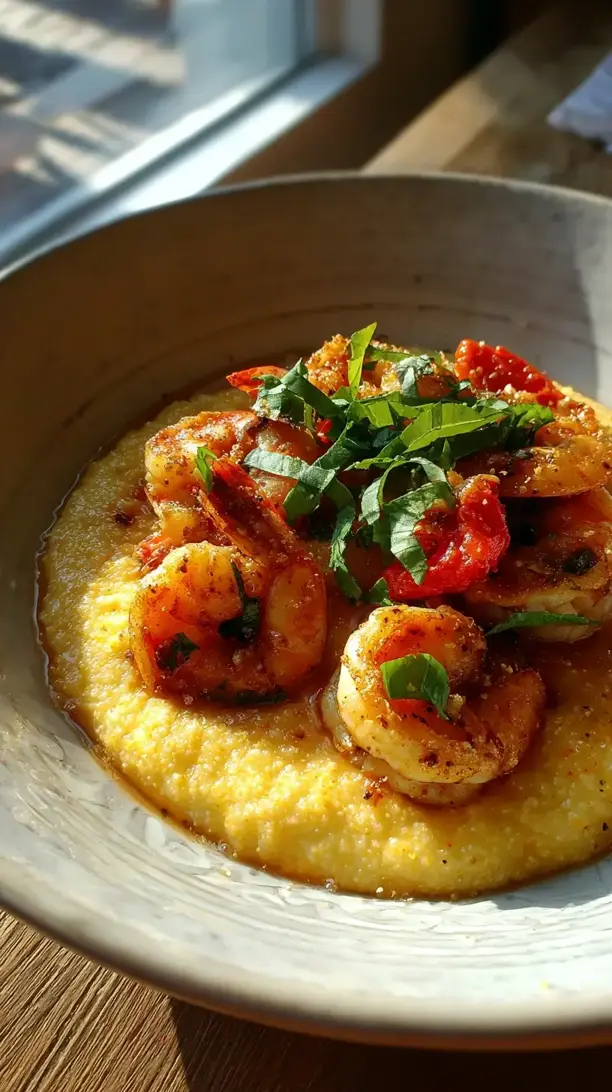
Parmesan Shrimp And Polenta
Make restaurant-style Parmesan Shrimp and Polenta in 30 minutes! Creamy polenta meets garlicky shrimp for an easy, elegant meal. Get the simple recipe here!
Ingredients
For the Polenta:
-
1 cup coarse-ground polenta (not instant)
-
4 cups chicken or vegetable broth
-
1 cup whole milk
-
1 cup freshly grated Parmesan cheese
-
3 tbsp unsalted butter
For the Shrimp:
-
1 lb large shrimp (peeled and deveined)
-
3 cloves garlic (minced)
-
2 tbsp olive oil
-
1 tbsp fresh lemon juice
-
2 tbsp fresh parsley (chopped)
-
0.5 tsp smoked paprika (optional, for color)
Instructions
-
In your medium saucepan, bring the 4 cups of broth and 1 cup of milk to a gentle boil over medium-high heat. Slowly whisk in the 1 cup of polenta in a steady stream. Once it’s all incorporated, reduce the heat to low.01
-
Continue to cook the polenta, stirring frequently with your whisk for about 15-20 minutes. You’re looking for it to become thick and creamy, pulling away from the sides of the pan as you stir. If it seems too thick too quickly, you can add a splash more broth or milk.02
-
Once the polenta is cooked, take it off the heat. Stir in the 3 tablespoons of butter and the 1 cup of freshly grated Parmesan cheese until everything is melted and wonderfully incorporated. Season with salt and pepper to taste, then cover the pot to keep it warm while you cook the shrimp.03
-
Pat your shrimp completely dry with paper towels. Heat the 2 tablespoons of olive oil in your large skillet over medium-high heat until it shimmers. Add the shrimp in a single layer, seasoning them with salt, pepper, and the smoked paprika if using. Cook for about 1-2 minutes per side, until they’re pink and opaque.04
-
When the shrimp are just cooked through, push them to one side of the skillet. Add the 3 minced garlic cloves to the empty side and cook for just 30 seconds until fragrant. Then, squeeze in the 1 tablespoon of fresh lemon juice and add half of the chopped parsley. Toss everything together, letting the juices mingle for another 30 seconds.05
-
To serve, spoon a generous amount of the creamy Parmesan polenta into shallow bowls. Top with the garlicky shrimp and drizzle any remaining pan sauce from the skillet over the top. Finish with a final sprinkle of the remaining fresh parsley for a pop of color and freshness.06