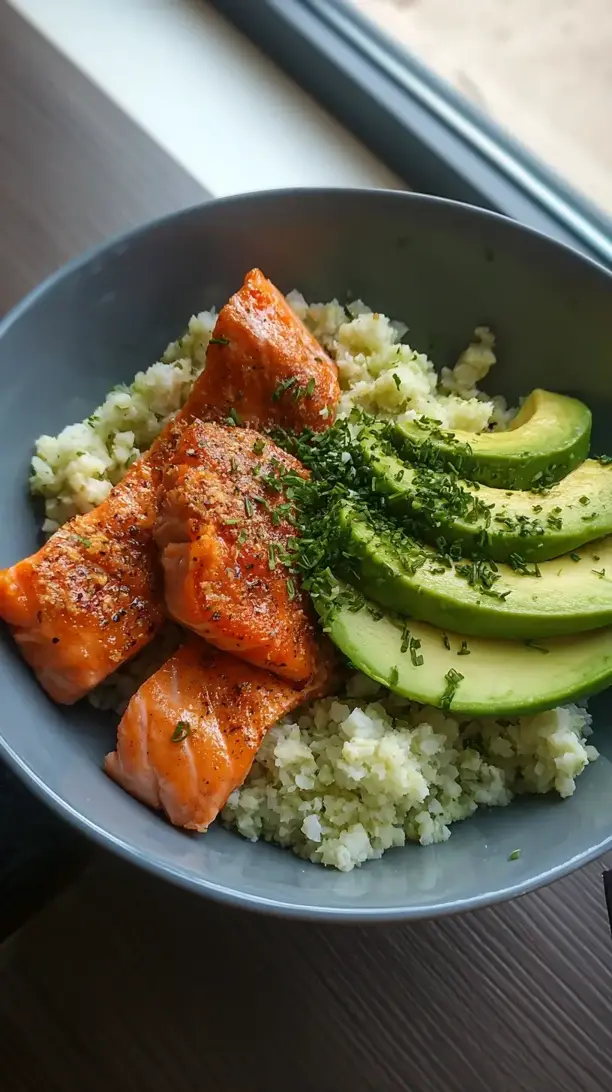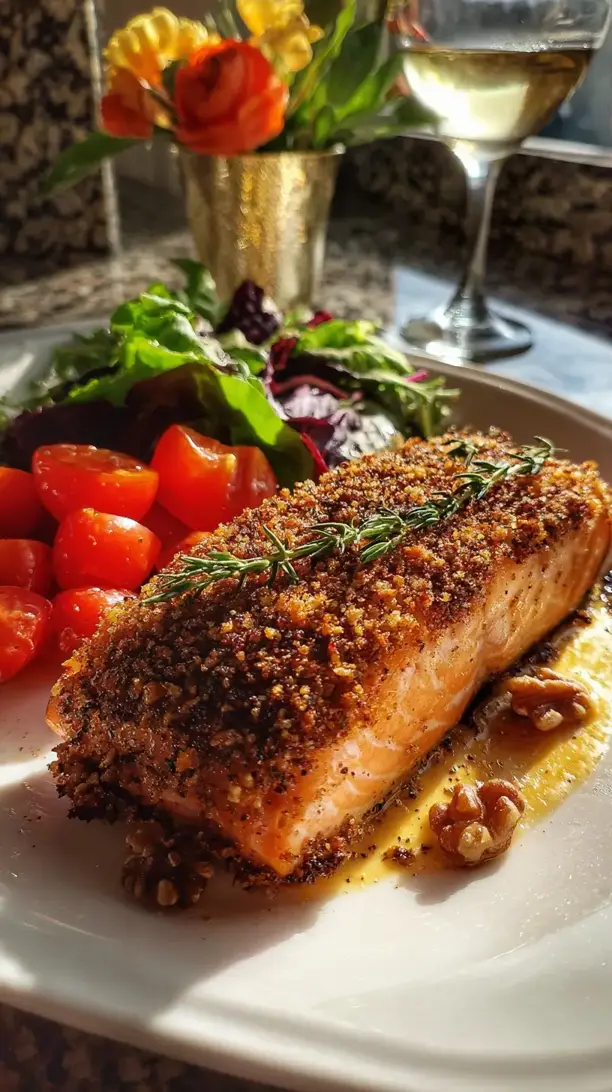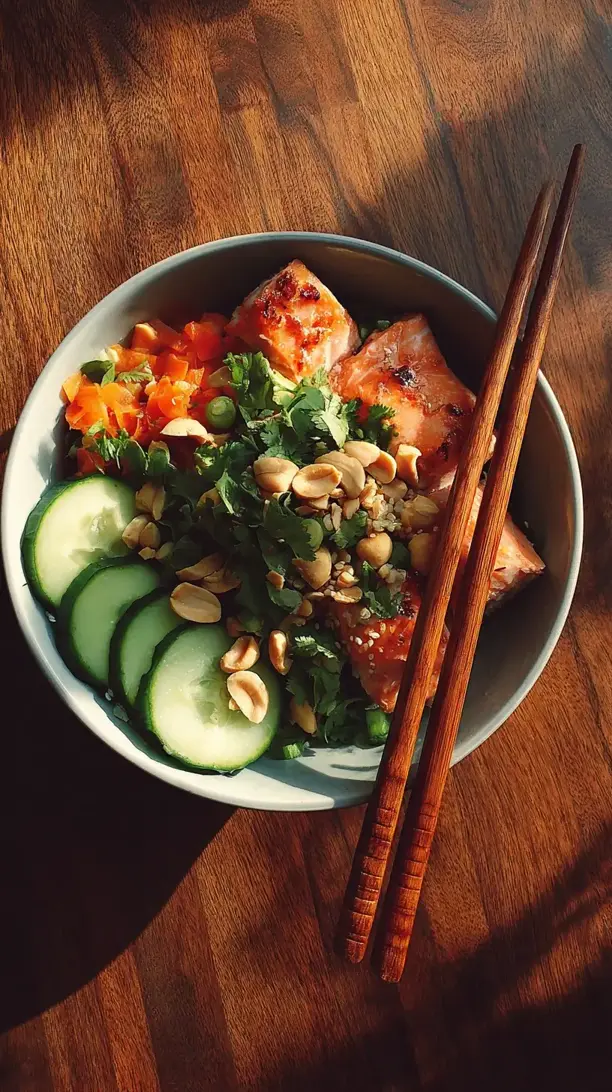

This Panko Crusted Salmon delivers a golden, shatteringly crisp crust over perfectly moist, flaky fish. It’s fancy enough for a dinner party but simple enough for a busy weeknight. The contrast of textures and bright, herby flavor makes this a standout dish.
Why You’ll Love This Panko Crusted Salmon
- Amazing texture: Crisp panko crust with tender, moist salmon underneath.
- Effortlessly elegant: Looks impressive but comes together simply.
- Incredibly versatile: Easily adapt the herbs and citrus to match your sides.
- Fast cooking: Ready from prep to plate in under 20 minutes.
Ingredients & Tools
- 4 salmon fillets (about 150-180 g each), skin-on or skinless
- 120 g panko breadcrumbs
- 60 ml olive oil, divided
- 1 large lemon (you’ll use zest and juice)
- 3 cloves garlic, minced
- 15 g fresh parsley, finely chopped
- 5 g fresh dill, chopped
- 1 tsp Dijon mustard
- 1/2 tsp salt, or to taste
- 1/4 tsp black pepper, freshly ground
- 1/4 tsp paprika (optional, for a little color)
Tools: A baking sheet, parchment paper, a small bowl, a zester or fine grater, and a small skillet for toasting the panko (highly recommended!).
Notes: Use high-quality, fresh salmon for best results. Toasting the panko is highly recommended for deeper flavor and extra crispiness.
Nutrition (per serving)
| Calories: | 415 kcal |
| Protein: | 35 g |
| Fat: | 22 g |
| Carbs: | 15 g |
| Fiber: | 1 g |
Serves: 4 | Prep Time: 10 minutes | Cook Time: 12-15 minutes | Total Time: 25 minutes
Before You Start: Tips & Ingredient Notes
- Why toast the panko? Toasting the panko breadcrumbs in a bit of oil before mixing them with the other ingredients is a game-changer. It deepens their flavor, gives them a beautiful golden color from the start, and helps them stay incredibly crisp during baking instead of just drying out.
- Skin-on or skinless salmon? You can use either! If you use skin-on, place the fillets skin-side down on the baking sheet. The skin will help keep the bottom moist and can be easily left on the plate after cooking. For a completely uniform crust, skinless is great.
- Is fresh herbs a must? Honestly, yes, for this recipe I’d really recommend fresh parsley and dill. Their bright, vibrant flavor cuts through the richness of the salmon and oil in a way that dried herbs just can’t match. If you’re in a pinch, use 1/3 the amount of dried.
- How do I know when the salmon is done? The most reliable method is an instant-read thermometer. You’re aiming for an internal temperature of 125°F (52°C) for medium-rare or 135°F (57°C) for medium. If you don’t have one, look for the salmon to be opaque and flake easily with a fork.
How to Make Panko Crusted Salmon
Step 1: Toast the Panko. Preheat your oven to 400°F (200°C) and line a baking sheet with parchment paper. Heat a medium skillet over medium heat and add about half of your olive oil. Once the oil is shimmering, add the panko breadcrumbs. Cook, stirring constantly, for 2-3 minutes until they are a light, golden brown. You’ll notice a wonderful, nutty aroma—that’s how you know they’re ready. Transfer them to a medium bowl immediately to stop the cooking process.
Step 2: Create the Flavorful Crust. To the bowl with the toasted panko, add the minced garlic, chopped parsley, dill, the zest from your entire lemon, Dijon mustard, salt, pepper, and the optional paprika. Drizzle in the remaining olive oil. Use a fork to mix everything together until it’s well combined and has a crumbly, moist sand consistency. The oil helps the mixture clump slightly, which is exactly what you want for an even crust.
Step 3: Prepare the Salmon. Pat your salmon fillets completely dry with paper towels—this is a crucial step for getting the topping to stick properly. Arrange the fillets on the prepared baking sheet, spaced a couple of inches apart. Squeeze a little fresh lemon juice over the top of each fillet. This adds a bright flavor base right on the fish itself.
Step 4: Apply the Crust. Take a generous handful of your panko mixture and press it firmly onto the top of each salmon fillet. You want to create an even layer that covers the entire surface, using gentle pressure to make sure it adheres. Don’t be shy here—pile it on! A thick, uniform layer is the secret to that fantastic, shattering crunch in every bite.
Step 5: Bake to Perfection. Place the baking sheet in the preheated oven and bake for 12-15 minutes. The exact time will depend on the thickness of your fillets. You’re looking for the crust to be a deep, golden brown and the salmon to be cooked to your preferred doneness. For that perfect medium, the salmon should be opaque and flake easily when tested with a fork at its thickest part.
Step 6: Rest and Serve. Once out of the oven, let the salmon rest on the baking sheet for about 2-3 minutes. This allows the juices to redistribute throughout the fillets, ensuring every single bite is moist. Serve immediately with an extra wedge of lemon on the side for squeezing over the top right before eating.
Storage & Freshness Guide
- Fridge: Store leftovers in an airtight container for up to 2 days.
- Freezer: Not recommended; the crust will lose its crisp texture.
- Reviving: Reheat in a 350°F (175°C) oven for 8–10 minutes to restore crispiness.
Serving Suggestions
Complementary Dishes
- Garlic Mashed Potatoes — The creamy, rich potatoes are a dreamy contrast to the crisp, light texture of the salmon crust.
- Simple Arugula Salad — A pile of peppery arugula with a light lemon vinaigrette cuts through the richness and cleanses the palate beautifully.
- Roasted Asparagus — Tossed in olive oil and salt, roasted until tender-crisp. It’s a classic pairing that just works, and you can roast it on the same pan as the salmon.
Drinks
- A Crisp Sauvignon Blanc — Its bright acidity and citrus notes mirror the lemon in the crust and elevate the entire meal.
- Sparkling Water with Lemon — A non-alcoholic option that provides a refreshing, bubbly contrast that highlights the dish’s fresh herbs.
Something Sweet
- Lemon Sorbet — A light, palate-cleansing dessert that continues the citrus theme and feels refreshing after the savory main course.
- Vanilla Panna Cotta with Berry Compote — The smooth, cool panna cotta and tart berries offer a simple, elegant finish without being too heavy.
Top Mistakes to Avoid
- Mistake: Not patting the salmon dry. Any surface moisture will create steam, which can make the panko crust soggy instead of crisp. A quick pat with a paper towel makes all the difference.
- Mistake: Skipping the toasting step. If you just mix raw panko with the other ingredients, your crust won’t have the same deep, nutty flavor or the same level of crunch. It only takes a few minutes and is totally worth it.
- Mistake: Pressing the crust on too lightly. If you just sprinkle the mixture on top, it will fall off when you serve it. You need to press it down firmly so it forms a cohesive layer that adheres to the salmon as it cooks.
- Mistake: Overcooking the salmon. Salmon continues to cook from residual heat after it comes out of the oven. If you bake it until it’s completely firm all the way through, it can become dry. Pull it out when it’s just slightly under your desired doneness.
Expert Tips
- Tip: Grate your own breadcrumbs for a super-fine crust. If you have a little extra time, pulse fresh bread in a food processor and toast those crumbs instead of panko. They’ll be lighter and create an even more delicate, restaurant-style texture.
- Tip: Add a touch of Parmesan for umami. Stirring in 2-3 tablespoons of finely grated Parmesan cheese into the panko mixture adds a wonderful savory, salty depth that complements the salmon beautifully.
- Tip: Use mayo as a glue. For an even more secure crust that adds a subtle tang, brush the top of the salmon with a very thin layer of mayonnaise before pressing on the panko mixture. It works like a charm.
- Tip: Broil for the final minute. If your crust isn’t as dark and golden as you’d like after baking, switch the oven to a high broil for just 60-90 seconds. Watch it like a hawk—it can burn in a flash!
FAQs
Can I make this Panko Crusted Salmon ahead of time?
You can prepare the panko mixture and store it in an airtight container in the fridge for up to a day ahead. I’d recommend assembling the salmon just before baking, though, to prevent the crust from getting soggy from the salmon’s moisture. If you must assemble ahead, keep it uncovered in the fridge for no more than an hour before cooking.
What can I use instead of panko breadcrumbs?
If you don’t have panko, regular breadcrumbs will work, but the crust will be denser and not as light and crispy. For a gluten-free option, crushed gluten-free crackers or even finely chopped nuts (like almonds or pecans) mixed with a little gluten-free flour can create a lovely, crunchy topping.
Why is my crust falling off?
This usually happens for one of two reasons: the salmon wasn’t patted dry, or the crust wasn’t pressed on firmly enough. Make sure the surface of the fish is dry to help the mixture adhere, and really press it down to form a cohesive layer that bonds with the salmon as it cooks.
Can I cook this in an air fryer?
Absolutely! An air fryer gives a fantastically crisp crust. Cook at 375°F (190°C) for about 8-10 minutes. You might need to cook in batches to avoid overcrowding, which ensures the hot air can circulate properly around each fillet for maximum crispiness.
How do I store and reheat leftovers?
Store any leftovers in an airtight container in the refrigerator for up to 2 days. To reheat, place the salmon on a baking sheet in a 350°F (175°C) oven for about 8-10 minutes until warmed through. Avoid the microwave, as it will turn the beautiful crispy crust soft and rubbery.

Panko Crusted Salmon
Make perfect Panko Crusted Salmon with a crispy crust and tender fish in under 20 minutes. This easy, elegant recipe is a guaranteed crowd-pleaser. Get the recipe now!
Ingredients
For the Ingredients & Tools
-
4 salmon fillets (about 150-180 g each, skin-on or skinless)
-
120 g panko breadcrumbs
-
60 ml olive oil (divided)
-
1 large lemon (you'll use zest and juice)
-
3 cloves garlic (minced)
-
15 g fresh parsley (finely chopped)
-
5 g fresh dill (chopped)
-
1 tsp Dijon mustard
-
1/2 tsp salt (or to taste)
-
1/4 tsp black pepper (freshly ground)
-
1/4 tsp paprika (optional, for a little color)
Instructions
-
Preheat your oven to 400°F (200°C) and line a baking sheet with parchment paper. Heat a medium skillet over medium heat and add about half of your olive oil. Once the oil is shimmering, add the panko breadcrumbs. Cook, stirring constantly, for 2-3 minutes until they are a light, golden brown. You’ll notice a wonderful, nutty aroma—that’s how you know they’re ready. Transfer them to a medium bowl immediately to stop the cooking process.01
-
To the bowl with the toasted panko, add the minced garlic, chopped parsley, dill, the zest from your entire lemon, Dijon mustard, salt, pepper, and the optional paprika. Drizzle in the remaining olive oil. Use a fork to mix everything together until it’s well combined and has a crumbly, moist sand consistency. The oil helps the mixture clump slightly, which is exactly what you want for an even crust.02
-
Pat your salmon fillets completely dry with paper towels—this is a crucial step for getting the topping to stick properly. Arrange the fillets on the prepared baking sheet, spaced a couple of inches apart. Squeeze a little fresh lemon juice over the top of each fillet. This adds a bright flavor base right on the fish itself.03
-
Take a generous handful of your panko mixture and press it firmly onto the top of each salmon fillet. You want to create an even layer that covers the entire surface, using gentle pressure to make sure it adheres. Don’t be shy here—pile it on! A thick, uniform layer is the secret to that fantastic, shattering crunch in every bite.04
-
Place the baking sheet in the preheated oven and bake for 12-15 minutes. The exact time will depend on the thickness of your fillets. You’re looking for the crust to be a deep, golden brown and the salmon to be cooked to your preferred doneness. For that perfect medium, the salmon should be opaque and flake easily when tested with a fork at its thickest part.05
-
Once out of the oven, let the salmon rest on the baking sheet for about 2-3 minutes. This allows the juices to redistribute throughout the fillets, ensuring every single bite is moist. Serve immediately with an extra wedge of lemon on the side for squeezing over the top right before eating.06