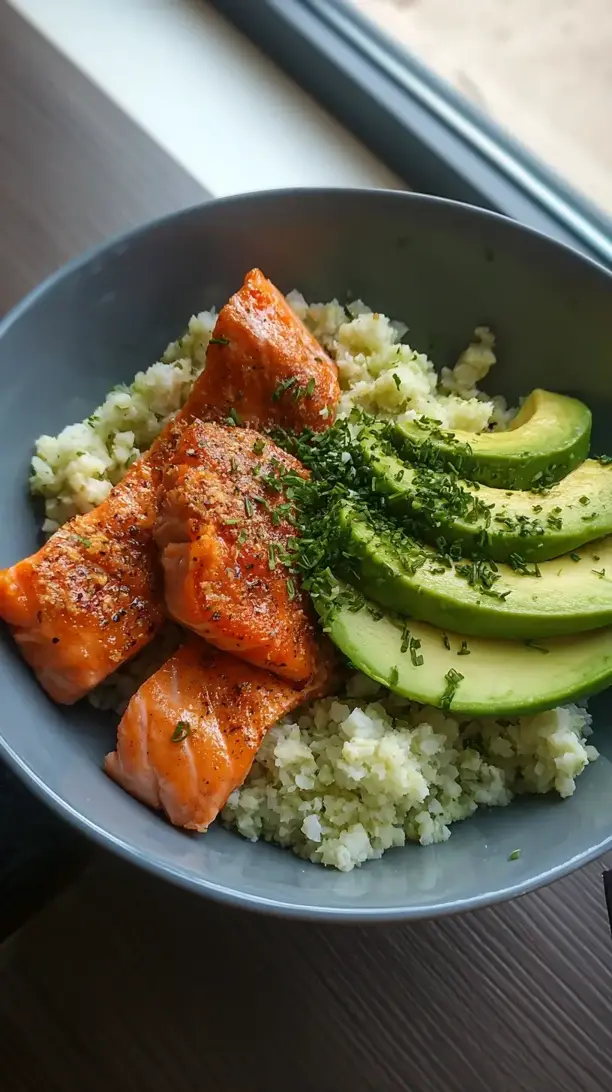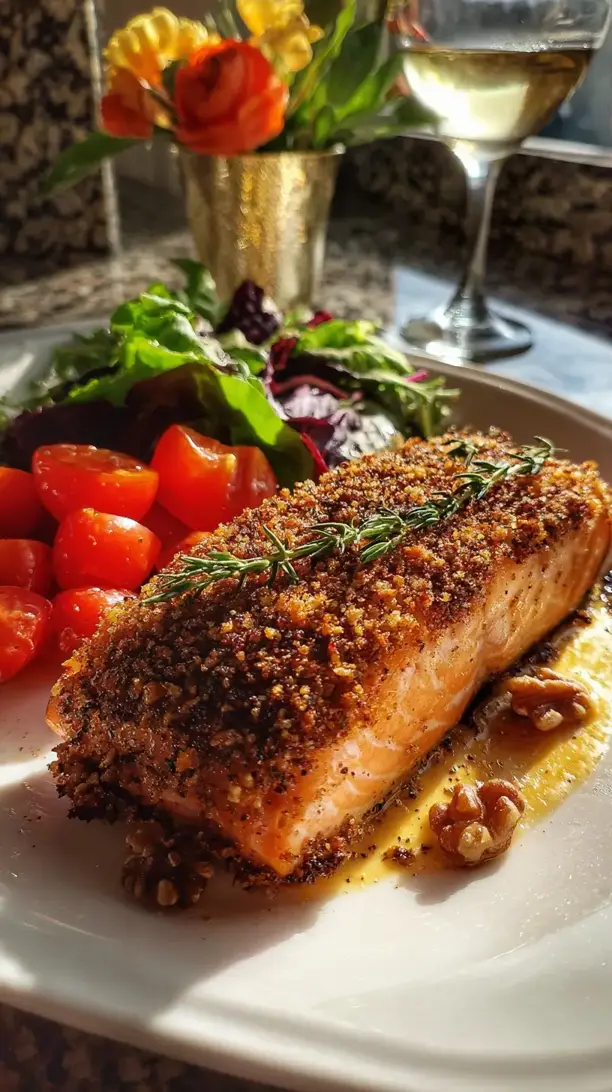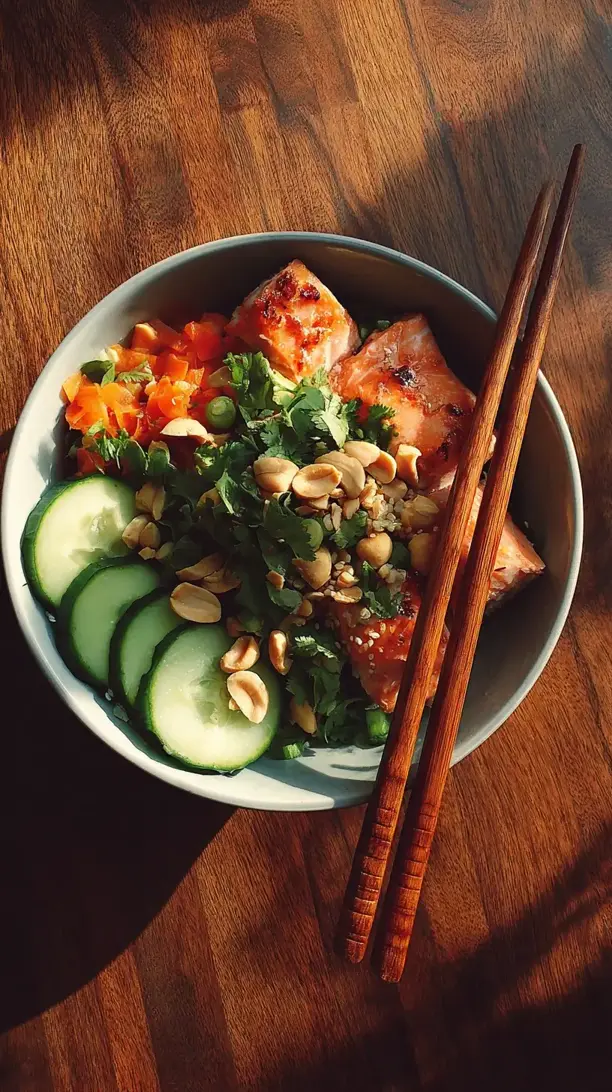

This Paleo Salmon and Vegetables is a complete, flavorful meal that comes together easily on one baking sheet. Tender salmon and roasted vegetables create a harmony of textures with minimal cleanup. It’s a nourishing paleo dinner that feels both special and simple.
Why You’ll Love This Paleo Salmon and Vegetables
- One-pan wonder: Protein, fats, and veggies roast together for easy prep and cleanup.
- Clean, vibrant flavors: Moist salmon and caramelized vegetables shine with simple seasoning.
- Flexible template: Swap vegetables based on preference or what’s in your fridge.
- Elegant yet simple: Impressive enough for guests, easy enough for a weeknight.
Ingredients & Tools
- 4 salmon fillets (about 150-180 g each), skin-on or skinless
- 1 large head of broccoli, cut into florets
- 1 medium red bell pepper, sliced
- 1 medium zucchini, sliced into half-moons
- 1 small red onion, cut into wedges
- 3 tbsp extra virgin olive oil or avocado oil
- 2 tsp dried Italian herbs
- 1 tsp garlic powder
- 1/2 tsp smoked paprika
- 1 large lemon, half juiced, half sliced
- Salt and black pepper to taste
- Fresh parsley or dill for garnish (optional)
Tools: A large rimmed baking sheet, parchment paper (for easier cleanup), a small bowl for mixing the oil and seasonings, and a set of tongs.
Notes: Using good-quality, fresh salmon really makes a difference here—you’ll taste it. And don’t be shy with the seasoning; a little goes a long way in building those foundational flavors that make the whole dish sing.
Nutrition (per serving)
| Calories: | 420 kcal |
| Protein: | 35 g |
| Fat: | 25 g |
| Carbs: | 12 g |
| Fiber: | 4 g |
Serves: 4 | Prep Time: 15 minutes | Cook Time: 18 minutes | Total Time: 33 minutes
Before You Start: Tips & Ingredient Notes
- Is the salmon skin okay to eat? Absolutely! If your fillets have the skin on, you can roast them skin-side down. The skin gets wonderfully crispy and is full of healthy fats and flavor. If you prefer skinless, that works perfectly too.
- Can I use frozen vegetables? You can, but I’d recommend thawing and patting them completely dry first. Frozen veggies release a lot of water as they cook, which can steam the salmon and vegetables instead of letting them roast and caramelize properly.
- What’s the best oil to use? A good extra virgin olive oil adds lovely flavor, but if you’re planning to roast at a very high heat, avocado oil is a great neutral-tasting alternative with a higher smoke point.
- How do I know when the salmon is done? The trick is to look for opaque flesh and for it to flake easily with a fork. An instant-read thermometer inserted into the thickest part should read about 52-54°C (125-130°F) for medium-rare, or up to 60°C (140°F) if you prefer it well-done.
How to Make Paleo Salmon and Vegetables
Step 1: First, preheat your oven to 200°C (400°F) and line your large baking sheet with parchment paper. This little step makes cleanup an absolute dream, trust me. While the oven is heating up, pat your salmon fillets dry with a paper towel—this helps the seasoning stick and promotes a nicer sear on the outside.
Step 2: Now, let’s prep the vegetables. Add your broccoli florets, sliced bell pepper, zucchini, and red onion to a large mixing bowl. Drizzle them with 2 tablespoons of the oil, and then sprinkle with the dried Italian herbs, garlic powder, smoked paprika, and a generous pinch of salt and pepper. Toss everything together with your hands until the vegetables are evenly coated. You’ll notice the vibrant colors already starting to pop with the sheen of the oil.
Step 3: Spread the seasoned vegetables out in a single layer on your prepared baking sheet. You want to give them some space so they roast instead of steam. Pop the tray into the preheated oven and let the vegetables roast for about 10 minutes. This initial head start ensures they’ll be perfectly tender by the time the salmon is cooked through.
Step 4: While the veggies are starting to roast, prepare the salmon. In a small bowl, mix the remaining 1 tablespoon of oil with the juice from half the lemon. Brush this mixture over the top of each salmon fillet, then season them with a little more salt and pepper. This lemon-oil baste will keep the fish incredibly moist and add a bright, fresh flavor.
Step 5: Carefully pull the baking sheet out of the oven after the 10 minutes are up. Use tongs to push the vegetables to the sides, creating space in the center for the salmon fillets. Place the salmon on the hot tray—you should hear a gentle sizzle. Arrange the thin lemon slices from the other half of the lemon on top of the salmon fillets.
Step 6: Return the baking sheet to the oven and roast for another 12-15 minutes. The exact time will depend on the thickness of your fillets. You’re looking for the salmon to be opaque and flake easily with a fork, and the vegetables to be tender with slightly charred, crispy edges. The aroma filling your kitchen will be absolutely incredible.
Step 7: Once everything is perfectly cooked, remove the tray from the oven. Let it rest for just a minute or two—this allows the salmon’s juices to redistribute. Garnish with some freshly chopped parsley or dill if you like, and serve immediately right from the pan for a truly rustic, inviting presentation.
Storage & Freshness Guide
- Fridge: Store leftovers in an airtight container for up to 2 days.
- Freezer: Not recommended; vegetables become mushy and salmon texture suffers.
- Reviving: Reheat in a 300°F oven until warmed through to maintain texture.
Serving Suggestions
Complementary Dishes
- A simple arugula salad with a lemon vinaigrette — The peppery arugula and sharp dressing cut through the richness of the salmon beautifully, adding a fresh, crisp element to the meal.
- Cauliflower rice pilaf with herbs — For a more substantial plate, this light and fluffy “rice” soaks up the delicious juices from the salmon and vegetables without weighing you down.
- Roasted asparagus with a squeeze of lemon — If you’re a veggie lover, doubling down with another simple green vegetable makes the meal feel even more abundant and vibrant.
Drinks
- A crisp, unoaked Chardonnay or Sauvignon Blanc — The bright acidity and citrus notes in these wines are a classic pairing that complements the fatty salmon and lemon flavors perfectly.
- Sparkling water with cucumber and mint — For a non-alcoholic option, this is incredibly refreshing and cleanses the palate between bites of the rich, savory salmon.
- Iced herbal tea, like peppermint or lemon ginger — A cool, caffeine-free drink that echoes the herbal and citrus notes in the dish without any added sweetness.
Something Sweet
- Fresh berry salad with a drizzle of coconut cream — The natural sweetness and slight tartness of the berries provide a light, paleo-friendly finish that feels indulgent but isn’t heavy.
- Dark chocolate (85% cacao) with a few almonds — Just a square or two of high-quality dark chocolate offers a rich, bittersweet end to the meal that satisfies any cocoa craving.
- Baked cinnamon apples — Warm, soft apples with a hint of cinnamon feel like a comforting dessert but are still completely in line with a whole-foods approach.
Top Mistakes to Avoid
- Overcrowding the pan. If you pile all the vegetables on top of each other, they’ll steam and become soggy instead of developing those delicious, caramelized roasted edges. Giving them space is non-negotiable for the best texture.
- Underseasoning the vegetables. Vegetables need a good amount of salt and seasoning to truly shine. Be generous when you’re tossing them in oil—they’re the base of the whole dish, and their flavor should be bold.
- Overcooking the salmon. I’ve messed this up before too… Salmon continues to cook for a minute or two after it comes out of the oven. Pull it out when it’s just slightly under your desired doneness, and let carryover cooking do the rest. Dry salmon is a real tragedy.
- Using a cold baking sheet. Adding the salmon to a hot pan that’s been preheating with the vegetables gives the bottom of the fillet a nice start, leading to a better texture overall. Don’t skip the pre-roasting step for the veggies!
Expert Tips
- Tip: Let all your ingredients come to room temperature for about 15 minutes before you start cooking. This is a small pro-hack that helps everything cook more evenly, so you don’t end up with cold centers and overdone edges.
- Tip: For an extra flavor boost, make a quick herb paste. Mince some fresh rosemary or thyme and mix it with the oil before brushing it on the salmon. The fresh herbs will infuse the fish with an incredible, aromatic depth.
- Tip: If you love crispy skin, start the salmon skin-side down in a hot, oven-safe skillet on the stovetop for 2-3 minutes before transferring the entire skillet to the oven to finish cooking. This method gives you restaurant-quality, crackling-crisp skin.
- Tip: Don’t toss the lemon halves after juicing! You can roast them alongside the vegetables and salmon. Roasted lemon becomes sweeter and less acidic, and it’s fantastic squeezed over everything just before serving.
FAQs
Can I use a different type of fish?
Absolutely. This method works wonderfully with other firm-fleshed fish like cod, halibut, or arctic char. Just keep a close eye on the cooking time, as thinner fillets will cook much faster. The key is to adjust the roasting time after you add the fish to the pan so it doesn’t overcook and become dry.
How should I store and reheat leftovers?
Store any leftovers in an airtight container in the refrigerator for up to 2 days. To reheat, I’d recommend using an oven or toaster oven at a low temperature (around 150°C / 300°F) until just warmed through. The microwave can make the salmon rubbery and the veggies soggy, so it’s best avoided for this dish.
My vegetables are still a bit hard, what happened?
This usually means they were either cut too large or the oven wasn’t hot enough. For even cooking, try to cut your vegetables into uniform, bite-sized pieces. And always make sure your oven is fully preheated—an oven thermometer is a cheap and handy tool to verify the actual temperature inside.
Is this recipe Whole30 compliant?
Yes, it is! As long as you ensure your salmon and vegetables are fresh and your chosen oil and seasonings contain no sugar, dairy, or non-compliant additives, this meal fits perfectly within the Whole30 framework. It’s a fantastic option for any elimination diet.
Can I prepare any part of this meal ahead of time?
You can definitely get a head start. Chop all your vegetables and store them in a container in the fridge a day in advance. You can also mix the oil and dried spice blend for the veggies in a small jar. When you’re ready to cook, just toss everything together and proceed with the recipe—it’ll shave precious minutes off your prep time.

Paleo Salmon And Vegetables
Make this easy Paleo Salmon and Vegetables sheet pan dinner in just 30 minutes. A healthy, flavorful meal with minimal cleanup. Get the recipe now!
Ingredients
For the main ingredients:
-
4 salmon fillets (about 150-180 g each, skin-on or skinless)
-
1 large head broccoli (cut into florets)
-
1 medium red bell pepper (sliced)
-
1 medium zucchini (sliced into half-moons)
-
1 small red onion (cut into wedges)
-
3 tbsp extra virgin olive oil or avocado oil
-
2 tsp dried Italian herbs
-
1 tsp garlic powder
-
1/2 tsp smoked paprika
-
1 large lemon (half juiced, half sliced)
-
Salt and black pepper (to taste)
-
Fresh parsley or dill (for garnish (optional))
Instructions
-
First, preheat your oven to 200°C (400°F) and line your large baking sheet with parchment paper. This little step makes cleanup an absolute dream, trust me. While the oven is heating up, pat your salmon fillets dry with a paper towel—this helps the seasoning stick and promotes a nicer sear on the outside.01
-
Now, let’s prep the vegetables. Add your broccoli florets, sliced bell pepper, zucchini, and red onion to a large mixing bowl. Drizzle them with 2 tablespoons of the oil, and then sprinkle with the dried Italian herbs, garlic powder, smoked paprika, and a generous pinch of salt and pepper. Toss everything together with your hands until the vegetables are evenly coated. You’ll notice the vibrant colors already starting to pop with the sheen of the oil.02
-
Spread the seasoned vegetables out in a single layer on your prepared baking sheet. You want to give them some space so they roast instead of steam. Pop the tray into the preheated oven and let the vegetables roast for about 10 minutes. This initial head start ensures they’ll be perfectly tender by the time the salmon is cooked through.03
-
While the veggies are starting to roast, prepare the salmon. In a small bowl, mix the remaining 1 tablespoon of oil with the juice from half the lemon. Brush this mixture over the top of each salmon fillet, then season them with a little more salt and pepper. This lemon-oil baste will keep the fish incredibly moist and add a bright, fresh flavor.04
-
Carefully pull the baking sheet out of the oven after the 10 minutes are up. Use tongs to push the vegetables to the sides, creating space in the center for the salmon fillets. Place the salmon on the hot tray—you should hear a gentle sizzle. Arrange the thin lemon slices from the other half of the lemon on top of the salmon fillets.05
-
Return the baking sheet to the oven and roast for another 12-15 minutes. The exact time will depend on the thickness of your fillets. You’re looking for the salmon to be opaque and flake easily with a fork, and the vegetables to be tender with slightly charred, crispy edges. The aroma filling your kitchen will be absolutely incredible.06
-
Once everything is perfectly cooked, remove the tray from the oven. Let it rest for just a minute or two—this allows the salmon’s juices to redistribute. Garnish with some freshly chopped parsley or dill if you like, and serve immediately right from the pan for a truly rustic, inviting presentation.07