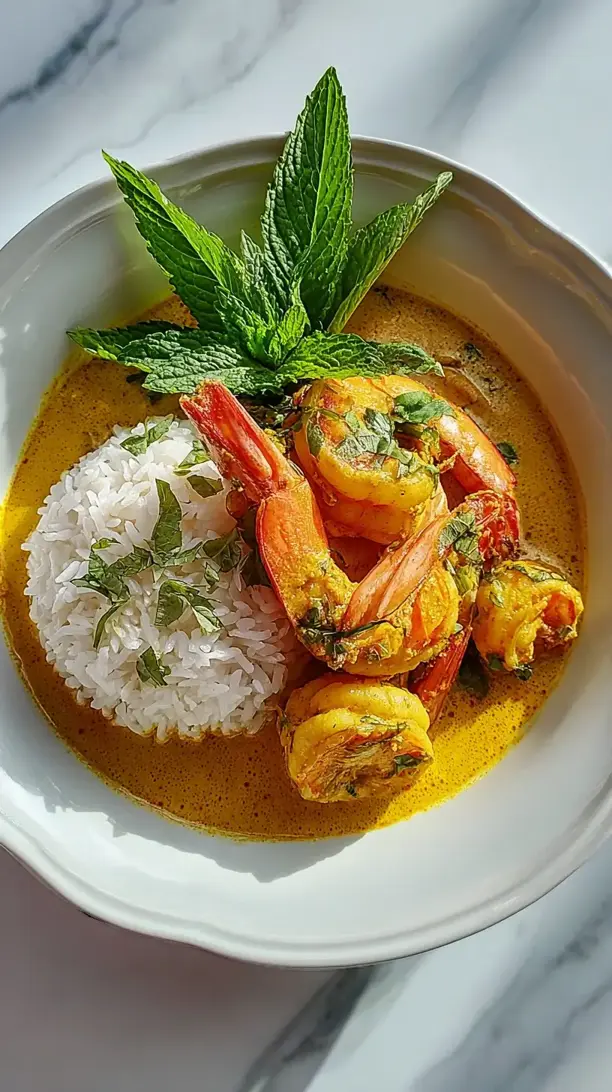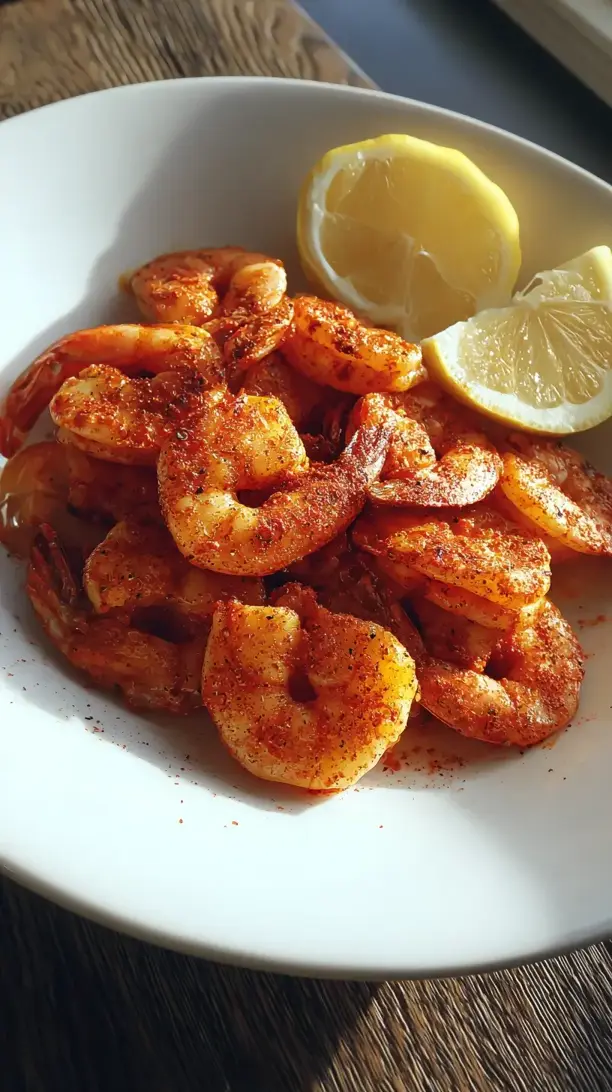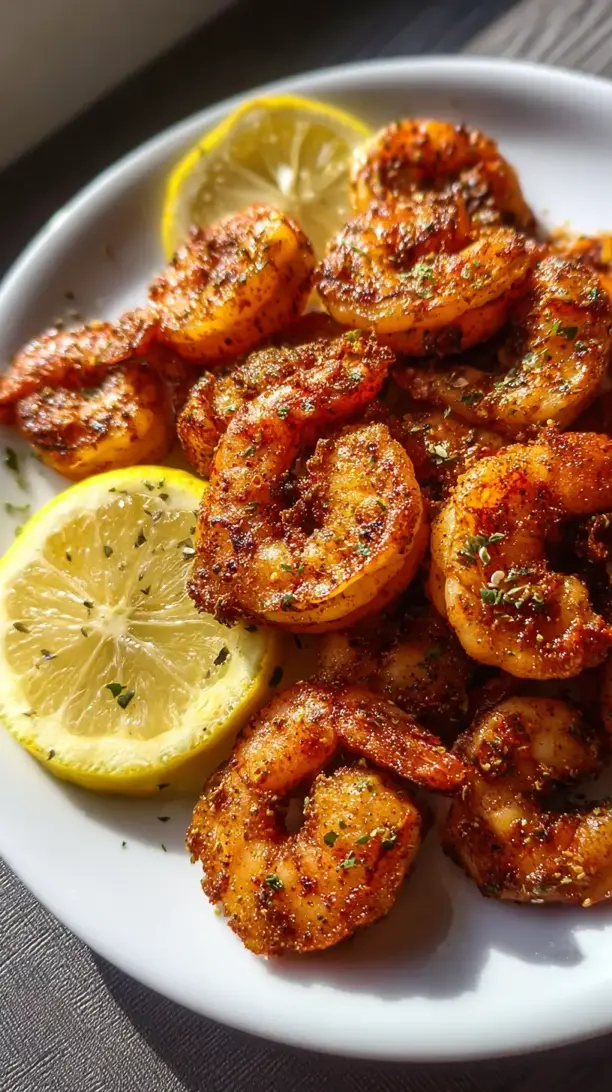

This Pad Thai Shrimp delivers the perfect balance of sweet, sour, salty, and savory with chewy rice noodles and tender shrimp. It’s surprisingly approachable to make at home and comes together faster than takeout. The secret lies in getting the sauce just right and having all your ingredients prepped before you start cooking.
Why You’ll Love This Pad Thai Shrimp
- Flavor explosion: Tamarind, fish sauce, and palm sugar create an addictive sweet-sour-salty profile.
- Faster than takeout: Cooks in under 10 minutes once your ingredients are prepped.
- Incredibly versatile: Easily swap shrimp for tofu, chicken, or extra veggies.
- Perfect texture: Chewy noodles, juicy shrimp, and crunchy beansprouts and peanuts.
Ingredients & Tools
- 200 g dried flat rice noodles
- 300 g medium shrimp, peeled and deveined
- 3 tbsp tamarind concentrate
- 3 tbsp fish sauce
- 2 tbsp palm sugar, finely chopped or grated
- 1 tbsp soy sauce
- 2 eggs
- 3 cloves garlic, minced
- 2 shallots, finely chopped
- 1 cup bean sprouts
- 1/2 cup firm tofu, cut into small cubes (optional)
- 4 spring onions, cut into 1-inch lengths
- 1/4 cup roasted peanuts, roughly chopped
- 1 lime, cut into wedges
- 2 tbsp vegetable oil
- 1-2 tsp dried chili flakes (to taste)
Tools: A large wok or very large skillet, tongs or two spatulas for tossing, a medium bowl for the sauce.
Notes: Tamarind is non-negotiable for authentic sour tang; palm sugar gives deeper sweetness than white sugar. Dark brown sugar is a decent substitute if needed.
Nutrition (per serving)
| Calories: | 485 kcal |
| Protein: | 28 g |
| Fat: | 15 g |
| Carbs: | 60 g |
| Fiber: | 3 g |
Serves: 4 | Prep Time: 25 minutes | Cook Time: 10 minutes | Total Time: 35 minutes
Before You Start: Tips & Ingredient Notes
- Mise en place is your best friend. Pad Thai cooks incredibly fast, so have every single ingredient measured, chopped, and within arm’s reach of the stove. There’s no time to mince garlic once the wok is hot.
- Soak your noodles correctly. Don’t boil them! Simply soak in warm (not hot) water until they are pliable but still firm to the bite. They’ll finish cooking in the wok and soak up all that delicious sauce.
- Don’t skip the tamarind. This is the soul of the dish, providing the essential sour note. Lime juice alone won’t give you the same deep, fruity tang. Tamarind concentrate or paste is available in most Asian grocery stores.
- Get your wok screaming hot. A properly heated wok is the key to that “wok hei” or breath of the wok—a slightly smoky, charred flavor that elevates the entire dish. Don’t be shy with the heat.
How to Make Pad Thai Shrimp
Step 1: Start by preparing your noodles. Place the dried rice noodles in a large bowl and cover them with warm water. Let them soak for about 20-25 minutes, or until they are soft and pliable but still have a definite bite to them. You should be able to wrap a noodle around your finger without it snapping. Drain them thoroughly and set aside.
Step 2: While the noodles soak, make the all-important sauce. In a medium bowl, whisk together the tamarind concentrate, fish sauce, palm sugar, and soy sauce. Stir it really well until the palm sugar has completely dissolved. Taste it—you’ll get a powerful hit of flavors, but that’s exactly what you want. It should be a bold balance of salty, sweet, and sour. Set this flavor bomb aside.
Step 3: Now, let’s get cooking. Heat your wok or large skillet over high heat until it’s seriously hot. A drop of water should sizzle and evaporate on contact. Add the vegetable oil and swirl it around. Toss in the minced garlic, chopped shallots, and dried chili flakes. Stir-fry for just 30-45 seconds until they become incredibly fragrant—you don’t want them to burn.
Step 4: Add the shrimp (and tofu, if using) to the wok. Spread them out in a single layer and let them sear for about 30 seconds before you start tossing. You’re looking for the shrimp to turn pink and opaque and the tofu to get a little golden. This should take about 2 minutes total. Push everything to one side of the wok.
Step 5: Crack the eggs into the empty space in the wok. Let them set for about 10 seconds, then quickly scramble them with your spatula until they’re just cooked through but still soft. Now, toss everything in the wok together—the shrimp, tofu, and eggs.
Step 6: It’s noodle time! Add the drained, soaked noodles to the wok. Immediately pour your pre-mixed sauce over the top. Using two utensils, toss and fold everything together constantly. You’ll notice the noodles will start to soften and absorb the sauce, turning a beautiful caramel color. Keep tossing for 2-3 minutes until the noodles are tender and coated evenly.
Step 7: Now for the final fresh additions. Throw in about three-quarters of your bean sprouts and all of the spring onions. Give everything a few more good tosses—just for about 30-45 seconds—to wilt the vegetables slightly while still keeping some of their crunch.
Step 8: Your Pad Thai is done! Turn off the heat and transfer it immediately to serving plates. Top with the remaining fresh bean sprouts, a generous handful of chopped roasted peanuts, and a big wedge of lime on the side for squeezing over just before eating.
Storage & Freshness Guide
- Fridge: Store in an airtight container for up to 3 days.
- Freezer: Not recommended; noodles can become mushy upon thawing.
- Reviving: Reheat in a wok with a splash of water or briefly in the microwave.
Serving Suggestions
Complementary Dishes
- Fresh Summer Rolls — Their cool, herby, and clean flavors provide a wonderful contrast to the rich and savory notes of the Pad Thai. The crisp lettuce and mint inside are a perfect palate cleanser.
- A Simple Cucumber Salad — Just sliced cucumbers, a little red onion, rice vinegar, and a pinch of sugar. It’s refreshing, crunchy, and cuts through the dish’s richness beautifully.
- Tom Kha Gai (Coconut Soup) — The creamy, aromatic, and slightly spicy coconut broth is a classic Thai pairing that feels like a full restaurant experience right at home.
Drinks
- Thai Iced Tea — The sweet, creamy, and strongly brewed tea is the ultimate partner for spicy and savory Thai food. It cools the palate and complements the flavors perfectly.
- A Crisp Lager — A light, clean beer like a Japanese lager or a pilsner won’t overpower the dish. Its carbonation and slight bitterness help reset your taste buds between bites.
- Citrus-Forward White Wine — A Sauvignon Blanc or a dry Riesling with its bright acidity and citrus notes can stand up to the dynamic flavors without clashing.
Something Sweet
- Mango with Sticky Rice — It’s the iconic finale. The sweet, creamy coconut rice paired with ripe, juicy mango is a timeless combination that feels both indulgent and wonderfully light.
- Coconut Ice Cream — A simple scoop of rich, creamy coconut ice cream is a fantastic and easy way to end the meal. The cool, sweet creaminess is the perfect follow-up to the tangy, spicy noodles.
- Lychee Fruit — For a super light finish, just open a can of lychees. They’re floral, sweet, and juicy, providing a refreshing and almost palate-cleansing end to your feast.
Top Mistakes to Avoid
- Mistake: Over-soaking or boiling the noodles. This will turn them into a mushy, gummy mess that will fall apart in the wok. You want them al dente before they hit the heat so they can absorb the sauce and finish cooking to a perfect chewy texture.
- Mistake: Not having everything prepped beforehand. I’ve messed this up before too… and ended up with burnt garlic while frantically trying to crack an egg. The cooking process is so fast that if you stop to chop something, you’ll burn what’s in the wok.
- Mistake: Crowding the wok. If you add too many cold ingredients at once, you’ll steam everything instead of stir-frying it. You want that high-heat sear for flavor. Cook in two batches if your wok is on the smaller side.
- Mistake: Skipping the final fresh garnishes. Those extra bean sprouts, peanuts, and lime wedge aren’t just for looks. They add crucial fresh texture, nutty crunch, and a burst of acidity that lifts the entire dish.
Expert Tips
- Tip: Use a carbon steel or cast iron wok. These materials hold and distribute high heat far better than non-stick skillets, which is essential for achieving that authentic, slightly smoky stir-fry character. A well-seasoned wok is a thing of beauty.
- Tip: Press your tofu. If you’re using tofu, take 15 minutes before you start to press it between paper towels with a heavy plate on top. This removes excess water, allowing it to crisp up and soak up the sauce instead of steaming and making the dish watery.
- Tip: Add a splash of water if needed. If your noodles seem a bit dry or are sticking to the wok during the final toss, don’t add more oil. Add a tablespoon or two of water instead. It will create a burst of steam that helps loosen everything and helps the sauce coat the noodles more evenly.
- Tip: Cook for one more serving than you need. Pad Thai is famously fantastic as leftovers for lunch the next day. It reheats surprisingly well in a microwave or quickly in a wok with a tiny splash of water.
FAQs
Can I make this dish ahead of time?
You can prep all the components ahead of time, which is a huge time-saver. Have your sauce mixed, your vegetables chopped, and your noodles soaked and drained. Store them separately in the fridge. When you’re ready to eat, the actual cooking will take just 10 minutes. I don’t recommend cooking the entire dish hours in advance, as the noodles can continue to absorb moisture and become a bit soft.
What’s the best substitute for tamarind?
Honestly, it’s hard to replicate, but if you’re in a real bind, you can use a combination of fresh lime juice and a bit of brown sugar. Use 2 tablespoons of lime juice and 1 tablespoon of brown sugar for every 3 tablespoons of tamarind. The flavor profile will be different—brighter and more citrusy—but it will still be a tasty noodle dish.
My Pad Thai turned out too sweet/salty. How can I fix it?
It happens! If it’s too sweet, balance it with an extra squeeze of lime juice and a tiny extra splash of fish sauce. If it’s too salty, a bit more fresh lime juice and a pinch of palm or brown sugar can help. The trick is to adjust in very small increments, tasting as you go.
Is there a way to make this vegetarian?
Absolutely! Simply omit the shrimp and fish sauce. Use firm tofu or tempeh for protein. For the sauce, substitute the fish sauce with soy sauce or, even better, a vegan “fish” sauce made from mushrooms and seaweed, which you can find at many Asian grocery stores. The rest of the recipe stays the same.
Why are my noodles sticking together?
This usually means they were either over-soaked (becoming too starchy) or your wok wasn’t hot enough when you added them. Make sure to drain them very well after soaking, and ensure your wok is properly preheated. Having your sauce ready to pour over them the second they hit the heat also helps to separate them and coat each strand.
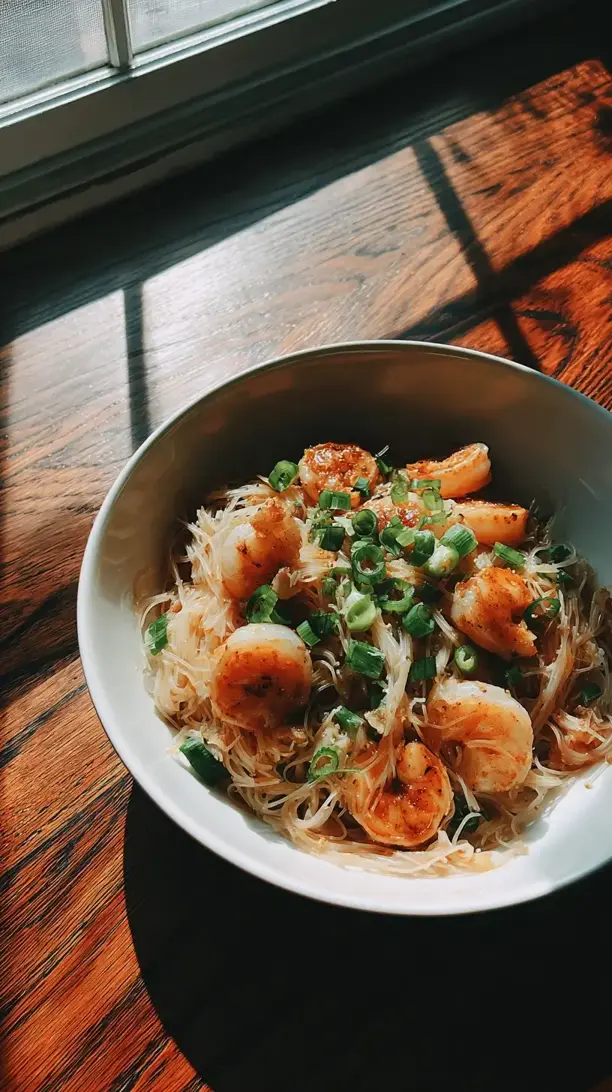
Pad Thai Shrimp
Make authentic Pad Thai Shrimp at home in under 10 minutes! This easy recipe delivers the perfect balance of sweet, sour, and savory. Get the recipe now!
Ingredients
For the main ingredients:
-
200 g dried flat rice noodles
-
300 g medium shrimp (peeled and deveined)
-
3 tbsp tamarind concentrate
-
3 tbsp fish sauce
-
2 tbsp palm sugar (finely chopped or grated)
-
1 tbsp soy sauce
-
2 eggs
-
3 cloves garlic (minced)
-
2 shallots (finely chopped)
-
1 cup bean sprouts
-
1/2 cup firm tofu (cut into small cubes (optional))
-
4 spring onions (cut into 1-inch lengths)
-
1/4 cup roasted peanuts (roughly chopped)
-
1 lime (cut into wedges)
-
2 tbsp vegetable oil
-
1-2 tsp dried chili flakes (to taste)
Instructions
-
Start by preparing your noodles. Place the dried rice noodles in a large bowl and cover them with warm water. Let them soak for about 20-25 minutes, or until they are soft and pliable but still have a definite bite to them. You should be able to wrap a noodle around your finger without it snapping. Drain them thoroughly and set aside.01
-
While the noodles soak, make the all-important sauce. In a medium bowl, whisk together the tamarind concentrate, fish sauce, palm sugar, and soy sauce. Stir it really well until the palm sugar has completely dissolved. Taste it—you’ll get a powerful hit of flavors, but that’s exactly what you want. It should be a bold balance of salty, sweet, and sour. Set this flavor bomb aside.02
-
Now, let’s get cooking. Heat your wok or large skillet over high heat until it’s seriously hot. A drop of water should sizzle and evaporate on contact. Add the vegetable oil and swirl it around. Toss in the minced garlic, chopped shallots, and dried chili flakes. Stir-fry for just 30-45 seconds until they become incredibly fragrant—you don’t want them to burn.03
-
Add the shrimp (and tofu, if using) to the wok. Spread them out in a single layer and let them sear for about 30 seconds before you start tossing. You’re looking for the shrimp to turn pink and opaque and the tofu to get a little golden. This should take about 2 minutes total. Push everything to one side of the wok.04
-
Crack the eggs into the empty space in the wok. Let them set for about 10 seconds, then quickly scramble them with your spatula until they’re just cooked through but still soft. Now, toss everything in the wok together—the shrimp, tofu, and eggs.05
-
It’s noodle time! Add the drained, soaked noodles to the wok. Immediately pour your pre-mixed sauce over the top. Using two utensils, toss and fold everything together constantly. You’ll notice the noodles will start to soften and absorb the sauce, turning a beautiful caramel color. Keep tossing for 2-3 minutes until the noodles are tender and coated evenly.06
-
Now for the final fresh additions. Throw in about three-quarters of your bean sprouts and all of the spring onions. Give everything a few more good tosses—just for about 30-45 seconds—to wilt the vegetables slightly while still keeping some of their crunch.07
-
Your Pad Thai is done! Turn off the heat and transfer it immediately to serving plates. Top with the remaining fresh bean sprouts, a generous handful of chopped roasted peanuts, and a big wedge of lime on the side for squeezing over just before eating.08