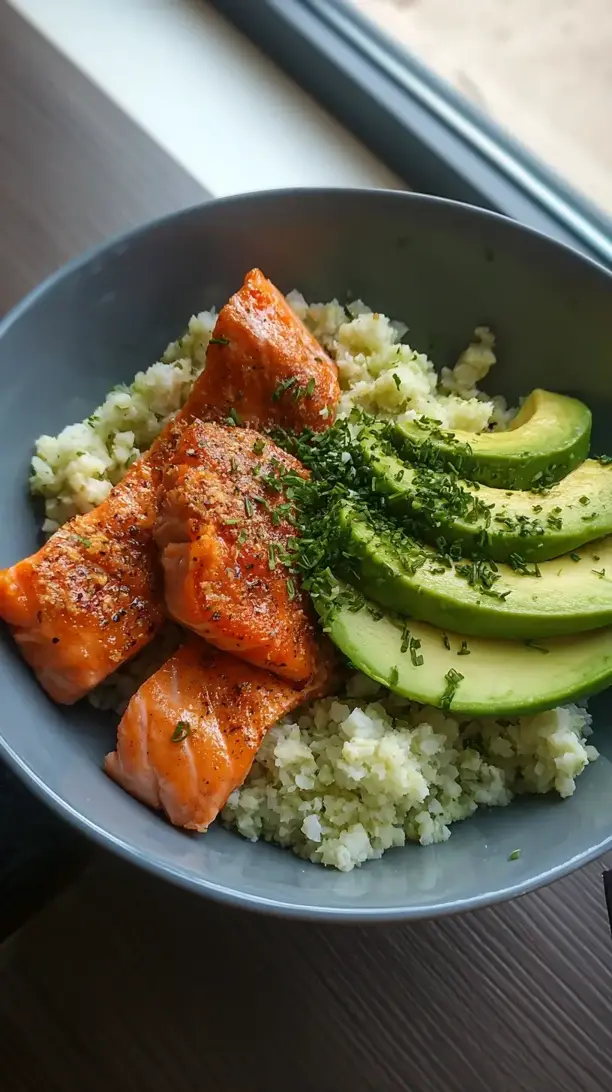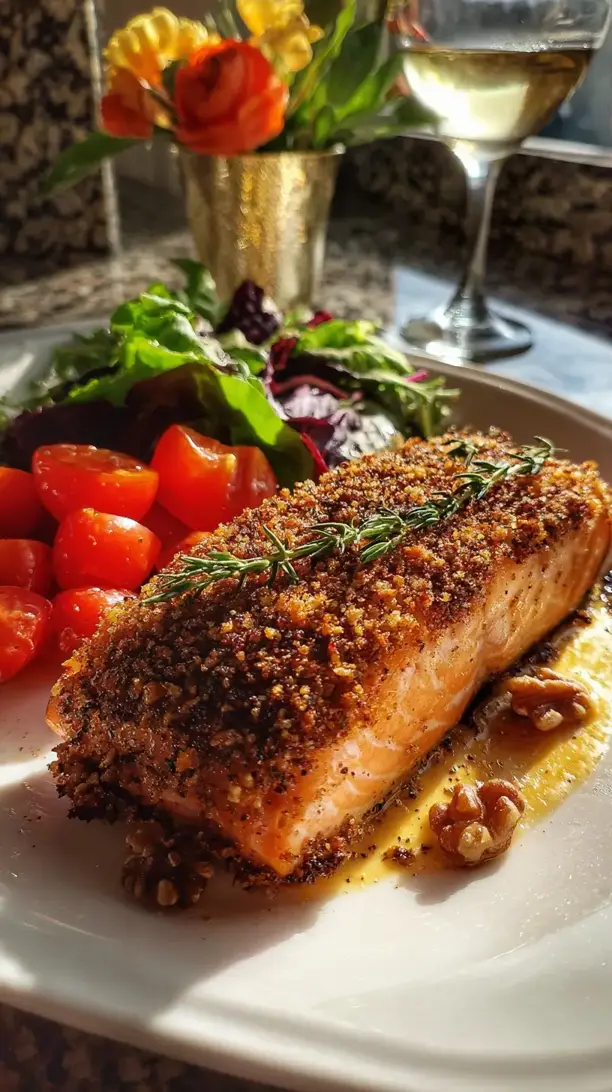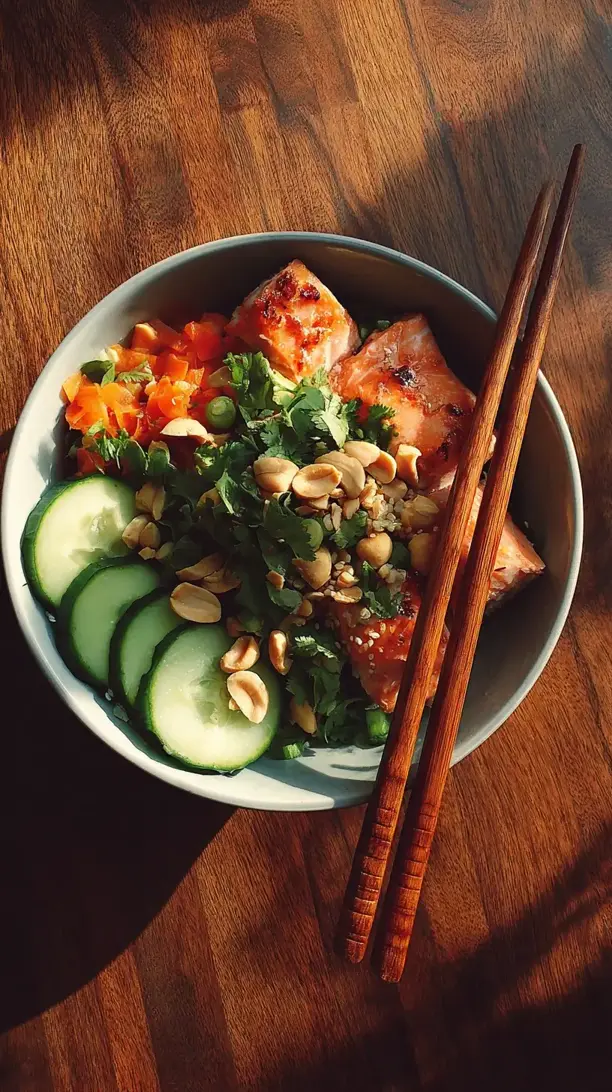

This Olive Tapenade Salmon recipe delivers restaurant-quality flavor with minimal effort. The briny olive crust perfectly complements the tender, flaky fish for an elegant yet simple meal. You’ll love how this impressive dish comes together in under 30 minutes.
Why You’ll Love This Olive Tapenade Salmon
- Effortless Elegance: Looks and tastes gourmet but comes together quickly.
- Flavor Powerhouse: Umami-packed tapenade transforms the salmon.
- Incredibly Versatile: Serve hot, at room temperature, or flaked over pasta.
- Healthy & Satisfying: Packed with omega-3s and healthy fats.
Ingredients & Tools
- 2 (6-ounce) salmon fillets, skin-on or skinless
- 1 cup pitted Kalamata olives
- 2 tbsp capers, drained
- 2 cloves garlic, roughly chopped
- 3 tbsp extra virgin olive oil, divided
- 1 tbsp fresh lemon juice
- 1 tsp lemon zest
- 2 tbsp fresh parsley, chopped
- 1 tsp fresh thyme leaves
- ¼ tsp black pepper, freshly ground
- 1 pinch red pepper flakes (optional)
Tools: A food processor or blender, a baking sheet, parchment paper.
Notes: Don’t skimp on the olive oil—it creates the luscious tapenade texture and helps form a beautiful crust.
Nutrition (per serving)
| Calories: | 485 kcal |
| Protein: | 35 g |
| Fat: | 36 g |
| Carbs: | 5 g |
| Fiber: | 2 g |
Serves: 2 | Prep Time: 10 minutes | Cook Time: 12-15 minutes | Total Time: 25 minutes
Before You Start: Tips & Ingredient Notes
- Salmon Selection Matters. Try to find fillets that are of even thickness for consistent cooking. If one end is much thinner, it will overcook before the thicker part is done. I prefer skin-on for extra protection against drying out, but skinless works perfectly fine.
- Don’t Rinse the Capers. The briny liquid they’re packed in is part of the flavor! Just drain them well and toss them right into the food processor. That salty, tangy punch is essential for balancing the richness of the olives and the salmon.
- Pit Your Olives Thoroughly. It might seem obvious, but double-check that your Kalamata olives are truly pitted. A stray pit can seriously damage your food processor’s blade—and your teeth! I always give them a quick visual check before they go in.
- Fresh Herbs are Non-Negotiable. While dried parsley and thyme can work in a pinch, the bright, clean flavor of fresh herbs really lifts the entire tapenade. They cut through the saltiness and add a wonderful aromatic quality that dried herbs simply can’t match.
How to Make Olive Tapenade Salmon
Step 1: First, preheat your oven to 400°F (200°C). This is a fairly hot oven, and that’s intentional—we want to get a nice sear on the bottom of the salmon and cook it through relatively quickly to keep it moist. While the oven heats up, pat your salmon fillets completely dry with paper towels. This is a crucial step for getting a good sear and preventing the fish from steaming. Season the fillets lightly with a tiny pinch of salt (remember, the tapenade is very salty) and some black pepper on both sides.
Step 2: Now, let’s make the star of the show: the olive tapenade. In the bowl of a food processor, combine the pitted Kalamata olives, drained capers, chopped garlic, 2 tablespoons of the olive oil, lemon juice, lemon zest, parsley, thyme, black pepper, and red pepper flakes if using. Pulse the mixture 8-10 times until it’s well combined but still has some texture. You’re aiming for a coarse paste, not a smooth puree. You’ll notice the incredible aroma immediately—it’s salty, garlicky, and herby all at once.
Step 3: Line a baking sheet with parchment paper for easy cleanup. Heat the remaining 1 tablespoon of olive oil in a large oven-safe skillet over medium-high heat. If you don’t have an oven-safe skillet, you can just use the prepared baking sheet and skip the stovetop sear—it will still be delicious, though you’ll miss that crispy skin or bottom crust. Once the oil is shimmering, place the salmon fillets in the skillet, skin-side down if they have skin. Sear them for exactly 2 minutes without moving them. This creates a fantastic foundation.
Step 4: If you used a skillet, transfer it directly to the preheated oven. If you’re using a baking sheet from the start, place the seasoned salmon on it now. Using a spoon, divide the tapenade mixture evenly between the two fillets, pressing it down gently to form a thick, even layer that covers the top surface. You want a good, generous amount—this is what creates the flavor crust. The tapenade should look dark and chunky.
Step 5: Bake the salmon for 10-12 minutes. The exact time will depend on the thickness of your fillets. You’ll know it’s done when the tapenade looks a bit crusty on top and the salmon flakes easily with a fork at its thickest part. For medium-rare, aim for 10 minutes; for fully opaque, go for 12. Be careful not to overcook it, as salmon can go from perfectly moist to dry very quickly. The internal temperature should read 125-130°F for medium-rare or 135-140°F for well-done.
Step 6: Once out of the oven, let the salmon rest for 2-3 minutes on the baking sheet or skillet. This allows the juices to redistribute throughout the fillet, ensuring every single bite is succulent. This is the hardest part—waiting while that incredible smell fills your kitchen! After resting, use a thin spatula to carefully transfer the fillets to plates. Serve immediately while it’s hot and the flavors are at their peak.
Storage & Freshness Guide
- Fridge: Store leftovers in an airtight container for up to 2 days.
- Freezer: Not recommended as the texture will become watery.
- Reviving: Reheat in a 300°F oven for 10 minutes until warmed through.
Serving Suggestions
Complementary Dishes
- Lemon-Herb Orzo — The light, citrusy notes of the orzo are a perfect, fluffy base that soaks up any delicious juices from the salmon without competing with the strong tapenade flavor.
- Simple Arugula Salad — A handful of peppery arugula dressed with just a squeeze of lemon and a drizzle of olive oil provides a fresh, bitter counterpoint that cuts through the richness beautifully.
- Roasted Asparagus — The earthy, slightly charred flavor of roasted asparagus is a classic partner for salmon and adds a lovely green, crisp-tender element to the plate.
Drinks
- Crisp Sauvignon Blanc — The high acidity and citrus notes in a good Sauvignon Blanc act like a squeegee for your palate, clearing the way for each new bite of the savory salmon.
- Sparkling Water with Lemon — For a non-alcoholic option, the bubbles and citrus are incredibly refreshing and help reset your taste buds between the powerful, salty bites of the tapenade.
Something Sweet
- Lemon Sorbet — A scoop of bright, clean lemon sorbet is the ultimate palate cleanser after a rich meal. It’s light, refreshing, and continues the citrus theme from the main course.
- Almond Biscotti — The subtle nuttiness and crunchy texture of biscotti are a wonderful, not-too-sweet ending that pairs nicely with a cup of coffee or tea.
Top Mistakes to Avoid
- Mistake: Over-processing the tapenade. If you run the food processor for too long, you’ll end up with a muddy, oily paste instead of a textured condiment. The charm of tapenade is in its little bits and pieces of olive and caper.
- Mistake: Skipping the pat-dry step. If the salmon skin or surface is wet, it will steam instead of sear, resulting in a soft, less flavorful exterior. A dry surface is the secret to that desirable texture.
- Mistake: Overcooking the salmon. I’ve messed this up before too… Salmon continues to cook from residual heat after it comes out of the oven. It’s better to pull it out when it’s *almost* done to your liking, as it will firm up during the resting period.
- Mistake: Adding extra salt to the tapenade. The olives and capers provide more than enough salinity on their own. Always taste the tapenade before even thinking about adding more salt.
Expert Tips
- Tip: Make a double batch of tapenade. It keeps beautifully in the fridge for up to a week. You can use the extra as a spread for sandwiches, a topping for grilled chicken, or mixed into pasta for an instant flavor boost.
- Tip: Use the back of a spoon to spread. When applying the tapenade to the salmon, use the back of a spoon to press and spread it gently. This helps it adhere to the surface and form a unified crust as it bakes.
- Tip: Check for doneness with a fork, not a timer. Oven temperatures can vary. Start checking your salmon at the 8-minute mark by gently pressing the top with a fork. If it flakes easily, it’s ready. The timer is just a guide.
- Tip: Let it rest. I know, I’m repeating myself, but it’s that important! Those few minutes of rest time allow the muscle fibers in the fish to relax and reabsorb their juices, guaranteeing a moist result.
FAQs
Can I make this with a different type of fish?
Absolutely! This tapenade is a fantastic topping for other firm, meaty fish like halibut, swordfish, or cod. Just be mindful that cooking times will vary depending on the thickness and type of fish you choose. The key is to pick a fish that can stand up to the bold flavor of the tapenade without getting lost.
I don’t have a food processor. Can I still make the tapenade?
Yes, you can! Simply chop the olives, capers, garlic, and herbs as finely as you can with a sharp chef’s knife. Then, mix them in a bowl with the olive oil, lemon juice, and zest. It will take a bit more elbow grease, but the result will be a wonderfully rustic, hand-chopped tapenade with great texture.
How should I store and reheat leftovers?
Store any leftover salmon in an airtight container in the refrigerator for up to 2 days. To reheat, place it in a 300°F (150°C) oven for about 10 minutes, or until just warmed through. Avoid the microwave, as it will make the fish rubbery and can overwhelm the kitchen with a fishy smell.
Can I use green olives instead of Kalamata?
You can, but the flavor profile will change significantly. Kalamata olives are rich and fruity, while green olives (like Manzanilla) are more sharp and bracing. If you use green olives, you might want to add a teaspoon of honey or a pinch of sugar to the tapenade to balance the sharper notes.
Is it okay to use dried herbs if I don’t have fresh?
It’s okay in a pinch, but use only one-third the amount called for, as dried herbs are more potent. So, for 2 tablespoons of fresh parsley, you’d use about 2 teaspoons of dried. The flavor won’t be as bright and vibrant, but it will still be tasty.
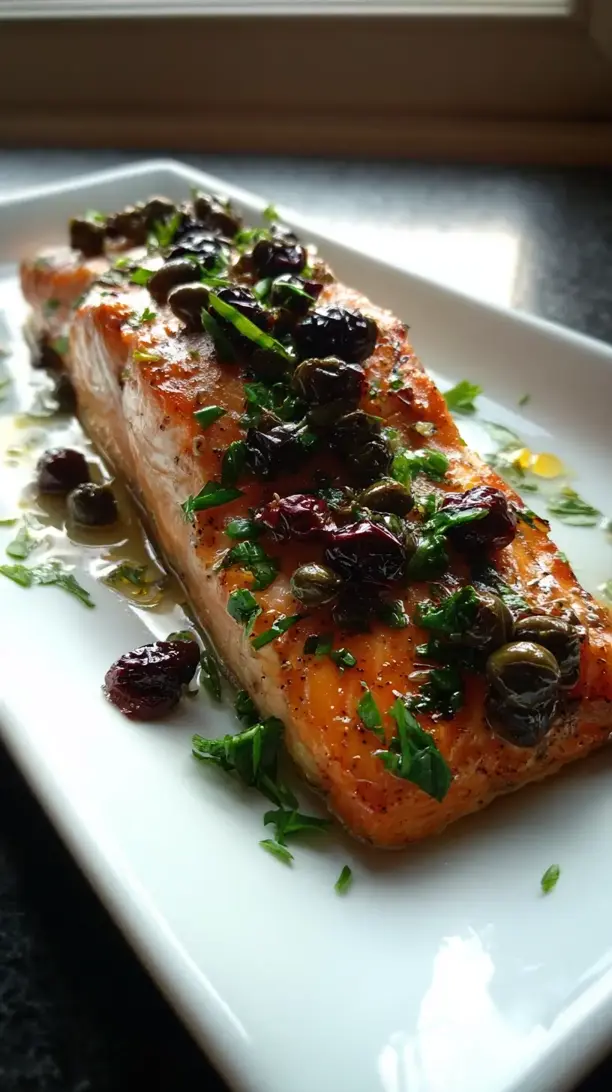
Olive Tapenade Salmon
Make this easy Olive Tapenade Salmon for a flavorful, healthy meal in under 30 minutes. Get the recipe for perfectly cooked salmon with a briny olive crust!
Ingredients
For the salmon and tapenade:
-
2 salmon fillets (6-ounce each, skin-on or skinless)
-
1 cup pitted Kalamata olives
-
2 tbsp capers (drained)
-
2 cloves garlic (roughly chopped)
-
3 tbsp extra virgin olive oil (divided)
-
1 tbsp fresh lemon juice
-
1 tsp lemon zest
-
2 tbsp fresh parsley (chopped)
-
1 tsp fresh thyme leaves
-
0.25 tsp black pepper (freshly ground)
-
1 pinch red pepper flakes (optional)
Instructions
-
First, preheat your oven to 400°F (200°C). This is a fairly hot oven, and that’s intentional—we want to get a nice sear on the bottom of the salmon and cook it through relatively quickly to keep it moist. While the oven heats up, pat your salmon fillets completely dry with paper towels. This is a crucial step for getting a good sear and preventing the fish from steaming. Season the fillets lightly with a tiny pinch of salt (remember, the tapenade is very salty) and some black pepper on both sides.01
-
Now, let's make the star of the show: the olive tapenade. In the bowl of a food processor, combine the pitted Kalamata olives, drained capers, chopped garlic, 2 tablespoons of the olive oil, lemon juice, lemon zest, parsley, thyme, black pepper, and red pepper flakes if using. Pulse the mixture 8-10 times until it’s well combined but still has some texture. You’re aiming for a coarse paste, not a smooth puree. You’ll notice the incredible aroma immediately—it’s salty, garlicky, and herby all at once.02
-
Line a baking sheet with parchment paper for easy cleanup. Heat the remaining 1 tablespoon of olive oil in a large oven-safe skillet over medium-high heat. If you don't have an oven-safe skillet, you can just use the prepared baking sheet and skip the stovetop sear—it will still be delicious, though you'll miss that crispy skin or bottom crust. Once the oil is shimmering, place the salmon fillets in the skillet, skin-side down if they have skin. Sear them for exactly 2 minutes without moving them. This creates a fantastic foundation.03
-
If you used a skillet, transfer it directly to the preheated oven. If you're using a baking sheet from the start, place the seasoned salmon on it now. Using a spoon, divide the tapenade mixture evenly between the two fillets, pressing it down gently to form a thick, even layer that covers the top surface. You want a good, generous amount—this is what creates the flavor crust. The tapenade should look dark and chunky.04
-
Bake the salmon for 10-12 minutes. The exact time will depend on the thickness of your fillets. You’ll know it’s done when the tapenade looks a bit crusty on top and the salmon flakes easily with a fork at its thickest part. For medium-rare, aim for 10 minutes; for fully opaque, go for 12. Be careful not to overcook it, as salmon can go from perfectly moist to dry very quickly. The internal temperature should read 125-130°F for medium-rare or 135-140°F for well-done.05
-
Once out of the oven, let the salmon rest for 2-3 minutes on the baking sheet or skillet. This allows the juices to redistribute throughout the fillet, ensuring every single bite is succulent. This is the hardest part—waiting while that incredible smell fills your kitchen! After resting, use a thin spatula to carefully transfer the fillets to plates. Serve immediately while it's hot and the flavors are at their peak.06