
Why You’ll Love This Oat Flour Shortbread Cookies
- An incredible, delicate texture. Oat flour creates a beautifully tender and crumbly cookie that literally melts on your tongue, offering a delightful contrast to traditional shortbread.
- Simple, wholesome ingredients. With a short list of pantry staples, this recipe feels honest and approachable. You probably have everything you need already!
- Endlessly adaptable. This is a fantastic base recipe. Once you master the classic version, you can easily fold in citrus zest, a drizzle of dark chocolate, or a sprinkle of flaky sea salt to make it your own.
- Surprisingly easy to make. Honestly, the hardest part is waiting for them to cool. The dough comes together in minutes with minimal effort, making it perfect for a spontaneous baking session.
Ingredients & Tools
- 200 g oat flour (see notes below!)
- 115 g unsalted butter, softened
- 60 g powdered sugar
- 1/2 tsp pure vanilla extract
- 1/4 tsp fine sea salt
Tools: A medium mixing bowl, a whisk or electric hand mixer, a rubber spatula, a baking sheet, and parchment paper.
The quality of your oat flour really makes a difference here—it’s the star of the show! Using softened, but not melted, butter is the secret to achieving that perfect, crumbly texture we all crave in a good shortbread.
Nutrition (per serving)
- Calories: 125 kcal
- Protein: 2 g
- Fat: 8 g
- Carbohydrates: 12 g
- Fiber: 1 g
Serves: 12 | Prep Time: 10 minutes | Cook Time: 15 minutes | Total Time: 25 minutes
Before You Start: Tips & Ingredient Notes
- Get your butter just right. Your butter should be softened to room temperature, meaning it’s cool to the touch but your finger can easily make an indentation. If it’s oily or greasy, it’s too warm and will make the cookies spread.
- Don’t skip the sifting. Oat flour can be a bit clumpy. Sifting your oat flour and powdered sugar together ensures there are no lumps, which leads to a smoother, more uniform dough and a better final texture.
- Why powdered sugar? Using powdered sugar instead of granulated is key. It dissolves more easily into the butter, resulting in a finer, more delicate crumb and a melt-in-your-mouth experience that granulated sugar can’t quite achieve.
- Weigh your ingredients. For baking, especially with alternative flours, a kitchen scale is your best friend. It provides the most accurate measurement and guarantees consistent results every single time.
How to Make Oat Flour Shortbread Cookies
Step 1: First, preheat your oven to 325°F (165°C) and line a baking sheet with parchment paper. This is a quick recipe, so you want your oven ready to go. In your mixing bowl, combine the softened butter and powdered sugar. Using a whisk or an electric hand mixer on low speed, cream them together until the mixture is just combined and looks pale and fluffy. You don’t need to whip a ton of air into it—just until it’s smooth and no sugar streaks remain.
Step 2: Now, stir in the vanilla extract and salt. Mix until they are fully incorporated. At this stage, the aroma will start to become really inviting—that classic, sweet, buttery scent is the hallmark of a good shortbread base. Scrape down the sides of the bowl with a spatula to make sure everything is evenly mixed.
Step 3: Here’s where the magic happens. Add the sifted oat flour to the butter mixture. I like to do this in two additions, folding gently with the spatula. The dough will be quite soft and might seem a little crumbly at first, but as you continue to mix, it will come together into a cohesive, slightly sandy dough. If you squeeze a handful, it should hold its shape.
Step 4: Turn the dough out onto the prepared baking sheet. Gently press and pat it into a rectangle or circle that’s about 1/2-inch thick. You can use your hands or the bottom of a flat glass. The trick is to be gentle—you’re pressing, not kneading. Then, take a sharp knife and score the dough into 12 even portions. This makes them easy to break apart after baking.
Step 5: For that authentic shortbread look, use a fork to prick each portion a few times. This isn’t just for decoration; it allows steam to escape during baking, preventing the cookies from puffing up too much. They should bake flat and even.
Step 6: Place the baking sheet in the preheated oven and bake for 14-16 minutes. You’ll know they’re done when the edges are just starting to turn a very light golden brown. The centers will still look quite pale and soft—this is perfect! They will firm up significantly as they cool. Do not overbake them, or they’ll become dry.
Step 7: This is the most important step: let them cool completely on the baking sheet. I know it’s tempting, but you must resist! They are extremely fragile when warm. As they cool, they set into that signature crisp, crumbly texture. Once completely cool, break them apart along the scored lines.
Serving Suggestions
Complementary Dishes
- A simple fruit compote — The bright, tangy sweetness of berries cooked down with a little lemon juice provides a beautiful contrast to the rich, buttery cookies.
- A sharp cheese board — Serve these alongside a mature cheddar or a creamy blue cheese; the salty, savory notes of the cheese are a classic and fantastic pairing with the sweet shortbread.
- Vanilla bean ice cream — Crumble a warm cookie over a scoop of high-quality vanilla ice cream for an instant, elegant dessert that feels incredibly indulgent.
Drinks
- Earl Grey tea — The bergamot in the tea cuts through the butteriness of the cookie beautifully, creating a truly sophisticated pairing for your afternoon break.
- A rich espresso — The deep, bitter notes of a strong coffee are the perfect counterpart to the sweet, delicate crumb of the shortbread, making for a very balanced experience.
- A glass of cold milk — Sometimes, you just can’t beat the classics. The creaminess of the milk is the ultimate comfort pairing for any cookie, especially this one.
Something Sweet
- Dark chocolate-dipped strawberries — For a more decadent spread, the bittersweet chocolate and fresh fruit offer a different texture and flavor profile that complements without overpowering.
- Lemon curd — Use the cookies as little edible spoons for a dollop of tangy, vibrant lemon curd; it’s a simple yet stunning combination.
- Whipped honey yogurt — A bowl of Greek yogurt whipped with a drizzle of honey and vanilla makes a light, creamy partner that lets the shortbread shine.
Top Mistakes to Avoid
- Using melted or too-warm butter. This is the number one reason shortbread spreads and becomes greasy. Your butter must be softened but still cool for the right structure.
- Overmixing the dough. Once you add the flour, mix just until it comes together. Overworking it can develop the oat’s starch and make the cookies tough instead of tender.
- Overbaking. Shortbread continues to cook and set on the hot baking sheet out of the oven. If you wait for them to look fully golden, they’ll be overdone and dry. Pale centers are good!
- Breaking them warm. I’ve messed this up before too… they will crumble into a million pieces if you try to move or break them before they are completely cool and set.
Expert Tips
- Tip: For an extra layer of flavor, try browning your butter first. Let it cool until it’s back to a softened state, then proceed with the recipe. It adds a wonderful, nutty depth that is absolutely incredible.
- Tip: If your dough feels too soft to handle after mixing, you can pop the entire bowl into the refrigerator for 10-15 minutes. This will firm up the butter just enough to make patting it out much easier.
- Tip: Make your own oat flour by grinding rolled oats in a high-speed blender or food processor until they reach a fine, powdery consistency. Just be sure to measure the weight *after* grinding for accuracy.
- Tip: For a festive touch, press the tines of a fork around the edges of the scored dough to create a pretty pattern. It looks professional but takes seconds.
FAQs
Can I use a different type of flour?
You can experiment, but oat flour is key to the unique texture. It doesn’t contain gluten, which is what gives these cookies their delicate, crumbly nature. Substituting with all-purpose flour will result in a tougher, more traditional cookie texture. If you want to try a blend, maybe use half oat and half almond flour, but know the result will be different from the original recipe.
My dough is really crumbly and won’t hold together. What did I do wrong?
This is common with oat flour! First, make sure you’ve mixed it long enough—it can take a minute of pressing and folding for it to fully hydrate. If it’s still too dry, add cold water, just one teaspoon at a time, until the dough holds together when squeezed. A little goes a long way here.
Can I make these cookies ahead of time?
Absolutely! The baked cookies store beautifully in an airtight container at room temperature for up to a week. You can also freeze the baked cookies for up to 3 months. The dough itself can be shaped, scored, wrapped tightly, and frozen for a bake-now-later option.
Why are my cookies puffy and cake-like?
This usually happens if the butter was too warm and you incorporated too much air while creaming it, or if you used granulated sugar by mistake. Remember, we’re not looking for a leavened, airy cookie. We want a dense, melt-in-your-mouth crumb.
Can I add mix-ins like chocolate chips or nuts?
You sure can! Fold in up to 1/3 cup of mini chocolate chips, chopped toasted nuts, or even a tablespoon of citrus zest right at the end of mixing. Just be aware that heavier add-ins might make the dough a bit more fragile.
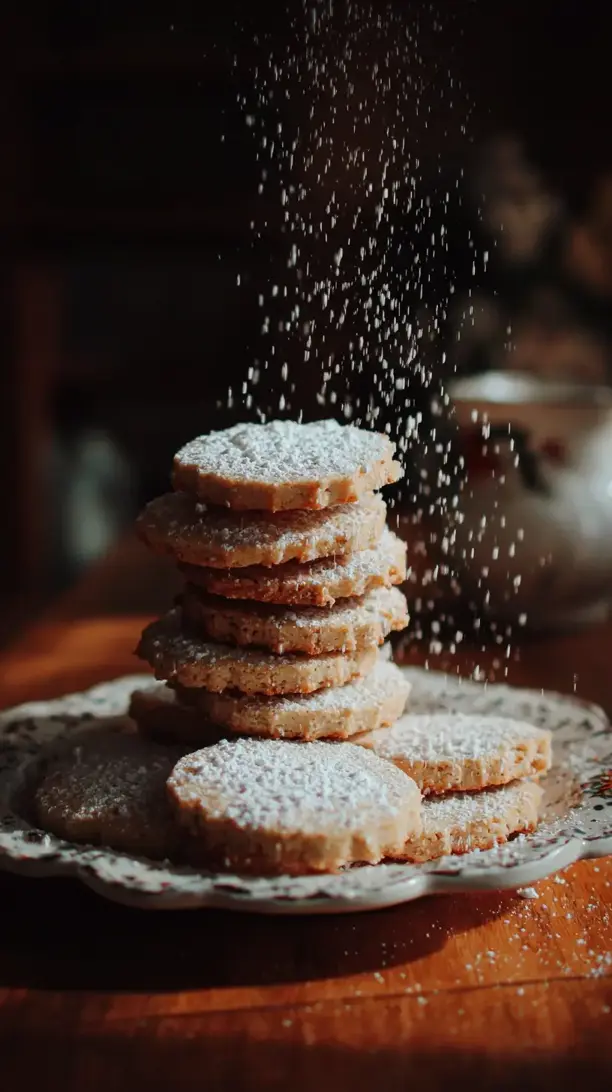
Oat Flour Shortbread Cookies
Make the best Oat Flour Shortbread Cookies with this easy recipe. They're tender, buttery, and melt-in-your-mouth delicious. Get the simple recipe now!
Ingredients
For the Ingredients
-
200 g oat flour
-
115 g unsalted butter (softened)
-
60 g powdered sugar
-
1/2 tsp pure vanilla extract
-
1/4 tsp fine sea salt
Instructions
-
First, preheat your oven to 325°F (165°C) and line a baking sheet with parchment paper. In your mixing bowl, combine the softened butter and powdered sugar. Using a whisk or an electric hand mixer on low speed, cream them together until the mixture is just combined and looks pale and fluffy.01
-
Now, stir in the vanilla extract and salt. Mix until they are fully incorporated. Scrape down the sides of the bowl with a spatula to make sure everything is evenly mixed.02
-
Add the sifted oat flour to the butter mixture. I like to do this in two additions, folding gently with the spatula. The dough will be quite soft and might seem a little crumbly at first, but as you continue to mix, it will come together into a cohesive, slightly sandy dough.03
-
Turn the dough out onto the prepared baking sheet. Gently press and pat it into a rectangle or circle that’s about 1/2-inch thick. Then, take a sharp knife and score the dough into 12 even portions.04
-
For that authentic shortbread look, use a fork to prick each portion a few times.05
-
Place the baking sheet in the preheated oven and bake for 14-16 minutes. You’ll know they’re done when the edges are just starting to turn a very light golden brown.06
-
Let them cool completely on the baking sheet. Once completely cool, break them apart along the scored lines.07