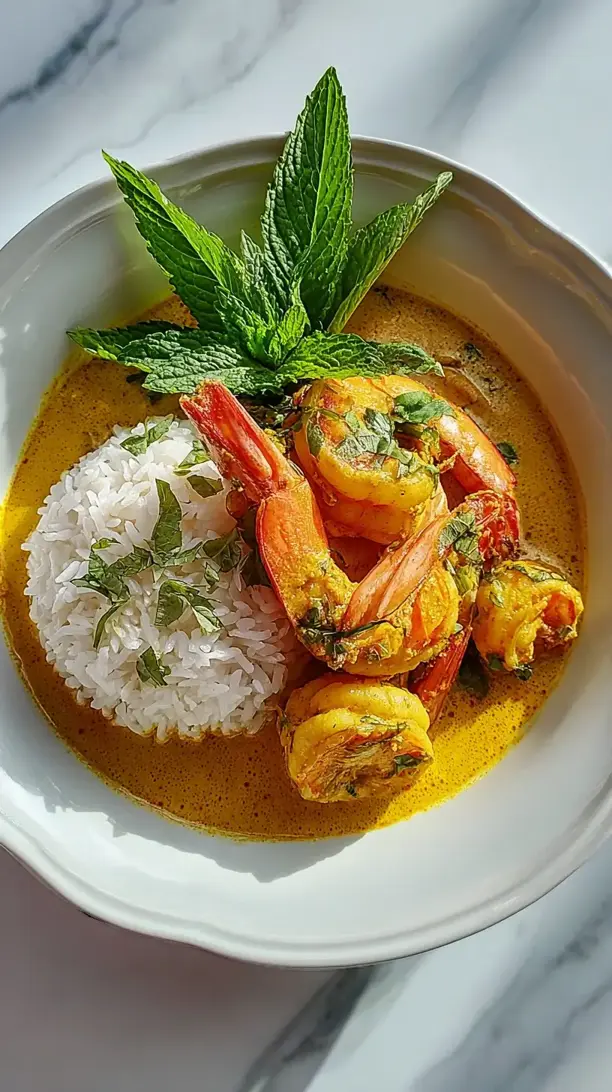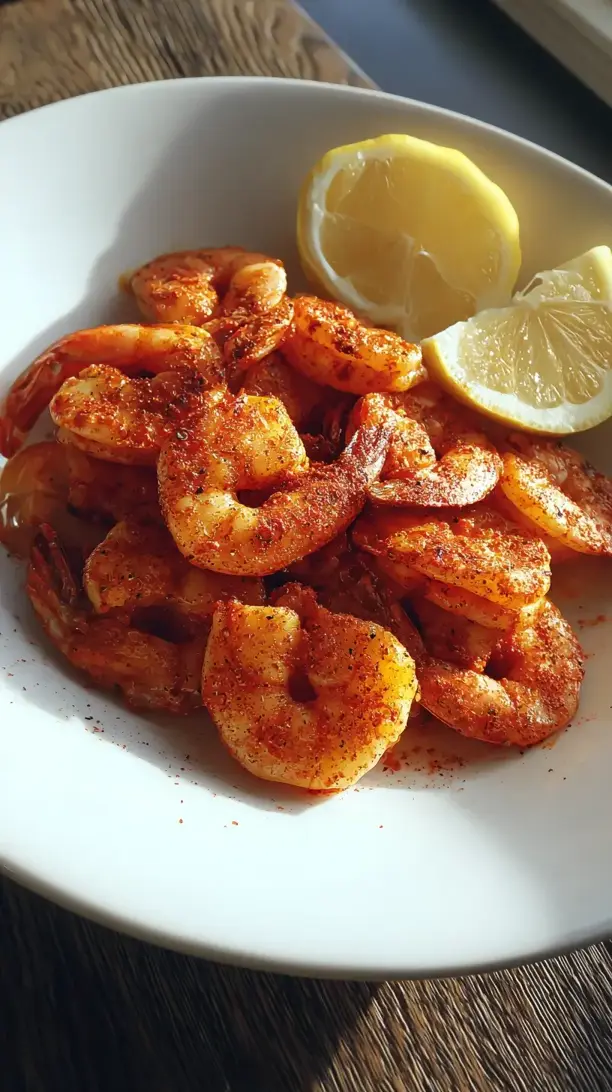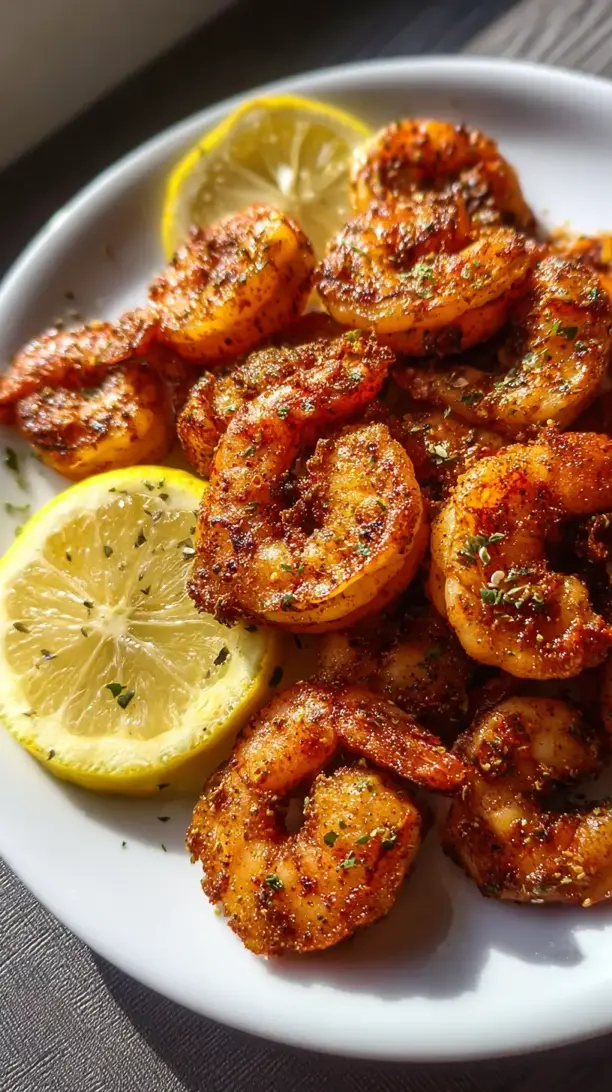

Mongolian Shrimp is a quick, sweet-savory stir-fry that tastes like takeout but comes together in minutes. The glossy, umami-rich sauce coats plump shrimp perfectly for a satisfying meal. This homemade version is faster than delivery and totally weeknight-friendly.
Why You’ll Love This Mongolian Shrimp
- Fast & easy: Ready in about 20 minutes for busy nights.
- Addictive flavor: Sweet, savory, and sticky glaze keeps you coming back.
- Restaurant-quality: Looks and tastes fancy but you control the ingredients.
- Versatile sauce: Works great with chicken, beef, tofu, or extra veggies.
Ingredients & Tools
- 450 g large raw shrimp, peeled and deveined
- 3 tbsp cornstarch
- 2 tbsp vegetable oil
- 4 cloves garlic, minced
- 1 tbsp fresh ginger, grated
- 120 ml low-sodium soy sauce
- 80 g dark brown sugar
- 2 tbsp rice vinegar
- 1 tsp sesame oil
- 1/2 tsp red pepper flakes (optional)
- 4 green onions, sliced
- 1 tbsp toasted sesame seeds, for garnish
Tools: A large wok or skillet, a medium mixing bowl, a small whisk.
Notes: Using fresh ginger and garlic is non-negotiable here—their bright, pungent notes form the aromatic backbone of the sauce. And don’t skip the cornstarch coating on the shrimp; it’s the secret to getting them beautifully crisp and creating a surface for that gorgeous sauce to cling to.
Nutrition (per serving)
| Calories: | 285 kcal |
| Protein: | 24 g |
| Fat: | 9 g |
| Carbs: | 26 g |
| Fiber: | 1 g |
Serves: 4 | Prep Time: 10 minutes | Cook Time: 10 minutes | Total Time: 20 minutes
Before You Start: Tips & Ingredient Notes
- Pat your shrimp completely dry. Any excess moisture will steam the shrimp instead of letting them sear, and it will also prevent the cornstarch from sticking properly. Use paper towels and really press down to get them as dry as possible.
- Don’t skip the dark brown sugar. Its deeper molasses flavor gives the sauce a richer, more caramel-like depth compared to light brown sugar. It’s a small detail that makes a big difference in the final flavor profile.
- Have all your ingredients prepped and within arm’s reach. Stir-fries move incredibly fast once you start cooking. Having your garlic minced, ginger grated, and sauce mixed before the shrimp hits the pan is the key to a smooth, stress-free process.
- Use a high smoke point oil. Vegetable, canola, or avocado oil are perfect. You’ll be cooking over high heat to get a good sear on the shrimp, and you don’t want your oil to burn and impart a bitter taste.
How to Make Mongolian Shrimp
Step 1: Start by preparing your shrimp. Make sure they are thoroughly patted dry with paper towels—this is crucial for a good sear. Place the dry shrimp in a medium bowl and toss them with the 3 tablespoons of cornstarch until they are evenly and lightly coated. You’ll notice the shrimp will look a bit pale and powdery; that’s exactly what you want. Set them aside while you mix the sauce.
Step 2: In the same bowl (or a new one if you prefer), whisk together the soy sauce, dark brown sugar, rice vinegar, sesame oil, and red pepper flakes if using. Whisk it vigorously until the sugar has completely dissolved and the sauce is smooth. This is your flavor powerhouse—taste it and you’ll get a preview of the sweet, tangy, and savory glory to come.
Step 3: Heat your wok or a large skillet over medium-high heat. Add the 2 tablespoons of vegetable oil. Once the oil is shimmering and hot, carefully add the cornstarch-dusted shrimp in a single layer. You might need to do this in two batches to avoid overcrowding the pan. Let them cook undisturbed for about 1-2 minutes per side, until they turn pink and develop a golden, slightly crisp exterior.
Step 4: Remove the cooked shrimp from the wok and set them aside on a plate. Reduce the heat to medium. In the same wok, you should have a little bit of oil and some browned bits left—that’s flavor! Add the minced garlic and grated ginger. Stir constantly for just 30-60 seconds until they become incredibly fragrant. Be careful not to burn them.
Step 5: Give your prepared sauce another quick whisk (the sugar can settle) and pour it into the wok. It will bubble and sizzle immediately. Let it simmer for 2-3 minutes, stirring occasionally. You’ll see it start to thicken and reduce slightly, becoming glossy and coating the back of a spoon. This is when the magic happens and the flavors concentrate.
Step 6: Return the cooked shrimp to the wok, along with any accumulated juices from the plate. Add most of your sliced green onions (save some for garnish). Toss everything together continuously for about a minute, until the shrimp are heated through and completely enveloped in that sticky, gorgeous sauce.
Step 7: Your Mongolian Shrimp is ready! Transfer it to a serving platter and immediately garnish with the reserved green onions and a generous sprinkle of toasted sesame seeds. The contrast of the green and white against the deep brown sauce makes it look as good as it tastes. Serve it right away while it’s hot.
Storage & Freshness Guide
- Fridge: Store in an airtight container for up to 2 days.
- Freezer: Freeze for up to 1 month, though shrimp texture may soften.
- Reviving: Reheat gently in a skillet over low heat to avoid overcooking.
Serving Suggestions
Complementary Dishes
- Steamed jasmine rice — The fluffy, slightly sticky grains are the perfect canvas for soaking up every last drop of the delicious sauce.
- Simple steamed broccoli — Its mild, fresh flavor and crisp-tender texture provide a lovely contrast to the rich, saucy shrimp.
- Quick-pickled cucumber salad — A tangy, refreshing side that cuts through the sweetness and cleanses the palate between bites.
Drinks
- A crisp lager or pilsner — The clean, effervescent quality of the beer helps balance the richness and slight sweetness of the dish beautifully.
- Jasmine or green tea — Its delicate, floral notes are a classic pairing that complements the Asian-inspired flavors without overpowering them.
- Ginger ale or a ginger beer — The spicy-sweet kick of ginger echoes the flavor in the sauce, making for a wonderfully harmonious non-alcoholic option.
Something Sweet
- Mango sorbet — Its bright, tropical fruitiness is a light and refreshing finish that doesn’t feel too heavy after a savory meal.
- Fortune cookies — A fun, thematic way to end the meal that adds a little bit of crunch and a lot of fun.
- Lychee fruit — Chilled, canned lychees offer a juicy, floral, and subtly sweet bite that feels uniquely satisfying.
Top Mistakes to Avoid
- Overcrowding the pan. If you dump all the shrimp in at once, they’ll steam instead of sear. You’ll end up with rubbery, boiled shrimp rather than ones with a nice crispy exterior. I’ve messed this up before too—just take the extra minute to cook in batches.
- Burning the garlic and ginger. They cook in less than a minute. If you walk away or let them sizzle for too long, they’ll turn bitter and can ruin the entire sauce. Keep the heat at medium and stir constantly.
- Skipping the cornstarch coating. This step isn’t just for crispiness; it also helps thicken the sauce as it cooks, allowing it to cling to the shrimp perfectly. Without it, your sauce might be thin and runny.
- Overcooking the shrimp. Shrimp cook incredibly fast and become tough and rubbery if left on the heat for too long. As soon as they curl into a “C” shape and turn opaque, they’re done.
Expert Tips
- Tip: For an extra layer of flavor, marinate your shrimp. After drying them, toss them with a tablespoon of the soy sauce from the recipe and a pinch of white pepper for 15 minutes in the fridge before coating with cornstarch. It gives them a deeper savory base.
- Tip: If your sauce isn’t thickening to your liking, make a quick slurry. Mix one teaspoon of cornstarch with one tablespoon of cold water and stir it into the simmering sauce. It will thicken up almost instantly.
- Tip: To make this dish a complete one-pan meal, stir-fry some vegetables right after you cook the garlic and ginger. Thinly sliced bell peppers, onions, or snap peas only need 2-3 minutes to become tender-crisp before you add the sauce.
- Tip: For a more complex, restaurant-style sauce, add a teaspoon of hoisin sauce along with the soy sauce. It adds a subtle, sweet, and spiced depth that is absolutely incredible.
FAQs
Can I use frozen shrimp?
Absolutely! Frozen shrimp are often more convenient and can be just as good. The key is to thaw them properly. The best method is to place them in a colander and run cold water over them until fully defrosted. Then, make sure you pat them incredibly dry with paper towels. Avoid thawing them at room temperature or in warm water, as this can affect their texture.
How can I make this dish less sweet?
You have a couple of easy options. The simplest is to just reduce the amount of brown sugar—start by cutting it by a quarter and taste the sauce. You can also balance the sweetness by adding a bit more rice vinegar for tang or a splash of chicken broth to dilute the sugar concentration without losing volume.
Is this recipe spicy?
As written with the optional red pepper flakes, it has a very mild, background warmth that enhances the other flavors rather than overwhelming them. If you’re sensitive to spice, you can leave the flakes out entirely. If you love heat, feel free to double them or add a drizzle of sriracha or chili crisp at the end.
Can I make Mongolian Shrimp ahead of time?
You can prep the components ahead to save time. Mix the sauce and store it in the fridge. Prep the garlic, ginger, and green onions. But for the best texture, cook the shrimp and assemble the dish just before serving. Reheated shrimp can easily become overcooked and rubbery.
What’s the difference between Mongolian Shrimp and Mongolian Beef?
The core Mongolian sauce is virtually identical—it’s that signature blend of soy, brown sugar, and aromatics. The main difference is the protein. Beef is typically sliced very thinly against the grain and often uses a velveting technique with baking soda for tenderness, while shrimp cooks much faster and has a naturally delicate texture.
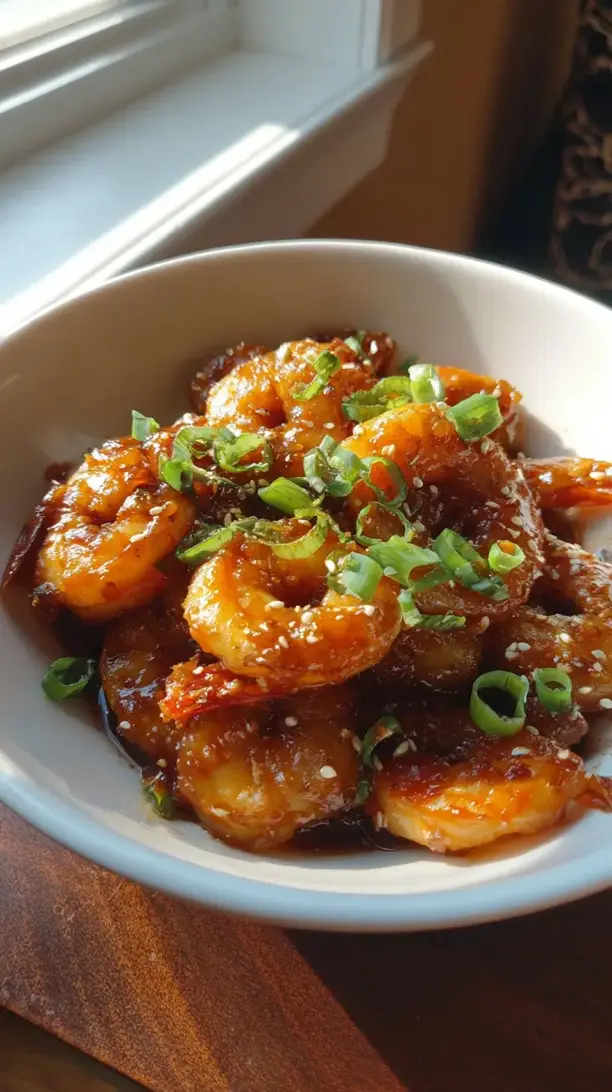
Mongolian Shrimp
Craving takeout? Make this easy Mongolian Shrimp recipe in 20 minutes for a sweet, savory, and sticky stir-fry. Get the simple recipe and cook it tonight!
Ingredients
For the Shrimp & Sauce:
-
450 g large raw shrimp (peeled and deveined)
-
3 tbsp cornstarch
-
2 tbsp vegetable oil
-
4 cloves garlic (minced)
-
1 tbsp fresh ginger (grated)
-
120 ml low-sodium soy sauce
-
80 g dark brown sugar
-
2 tbsp rice vinegar
-
1 tsp sesame oil
-
0.5 tsp red pepper flakes (optional)
-
4 green onions (sliced)
-
1 tbsp toasted sesame seeds (for garnish)
Instructions
-
Start by preparing your shrimp. Make sure they are thoroughly patted dry with paper towels—this is crucial for a good sear. Place the dry shrimp in a medium bowl and toss them with the 3 tablespoons of cornstarch until they are evenly and lightly coated. You’ll notice the shrimp will look a bit pale and powdery; that’s exactly what you want. Set them aside while you mix the sauce.01
-
In the same bowl (or a new one if you prefer), whisk together the soy sauce, dark brown sugar, rice vinegar, sesame oil, and red pepper flakes if using. Whisk it vigorously until the sugar has completely dissolved and the sauce is smooth. This is your flavor powerhouse—taste it and you’ll get a preview of the sweet, tangy, and savory glory to come.02
-
Heat your wok or a large skillet over medium-high heat. Add the 2 tablespoons of vegetable oil. Once the oil is shimmering and hot, carefully add the cornstarch-dusted shrimp in a single layer. You might need to do this in two batches to avoid overcrowding the pan. Let them cook undisturbed for about 1-2 minutes per side, until they turn pink and develop a golden, slightly crisp exterior.03
-
Remove the cooked shrimp from the wok and set them aside on a plate. Reduce the heat to medium. In the same wok, you should have a little bit of oil and some browned bits left—that’s flavor! Add the minced garlic and grated ginger. Stir constantly for just 30-60 seconds until they become incredibly fragrant. Be careful not to burn them.04
-
Give your prepared sauce another quick whisk (the sugar can settle) and pour it into the wok. It will bubble and sizzle immediately. Let it simmer for 2-3 minutes, stirring occasionally. You’ll see it start to thicken and reduce slightly, becoming glossy and coating the back of a spoon. This is when the magic happens and the flavors concentrate.05
-
Return the cooked shrimp to the wok, along with any accumulated juices from the plate. Add most of your sliced green onions (save some for garnish). Toss everything together continuously for about a minute, until the shrimp are heated through and completely enveloped in that sticky, gorgeous sauce.06
-
Your Mongolian Shrimp is ready! Transfer it to a serving platter and immediately garnish with the reserved green onions and a generous sprinkle of toasted sesame seeds. The contrast of the green and white against the deep brown sauce makes it look as good as it tastes. Serve it right away while it's hot.07