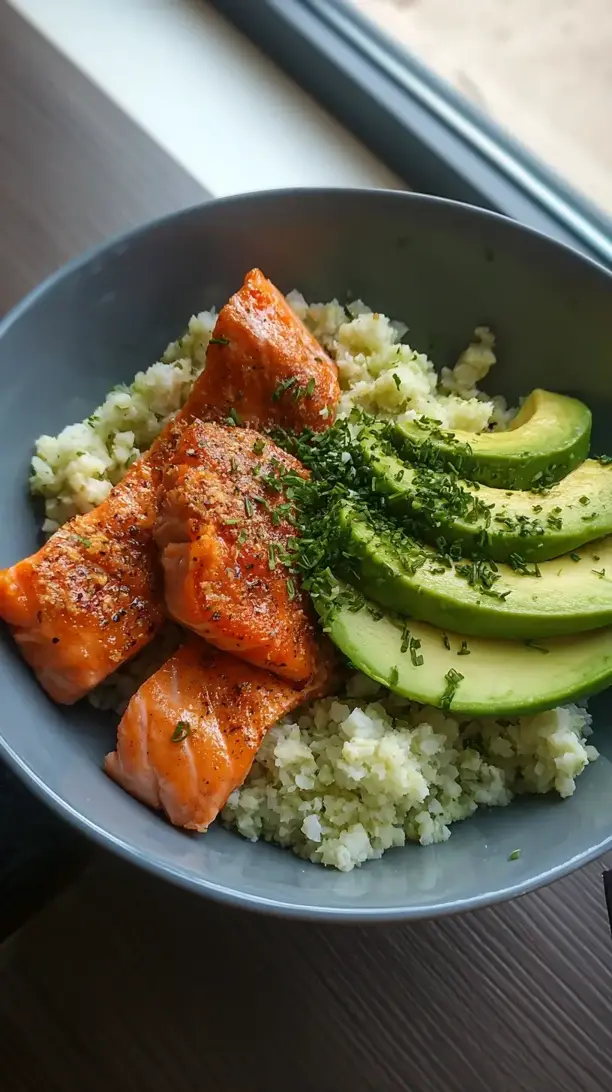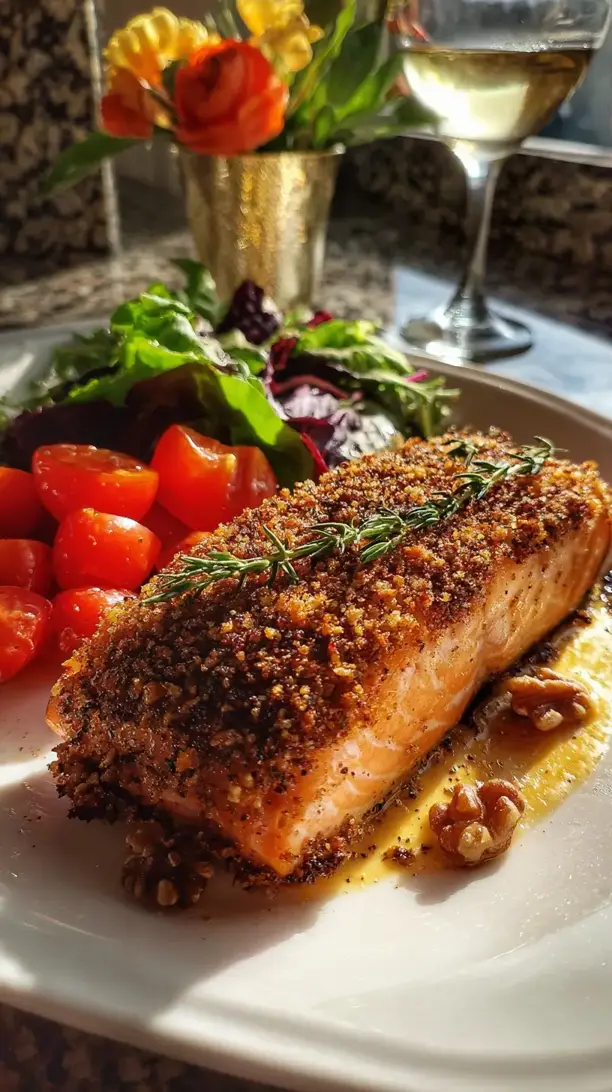

This Mongolian Salmon recipe transforms takeout flavors into a quick, elegant dinner. The sweet, savory glaze clings perfectly to tender salmon fillets for a restaurant-quality meal at home. You’ll love how this Mongolian Salmon comes together in under 30 minutes.
Why You’ll Love This Mongolian Salmon
- Restaurant-quality flavor: Sweet, savory sauce made fresh at home.
- Incredibly fast: Ready in about 20 minutes of active time.
- Exciting salmon upgrade: Bold glaze transforms simple fillets.
- Versatile & meal-prep friendly: Great over rice, quinoa, or as leftovers.
Ingredients & Tools
- 4 salmon fillets (about 150-180 g each), skinless or skin-on
- 2 tbsp cornstarch
- 1 tbsp neutral oil (like avocado or vegetable oil)
- 4 cloves garlic, minced
- 1 tbsp fresh ginger, grated
- 1/2 cup low-sodium soy sauce
- 1/2 cup water
- 1/3 cup packed light brown sugar
- 1 tbsp rice vinegar
- 1 tsp sesame oil
- 2 green onions, sliced (for garnish)
- 1 tsp sesame seeds (for garnish)
Tools: A large skillet (non-stick or well-seasoned cast iron works great), a small whisk or fork, and a microplane or fine grater for the ginger.
Notes: Don’t skip the cornstarch—it creates a slight crust and thickens the sauce. Fresh ginger and garlic provide the brightest flavor.
Nutrition (per serving)
| Calories: | 415 kcal |
| Protein: | 35 g |
| Fat: | 18 g |
| Carbs: | 25 g |
| Fiber: | 0.5 g |
Serves: 4 | Prep Time: 10 minutes | Cook Time: 15 minutes | Total Time: 25 minutes
Before You Start: Tips & Ingredient Notes
- Pat your salmon completely dry. This is the single most important step for getting a beautiful sear instead of a steam. Use paper towels and really press down to absorb all that surface moisture.
- Use low-sodium soy sauce. This gives you control over the saltiness of the final dish. The sauce reduces, which concentrates the flavor, and regular soy sauce can sometimes make it too salty.
- Don’t have fresh ginger? While fresh is best, you can use 1 teaspoon of ground ginger in a pinch. The flavor profile will be slightly different—a little earthier and less sharp—but it will still be delicious.
- Bring your salmon to room temperature. Taking the salmon out of the fridge about 15-20 minutes before cooking helps it cook more evenly, preventing a cold, undercooked center and an overcooked exterior.
How to Make Mongolian Salmon
Step 1: Start by prepping your salmon. Pat the fillets completely dry with paper towels—this is non-negotiable for a good sear. Then, lightly dust them on all sides with the cornstarch. You don’t want a thick batter, just a very fine, even coating. This will help create a delicate crust and help the sauce cling later on.
Step 2: Make the Mongolian sauce. In a medium bowl, whisk together the soy sauce, water, brown sugar, rice vinegar, and sesame oil until the sugar has mostly dissolved. You’ll notice it will look thin and dark—that’s perfect, it will thicken up beautifully later. Have your minced garlic and grated ginger ready to go nearby.
Step 3: Cook the salmon. Heat the neutral oil in your large skillet over medium-high heat until it shimmers. Carefully place the salmon fillets in the pan, not crowding them. Cook for 4-5 minutes on the first side, until a golden-brown crust forms. You should hear a nice sizzle. Flip the fillets and cook for another 2-3 minutes on the second side. They don’t need to be fully cooked through yet—you’ll finish them in the sauce. Remove them to a plate.
Step 4: Create the glaze. Reduce the heat to medium. In the same skillet, add the garlic and ginger. Sauté for just 30-60 seconds until incredibly fragrant—be careful not to burn it! Pour in the prepared sauce. It will bubble up immediately. Let it simmer for 2-3 minutes, stirring occasionally, until it slightly thickens. You should be able to drag a spatula through it and see the bottom of the pan for a second.
Step 5: Bring it all together. Return the salmon fillets to the skillet, spooning the sauce over the top. Let everything simmer together for a final 2-3 minutes, basting the salmon constantly. The sauce will reduce further and become a gorgeous, sticky glaze that coats the fish perfectly. The salmon should be opaque and flake easily with a fork.
Step 6: Garnish and serve immediately. Transfer the glazed salmon to a serving platter. Drizzle any remaining sauce from the pan over the top, and finish with a generous sprinkle of sliced green onions and sesame seeds. The contrast of the fresh, sharp onions with the rich, sweet salmon is just… perfection.
Storage & Freshness Guide
- Fridge: Store leftovers in an airtight container for up to 2 days.
- Freezer: Not recommended; salmon texture may become watery.
- Reviving: Reheat gently in a covered skillet with a splash of water.
Serving Suggestions
Complementary Dishes
- Steamed jasmine rice — The fluffy, slightly sticky rice is the perfect canvas for soaking up every last drop of that incredible Mongolian sauce.
- Simple stir-fried vegetables — A quick sauté of broccoli, snap peas, and bell peppers adds a fresh, crunchy contrast and makes the meal feel complete.
- Crispy roasted broccoli — Toss broccoli florets in oil, salt, and pepper and roast at a high heat until the edges are crispy—it stands up wonderfully to the strong flavors of the dish.
Drinks
- Off-dry Riesling — The wine’s slight sweetness and bright acidity cut through the richness of the salmon and balance the salty-sweet sauce beautifully.
- Jasmine green tea — A warm, fragrant cup of tea cleanses the palate between bites and complements the Asian-inspired flavors seamlessly.
- Ginger beer — The spicy, effervescent kick of a good ginger beer is a fantastic non-alcoholic pairing that echoes the ginger in the sauce.
Something Sweet
- Lychee sorbet — This light, floral, and refreshing sorbet is the perfect palate-cleanser after a rich and savory meal, and it feels wonderfully sophisticated.
- Fortune cookies and fresh orange wedges — A classic, simple finish. The bright, citrusy burst from the orange is a lovely, clean way to end the meal.
- Mango sticky rice — If you’re going all out, this Thai dessert is a dream pairing. The sweet, creamy coconut and mango are a heavenly match for the meal’s flavor profile.
Top Mistakes to Avoid
- Mistake: Crowding the pan. If you put all the salmon fillets in a pan that’s too small, they’ll steam instead of sear. You want that beautiful, crisp exterior, so cook in batches if necessary.
- Mistake: Burning the garlic and ginger. They cook in seconds! If you walk away, they can go from fragrant and golden to bitter and burnt in a flash. Have your sauce ready to pour in the moment they become aromatic.
- Mistake: Overcooking the salmon. Salmon continues to cook from residual heat even after it’s off the stove. It’s better to pull it off when it’s just slightly underdone in the very center—it will be perfect by the time you serve it.
- Mistake: Skipping the cornstarch dusting. I’ve messed this up before too, thinking I could get away without it. The cornstarch is crucial for texture and for helping the sauce adhere to the fish. Don’t skip it!
Expert Tips
- Tip: Make a double batch of the sauce. It’s that good. You can store the extra in a jar in the fridge for up to a week and use it on chicken, beef, tofu, or even as a stir-fry sauce for vegetables.
- Tip: Add a pinch of red pepper flakes. If you like a little heat, adding a pinch of red pepper flakes to the sauce with the garlic and ginger will give it a subtle, warm kick that’s just fantastic.
- Tip: Use the back of a spoon to test the salmon. Gently press the top of a fillet with the back of a spoon. If it flakes and feels firm but still has a little give, it’s done. If it feels hard, it’s overdone.
- Tip: Let the sauce reduce to your liking. Prefer a thicker, stickier glaze? Let the sauce simmer for a minute or two longer before adding the salmon back in. Love a saucier dish? Take it off the heat a little sooner.
FAQs
Can I use a different type of fish?
Absolutely! This Mongolian glaze is incredibly versatile. Firm-fleshed fish like cod, halibut, or even sea bass would work wonderfully. Just adjust the cooking time based on the thickness of your fillets. The key is to use a fish that won’t fall apart easily when you’re flipping it and simmering it in the sauce.
How should I store and reheat leftovers?
Store any leftover salmon in an airtight container in the fridge for up to 2 days. To reheat, I strongly recommend using a gentle method to prevent the salmon from drying out. Place it in a covered skillet with a tablespoon of water over low heat until just warmed through, or use the microwave at 50% power in short bursts. The sauce might separate a little, but a quick stir will bring it back together.
My sauce isn’t thickening. What did I do wrong?
This usually happens if the heat was too low when you added the sauce to the pan. The sauce needs a good, active simmer to reduce and thicken properly. If it’s still too thin after a few minutes, you can make a quick “slurry”: mix one extra teaspoon of cornstarch with one tablespoon of cold water, then whisk it into the simmering sauce. It should thicken up within a minute.
Can I make this gluten-free?
Yes, easily! Just swap the regular soy sauce for tamari or a certified gluten-free soy sauce. All the other core ingredients are naturally gluten-free, so it’s a simple one-to-one substitution that works perfectly.
Is it better to use skin-on or skinless salmon?
This comes down to personal preference. Skinless is easier to eat and ensures every bite is coated in sauce. Skin-on salmon can get incredibly crispy and add wonderful textural contrast—just make sure you sear it skin-side down first to render the fat and crisp it up. Personally, I love the crispy skin, but you really can’t go wrong either way.

Mongolian Salmon
Make this easy Mongolian Salmon with a sweet & savory glaze in under 30 minutes. A quick, elegant dinner that's better than takeout. Get the recipe now!
Ingredients
For the salmon and sauce:
-
4 salmon fillets (about 150-180 g each, skinless or skin-on)
-
2 tbsp cornstarch
-
1 tbsp neutral oil (like avocado or vegetable oil)
-
4 cloves garlic (minced)
-
1 tbsp fresh ginger (grated)
-
1/2 cup low-sodium soy sauce
-
1/2 cup water
-
1/3 cup packed light brown sugar
-
1 tbsp rice vinegar
-
1 tsp sesame oil
For garnish:
-
2 green onions (sliced (for garnish))
-
1 tsp sesame seeds (for garnish)
Instructions
-
Start by prepping your salmon. Pat the fillets completely dry with paper towels—this is non-negotiable for a good sear. Then, lightly dust them on all sides with the cornstarch. You don't want a thick batter, just a very fine, even coating. This will help create a delicate crust and help the sauce cling later on.01
-
Make the Mongolian sauce. In a medium bowl, whisk together the soy sauce, water, brown sugar, rice vinegar, and sesame oil until the sugar has mostly dissolved. You'll notice it will look thin and dark—that's perfect, it will thicken up beautifully later. Have your minced garlic and grated ginger ready to go nearby.02
-
Cook the salmon. Heat the neutral oil in your large skillet over medium-high heat until it shimmers. Carefully place the salmon fillets in the pan, not crowding them. Cook for 4-5 minutes on the first side, until a golden-brown crust forms. You should hear a nice sizzle. Flip the fillets and cook for another 2-3 minutes on the second side. They don't need to be fully cooked through yet—you'll finish them in the sauce. Remove them to a plate.03
-
Create the glaze. Reduce the heat to medium. In the same skillet, add the garlic and ginger. Sauté for just 30-60 seconds until incredibly fragrant—be careful not to burn it! Pour in the prepared sauce. It will bubble up immediately. Let it simmer for 2-3 minutes, stirring occasionally, until it slightly thickens. You should be able to drag a spatula through it and see the bottom of the pan for a second.04
-
Bring it all together. Return the salmon fillets to the skillet, spooning the sauce over the top. Let everything simmer together for a final 2-3 minutes, basting the salmon constantly. The sauce will reduce further and become a gorgeous, sticky glaze that coats the fish perfectly. The salmon should be opaque and flake easily with a fork.05
-
Garnish and serve immediately. Transfer the glazed salmon to a serving platter. Drizzle any remaining sauce from the pan over the top, and finish with a generous sprinkle of sliced green onions and sesame seeds. The contrast of the fresh, sharp onions with the rich, sweet salmon is just… perfection.06