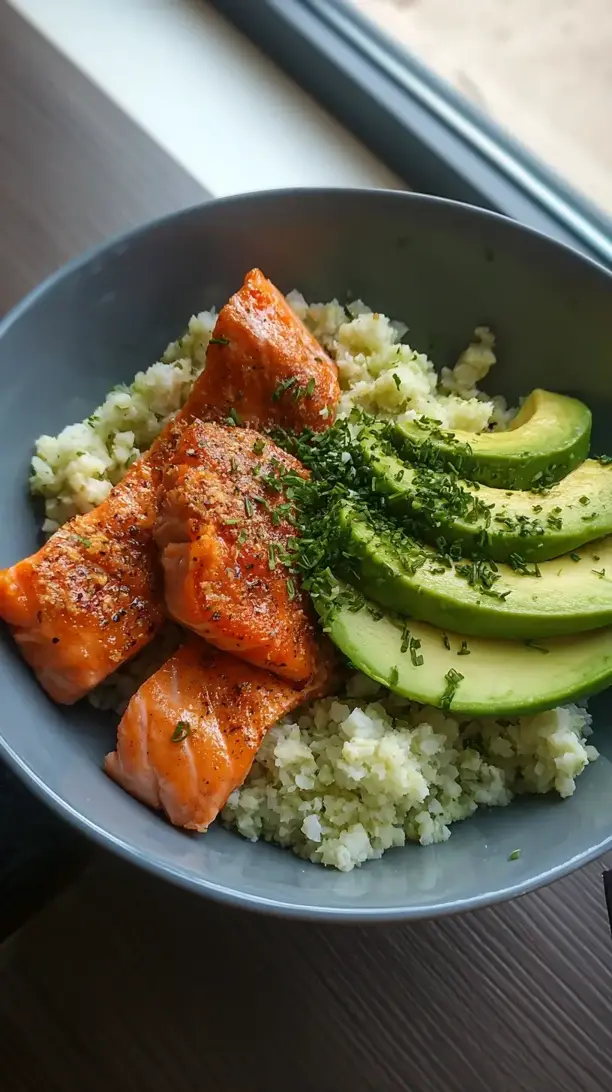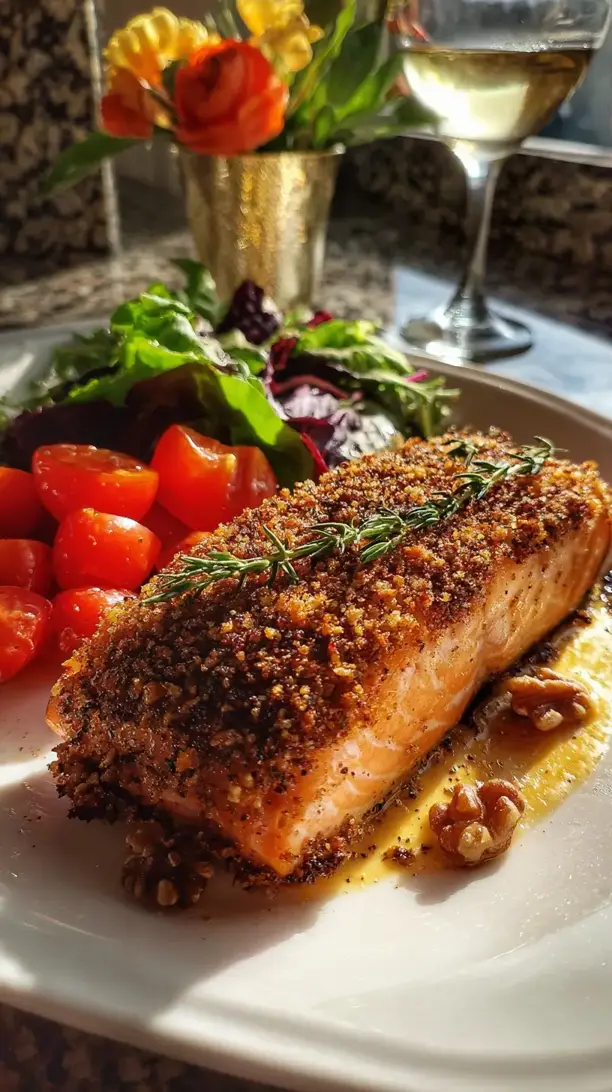

Miso glazed salmon delivers a sweet, salty, umami-rich crust with tender, flaky fish underneath. This simple recipe uses pantry staples for a restaurant-worthy meal in under 30 minutes. The caramelized miso glaze with mirin, ginger, and garlic makes this dish both elegant and approachable.
Why You’ll Love This Miso Glazed Salmon
- Effortless preparation: Minimal hands-on time and easy cleanup.
- Complex, balanced flavor: Salty, sweet, and savory in every bite.
- Versatile main dish: Perfect for weeknights or dinner parties.
- Perfect texture: Sticky glaze with moist, flaky interior.
Ingredients & Tools
- 4 salmon fillets (about 150-180 g each), skin-on or skinless
- 3 tablespoons white miso paste
- 2 tablespoons mirin
- 1 tablespoon soy sauce (or tamari for gluten-free)
- 1 tablespoon rice vinegar
- 1 tablespoon granulated sugar or honey
- 1 teaspoon freshly grated ginger
- 1 small garlic clove, minced
- 1 teaspoon sesame oil (optional, for extra aroma)
- To garnish: thinly sliced scallions and sesame seeds
Tools: A small bowl, a whisk or fork, a baking sheet, and parchment paper or foil.
Notes: Use good-quality white (shiro) miso for a milder, sweeter glaze. Don’t skip the mirin—it adds depth and sheen.
Nutrition (per serving)
| Calories: | 320 kcal |
| Protein: | 35 g |
| Fat: | 15 g |
| Carbs: | 10 g |
| Fiber: | 1 g |
Serves: 4 | Prep Time: 10 minutes (plus 30 minutes marinating) | Cook Time: 12-15 minutes | Total Time: 55 minutes
Before You Start: Tips & Ingredient Notes
- What kind of miso should I use? White miso (shiro miso) is your best bet for this recipe. It’s fermented for a shorter time than red miso, so it’s milder, sweeter, and less salty, which creates a more balanced and delicate glaze that won’t overpower the salmon.
- Can I make this ahead of time? Absolutely! You can whisk the glaze and let the salmon marinate in it for up to 24 hours in the refrigerator. This actually deepens the flavor beautifully. Just remember to bring it to room temperature for about 15 minutes before baking.
- Is the sugar necessary? Yes, a little sweetness is key. It balances the saltiness of the miso and soy sauce and, most importantly, it’s what allows the glaze to caramelize and become sticky and gorgeous under the heat. You can use honey or maple syrup if you prefer.
- What if I don’t have mirin? In a pinch, you can combine 1 ½ tablespoons of dry sherry or even white wine with a ½ teaspoon of sugar. It won’t be exactly the same, but it will provide a similar sweet-tangy note.
How to Make Miso Glazed Salmon
Step 1: Make the Miso Glaze. In a small bowl, combine the white miso paste, mirin, soy sauce, rice vinegar, sugar, grated ginger, and minced garlic. Whisk everything together until it’s completely smooth and well-combined. You’ll notice the texture is quite thick, almost like a loose paste. That’s perfect — it will thin out a bit as it marinates and then melt into a glorious glaze in the oven. Give it a little taste; it should be a powerful punch of salty-sweet flavor.
Step 2: Marinate the Salmon. Place your salmon fillets in a shallow dish or a large resealable plastic bag. Pour about two-thirds of the miso glaze over the salmon, making sure to coat each piece thoroughly on all sides. Reserve the remaining glaze for brushing later. Cover the dish (or seal the bag) and let it marinate in the refrigerator for at least 30 minutes. If you have more time, even an hour or two will deepen the flavor. Don’t go much longer than 24 hours, as the salt can start to “cook” the fish.
Step 3: Preheat and Prepare. About 20 minutes before you’re ready to bake, take the salmon out of the fridge to let it come closer to room temperature. This helps it cook more evenly. Preheat your oven to 200°C (400°F) and line a baking sheet with parchment paper for easy cleanup. Arrange the salmon fillets on the prepared sheet, leaving a little space between them.
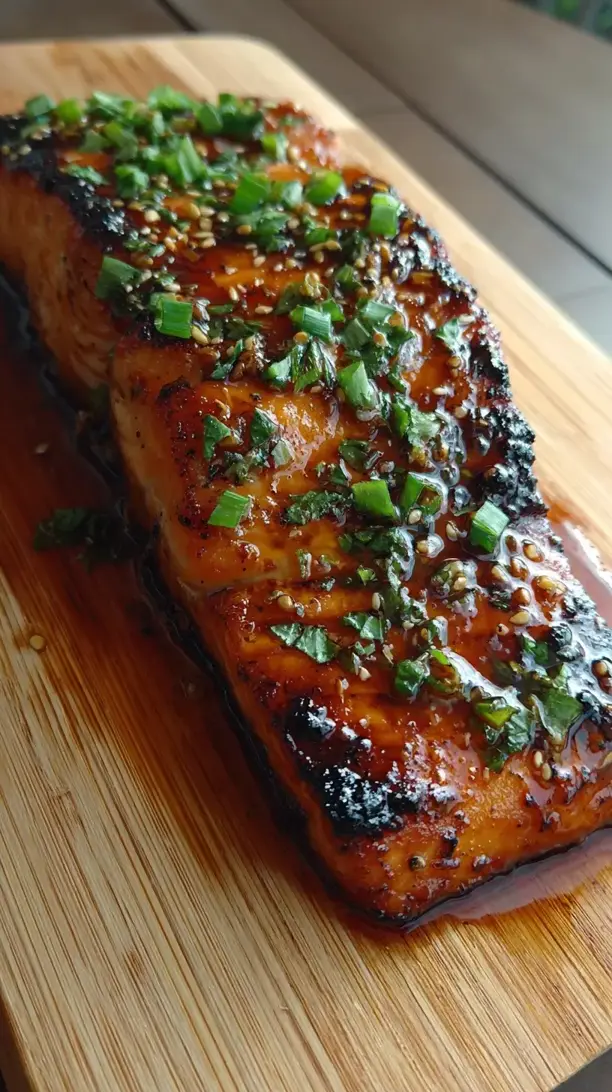
Step 4: Bake to Perfection. Spoon a little of the reserved glaze over the top of each fillet. Place the baking sheet in the preheated oven and bake for 12-15 minutes. The exact time will depend on the thickness of your fillets. You’re looking for the glaze to be bubbly, caramelized in spots, and deeply browned. The salmon should be mostly opaque and flake easily when pressed with a fork at the thickest part. A little translucency in the very center is okay as it will continue to cook from residual heat.
Step 5: The Final Broil (Optional but Recommended). For an extra-crispy, restaurant-style finish, switch your oven to a high broil for the last 1-2 minutes of cooking. Keep a very close eye on it! The sugars in the glaze can burn quickly. You just want the top to get a bit more bubbly and charred in places for an incredible depth of flavor.
Step 6: Garnish and Serve. Carefully remove the salmon from the oven. Let it rest for a minute or two on the baking sheet—this allows the juices to redistribute. Then, transfer to serving plates, sprinkle generously with thinly sliced scallions and a pinch of sesame seeds for a fresh, colorful finish and a nice little textural crunch.
Storage & Freshness Guide
- Fridge: Store leftovers in an airtight container for up to 2 days.
- Freezer: Freeze cooked salmon in a single layer, then transfer to a freezer bag for up to 1 month.
- Reviving: Reheat in a toaster oven or conventional oven at 300°F until warmed through to preserve texture.
Serving Suggestions
Complementary Dishes
- Steamed Japanese short-grain rice — The fluffy, slightly sticky rice is the perfect neutral base to soak up every last drop of that delicious miso glaze.
- Simple steamed or roasted broccoli — The slight bitterness of the broccoli provides a wonderful contrast to the rich, sweet-salty salmon, making the whole meal feel balanced.
- A crisp cucumber salad with a rice vinegar dressing — The cool, acidic crunch of the cucumber cuts through the richness of the fish and cleanses the palate beautifully between bites.
Drinks
- A dry or off-dry Riesling — The wine’s bright acidity and subtle stone fruit notes complement the umami of the miso without overpowering it.
- Cold Japanese lager or a light ale — The crisp, clean effervescence of a good lager is a classic pairing that refreshes your palate and highlights the savory flavors.
- Green tea, served hot or cold — The slight astringency and grassy notes of sencha or genmaicha tea provide a traditional and very harmonious pairing with the dish.
Something Sweet
- Matcha (green tea) ice cream — The bittersweet, earthy flavor of matcha is a fantastic follow-up to the savory-sweet salmon, creating a sophisticated end to the meal.
- Mochi ice cream — These chewy, sweet treats are fun, light, and offer a variety of flavors that all pair wonderfully after a Japanese-inspired dinner.
- A simple fruit platter with fresh mango and lychee — The bright, tropical sweetness is
Miso Glazed Salmon
Make this easy Miso Glazed Salmon with a sweet and savory glaze. Ready in under 30 minutes for a healthy, impressive dinner. Get the simple recipe here!
Ingredients
For the Salmon and Glaze:
-
4 salmon fillets (about 150-180 g each, skin-on or skinless)
-
3 tablespoons white miso paste
-
2 tablespoons mirin
-
1 tablespoon soy sauce (or tamari for gluten-free)
-
1 tablespoon rice vinegar
-
1 tablespoon granulated sugar or honey
-
1 teaspoon freshly grated ginger
-
1 small clove garlic (minced)
-
1 teaspoon sesame oil (optional, for extra aroma)
For the Garnish:
-
thinly sliced scallions and sesame seeds
Instructions
-
In a small bowl, combine the white miso paste, mirin, soy sauce, rice vinegar, sugar, grated ginger, and minced garlic. Whisk everything together until it’s completely smooth and well-combined.01
-
Place your salmon fillets in a shallow dish or a large resealable plastic bag. Pour about two-thirds of the miso glaze over the salmon, making sure to coat each piece thoroughly on all sides. Reserve the remaining glaze for brushing later. Cover the dish (or seal the bag) and let it marinate in the refrigerator for at least 30 minutes.02
-
About 20 minutes before you’re ready to bake, take the salmon out of the fridge to let it come closer to room temperature. Preheat your oven to 200°C (400°F) and line a baking sheet with parchment paper for easy cleanup. Arrange the salmon fillets on the prepared sheet, leaving a little space between them.03
-
Spoon a little of the reserved glaze over the top of each fillet. Place the baking sheet in the preheated oven and bake for 12-15 minutes. The exact time will depend on the thickness of your fillets. You’re looking for the glaze to be bubbly, caramelized in spots, and deeply browned. The salmon should be mostly opaque and flake easily when pressed with a fork at the thickest part.04
-
For an extra-crispy, restaurant-style finish, switch your oven to a high broil for the last 1-2 minutes of cooking. Keep a very close eye on it! The sugars in the glaze can burn quickly.05
-
Carefully remove the salmon from the oven. Let it rest for a minute or two on the baking sheet—this allows the juices to redistribute. Then, transfer to serving plates, sprinkle generously with thinly sliced scallions and a pinch of sesame seeds for a fresh, colorful finish and a nice little textural crunch.06