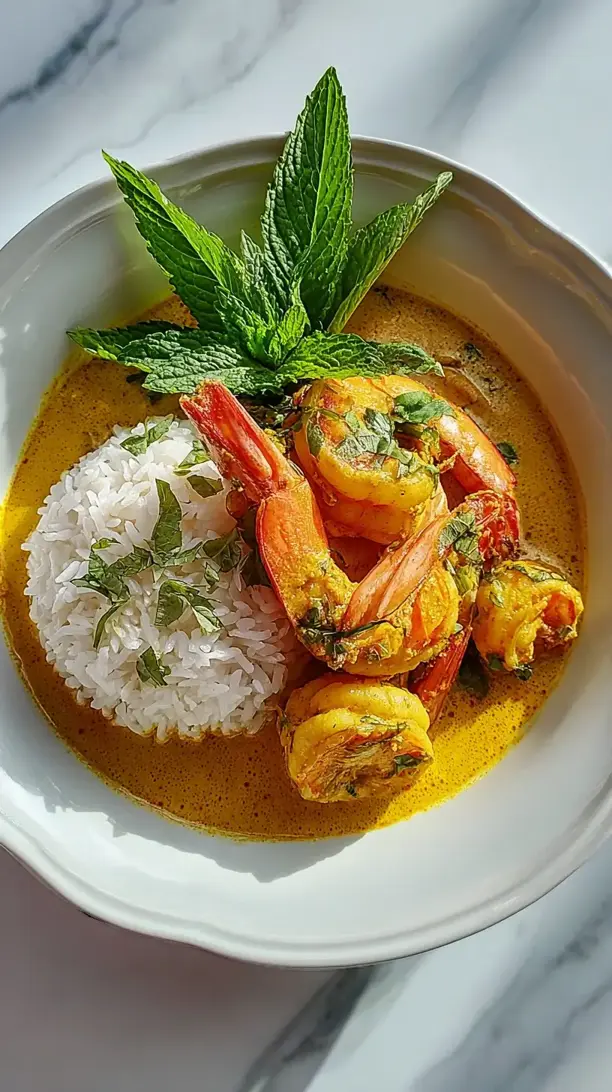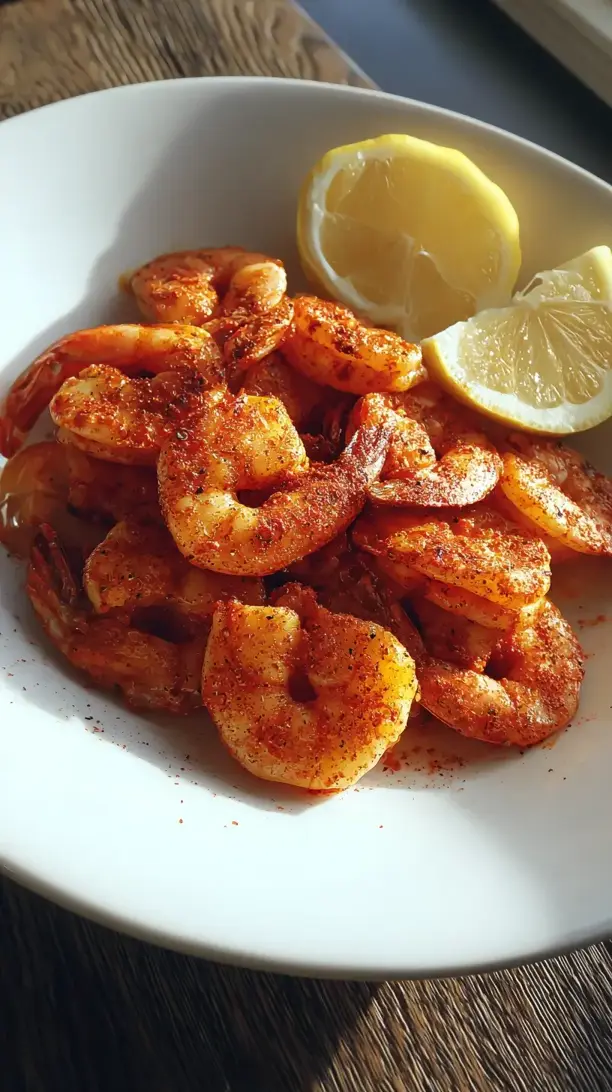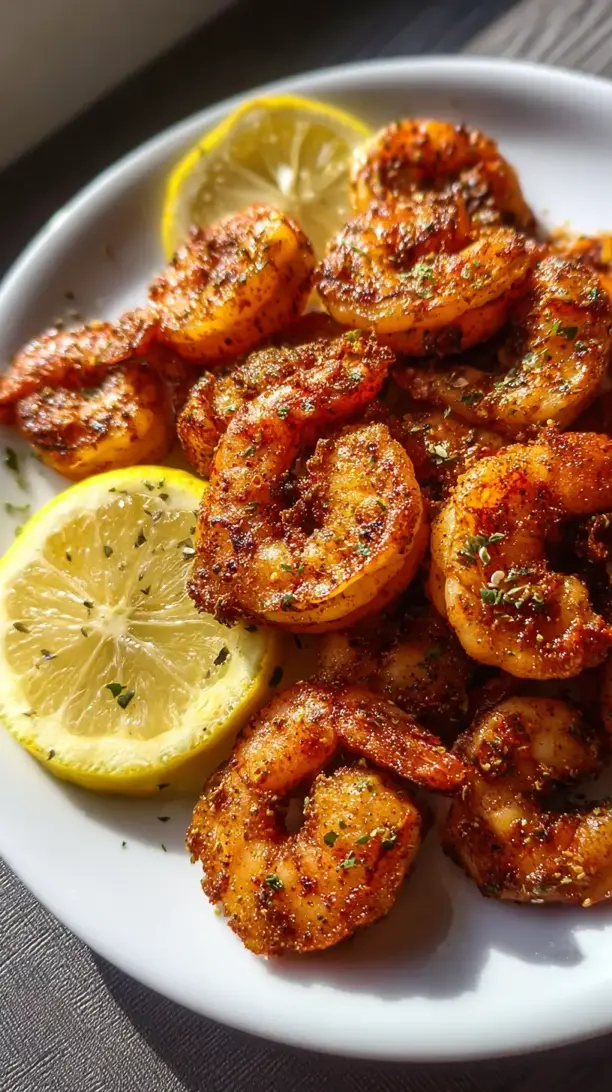

Mediterranean cooking transforms simple ingredients into extraordinary meals. This Mediterranean Shrimp recipe delivers bright, sunny flavors of lemon, garlic, and herbs wrapped around plump shrimp, ready in under 30 minutes. It’s an elegant yet approachable dish perfect for any occasion.
Why You’ll Love This Mediterranean Shrimp
- Fast & Easy: Ready in about 20-25 minutes for impressive, no-fuss meals.
- Bright & Vibrant: Fresh lemon, garlic, and herbs create a sunny flavor burst.
- Wonderfully Versatile: Serve over pasta, rice, salad, or as a dipping appetizer.
- Fancy Without Fuss: Tastes restaurant-quality but is deceptively simple to make.
Ingredients & Tools
- 450 g large raw shrimp, peeled and deveined
- 3 tbsp extra virgin olive oil
- 4 cloves garlic, minced
- 1 medium lemon (juice and zest)
- 60 ml dry white wine (like Sauvignon Blanc)
- 2 tbsp fresh parsley, chopped
- 1 tsp dried oregano
- 1/4 tsp red pepper flakes (optional, for heat)
- To taste, salt and freshly ground black pepper
Tools: A large skillet (preferably stainless steel or cast iron), a microplane or zester, and a pair of tongs.
Notes: Using the best quality olive oil and the freshest shrimp you can find really makes a difference here. The olive oil forms the base of the sauce, so a good, fruity one will add incredible depth. And don’t skip the white wine — it adds a subtle acidity that balances the richness perfectly.
Nutrition (per serving)
| Calories: | 245 kcal |
| Protein: | 24 g |
| Fat: | 12 g |
| Carbs: | 5 g |
| Fiber: | 1 g |
Serves: 3-4 | Prep Time: 10 minutes | Cook Time: 10 minutes | Total Time: 20 minutes
Before You Start: Tips & Ingredient Notes
- Pat your shrimp dry. This is a small step with a big impact. If the shrimp are wet, they’ll steam instead of getting a nice sear. Taking a moment to pat them dry with a paper towel ensures a beautiful, caramelized exterior.
- Don’t be shy with the garlic. Garlic is the soul of this dish. I like to use four cloves, minced finely so it melds seamlessly into the sauce. If you’re a true garlic lover, you can even add an extra clove — it’ll be our little secret.
- Zest your lemon before juicing it. It’s infinitely easier to zest a whole, firm lemon than a floppy, juiced one. The zest packs a powerful, aromatic citrus punch that brightens the entire dish right at the end.
- Have all your ingredients prepped and ready. Because the cooking process is so quick, you won’t have time to chop garlic or juice a lemon once you’ve started. A little “mise en place” makes the process smooth and stress-free.
How to Make Mediterranean Shrimp
Step 1: Start by preparing your shrimp. If they aren’t already, peel and devein them, leaving the tails on or off based on your preference. I usually take the tails off for easier eating. Pat the shrimp thoroughly dry with paper towels and season them generously with salt and pepper on both sides. You’ll notice this initial seasoning makes a huge difference in the final flavor.
Step 2: Heat your large skillet over medium-high heat. Once the pan is hot, add two tablespoons of the olive oil. Carefully place the shrimp in the pan in a single layer, making sure not to crowd them. You might need to cook them in two batches. Cook for just about 1-2 minutes per side, until they turn pink and opaque with a slight golden sear. The trick is not to overcook them at this stage. Remove the shrimp from the pan and set them aside on a plate.
Step 3: Reduce the heat to medium and add the remaining tablespoon of olive oil to the same skillet. Add the minced garlic, dried oregano, and red pepper flakes (if using). Sauté for about 30-60 seconds, stirring constantly, until the garlic is incredibly fragrant. You have to watch it closely — you want it golden and aromatic, not browned and bitter.
Step 4: Pour in the white wine to deglaze the pan. Use your spoon or spatula to scrape up all those delicious browned bits from the bottom of the pan. Let the wine simmer and reduce by about half, which should take 1-2 minutes. This step concentrates the flavor and cooks off the raw alcohol taste, leaving behind a wonderful acidity.
Step 5: Now, add the lemon juice and let it bubble for another 30 seconds. You’ll notice the sauce will start to look glossy and come together. Return the cooked shrimp to the pan, along with any juices that have accumulated on the plate. Toss everything together to coat the shrimp in the glorious sauce and heat them through for just another minute.
Step 6: Turn off the heat. Stir in the fresh parsley and most of the lemon zest, reserving a little for garnish. Give everything one final toss. Taste the sauce and adjust the seasoning with more salt or pepper if needed. The sauce should be bright, garlicky, and perfectly balanced.
Storage & Freshness Guide
- Fridge: Store leftovers in an airtight container for up to 2 days.
- Freezer: Freezing is not recommended as shrimp can become rubbery upon thawing.
- Reviving: Gently reheat in a skillet over low heat with a splash of water or broth to prevent drying.
Serving Suggestions
Complementary Dishes
- Crusty bread or garlic bread — This is non-negotiable for me. You’ll want something to soak up every last drop of that incredible lemony, garlicky sauce left on the plate.
- Lemon herb orzo — The small rice-shaped pasta is a perfect vehicle for the sauce, and the lemon in the orzo echoes the flavors in the shrimp beautifully.
- A simple arugula salad — The peppery bite of arugula dressed with just a squeeze of lemon and a drizzle of olive oil provides a fresh, crisp contrast to the rich shrimp.
Drinks
- A crisp Sauvignon Blanc — The wine you used in the recipe is the perfect pairing. Its citrusy and herbal notes will mirror and enhance the flavors on your plate.
- Sparkling water with lemon — For a non-alcoholic option, the bubbles are refreshing and the lemon wedge continues the citrus theme, cleansing the palate between bites.
Something Sweet
- Lemon sorbet — It’s light, refreshing, and continues the citrus journey in the most delightful way, making for a perfectly cohesive meal from start to finish.
- Baklava — The honey, nuts, and flaky phyllo offer a wonderful textural and flavor contrast, bringing a authentic Mediterranean finale to your feast.
Top Mistakes to Avoid
- Overcooking the shrimp. Shrimp cook in a flash and become tough and rubbery if left on the heat for too long. They’re done as soon as they curl and turn opaque. I’ve messed this up before too, and it’s a real shame.
- Burning the garlic. Garlic burns easily and becomes bitter, which can ruin the entire sauce. Keep the heat at medium after the initial sear and stir constantly. If it burns, it’s best to start over.
- Crowding the pan when searing. If you put too many shrimp in the pan at once, they’ll release moisture and steam instead of developing a beautiful sear. Cook in batches if your pan isn’t large enough.
- Skipping the deglazing step. Those browned bits at the bottom of the pan are pure flavor gold. Not scraping them up with the wine means you’re leaving the best part of the sauce behind!
Expert Tips
- Tip: Use frozen shrimp. Honestly, most “fresh” shrimp at the counter were previously frozen anyway. Buying frozen allows you to always have them on hand. Just thaw them overnight in the fridge or under cold running water.
- Tip: Add a tablespoon of cold butter at the end. After you’ve turned off the heat, swirl in a pat of cold, unsalted butter. This isn’t traditional, but it creates a richer, silkier, restaurant-quality sauce that clings to the shrimp beautifully.
- Tip: Let the shrimp come to room temperature. Taking the shrimp out of the fridge 15-20 minutes before cooking helps them cook more evenly, preventing a cold center and an overcooked exterior.
- Tip: Finish with high-quality olive oil. Just before serving, drizzle a little extra virgin olive oil over the top. It adds a fruity, fresh flavor and a lovely sheen that makes the dish look professionally finished.
FAQs
Can I make this Mediterranean Shrimp ahead of time?
You can prep the ingredients ahead, but I don’t recommend cooking the shrimp in advance. They are best served immediately after cooking for the best texture. You can, however, have your garlic minced, lemon juiced, and herbs chopped a few hours ahead to make the actual cooking process lightning fast when you’re ready to eat.
What can I use instead of white wine?
No problem! You can substitute with an equal amount of chicken or vegetable broth. To mimic the acidity of the wine, add an extra tablespoon of lemon juice to the broth. It won’t be exactly the same, but it will still be delicious and give you a great sauce to work with.
How do I know when the shrimp are cooked perfectly?
Shrimp cook very quickly. They are done when they have turned from gray and translucent to pink and opaque, and their bodies have curled into a loose “C” shape. If they curl into a tight “O”, they are likely overcooked. It usually takes just 1-2 minutes per side over medium-high heat.
Can I use pre-cooked shrimp for this recipe?
I wouldn’t recommend it. Pre-cooked shrimp are already fully cooked and will become very tough and rubbery if heated again in the pan. Using raw shrimp allows you to control the cooking and get that perfect, juicy texture while letting them soak up all the sauce flavors.
How should I store and reheat leftovers?
Store any leftovers in an airtight container in the refrigerator for up to 2 days. To reheat, gently warm them in a skillet over low heat with a tiny splash of water or broth to keep the shrimp from drying out. Avoid the microwave, as it will almost certainly overcook them.
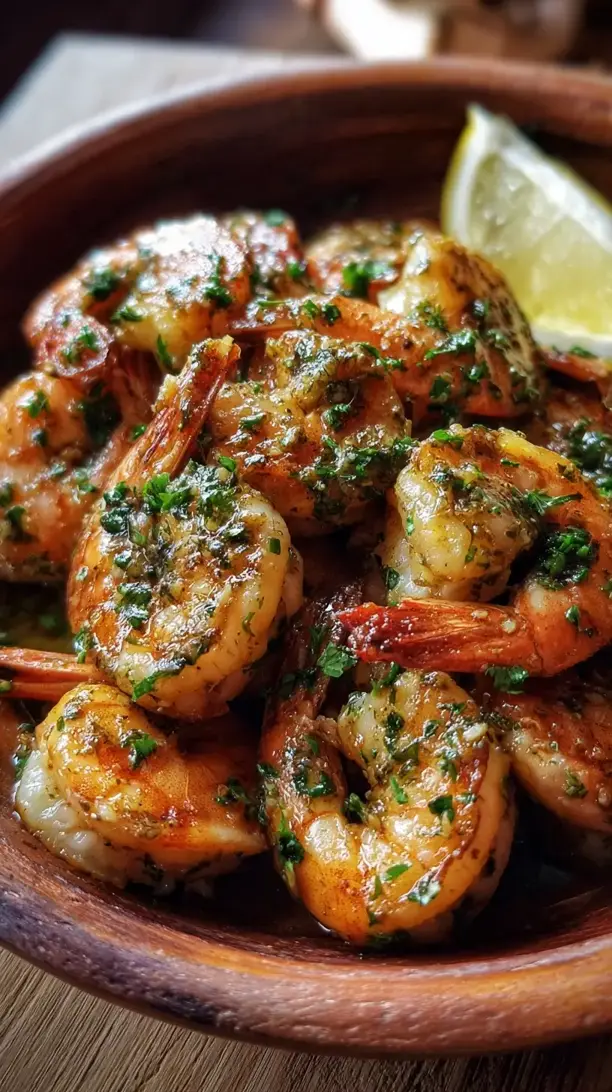
Mediterranean Shrimp
Make this easy Mediterranean Shrimp with lemon and garlic in just 20 minutes. A bright, healthy, and impressive dish perfect for any night. Get the recipe now!
Ingredients
For the Ingredients
-
450 g large raw shrimp (peeled and deveined)
-
3 tbsp extra virgin olive oil
-
4 cloves garlic (minced)
-
1 medium lemon (juice and zest)
-
60 ml dry white wine (like Sauvignon Blanc)
-
2 tbsp fresh parsley (chopped)
-
1 tsp dried oregano
-
1/4 tsp red pepper flakes (optional, for heat)
-
salt and freshly ground black pepper (to taste)
Instructions
-
Start by preparing your shrimp. If they aren’t already, peel and devein them, leaving the tails on or off based on your preference. I usually take the tails off for easier eating. Pat the shrimp thoroughly dry with paper towels and season them generously with salt and pepper on both sides. You’ll notice this initial seasoning makes a huge difference in the final flavor.01
-
Heat your large skillet over medium-high heat. Once the pan is hot, add two tablespoons of the olive oil. Carefully place the shrimp in the pan in a single layer, making sure not to crowd them. You might need to cook them in two batches. Cook for just about 1-2 minutes per side, until they turn pink and opaque with a slight golden sear. The trick is not to overcook them at this stage. Remove the shrimp from the pan and set them aside on a plate.02
-
Reduce the heat to medium and add the remaining tablespoon of olive oil to the same skillet. Add the minced garlic, dried oregano, and red pepper flakes (if using). Sauté for about 30-60 seconds, stirring constantly, until the garlic is incredibly fragrant. You have to watch it closely — you want it golden and aromatic, not browned and bitter.03
-
Pour in the white wine to deglaze the pan. Use your spoon or spatula to scrape up all those delicious browned bits from the bottom of the pan. Let the wine simmer and reduce by about half, which should take 1-2 minutes. This step concentrates the flavor and cooks off the raw alcohol taste, leaving behind a wonderful acidity.04
-
Now, add the lemon juice and let it bubble for another 30 seconds. You’ll notice the sauce will start to look glossy and come together. Return the cooked shrimp to the pan, along with any juices that have accumulated on the plate. Toss everything together to coat the shrimp in the glorious sauce and heat them through for just another minute.05
-
Turn off the heat. Stir in the fresh parsley and most of the lemon zest, reserving a little for garnish. Give everything one final toss. Taste the sauce and adjust the seasoning with more salt or pepper if needed. The sauce should be bright, garlicky, and perfectly balanced.06