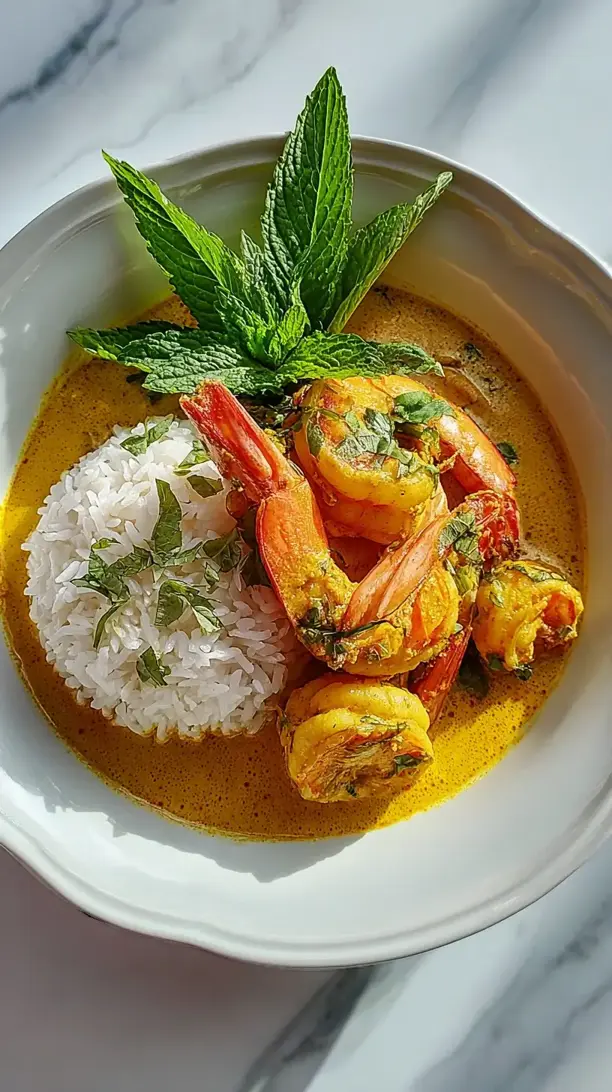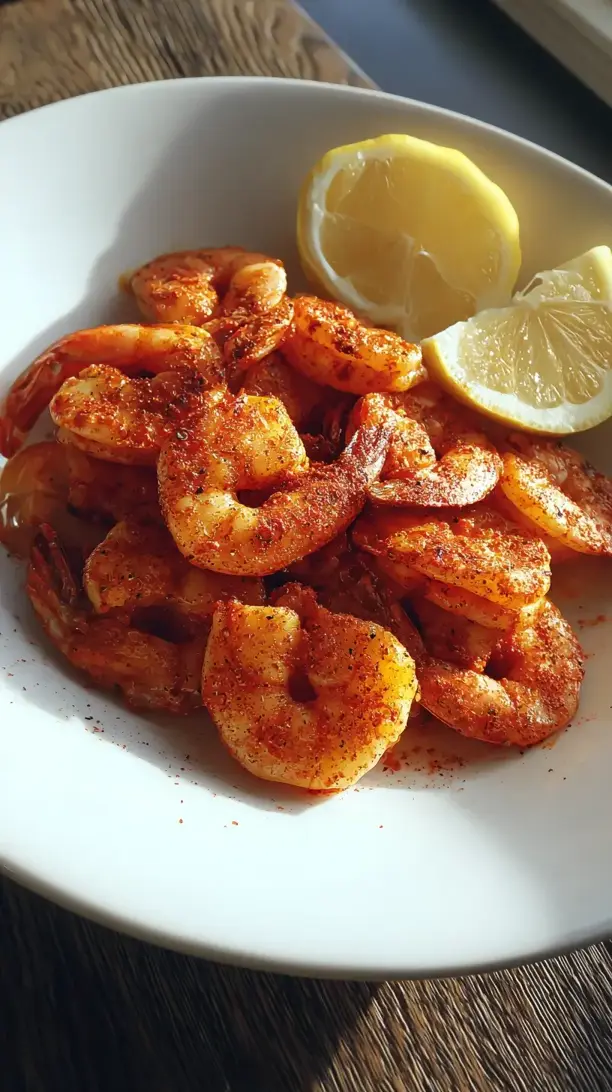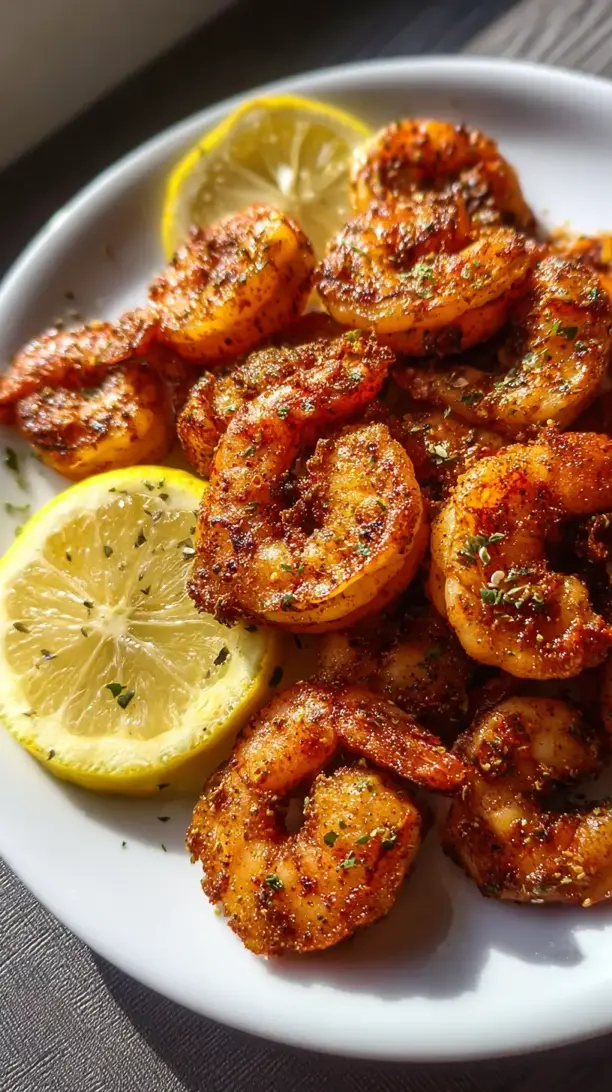

This Meal Prep Mediterranean Shrimp is your solution for quick, healthy, and delicious dinners. It captures vibrant Mediterranean flavors like juicy shrimp, sweet tomatoes, and briny olives, all perfectly suited for making ahead. Spend one hour prepping and enjoy restaurant-quality meals all week.
Why You’ll Love This Meal Prep Mediterranean Shrimp
- Effortless elegance: Looks sophisticated but is simple to make.
- Meal prep superstar: Flavors deepen beautifully over several days.
- Incredibly versatile: Serve over grains, in pitas, or on salads.
- True flavor bomb: A harmonious blend of savory, briny, and bright notes.
Ingredients & Tools
- 450 g large raw shrimp, peeled and deveined
- 3 tbsp extra virgin olive oil, divided
- 4 cloves garlic, minced
- 1 lemon, zested and juiced
- 1 tsp dried oregano
- ½ tsp smoked paprika
- 300 g cherry or grape tomatoes, halved
- 1 small red onion, thinly sliced
- 100 g Kalamata olives, pitted
- 150 g feta cheese, crumbled
- ¼ cup fresh parsley, chopped
- 2 tbsp fresh dill, chopped
- To taste salt and freshly ground black pepper
Tools: Large mixing bowl, large skillet or sheet pan, measuring spoons, sharp knife, cutting board, airtight containers for storage.
Notes: Using high-quality olive oil and fresh herbs makes a difference. Don’t skip the smoked paprika—it adds subtle warmth.
Nutrition (per serving)
| Calories: | 320 kcal |
| Protein: | 25 g |
| Fat: | 20 g |
| Carbs: | 10 g |
| Fiber: | 3 g |
Serves: 4 | Prep Time: 20 minutes | Cook Time: 15 minutes | Total Time: 35 minutes
Before You Start: Tips & Ingredient Notes
- Shrimp selection is key. Look for large (21/25 count) raw shrimp that are peeled and deveined, but with the tails on or off—it’s your preference. I find tails-off makes for easier eating later, but tails-on can look prettier if you’re serving it to guests.
- Don’t skimp on the marinade time. Even 15-20 minutes of marinating the shrimp in the lemon-garlic-olive oil mixture makes a world of difference. It tenderizes the shrimp and ensures every bite is packed with flavor.
- Your olives matter. I strongly recommend Kalamata olives for their deep, fruity, and briny flavor. If you use canned black olives, the dish will taste entirely different—and not in the best way. It’s worth seeking out the good stuff.
- Fresh herbs versus dried. You can use dried dill and parsley in a pinch, but the fresh versions bring a vibrant, grassy note that dried herbs simply can’t replicate. If you must substitute, use one-third the amount of dried.
How to Make Meal Prep Mediterranean Shrimp
Step 1: Start by patting your shrimp completely dry with paper towels—this is the secret to getting a nice sear instead of them steaming. In a large bowl, combine 2 tablespoons of the olive oil, the minced garlic, lemon zest, lemon juice, dried oregano, smoked paprika, and a good pinch of salt and pepper. Whisk it all together until it’s emulsified and fragrant. Add the shrimp to this marinade, toss to coat every single one, and let it sit for 15-20 minutes at room temperature. You’ll notice the shrimp will start to turn opaque around the edges—that’s perfectly normal.
Step 2: While the shrimp is marinating, prep your vegetables. Halve the cherry tomatoes, thinly slice the red onion, and chop your fresh herbs. Having everything ready to go makes the cooking process so much smoother. If you’re using a block of feta, crumble it now too. This is also a great time to start cooking your chosen base, like quinoa or couscous, if you’re planning to serve the shrimp over it.
Step 3: Heat the remaining 1 tablespoon of olive oil in a large skillet over medium-high heat. Once the oil is shimmering, add the marinated shrimp in a single layer—you might need to do this in two batches to avoid overcrowding. Cook for about 1-2 minutes per side, just until the shrimp are pink, opaque, and slightly curled. The trick is not to overcook them, or they’ll become rubbery. Transfer the cooked shrimp to a clean plate.
Step 4: In the same skillet, with all those delicious browned bits from the shrimp, add the sliced red onion. Sauté for 2-3 minutes until it just begins to soften. Then, add the halved cherry tomatoes and pitted Kalamata olives. Cook for another 3-4 minutes, stirring occasionally, until the tomatoes start to blister and release their juices, creating a light, flavorful sauce.
Step 5: Return the cooked shrimp to the skillet, along with any accumulated juices from the plate. Gently toss everything together to warm the shrimp through and coat them in the tomato-onion mixture. This should only take about a minute. Remove the skillet from the heat.
Step 6: Stir in most of your chopped fresh parsley and dill, reserving a little for garnish. Then, gently fold in the crumbled feta cheese. The residual heat will slightly soften the feta without making it melt completely. Give it one final taste and adjust the seasoning with more salt, pepper, or a squeeze of fresh lemon juice if needed.
Step 7: For meal prep, divide the shrimp mixture evenly among four airtight containers. If you’re serving it with a grain, you can layer the grain at the bottom or keep it in a separate container. Let the shrimp cool completely to room temperature before sealing the containers and placing them in the refrigerator. This ensures the texture stays perfect.
Storage & Freshness Guide
- Fridge: Store in airtight containers for 3–4 days; flavors meld and improve.
- Freezer: Not recommended—shrimp and veggies become mushy when thawed.
- Reviving: Gently reheat in a skillet or eat cold; avoid overcooking.
Serving Suggestions
Complementary Dishes
- Lemon-Herb Quinoa — The fluffy, slightly nutty quinoa soaks up the delicious pan juices beautifully, and the lemon echoes the bright notes in the shrimp.
- Toasted Pita or Naan — Perfect for scooping up every last bit of the tomato and olive mixture. It adds a wonderful chewy, carb-y element that’s so satisfying.
- Simple Arugula Salad — The peppery arugula provides a fresh, crisp contrast to the rich and savory shrimp, making the whole meal feel balanced and complete.
Drinks
- Crisp Sauvignon Blanc — Its bright acidity and citrus notes are a classic pairing that cuts through the richness of the olive oil and feta perfectly.
- Sparkling Water with Lemon — A non-alcoholic option that still feels special. The bubbles and citrus cleanse the palate between bites, keeping each mouthful vibrant.
- Iced Mint Tea — The cool, refreshing mint is a fantastic complement to the Mediterranean herbs in the dish, making it ideal for a warm-weather lunch.
Something Sweet
- Honey & Walnut Baklava — The flaky, nutty, honey-soaked pastry is a traditional finish that continues the Mediterranean theme in the most delightful way.
- Lemon Sorbet — Incredibly light and refreshing, it acts as a palate cleanser and provides a final, zesty punch that echoes the lemon in the main course.
- Fresh Figs with Yogurt — Simple, elegant, and not too heavy. The sweet figs and tangy yogurt feel like a natural, healthy extension of the meal.
Top Mistakes to Avoid
- Overcooking the shrimp. Shrimp cook in a flash and continue to cook from residual heat after you take them off the stove. The moment they turn pink and opaque, they’re done. Any longer and they’ll become tough and rubbery—I’ve messed this up before too, and it’s a real shame.
- Crowding the pan. If you dump all the shrimp into the skillet at once, they’ll steam instead of sear. You want that nice, light browning for maximum flavor, so cook in batches if your pan isn’t large enough.
- Adding the feta while cooking. Feta should be stirred in at the very end, off the heat. If you cook it, it will melt into a grainy mess rather than staying in lovely, creamy crumbles.
- Skipping the rest time for meal prep. Letting the dish cool completely before you lid the containers is non-negotiable. Trapped steam will make everything soggy and can create condensation that waters down the flavors.
Expert Tips
- Tip: For an even deeper flavor, you can marinate the shrimp for up to 30 minutes in the refrigerator. Just be sure to bring them back to room temperature for 10-15 minutes before cooking so they cook evenly and quickly.
- Tip: If you love a bit of heat, add a pinch of red pepper flakes to the marinade. It introduces a subtle warmth that plays wonderfully with the other spices without overpowering them.
- Tip: To make this a true one-pan meal, roast your vegetables. Toss the tomatoes, onion, and olives with oil and spices on a sheet pan, roast at 200°C for 15 minutes, then add the marinated shrimp and cook for another 5-7 minutes. It’s incredibly hands-off.
- Tip: If you find your shrimp mixture is a little too “wet” after combining everything, a teaspoon of tomato paste added when you sauté the onions can help thicken the natural juices into a richer, more sauce-like consistency.
FAQs
Can I use frozen shrimp?
Absolutely! Frozen shrimp are often more economical and just as good. The key is to thaw them properly. Place them in a bowl in the refrigerator overnight, or for a quicker method, seal them in a plastic bag and submerge them in cold water for 30-60 minutes. Just make sure they are thoroughly patted dry before marinating to ensure a good sear and to keep the marinade from becoming watered down.
How long does this last in the fridge?
Stored in airtight containers, this meal prep shrimp will keep beautifully for 3 to 4 days. The flavors actually meld and improve over the first day or two. I don’t recommend freezing it, as the texture of the cooked shrimp and the fresh vegetables will become mushy and watery upon thawing. It’s best enjoyed within that four-day window for optimal taste and texture.
Can I make this without olives?
Of course! If you’re not a fan of olives, you can simply omit them. To make up for that briny, salty element, you might add a tablespoon of capers when you add the tomatoes, or just increase the amount of feta cheese a little. The dish will still be wonderfully flavorful, just with a slightly different profile.
Is this recipe gluten-free?
Yes, the shrimp mixture itself is naturally gluten-free. You just need to be mindful of what you serve it with. Pair it with gluten-free grains like quinoa or rice, or a simple salad, and you have a completely gluten-free meal. Always double-check the labels on your spices and feta to be absolutely certain, but they are typically safe.
Can I reheat it, or is it best eaten cold?
It’s fantastic both ways! For reheating, I recommend gently warming it in a skillet over low heat or in the microwave at 50% power in 30-second intervals. The goal is to just take the chill off without continuing to cook the shrimp. Honestly, I often eat it straight from the fridge—it’s that good cold, especially in the summer.
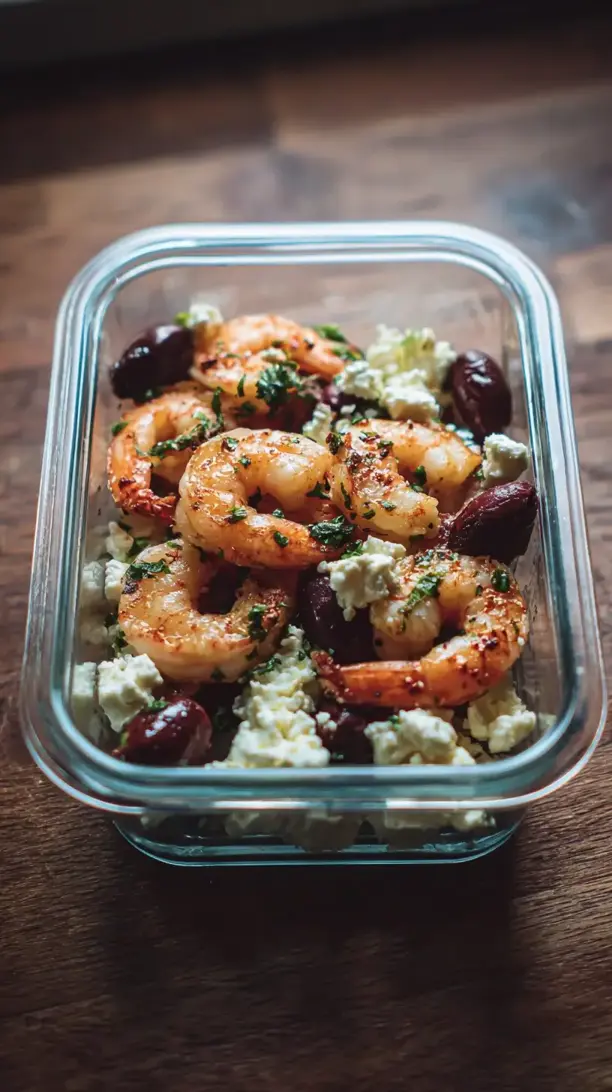
Meal Prep Mediterranean Shrimp
Make healthy eating easy with this Meal Prep Mediterranean Shrimp recipe. Full of bright flavors and perfect for busy weeks. Get the simple recipe now!
Ingredients
For the Shrimp and Marinade:
-
450 g large raw shrimp (peeled and deveined)
-
3 tbsp extra virgin olive oil (divided)
-
4 cloves garlic (minced)
-
1 lemon (zested and juiced)
-
1 tsp dried oregano
-
½ tsp smoked paprika
-
salt and freshly ground black pepper (to taste)
For the Vegetables and Herbs:
-
300 g cherry or grape tomatoes (halved)
-
1 small red onion (thinly sliced)
-
100 g Kalamata olives (pitted)
-
150 g feta cheese (crumbled)
-
¼ cup fresh parsley (chopped)
-
2 tbsp fresh dill (chopped)
Instructions
-
Start by patting your shrimp completely dry with paper towels—this is the secret to getting a nice sear instead of them steaming. In a large bowl, combine 2 tablespoons of the olive oil, the minced garlic, lemon zest, lemon juice, dried oregano, smoked paprika, and a good pinch of salt and pepper. Whisk it all together until it’s emulsified and fragrant. Add the shrimp to this marinade, toss to coat every single one, and let it sit for 15-20 minutes at room temperature. You’ll notice the shrimp will start to turn opaque around the edges—that’s perfectly normal.01
-
While the shrimp is marinating, prep your vegetables. Halve the cherry tomatoes, thinly slice the red onion, and chop your fresh herbs. Having everything ready to go makes the cooking process so much smoother. If you’re using a block of feta, crumble it now too. This is also a great time to start cooking your chosen base, like quinoa or couscous, if you’re planning to serve the shrimp over it.02
-
Heat the remaining 1 tablespoon of olive oil in a large skillet over medium-high heat. Once the oil is shimmering, add the marinated shrimp in a single layer—you might need to do this in two batches to avoid overcrowding. Cook for about 1-2 minutes per side, just until the shrimp are pink, opaque, and slightly curled. The trick is not to overcook them, or they’ll become rubbery. Transfer the cooked shrimp to a clean plate.03
-
In the same skillet, with all those delicious browned bits from the shrimp, add the sliced red onion. Sauté for 2-3 minutes until it just begins to soften. Then, add the halved cherry tomatoes and pitted Kalamata olives. Cook for another 3-4 minutes, stirring occasionally, until the tomatoes start to blister and release their juices, creating a light, flavorful sauce.04
-
Return the cooked shrimp to the skillet, along with any accumulated juices from the plate. Gently toss everything together to warm the shrimp through and coat them in the tomato-onion mixture. This should only take about a minute. Remove the skillet from the heat.05
-
Stir in most of your chopped fresh parsley and dill, reserving a little for garnish. Then, gently fold in the crumbled feta cheese. The residual heat will slightly soften the feta without making it melt completely. Give it one final taste and adjust the seasoning with more salt, pepper, or a squeeze of fresh lemon juice if needed.06
-
For meal prep, divide the shrimp mixture evenly among four airtight containers. If you’re serving it with a grain, you can layer the grain at the bottom or keep it in a separate container. Let the shrimp cool completely to room temperature before sealing the containers and placing them in the refrigerator. This ensures the texture stays perfect.07