
Why You’ll Love This Matcha Shortbread Cookies
- That perfect, melt-in-your-mouth texture. A good shortbread should be tender and crumbly, dissolving on your tongue, and this recipe delivers exactly that. The high butter-to-flour ratio is the secret, creating a cookie that’s rich and impossibly delicate.
- A beautiful balance of flavors. The earthy, slightly bitter notes of the matcha are the star, but they’re perfectly tempered by the sweet, creamy butter and just the right amount of sugar. It’s a complex flavor profile that never feels one-dimensional.
- They’re surprisingly simple to make. Honestly, if you can cream butter and sugar, you can make these cookies. There’s no chilling required for the dough in this version, which means you’re never too far from a warm, fresh-baked treat.
- They look as good as they taste. The vibrant green color from the matcha is just stunning. These cookies are a total showstopper on a dessert platter or packed in a little gift box—a real feast for the eyes before you even take a bite.
Ingredients & Tools
- 225 g (1 cup) unsalted butter, softened at room temperature
- 100 g (¾ cup + 2 tbsp) powdered sugar, sifted
- 2-3 tbsp high-quality culinary-grade matcha powder
- 1 tsp pure vanilla extract
- ¼ tsp fine sea salt
- 280 g (2 ¼ cups) all-purpose flour, spooned and leveled
- 1-2 tbsp granulated or sanding sugar, for sprinkling (optional)
Tools: A stand mixer or electric hand mixer, a baking sheet, parchment paper, a sifter or fine-mesh sieve, and a rolling pin.
The quality of your matcha really makes a difference here—you’ll taste it. Don’t use a ceremonial grade, but do find a good culinary grade with a vibrant color. And that room-temperature butter? It’s non-negotiable for achieving that light, crumbly texture we’re after.
Nutrition (per serving)
- Calories: 150 kcal
- Protein: 2 g
- Fat: 9 g
- Carbohydrates: 16 g
- Fiber: 0.5 g
Serves: 24 cookies | Prep Time: 20 minutes | Cook Time: 12-15 minutes | Total Time: 35 minutes
Before You Start: Tips & Ingredient Notes
- Your butter must be properly softened. This is the single most important step for the texture. It should be cool to the touch but yield easily when you press it. If it’s melty or oily, the cookies will spread too much.
- Sift, sift, sift! Both the powdered sugar and the matcha powder should be sifted. This prevents any lumps and ensures your cookie dough is perfectly smooth and your matcha flavor is evenly distributed.
- Don’t skip the salt. It might seem like a small amount, but that pinch of salt is crucial for balancing the sweetness and enhancing the rich, buttery flavor. It makes all the other ingredients pop.
- Weigh your flour for best results. If you’re using cup measurements, be sure to spoon the flour into the cup and level it off with a knife. Scooping directly from the bag can pack in too much flour, leading to a drier, tougher cookie.
How to Make Matcha Shortbread Cookies
Step 1: Start by preheating your oven to 325°F (165°C) and lining a baking sheet with parchment paper. In the bowl of your stand mixer fitted with the paddle attachment, or in a large bowl using a hand mixer, combine the softened butter and sifted powdered sugar. Cream them together on medium speed for about 2-3 minutes. You’re looking for the mixture to become light, pale, and fluffy. This step is key for incorporating air, which gives the cookies their lovely tender crumb.
Step 2: Now, add your flavorings. Sift the matcha powder directly into the butter mixture to avoid any clumps. Add the vanilla extract and the salt. Mix on low speed until everything is just combined and you have a beautifully uniform, green mixture. You’ll notice the aroma of the matcha immediately—it’s so fresh and inviting. Be careful not to overmix at this stage.
Step 3: It’s time for the flour. With the mixer on its lowest setting, gradually add the all-purpose flour. Mix only until the flour has just disappeared and a soft dough begins to form around the paddle. The moment you no longer see dry pockets of flour, stop the mixer. Overmixing the flour will develop the gluten and make the cookies tough, which is the opposite of what we want in a delicate shortbread.
Step 4: Turn the dough out onto a lightly floured surface. It will be quite soft. Gently knead it a few times just to bring it together into a smooth disc. Using a rolling pin, roll the dough out to about a ¼-inch thickness. You can roll it between two sheets of parchment paper if you find it sticky. The consistency should be pliable but not sticky.
Step 5: Use your favorite cookie cutter to cut out shapes. A simple round cutter is classic, but feel free to get creative! Place the cut-out cookies onto your prepared baking sheet, leaving about an inch between them as they won’t spread much. If you like, you can sprinkle the tops with a little granulated or sanding sugar for a subtle sparkle and crunch.
Step 6: Bake for 12-15 minutes. You’re not looking for them to brown. The cookies are done when the edges are just barely starting to turn a slightly darker shade and the tops look dry and matte. They will still feel soft to the touch, but they will firm up as they cool. This is the trick to keeping them tender.
Step 7: Let the cookies cool on the baking sheet for at least 10 minutes before transferring them to a wire rack to cool completely. I know it’s tempting, but resist eating one straight from the oven! They need this time to set properly, and their flavor and texture are best once they’ve fully cooled. The matcha flavor will also deepen and become more pronounced.
Serving Suggestions
Complementary Dishes
- A simple fruit platter with berries and citrus — The bright, acidic notes from fresh raspberries or orange segments cut through the richness of the butter beautifully, creating a lovely palate cleanser between bites.
- A small cheese board with soft, mild cheeses — Think brie or a creamy goat cheese. The savory, tangy cheese provides a fantastic contrast to the sweet, earthy cookie, making for a sophisticated little nibble.
Drinks
- A hot cup of sencha or genmaicha tea — Staying within the green tea family enhances the matcha flavor in the cookie, while the grassy or toasty notes of these teas create a harmonious and authentic tea-time experience.
- A glass of cold, creamy oat milk — The slight sweetness and creamy texture of oat milk is a dream paired with the crumbly shortbread. It’s a wonderfully comforting and dairy-free option that feels like a hug.
Something Sweet
- Dark chocolate-dipped strawberries — The bitterness of the dark chocolate and the juicy sweetness of the berry elevate the cookie without overpowering it, creating a trio of textures and flavors that is simply divine.
- A small scoop of white chocolate or vanilla bean ice cream — Sandwiching a slightly warm cookie with cold ice cream is a next-level treat. The creamy, sweet ice cream melts into the crumbly cookie for a truly decadent dessert.
Top Mistakes to Avoid
- Mistake: Using melted or too-warm butter. This is the number one reason shortbread fails. If the butter is too soft, the cookies will spread excessively and become greasy instead of maintaining their delicate, crumbly structure.
- Mistake: Overmixing the dough after adding the flour. Once the flour is incorporated, stop mixing! Overworking the dough develops gluten, which makes the cookies tough and biscuit-like instead of tender and melt-in-your-mouth.
- Mistake: Overbaking the cookies. Shortbread should not be golden brown. If you wait for them to brown, they’ve already gone too far and will be dry and hard once cooled. Pull them out when the edges are just set and the tops look dry.
- Mistake: Using low-quality or old matcha. Matcha is the star here. If your powder is dull, brownish-green, or smells stale, it will impart a bitter, unpleasant flavor to your entire batch of cookies.
Expert Tips
- Tip: Chill your cookie cutters. If you’re working in a warm kitchen, pop your metal cookie cutters in the freezer for 10 minutes before using them. This helps create super clean, sharp edges on your cookies and prevents the dough from sticking.
- Tip: Re-roll the scraps with care. When you re-roll your dough scraps, try to handle it as little as possible. The second batch might be a tiny bit less tender than the first, but they’ll still be delicious. Gently press the scraps together rather than kneading.
- Tip: Add a flavor twist with citrus zest. The zest of one lemon or a small orange can be added along with the vanilla. The bright citrus notes pair incredibly well with the earthy matcha, adding another layer of complexity.
- Tip: For an extra flavor boost, infuse the butter. If you have time, you can gently melt the butter with the matcha powder over a double boiler, then chill it until solid again before creaming. This can result in an even more intense and uniform matcha flavor throughout the cookie.
FAQs
Can I make these cookies ahead of time?
Absolutely! The dough can be made, shaped into a log, wrapped tightly in plastic, and refrigerated for up to 3 days. You can also freeze the dough log for up to 3 months. Just slice and bake straight from the fridge or freezer, adding a minute or two to the baking time if frozen. Baked cookies stored in an airtight container at room temperature will stay fresh for about 5 days.
Why are my cookies spreading too much?
This almost always comes down to butter temperature. If your butter was too soft or melty, the cookies will spread. Another culprit could be over-creaming the butter and sugar, which incorporates too much air that then collapses in the oven. Make sure your butter is cool, softened but still firm, and cream just until pale and fluffy.
My matcha cookies turned out bitter. What happened?
This is usually one of two things. First, you may have used a low-quality matcha powder that is inherently bitter. Second, you might have overbaked them. Matcha can become more bitter when exposed to high heat for too long. Remember, we’re not browning these cookies—a short, gentle bake is key.
Can I use a different type of sugar?
Powdered sugar is essential for the classic shortbread texture because it contains a small amount of cornstarch, which contributes to tenderness. You could experiment with superfine (caster) sugar, but the texture will be slightly grainier and more crisp than melt-in-your-mouth. I don’t recommend using standard granulated sugar.
How can I get a more intense green color?
The color depends heavily on the quality and freshness of your matcha. A high-quality culinary grade will give you that vibrant jade green. You can also add an extra half tablespoon of matcha powder, but be cautious, as this will also intensify the flavor, which can edge into bitterness if you’re not careful.
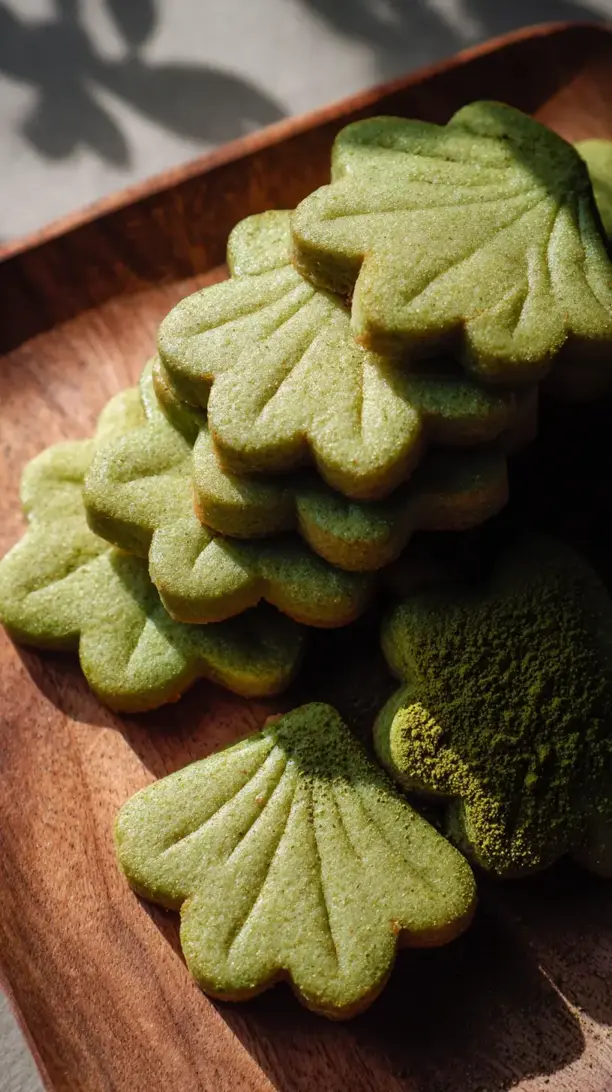
Matcha Shortbread Cookies
Learn how to make the best Matcha Shortbread Cookies with this easy recipe. They're buttery, melt-in-your-mouth, and perfectly earthy. Get the recipe now!
Ingredients
For the Ingredients
-
225 g unsalted butter (softened at room temperature)
-
100 g powdered sugar (sifted)
-
2-3 tbsp high-quality culinary-grade matcha powder
-
1 tsp pure vanilla extract
-
0.25 tsp fine sea salt
-
280 g all-purpose flour (spooned and leveled)
-
1-2 tbsp granulated or sanding sugar (for sprinkling (optional))
Instructions
-
Start by preheating your oven to 325°F (165°C) and lining a baking sheet with parchment paper. In the bowl of your stand mixer fitted with the paddle attachment, or in a large bowl using a hand mixer, combine the softened butter and sifted powdered sugar. Cream them together on medium speed for about 2-3 minutes. You’re looking for the mixture to become light, pale, and fluffy. This step is key for incorporating air, which gives the cookies their lovely tender crumb.01
-
Now, add your flavorings. Sift the matcha powder directly into the butter mixture to avoid any clumps. Add the vanilla extract and the salt. Mix on low speed until everything is just combined and you have a beautifully uniform, green mixture. You’ll notice the aroma of the matcha immediately—it’s so fresh and inviting. Be careful not to overmix at this stage.02
-
It’s time for the flour. With the mixer on its lowest setting, gradually add the all-purpose flour. Mix only until the flour has just disappeared and a soft dough begins to form around the paddle. The moment you no longer see dry pockets of flour, stop the mixer. Overmixing the flour will develop the gluten and make the cookies tough, which is the opposite of what we want in a delicate shortbread.03
-
Turn the dough out onto a lightly floured surface. It will be quite soft. Gently knead it a few times just to bring it together into a smooth disc. Using a rolling pin, roll the dough out to about a ¼-inch thickness. You can roll it between two sheets of parchment paper if you find it sticky. The consistency should be pliable but not sticky.04
-
Use your favorite cookie cutter to cut out shapes. A simple round cutter is classic, but feel free to get creative! Place the cut-out cookies onto your prepared baking sheet, leaving about an inch between them as they won’t spread much. If you like, you can sprinkle the tops with a little granulated or sanding sugar for a subtle sparkle and crunch.05
-
Bake for 12-15 minutes. You’re not looking for them to brown. The cookies are done when the edges are just barely starting to turn a slightly darker shade and the tops look dry and matte. They will still feel soft to the touch, but they will firm up as they cool. This is the trick to keeping them tender.06
-
Let the cookies cool on the baking sheet for at least 10 minutes before transferring them to a wire rack to cool completely. I know it’s tempting, but resist eating one straight from the oven! They need this time to set properly, and their flavor and texture are best once they’ve fully cooled. The matcha flavor will also deepen and become more pronounced.07