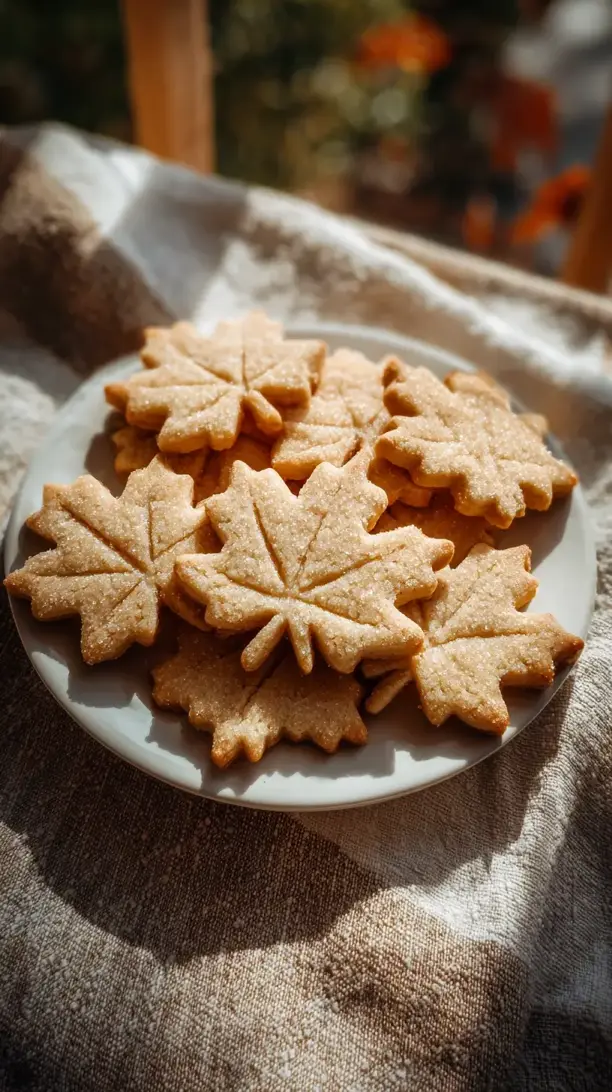

Why You’ll Love This Maple Pecan Shortbread
- Incredibly Simple to Make. Honestly, this is a one-bowl wonder. You don’t even need to chill the dough, which means you’re about 30 minutes away from warm, buttery cookies fresh from your oven.
- The Perfect Balance of Flavors. The maple isn’t overpowering—it provides a deep, rounded sweetness that pairs so beautifully with the toasted pecans. It’s sophisticated but still feels wonderfully comforting.
- That Classic, Melt-in-Your-Mouth Texture. A good shortbread should be tender and crumbly, not hard or crunchy. This recipe nails that delicate, sandy texture that just dissolves on your tongue.
- It’s Incredibly Versatile. You can enjoy these with your afternoon coffee, pack them for a picnic, or dress them up with a drizzle of chocolate for a more elegant dessert. They’re the perfect little all-rounder.
Ingredients & Tools
- 225 g unsalted butter, softened
- 100 g light brown sugar
- 60 ml pure maple syrup (the darker the grade, the better!)
- 1 tsp vanilla extract
- 300 g all-purpose flour
- 1/4 tsp fine sea salt
- 100 g pecans, finely chopped
Tools: A large mixing bowl, a wooden spoon or electric hand mixer, a baking sheet, parchment paper, and a sharp knife or bench scraper.
The quality of your butter and maple syrup really shines through here, so use the best you can. For the pecans, toasting them first—even for just 5-7 minutes in a 350°F (175°C) oven—will unlock their oils and make their flavor so much deeper and nuttier. It’s a small step that makes a world of difference.
Nutrition (per serving)
- Calories: 180 kcal
- Protein: 2 g
- Fat: 12 g
- Carbohydrates: 18 g
- Fiber: 1 g
Serves: 24 | Prep Time: 15 minutes | Cook Time: 20-25 minutes | Total Time: 40 minutes
Before You Start: Tips & Ingredient Notes
- Butter Temperature is Key. Your butter should be softened, meaning it yields to gentle pressure but isn’t greasy or melted. If it’s too cold, your dough will be crumbly; if it’s too warm, the shortbread will spread too much.
- Don’t Skip the Toasting. Toasting the pecans is non-negotiable for the best flavor, in my opinion. It transforms them from a simple nut into a deeply aromatic, crunchy component that carries the entire cookie.
- Measure Your Flour Correctly. The easiest way to throw off the texture is with too much flour. For accuracy, I highly recommend using a kitchen scale. If you’re using cups, fluff your flour with a spoon, spoon it into the cup, and level it off with a knife.
- Use Real Maple Syrup. Pancake syrup or artificial maple flavoring just won’t give you that authentic, woody sweetness. Look for “100% pure maple syrup” on the label—Grade A Amber or Dark is perfect for this.
How to Make Maple Pecan Shortbread
Step 1: First, preheat your oven to 325°F (160°C) and line your baking sheet with parchment paper. In your large mixing bowl, combine the softened butter, light brown sugar, maple syrup, and vanilla extract. Cream them together using a wooden spoon or an electric mixer on medium speed until the mixture is pale, fluffy, and well-combined. You’ll notice it lighten in color and the texture will become beautifully smooth. This should take about 2-3 minutes.
Step 2: Now, add the all-purpose flour and fine sea salt to the wet ingredients. I like to add them both at once. Mix on a low speed, or by hand, until the flour is just incorporated and a soft dough begins to form. Be careful not to overmix here—you want to stop as soon as you no longer see dry streaks of flour. Overmixing can lead to tough shortbread.
Step 3: It’s time for the star of the show! Add your finely chopped, toasted pecans to the bowl. Gently fold them into the dough until they’re evenly distributed. The dough will be quite soft and a little sticky, but that’s exactly what we want for a tender final product.
Step 4: Turn the dough out onto your prepared baking sheet. Using your hands, press and shape the dough into a rectangle that’s about 1/2 inch (1.25 cm) thick. You can use the sides of your hands to neaten the edges. The trick is to get it to a uniform thickness so everything bakes evenly. Don’t worry about it being perfect—rustic is charming!
Step 5: Before baking, take a sharp knife or a bench scraper and score the dough into bars or squares. You don’t need to cut all the way through; just press down about halfway. This makes it incredibly easy to break the shortbread into perfect pieces once it’s baked and cooled. For a little extra touch, you can prick the top of the dough all over with a fork.
Step 6: Bake for 20-25 minutes. You’re looking for the edges to be a very light golden brown. The center might still look a little soft, but that’s fine—it will firm up as it cools. The aroma in your kitchen will be absolutely divine, a mix of brown butter and toasted nuts.
Step 7: As soon as you take the baking sheet out of the oven, use your knife to slice fully along the score lines you made earlier. This is the secret to clean edges! Then, and this is the hardest part, you must let the shortbread cool completely on the baking sheet. It will continue to cook and set as it cools, developing that signature crumbly texture.
Serving Suggestions
Complementary Dishes
- A sharp cheese board — The saltiness of a good aged cheddar or a creamy blue cheese creates a fantastic sweet-and-salty contrast that really makes the maple flavor pop.
- Spiced apple compote — A warm, cinnamon-spiced apple mixture spooned over a piece of shortbread feels like a hug in a bowl, perfect for a cozy dessert.
- Vanilla bean ice cream — Serve a square slightly warmed with a scoop of cold, high-quality vanilla ice cream for the ultimate simple sundae.
Drinks
- Black coffee — The bitterness of a strong brew cuts through the richness of the butter and pecans, creating a perfectly balanced bite.
- Earl Grey tea — The bergamot in the tea is a surprisingly wonderful companion to the maple and nutty flavors, making for a very sophisticated pairing.
- A glass of cold milk — Sometimes, the classic is the best. There’s nothing quite like dunking a piece of shortbread into a cold glass of milk.
Something Sweet
- Dark chocolate-dipped strawberries — The tart, juicy berries and bitter chocolate provide a fresh, light counterpoint to the rich, crumbly shortbread.
- Lemon sorbet — Its bright, clean acidity is a fantastic palate cleanser that will have you reaching for another piece of shortbread right after.
- Spiced poached pears — The soft, wine-poached pears with hints of star anise and clove feel elegant and festive alongside the homey shortbread.
Top Mistakes to Avoid
- Using melted butter. This is the number one reason shortbread spreads too much and loses its delicate texture. Your butter must be softened but still cool to the touch for the right structure.
- Overmixing the dough. Once the flour is incorporated, stop mixing! Overworking the dough develops the gluten in the flour, which leads to a tough, biscuit-like cookie instead of a tender, crumbly one.
- Baking at too high a temperature. Shortbread is meant to bake low and slow. A high temperature will cause the outside to brown too quickly while the inside remains underbaked, and it can also make the butter separate.
- Not scoring before baking. If you try to cut the shortbread after it’s baked, it will crumble into a million pieces. Scoring it halfway through while it’s still soft and doughy is the pro-move for perfect bars.
Expert Tips
- Tip: For an extra layer of flavor, try browning your butter first. Let it cool until it’s solid again but still soft, then proceed with the recipe. It adds a incredible nutty, caramel depth that pairs wonderfully with the pecans.
- Tip: If your dough is too sticky to handle, lightly flour your hands before pressing it onto the baking sheet. A little goes a long way and will prevent it from sticking to you without adding too much extra flour to the dough.
- Tip: For a beautiful, professional finish, you can brush the top of the scored dough with a little extra maple syrup and sprinkle a few extra chopped pecans on top before baking. It gives it a lovely glossy sheen.
- Tip: Shortbread improves with age! Storing it in an airtight container for a day or two allows the flavors to meld and the texture to become even more tender and melt-in-your-mouth.
FAQs
Can I use a different type of nut?
Absolutely! Walnuts would be a fantastic substitute, offering a similar texture and a slightly more bitter note that works well with the maple. Hazelnuts would also be delicious, giving it a praline-like flavor. Just make sure whatever nut you use is toasted first—it really is the secret to unlocking their full potential.
My shortbread is too crumbly and falls apart. What happened?
This usually points to two things: either your butter was too cold, preventing the dough from binding together properly, or you may have added a bit too much flour. Next time, double-check your butter is properly softened and try weighing your flour for ultimate accuracy. A crumbly dough is often a dry dough.
Can I make this recipe ahead of time?
You sure can! The baked shortbread keeps beautifully in an airtight container at room temperature for up to a week. You can also freeze the baked and cooled bars for up to three months. Alternatively, you can shape the dough into a log, wrap it tightly in plastic, and freeze it for slice-and-bake cookies whenever the craving strikes.
Why is my shortbread soft and not crisp?
If your shortbread is soft, it likely needed a few more minutes in the oven. Remember, it continues to firm up as it cools on the baking sheet, so if it’s still soft once completely cool, it was underbaked. The edges should be a very light golden brown for the perfect texture.
Is it necessary to use a mixer?
Not at all! While a hand mixer makes creaming the butter and sugar a bit faster and easier, this recipe can absolutely be made by hand with a sturdy wooden spoon and a little bit of elbow grease. Just make sure you cream the butter and sugar mixture until it’s truly light and fluffy.

Maple Pecan Shortbread
Make this easy Maple Pecan Shortbread with just one bowl and no chilling required. Get the recipe for buttery, nutty cookies perfect for any occasion!
Ingredients
For the Ingredients
-
225 g unsalted butter (softened)
-
100 g light brown sugar
-
60 ml pure maple syrup
-
1 tsp vanilla extract
-
300 g all-purpose flour
-
1/4 tsp fine sea salt
-
100 g pecans (finely chopped)
Instructions
-
First, preheat your oven to 325°F (160°C) and line your baking sheet with parchment paper. In your large mixing bowl, combine the softened butter, light brown sugar, maple syrup, and vanilla extract. Cream them together using a wooden spoon or an electric mixer on medium speed until the mixture is pale, fluffy, and well-combined. You’ll notice it lighten in color and the texture will become beautifully smooth. This should take about 2-3 minutes.01
-
Now, add the all-purpose flour and fine sea salt to the wet ingredients. I like to add them both at once. Mix on a low speed, or by hand, until the flour is just incorporated and a soft dough begins to form. Be careful not to overmix here—you want to stop as soon as you no longer see dry streaks of flour. Overmixing can lead to tough shortbread.02
-
It's time for the star of the show! Add your finely chopped, toasted pecans to the bowl. Gently fold them into the dough until they're evenly distributed. The dough will be quite soft and a little sticky, but that's exactly what we want for a tender final product.03
-
Turn the dough out onto your prepared baking sheet. Using your hands, press and shape the dough into a rectangle that's about 1/2 inch (1.25 cm) thick. You can use the sides of your hands to neaten the edges. The trick is to get it to a uniform thickness so everything bakes evenly. Don't worry about it being perfect—rustic is charming!04
-
Before baking, take a sharp knife or a bench scraper and score the dough into bars or squares. You don't need to cut all the way through; just press down about halfway. This makes it incredibly easy to break the shortbread into perfect pieces once it's baked and cooled. For a little extra touch, you can prick the top of the dough all over with a fork.05
-
Bake for 20-25 minutes. You're looking for the edges to be a very light golden brown. The center might still look a little soft, but that's fine—it will firm up as it cools. The aroma in your kitchen will be absolutely divine, a mix of brown butter and toasted nuts.06
-
As soon as you take the baking sheet out of the oven, use your knife to slice fully along the score lines you made earlier. This is the secret to clean edges! Then, and this is the hardest part, you must let the shortbread cool completely on the baking sheet. It will continue to cook and set as it cools, developing that signature crumbly texture.07